Genres
Artists
Albums
Make Music
Sign in
Sign in
Artists
Pirate Metal
Artists
Pirate Metal
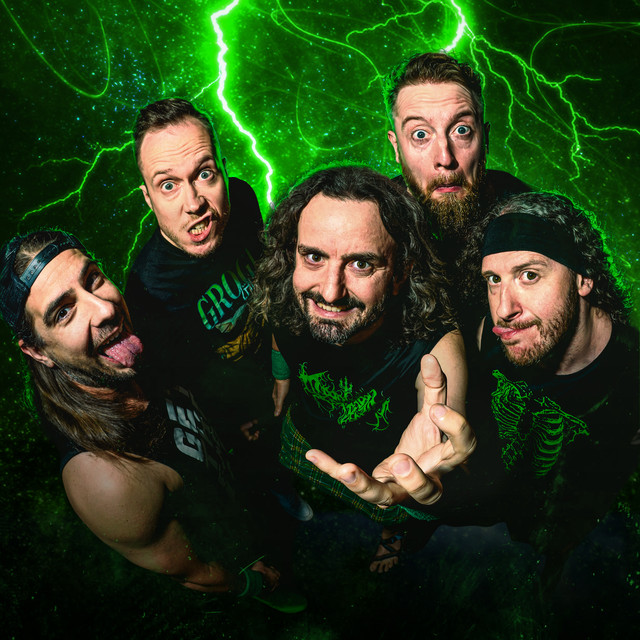
Jonathan Young
2018–2025
·
6 albums
Listen
4
/5
Genres
Dungeon Rap
Dungeon rap is a dark, internet-born microgenre that fuses the gloomy, medieval-fantasy atmospheres of dungeon synth with the rhythms, vocal cadences, and low‑end of underground trap and Memphis-influenced rap. Its sound is defined by lo-fi, reverb-soaked synth pads, organ or choir timbres, modal or minor-key melodies reminiscent of dungeon synth, and skeletal 808-driven drum patterns. Vocals (when present) are typically pitched-down, whispered, or deadpan, often dealing with occult, fantasy, and horror imagery. Producers frequently sample retro RPG soundtracks, black metal-adjacent ambient passages, or cassette-era dungeon synth, then anchor them with trunk-rattling subs and crispy hi-hat rolls. The genre coalesced online at the turn of the 2020s through Bandcamp/YouTube scenes and boutique labels, crystallizing a distinct aesthetic that feels equal parts crypt-ambient and street-level rap.
Discover
Listen
Flint Sound
Flint sound is a contemporary Michigan rap style centered in Flint, United States. It is characterized by fast, minimal, piano- or organ-led beats, dry and upfront vocals, and bar-by-bar “punch‑in” delivery that often rides slightly ahead of or behind the grid for a conversational, off‑kilter feel. The production typically favors bright piano loops, staccato 808 slides, crisp claps or rimshots, and sparse percussion, leaving plenty of space for relentless punchlines, gritty street reportage, and mischievous humor. While hard-edged and streetwise, the style frequently leans into charismatic personality and wit, making it both aggressive and infectious for dancing.
Discover
Listen
Otacore
Otacore is a fan-driven, internet-native umbrella for music centered on anime, manga, gaming, and broader otaku culture. Rather than a single strict musical style, it describes a cluster of scenes where pop, electronic, rock, and rap intersect with anime aesthetics, story tropes, and character/fandom references. Typical otacore repertoires include Vocaloid productions, anisong-style pop/rock, high-energy EDM with kawaii sound design, nightcore-style edits, game-inspired chiptune flourishes, and cover cultures (English/Japanese) tied to anime and game franchises. Distribution and discovery are powered by platforms such as Nico Nico Douga, YouTube, SoundCloud, streaming playlists, and later TikTok, where memeability, fan videos (AMVs), and vtuber performances help songs spread globally.
Discover
Listen
Anime Rap
Anime rap is a hip hop microgenre that fuses contemporary rap flows and production with lyrical themes, imagery, and aesthetics drawn from Japanese anime and manga. Typical tracks reference specific characters, arcs, and tropes—especially from shōnen series—while using modern trap or boom-bap frameworks, energetic hooks, and cinematic, "anime opening"-style melodies. Producers often incorporate timbres reminiscent of anime soundtracks and J-pop, such as bright synth leads, string swells, choir stabs, and occasional quotations or re-compositions of anime motifs. The scene grew natively on YouTube and streaming platforms through cyphers, character-themed singles, and AMV-style visuals, creating a global, internet-first community that overlaps with nerdcore but focuses specifically on anime narratives and fandom.
Discover
Listen
Rebel Blues
Rebel blues is a modern, sync‑ready strain of blues‑rock built for maximum swagger and impact. It fuses raw Delta and electric blues riffing with arena‑scale rock production, stomp‑and‑clap percussion, and chantable hooks designed to energize crowds and cut through on broadcasts. Typical tracks feature overdriven or slide guitars playing muscular, pentatonic riffs; a heavy, four‑on‑the‑floor kick and toms; handclaps, foot stomps, and gang shouts; and gritty, chest‑voice vocals delivering concise, rebellious slogans. Arrangements emphasize big intros and risers, clear edit points, and climactic endings, making the style a staple of sports, trailers, promos, and action‑forward advertising.
Discover
Listen
Post-Post-Hardcore
Post-post-hardcore is a polished, third-wave offshoot of post-hardcore that crystallized in the 2010s. It fuses the genre’s emotive, dynamic vocals and tension-release structures with modern pop hooks, electronic programming, and metalcore heft. Compared with classic post-hardcore, it favors glossy production, radio-leaning choruses, and hybridized textures—think syncopated djent-lite riffs under bright synths, EDM-style risers and drops, half-time breakdowns, and call-and-response vocals (screamed versus soaring cleans). The result is an accessible yet intense sound that thrives in the internet era of playlists, YouTube covers, and scene cross-pollination.
Discover
Listen
Swancore
Swancore is a bright, technical offshoot of post-hardcore marked by intricate, funk-tinged guitar work, elastic grooves, and the interplay of soaring clean vocals with harsher screams. Named after guitarist Will Swan (Dance Gavin Dance), the style emphasizes tight, syncopated riffing, frequent tapping, and jazz-fusion flourishes wrapped in catchy, pop-forward hooks. Arrangements pivot rapidly between aggressive bursts and sleek melodic passages. The harmony often ventures beyond basic triads to include extensions, mode mixture, and chromatic voice-leading, while drums favor ghost-note heavy, linear patterns and occasional odd-meter turns. Despite the complexity, Swancore typically retains an upbeat, glossy production aesthetic that highlights clarity, agility, and rhythmic snap.
Discover
Listen
Pirate Metal
Pirate metal is a subgenre and thematic scene within heavy metal that blends metal songwriting with pirate folklore, nautical adventure imagery, and sea‑shanty or maritime folk elements. It typically combines driving metal riffs (often borrowing from thrash metal, speed metal, and folk metal) with sing‑along choruses, shanty-like melodies, and lyrics written in piratical jargon about rum, the sea, treasure, and mutiny. Performances frequently emphasize theatricality, including period costumes, nautical props, and audience participation, making the genre as much a live “scene” as it is a sound.
Discover
Listen
Metal
Metal (often used to mean heavy metal in its broad, umbrella sense) is a loud, guitar-driven style of rock defined by high-gain distortion, emphatic and often martial rhythms, and a dense, powerful low end. It foregrounds riff-based songwriting, dramatic dynamics, virtuosic guitar solos, and commanding vocals that range from melodic wails to aggressive snarls and growls. Harmonically, metal favors minor modes, modal color (Aeolian, Phrygian), chromaticism, and tritone-inflected tension, while thematically it explores power, mythology, the occult, social critique, fantasy, and existential subjects. While adjacent to hard rock, metal typically pushes amplification, distortion, precision, and thematic intensity further, forming a foundation for many specialized subgenres.
Discover
Listen
Sea Shanty
Sea shanty is a maritime work song that developed aboard sailing ships to coordinate group labor. It uses a strong, steady pulse and a call-and-response structure in which a lead singer (the shantyman) calls the verse and the crew responds in chorus to time their pulls, pushes, or turns together. Historically unaccompanied and sung in unison, shanties are tailored to specific tasks: short-drag (brief, forceful pulls), halyard/long-drag (heavier, fewer pulls per line), capstan/windlass (continuous, walking rhythm), and pumping shanties (repetitive, machine-like pulse). Lyrics mix practical timing cues with humor, bravado, longing, and port lore, and often use nonsense vocables (“way, hey,” “haul away”) to accent the work strokes. While closely related to broader “sea songs” and forebitters (off-duty songs), shanties are distinct in purpose: they are functional music designed to synchronize labor. The style flourished in the 19th century among English-speaking merchant navies, absorbing influences from British and Irish folk traditions and African-American and Afro-Caribbean work-song practices.
Discover
Listen
Show all 10 genres
Albums
2025
3
/5
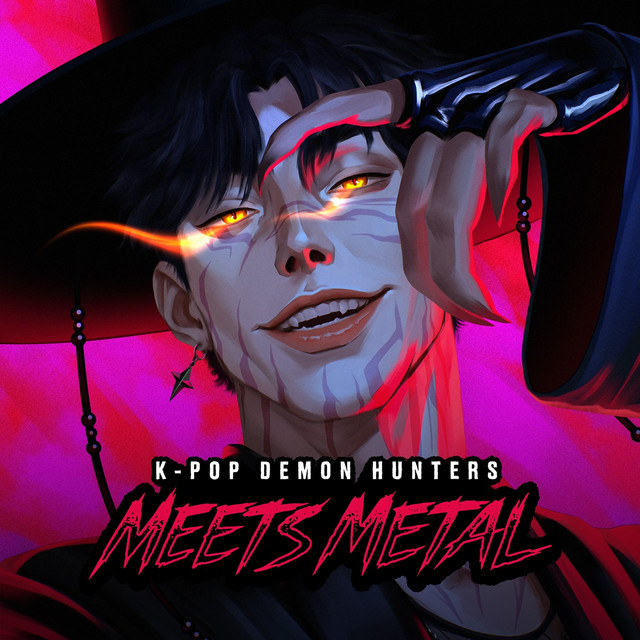
KPop Demon Hunters Meets Metal
Jonathan Young
Pirate Metal
Metal
2025
1
/5
Your Idol (Metal Version)
Jonathan Young
Pirate Metal
2025
1
/5
Tyranids (Inspired By Warhammer 40k)
Jonathan Young
Pirate Metal
2024
1
/5
Imperium of Man (Inspired by Warhammer 40k)
Jonathan Young
Pirate Metal
2024
3
/5
Pink Pony Club
Jonathan Young
Pirate Metal
2018
3
/5
Unravel (Full Version)
Jonathan Young
Pirate Metal
Similar artists
3
/5
Alestorm
Pirate
Folk Metal
Power Metal
1
/5
Various Artists
Afro-Funk
Alternative Rock
Ambient
4
/5
Colm R. McGuinness
Pirate Metal
Celtic
Sea Shanty
4
/5
Powerwolf
Heavy Metal
Pirate Metal
Power Metal
4
/5
Miracle Of Sound
Antiviral Pop
Medieval Metal
Medieval
3
/5
Brothers of Metal
Folk Metal
Medieval Metal
Power Metal
4
/5
Assassin's Creed
Aussie Drill
Deep Soundtrack
Flint Sound
3
/5
Sean Dagher
Aussie Drill
Pirate Metal
Reparto
3
/5
dArtagnan
Medieval Rock
Celtic Rock
Folk Metal
3
/5
Korpiklaani
Nordic Folk Metal
Viking Metal
Folk Metal
Download our mobile app
Get the Melodigging app and start digging for new genres on the go
Download on the App Store
Get it on Google Play
© 2026 Melodigging
Give feedback
Legal
Melodding was created as a tribute to
Every Noise at Once
, which inspired us to help curious minds keep digging into music's ever-evolving genres.