Genres
Artists
Albums
Make Music
Sign in
Sign in
Artists
Baroque Pop
Artists
Baroque Pop
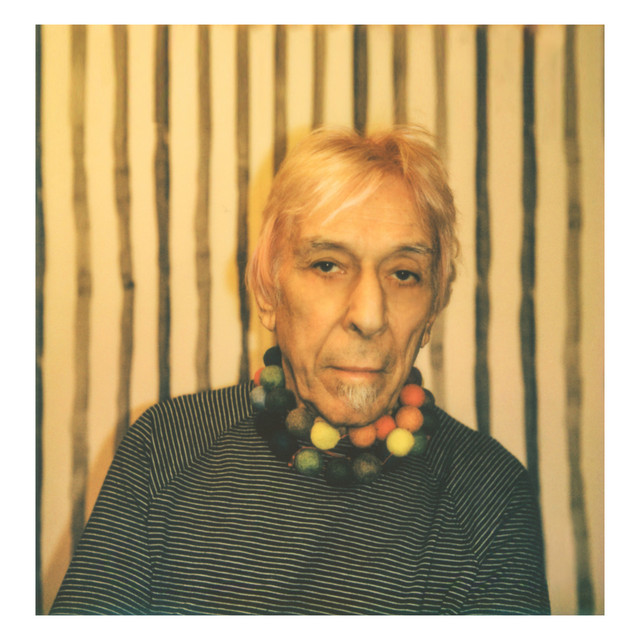
John Cale
1973–1992
·
2 albums
Listen
3
/5
Genres
Digital Horror
Digital horror is a contemporary horror aesthetic that focuses on dread emerging from networked technologies, software, and always‑on media. Narratives and sound worlds revolve around screens, social platforms, livestreams, malware, deepfakes, and the uncanny presence of algorithmic systems. In music and sound design, the style translates this fear of the digital into glitching textures, corrupted audio artifacts, synthetic drones, and the weaponization of familiar interface sounds (alerts, keyboards, notification pings). It often blends dark ambient, industrial noise, and hauntological sampling to suggest threats that live inside code, clouds, and data centers—consistent with the wider definition that emphasizes anxiety and supernatural menace arising from the Internet and modern media.
Discover
Listen
Indian Indie
Indian indie is the umbrella for independent, non-film music made in India across languages such as Hindi, English, and numerous regional tongues. It is defined more by its DIY production and artist-led release model than by a single sound. Musically, it spans indie pop and rock, folk-fusion, singer‑songwriter ballads, dream‑pop/shoegaze textures, and electronic‑leaning productions. Artists often blend Western harmony and song forms with raga‑tinged melodies, Indian rhythmic feels, and occasional use of traditional instruments like tabla, bansuri, or sitar. The scene grew rapidly with college festivals, small venues, and digital platforms (YouTube, streaming services, Bandcamp), plus boutique labels and festivals such as NH7 Weekender that created national visibility. Lyrically, it tends to be intimate and contemporary—touching on romance, urban life, identity, and nostalgia—while maintaining accessible hooks and warm, organic sonics.
Discover
Listen
Melancholia
Melancholia is an internet-era microgenre centered on soft-focus, sorrow-tinged pop and indie songs that foreground intimacy, space, and emotional candor. Tracks are typically slow to mid‑tempo, sung in a close, almost confessional register, and framed by sparse, reverb‑soaked textures. Sonically it lives between dream pop, bedroom pop, and slowcore: shimmering guitars or wistful synth pads drift over understated beats; piano, acoustic guitar, and low‑key electronic drums carry muted, pulsing grooves. Harmonies often favor minor keys, suspended chords, and gentle extensions (7ths/9ths) that heighten a bittersweet glow. Lyrically, melancholia lingers on solitude, late‑night self‑reflection, breakups, and fragile hope. The genre coalesced through streaming playlists and social media, where its hush, negative space, and diaristic tone translate into a cohesive, instantly recognizable mood.
Discover
Listen
Viral Pop
Viral pop is contemporary pop music engineered to spread quickly across social platforms and streaming algorithms. It prioritizes instantly memorable hooks, short runtimes, and highly quotable or trend‑friendly moments that work as 5–20 second snippets. Production ranges from minimal trap‑pop beats and bedroom‑pop intimacy to bright electropop sheen, but the unifying trait is hook‑first design and high replay value. Lyrically, it leans on direct, first‑person storytelling and relatable micro‑dramas that invite sing‑alongs, lip‑syncs, dances, and memes. The genre is as much about distribution logic (TikTok, Reels, Shorts) as it is about sound, with creators testing snippets before finishing songs and iterating based on audience response.
Discover
Listen
Meme
Meme is an internet-native umbrella genre for songs and audio clips that are created for, shaped by, or propelled through online meme culture. It blends humor, parody, and fast-turnaround production with infectious hooks designed to spread rapidly across platforms. Stylistically, meme music is eclectic. It can be rap, pop, EDM, rock, or mashup-driven collage; the common thread is comedic framing, referential lyrics, exaggerated vocal processing, and recognizable samples that cue shared online in-jokes. Tracks often favor short runtimes, bold punchlines, and instantly loopable sections optimized for social media. Because it thrives on virality rather than a fixed instrumentation set, meme functions as a meta-genre. It borrows techniques from mashup culture, YTPMV, soundclown, nightcore, and novelty/comedy traditions, while using platform-specific aesthetics from YouTube, SoundCloud, Vine, and TikTok.
Discover
Listen
Classical Crossover
Classical crossover blends elements of Western classical music with popular styles to create accessible, cinematic, and vocally forward repertoire. It typically keeps classical vocal technique or orchestral timbres while adopting pop song structures, contemporary production, and ear‑catching hooks. Arrangements often feature lush strings, piano, and choir, with dramatic dynamic arcs and key changes. Repertoire may include pop-influenced originals, classical themes with new lyrics, and reinterpretations of opera arias or film melodies, frequently sung in English, Italian, or Latin. The genre is designed for broad appeal without abandoning the polish and gravitas of classical performance, bridging concert hall aesthetics and mainstream listening contexts.
Discover
Listen
Baroque Pop
Baroque pop is a mid‑1960s fusion of contemporary pop/rock songwriting with the timbres, textures, and contrapuntal techniques of Baroque and broader European classical music. It is marked by harpsichord and piano doubling, string quartets or small orchestras, woodwinds (oboe, recorder, bassoon), French horn and piccolo trumpet colors, and melody‑forward arrangements that favor counter‑melodies and suspensions over riff‑based accompaniment. Harmonies tend to be richer than standard rock, with chromatic voice‑leading, circle‑of‑fifths motion, deceptive cadences, and occasional modulations. Production is usually lush and reverberant, supporting reflective, often nostalgic or romantic lyrics. Although it overlaps with orchestral pop and psychedelic pop, baroque pop is distinguished by its chamber‑scale instrumentation, Baroque idioms (basso continuo feel, ornamented lines), and the way classical elements are woven into compact pop song forms.
Discover
Listen
Art Rock
Art rock is a branch of rock music that treats the studio and the album as spaces for artistic experimentation, emphasizing conceptual ideas, ambitious arrangements, and cross-pollination with modernist and avant-garde traditions. It typically favors extended song forms, thematic or conceptual unity, and non-standard instrumentation (strings, woodwinds, synthesizers) alongside rock’s core band setup. Lyrically, it leans toward literary, surreal, or philosophical subjects and often adopts theatrical presentation. Where mainstream rock centers on immediacy and hooks, art rock embraces risk: unusual time signatures, timbral exploration, complex harmony, tape and electronic manipulation, and interludes that draw from classical, jazz, minimalism, and experimental music.
Discover
Listen
Proto-Punk
Proto-punk is a catch-all term for the raw, stripped-down rock that immediately preceded and inspired punk rock. It favors abrasive guitar tones, primitive drumming, short song forms, shouted or deadpan vocals, and lyrics steeped in alienation, anti-establishment anger, and street-level realism. Emerging from 1960s garage rock, avant-leaning art rock, and hard-edged rhythm & blues, proto-punk connected the chaos of early rock and roll with the urgency of the 1970s punk explosion. Its sound ranges from the Detroit ferocity of The Stooges and MC5 to the arty minimalism and noise experiments of The Velvet Underground.
Discover
Listen
Singer-Songwriter
Singer-songwriter is a song-focused style in which the same person writes, composes, and performs their own material, often accompanying themselves on acoustic guitar or piano. It emphasizes personal voice, lyrical intimacy, and storytelling over elaborate production. Arrangements are typically sparse, allowing the melody, words, and performance nuance to carry the song’s emotional weight. While rooted in folk and blues traditions, singer-songwriter embraces pop and rock songcraft, producing works that can range from quiet confessional ballads to subtly orchestrated, radio-ready pieces.
Discover
Listen
Art Pop
Art pop is a strand of pop music that treats the pop song as a canvas for high-concept ideas, experimental techniques, and cross-media aesthetics. It marries accessible melodies and hooks with the visual culture of art schools, the conceptual rigor of the avant-garde, and the studio-as-instrument ethos. Sonically, art pop favors eclectic instrumentation (synths, orchestral timbres, guitars, found sounds), unusual song forms, and sophisticated harmony. It often employs collage, musique concrète–like textures, and theatrical vocal delivery while still keeping a pop-facing surface. Beyond sound, art pop is deeply visual and conceptual: albums are framed as coherent artworks, stagecraft and video are integral, and lyrics tend toward intertextuality, character work, irony, and social commentary. The result is pop that is both immediate and idea-driven.
Discover
Listen
Drone
Drone is a minimalist music genre defined by sustained tones, long durations, and extremely gradual change. Harmony is often static or centered on a single fundamental with subtle overtone shifts, while rhythm tends toward stasis or very slow pulses. Sound sources range from acoustic instruments (e.g., strings, organ, bagpipes, shruti box, tambura) to electronics (sine waves, oscillators, feedback, tape loops, and later digital synthesis and processing). Many composers favor just intonation or other alternative tuning systems to emphasize beating patterns, psychoacoustic effects, and the internal life of sound. Although drone as a sonic principle is ancient and global, the modern experimental genre cohered in the 1960s through the New York minimalists and related avant‑garde circles, then spread into ambient, experimental, and heavy music scenes. The focus is less on melody and more on timbre, resonance, and the phenomenology of listening.
Discover
Listen
Rock
Rock is a broad family of popular music centered on amplified instruments, a strong backbeat, and song forms that foreground riffs, choruses, and anthemic hooks. Emerging from mid‑20th‑century American styles like rhythm & blues, country, and gospel-inflected rock and roll, rock quickly expanded in scope—absorbing folk, blues, and psychedelic ideas—while shaping global youth culture. Core sonic markers include electric guitar (often overdriven), electric bass, drum kit emphasizing beats 2 and 4, and emotive lead vocals. Rock songs commonly use verse–chorus structures, blues-derived harmony, and memorable melodic motifs, ranging from intimate ballads to high‑energy, stadium‑sized performances.
Discover
Listen
Show all 13 genres
Albums
1992
1
/5
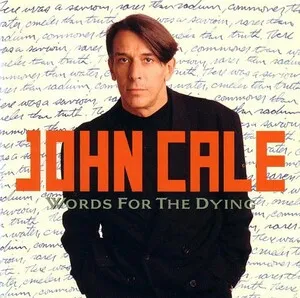
Words for the Dying
John Cale
Classical Crossover
1973
1
/5
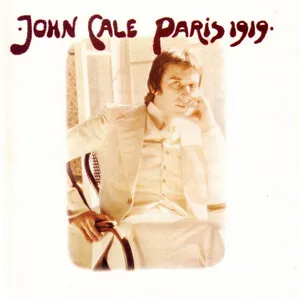
Paris 1919
John Cale
Baroque Pop
Similar artists
1
/5
Various Artists
Afro-Funk
Alternative Rock
Ambient
4
/5
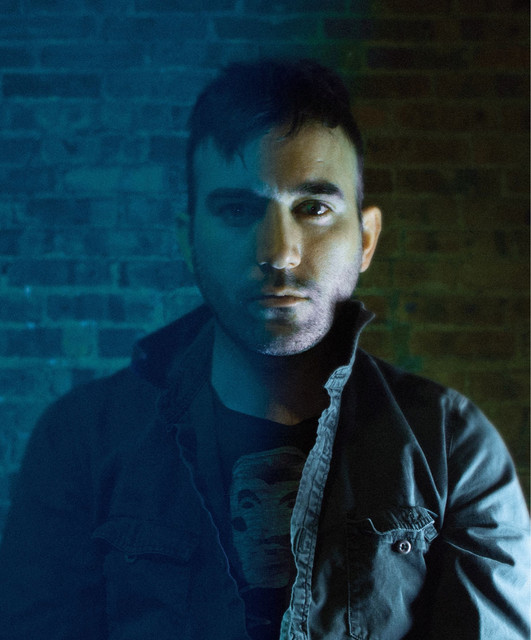
Sufjan Stevens
Singer-Songwriter
Chamber Pop
Indie Rock
4
/5
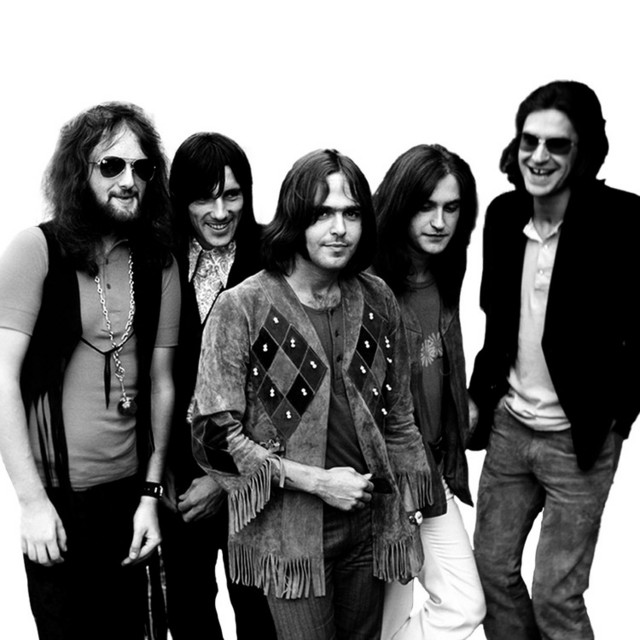
The Kinks
Baroque Pop
Proto-Punk
Pop Rock
4
/5
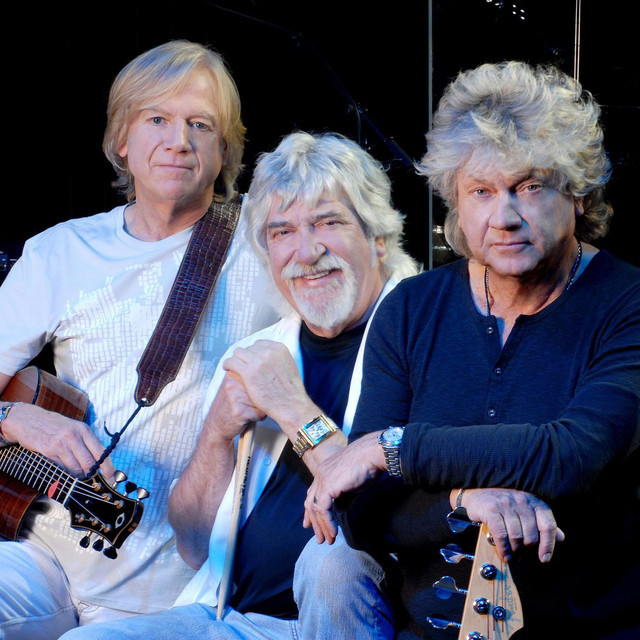
The Moody Blues
Baroque Pop
Progressive Rock
Art Rock
3
/5
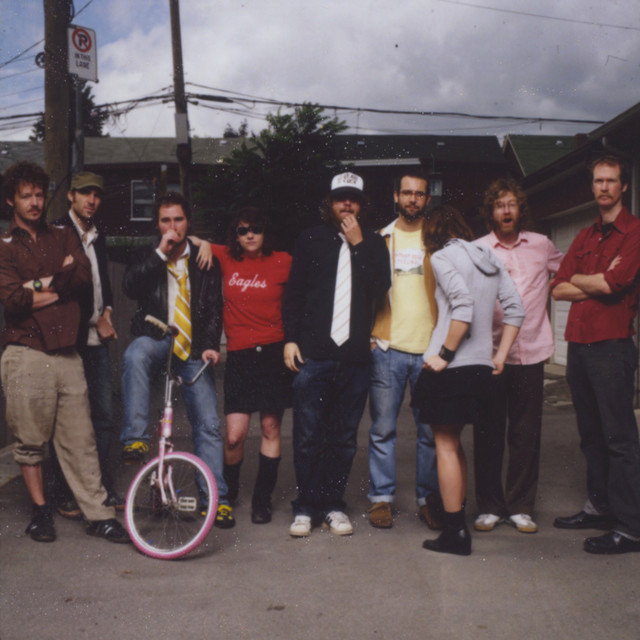
Broken Social Scene
Baroque Pop
Indie Rock
Indian Indie
4
/5
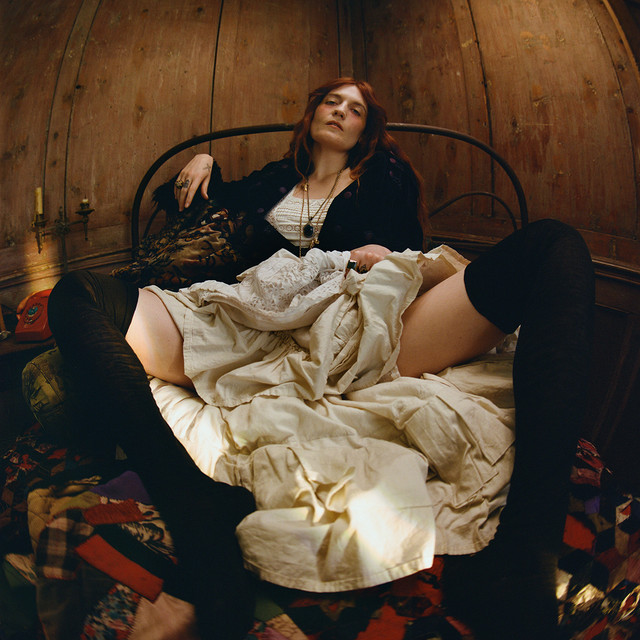
Florence + The Machine
Baroque Pop
Uk Alternative Pop
Neo Mellow
4
/5
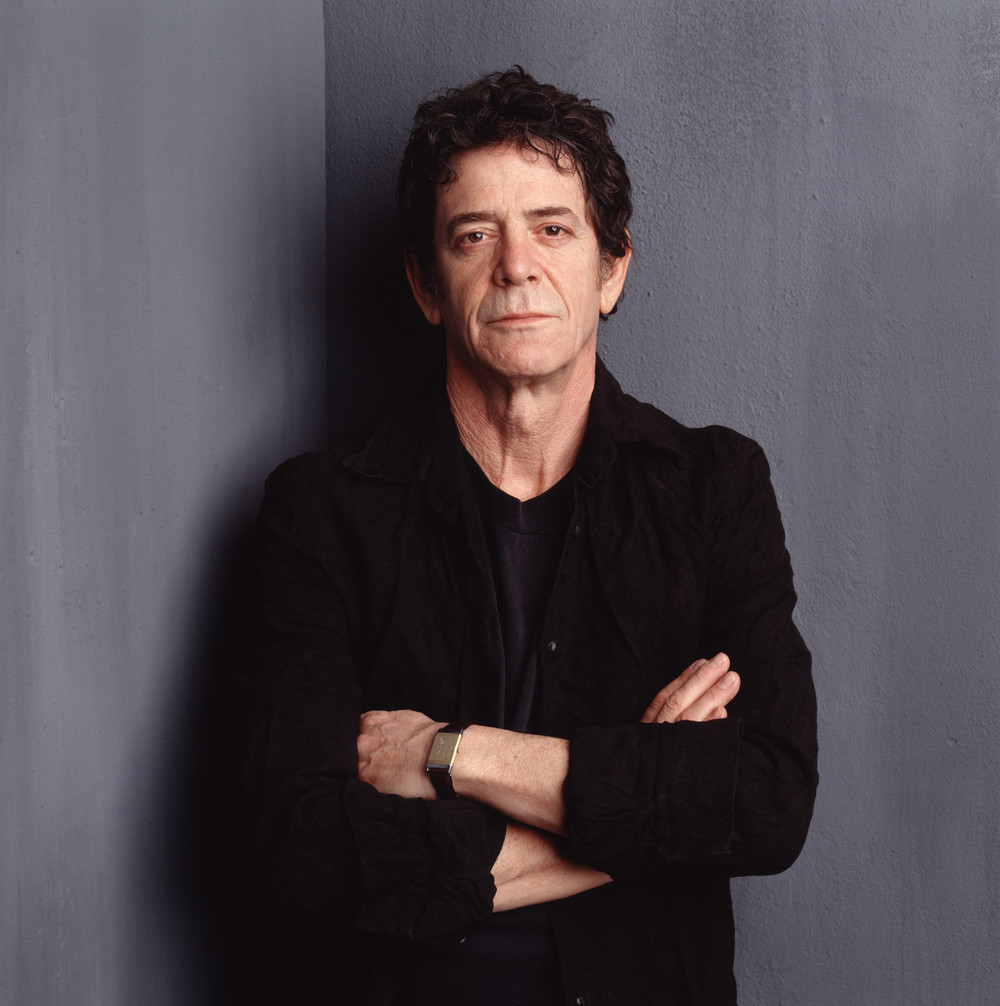
Lou Reed
Art Rock
Proto-Punk
Glam Rock
5
/5
David Bowie
Art Rock
Rock
Glam Rock
4
/5
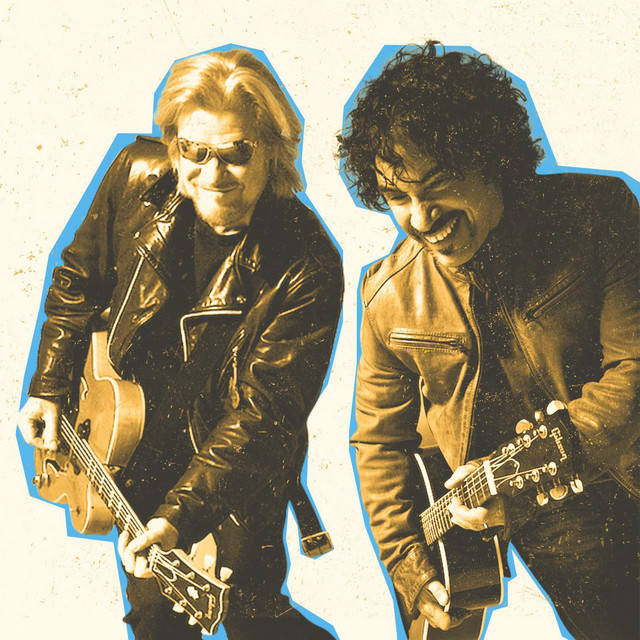
Daryl Hall & John Oates
Blue-Eyed Soul
Pop Rock
Pop
4
/5
Nine Inch Nails
Cyberpunk
Industrial
Industrial Rock
Download our mobile app
Get the Melodigging app and start digging for new genres on the go
Download on the App Store
Get it on Google Play
© 2026 Melodigging
Give feedback
Legal
Melodding was created as a tribute to
Every Noise at Once
, which inspired us to help curious minds keep digging into music's ever-evolving genres.