Genres
Artists
Albums
Make Music
Sign in
Sign in
Artists
Acid House
Artists
Acid House
Jerobeam Fenderson
2016
·
1 album
Listen
2
/5
Genres
Data Sonification
Data sonification is a practice and genre in which numerical or categorical datasets are mapped to sound so that patterns in the data are perceived as musical structure. It differs from simple parameter automation by letting the data itself determine pitch, rhythm, dynamics, timbre, and spatial behavior through clearly defined mappings. Works range from direct audification of scientific signals (e.g., seismic or astronomical measurements) to carefully designed parameter mappings and model-based approaches that translate complex, multivariate datasets into layered sonic textures. Because it sits at the intersection of art, science, and design, data sonification is used both for aesthetic expression and for communicating or revealing structure in data that might be hard to see visually.
Discover
Listen
Acid House
Acid house is a subgenre of house music defined by the squelching, modulated basslines of the Roland TB-303 bass synthesizer-sequencer, typically set against a steady 4/4 drum pattern. It emerged in the mid-1980s club culture of Chicago, with formative 303 experiments credited to artists like Phuture and Sleezy D around 1986, and parallel early-1980s experiments occasionally cited in Mumbai’s nascent electronic scene. The style emphasizes hypnotic repetition, filter resonance, accent/slide programming, and minimalist arrangements that build intensity through real-time knob-tweaking rather than harmonic complexity.
Discover
Listen
Techno
Techno is a four-on-the-floor, machine-driven form of electronic dance music that emerged in mid-to-late 1980s Detroit. It is characterized by steady 4/4 kick drums, repetitive and hypnotic rhythmic patterns, synthetic timbres, and an emphasis on texture, groove, and forward momentum over elaborate harmony. Producers typically use drum machines, sequencers, and synthesizers to build layered percussion, pulsing basslines, and evolving motifs. While often dark and minimalistic, techno spans a wide spectrum—from soulful, futuristic Detroit aesthetics to hard, industrially tinged European strains—yet it consistently prioritizes kinetic energy for dancefloors and a sense of machine futurism.
Discover
Listen
Noise
Noise is an experimental music genre that uses non-traditional sound sources, distortion, feedback, and extreme dynamics as primary musical materials. Instead of emphasizing melody, harmony, or conventional rhythm, it focuses on texture, density, timbre, and the physical presence of sound. Practitioners sculpt saturated walls of sound, piercing feedback, metallic clatter, contact-mic scrapes, tape hiss, and electronic interference into works that can be confrontational or meditative. Performances often highlight process and immediacy—improvisation, body movement, and site-specific acoustics—while recordings can range from lo-fi cassette overload to meticulously layered studio constructions. Though rooted in early avant-garde ideas, the genre coalesced as a distinct practice in the late 1970s and 1980s, especially through Japan’s ‘Japanoise’ scene, and subsequently influenced numerous styles across industrial, punk-adjacent, and experimental electronic music.
Discover
Listen
Sound Art
Sound art is an interdisciplinary practice that treats sound itself as the primary artistic material, often prioritizing listening, space, and context over conventional musical form. It commonly appears as installations, sculptures, site‑specific works, and conceptual pieces presented in galleries, museums, and public spaces rather than on a traditional stage. Rather than focusing on melody, harmony, or beat, sound art emphasizes timbre, texture, perception, and spatialization. Works may use field recordings, environmental sound, feedback, room acoustics, silence, psychoacoustic phenomena, or generative and interactive systems. The listener’s movement, the architecture, and the social environment frequently become integral to the piece, encouraging attentive, situation‑based listening.
Discover
Listen
Electronic
Electronic is a broad umbrella genre defined by the primary use of electronically generated or electronically processed sound. It encompasses music made with synthesizers, drum machines, samplers, computers, and studio/tape techniques, as well as electroacoustic manipulation of recorded or synthetic sources. The genre ranges from academic and experimental traditions to popular and dance-oriented forms. While its sonic palette is rooted in electricity and circuitry, its aesthetics span minimal and textural explorations, structured song forms, and beat-driven club permutations. Electronic emphasizes sound design, timbre, and studio-as-instrument practices as much as melody and harmony.
Discover
Listen
Albums
2016
2
/5
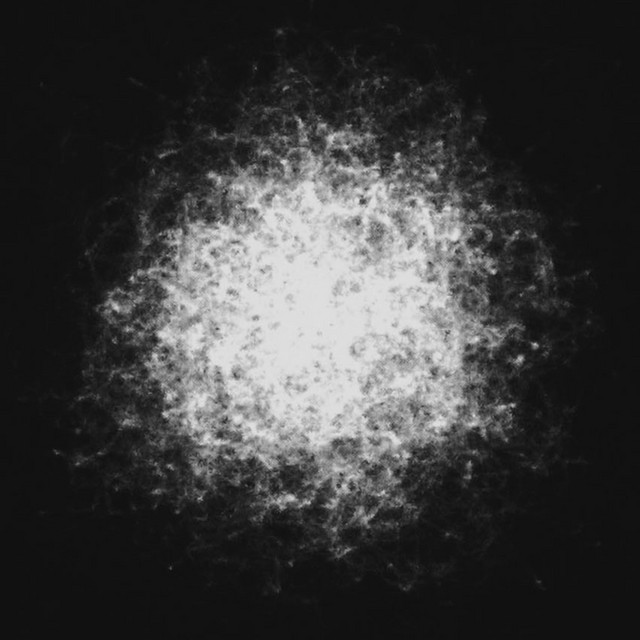
Oscilloscope Music
Jerobeam Fenderson
Data Sonification
Sound Art
Electronic
Similar artists
1
/5
Various Artists
Afro-Funk
Alternative Rock
Ambient
3
/5
William Basinski
Tape Music
Ambient
Sound Art
3
/5
Ryoji Ikeda
Microsound
Glitch
Sound Art
2
/5
Merzbow
Japanoise
Noise
Electronic
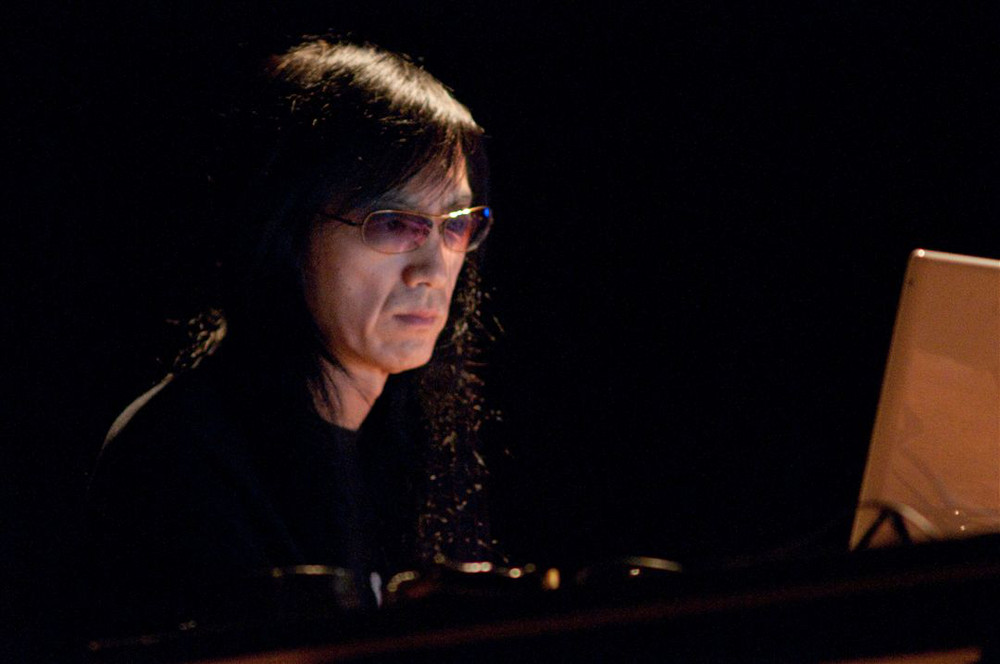
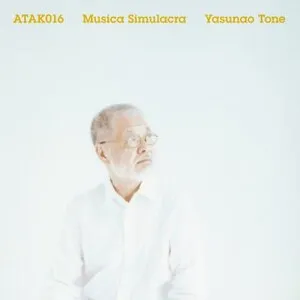
Tone, Yasunao
Data Sonification
Electronic
Noise
3
/5
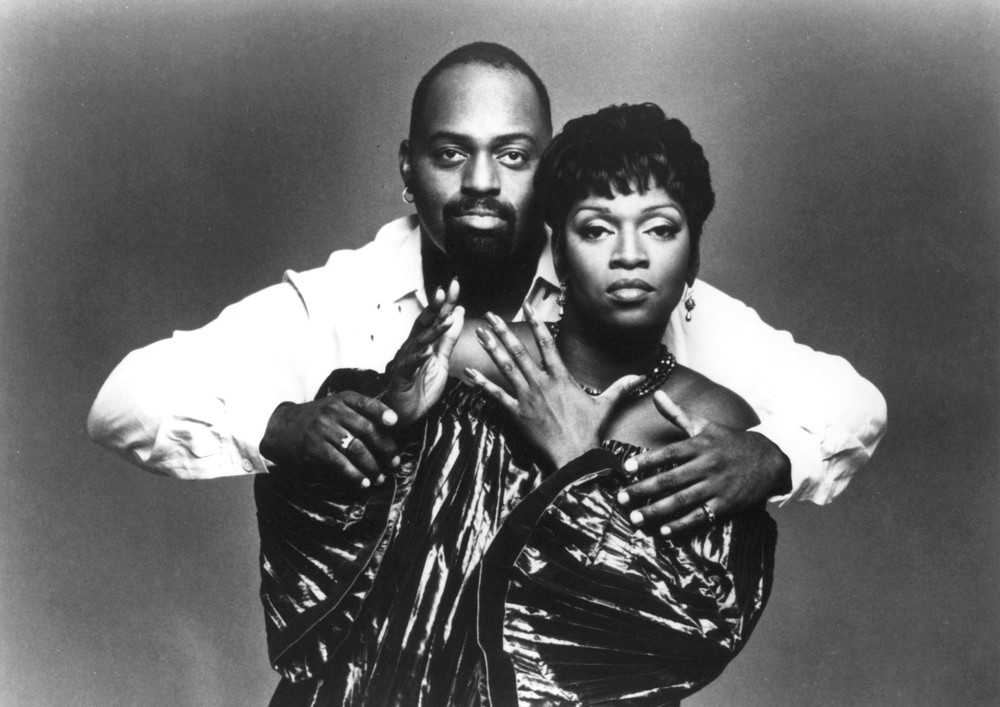
Inner City
Acid House
Chicago House
Diva House
3
/5
Orbital
Breakbeat
Idm
Electronic
3
/5
Felix Da Housecat
Chicago House
Electroclash
Acid House
3
/5
Frankie Knuckles
Chicago House
Acid House
Deep House
3
/5
Alabama 3
Acid House
Melancholia
Dance-Rock
Download our mobile app
Get the Melodigging app and start digging for new genres on the go
Download on the App Store
Get it on Google Play
© 2026 Melodigging
Give feedback
Legal
Melodding was created as a tribute to
Every Noise at Once
, which inspired us to help curious minds keep digging into music's ever-evolving genres.