Genres
Artists
Albums
Make Music
Sign in
Sign in
Artists
Chicago House
Artists
Chicago House
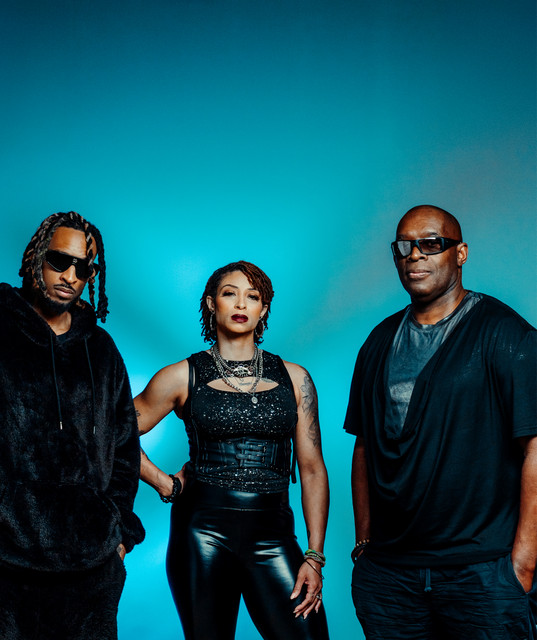
Felix Da Housecat
2001–2017
·
3 albums
Listen
3
/5
Genres
Future Rave
Future rave is an electronic dance music style popularized by David Guetta and MORTEN that fuses the dark, muscular drive of techno with the euphoric tension-and-release of trance and the festival scale of big room house. It typically sits around 126–130 BPM, uses minor-key progressions, saturated supersaw leads, reese/rolling basslines, chunky offbeat stabs, and cinematic build-ups. The sonic palette favors gritty, modern sound design (distorted yet controlled), 909/modern drum kits, and atmospheric FX that enhance a nocturnal, high-stakes mood. Unlike brighter, pop-facing EDM, future rave keeps a moody, industrial sheen while still delivering emotional, hands-in-the-air breakdowns and anthemic toplines.
Discover
Listen
Tulum
Tulum is a contemporary electronic dance music sound that crystallized around the boutique party scene in Tulum, Mexico, during the 2010s. It blends deep, organic house grooves with downtempo sensibilities, hand-played percussion, and "world"-leaning timbres such as oud, bansuri, handpan, and Latin guitar. The style favors warm, analog textures; modal, minor-key harmonies (often Dorian or Phrygian); long, reverb-washed atmospheres; and subtle, mantra-like vocals or chants. Tempos usually sit between 112–120 BPM, with earthy polyrhythms and shuffling, Afro- and Latin-influenced percussion propelling a hypnotic four-on-the-floor. Aesthetically, the Tulum sound is associated with sunrise/sunset beach settings, bohemian design, and a wellness-forward, festival-adjacent culture. Musically it overlaps with the broader “organic house/downtempo” movement while retaining a distinctly tropical, ritualistic character.
Discover
Listen
Dark Disco
Dark disco is a mid‑tempo, nocturnal strain of club music that fuses the hypnotic pulse of disco with the grit of post‑punk, EBM, coldwave, and industrial. It favors ominous basslines, minor‑key harmonies, reverb‑soaked guitars and vocals, and analog synth textures, resulting in a moody, cinematic atmosphere that is equally suited to sweaty basements and late‑night festival stages. Tempos typically sit between 105–120 BPM, with emphasis on groove, tension, and shadowy drama rather than maximal speed or brightness.
Discover
Listen
Britpop Revival
Britpop revival is a 21st‑century resurgence of the bright, catchy guitar‑based British pop/rock associated with 1990s Britpop. Bands in this style channel the melodic immediacy, sing‑along choruses and wry, everyday storytelling of classic Britpop, itself rooted in 1960s British pop and mod. The sound typically features chiming or crunchy guitars, prominent hooks, mid‑to‑up‑tempo backbeats and anthemic refrains that celebrate local identity and ordinary life. Culturally, Britpop revival leans on nostalgia for the "Cool Britannia" moment while updating production sheen and festival‑ready dynamics, often positioning itself as a lively, communal alternative to darker indie trends.
Discover
Listen
Channel Pop
Channel pop is a digital-era strain of mainstream pop shaped by video and creator platforms—especially YouTube and later TikTok and Instagram—where artists build audiences through frequent uploads on their own “channels.” Musically it favors intimate, highly polished but close-mic’d vocals, acoustic guitar or piano-led arrangements, restrained beats, and succinct, playlist-friendly structures. Many releases are cover-first (reimagining recent chart hits) with a steady flow of glossy singles, session-style performances, and creator collaborations that gradually blend into original material. Titles, artwork, and release cadence are optimized for search and recommendation algorithms, yielding a sound that is simultaneously personal and platform-aware.
Discover
Listen
Nightrun
Nightrun is a synthwave-adjacent microgenre built for the sensation of cruising through a neon-lit city at night. It blends retro-’80s analog synth timbres, melodramatic minor-key harmonies, and steady four-on-the-floor or motorik grooves with a glossy, cinematic finish. Compared to broader synthwave, nightrun tends to be slightly leaner and more driving: pulsing bass arpeggios, gated snares, and shimmering pads frame soaring lead melodies that evoke nocturnal highways, sodium lights, and distant horizons. Tempos typically sit in the midtempo range (about 85–110 BPM), with arrangements that rise and fall like a night drive—quiet intros, long cruising sections, and cathartic choruses. Aesthetically, it borrows the neon futurism of 1980s action and thriller soundtracks, while adopting modern production sheen and sidechain pumping. The result is danceable yet reflective electronic music tailored to late-night motion and nostalgic escapism.
Discover
Listen
Peak Time Techno
Peak time techno is a high-impact, festival-ready strain of techno crafted for the most energetic moments of a set. It emphasizes driving, rolling grooves; big-room dynamics; and tension-and-release structures designed to move large dance floors. Typically running around 128–135 BPM in 4/4, it features saturated, punchy kicks, rumbling low-end bass, insistent off-beat hats, rides, and dramatic risers and impacts. Musical content is often minimal and functional, with short motifs, stabs, and builds that funnel into cathartic drops rather than elaborate melodies. The sound and mix are optimized for large PA systems: wide stereo effects above the mids, a mono-focused sub, and arrangements with extended intros/outros for seamless DJ layering.
Discover
Listen
Psystyle
Psystyle is a hardstyle subgenre that blends the rolling, hypnotic basslines and acidic leads of psytrance with the punchy 150 BPM kicks, anthem-writing, and arrangement habits of modern hardstyle. Typically, a psystyle track opens with a DJ-friendly mid-intro driven by a psy-style rolling bass and syncopated percussive patterns, then pivots into hardstyle build-ups and drops powered by distorted kick-and-tail sound design. The result is high-energy, festival-ready music that feels both trancey and relentless, combining psychedelic timbres with big-room hard dance impact.
Discover
Listen
Bloghouse
Bloghouse is a mid-to-late 2000s internet-born strain of electro/house that thrived on MP3 blogs, Hype Machine charts, and MySpace-era sharing. Sonically it blends distorted, over-compressed electro-house with indie-dance and dance-punk attitude: crunchy saw leads, bit-crushed drums, four-on-the-floor kicks, pumping sidechain, and hyper-edited drops. Bootleg remixes and unofficial edits of indie bands were central, as was a high-energy, party-first approach geared for small clubs and warehouse floors. Culturally it was anchored by labels like Ed Banger and Kitsuné, a fluorescent “fluoro” aesthetic, and a DIY remix economy where tracks spread virally via blogs rather than traditional promo channels. The result is a loud, fun, irreverent sound that bridged indie scenes and the club mainstream.
Discover
Listen
Electroclash
Electroclash is a late-1990s/early-2000s fusion of 1980s synth-pop and new wave aesthetics with contemporary club-ready electro, techno, and house production. It pairs deadpan or detached vocals, sexually charged and ironic lyrics, and fashion-forward performance art with analog-sounding drum machines, biting synth basslines, and minimal, mechanical grooves. The style’s signature sound emphasizes retro timbres (saw/square leads, arpeggiators, vocoders), rigid four-on-the-floor or electro-funk rhythms, and a cool, decadent attitude that blurs underground club culture with pop spectacle.
Discover
Listen
Progressive House
Progressive house is a melodic, long-form strain of house music known for gradual builds, evolving textures, and a strong sense of tension and release. It favors hypnotic grooves, lush pads, and emotive chord progressions over abrupt drops. Typically sitting around 122–128 BPM in 4/4 time, tracks unfold over six to nine minutes, introducing small changes every few bars to keep momentum. The sound balances club-focused punch with cinematic atmosphere, making it equally at home in late-night dancefloors and long-form DJ sets.
Discover
Listen
Tech House
Tech house is a dancefloor-focused fusion of techno’s precision and house music’s groove. It emphasizes stripped‑back, percussive rhythms, rolling basslines, and clean, punchy drums, typically in the 120–130 BPM range. Compared to straight techno, tech house is funkier and more shuffle-oriented; compared to classic or deep house, it is darker, more minimal, and more machine-driven. Tracks often feature long DJ‑friendly intros/outros, subtle automation, sparse vocals or chopped one‑shots, and a strong emphasis on groove continuity over big melodic moments. Sound design favors tight 909/808-style drums, crisp open hats, snappy claps, subby or mid‑bass riffs, and understated stabs or chords. Modern tech house has broadened from its 1990s underground UK roots to global festival and club contexts, retaining its core identity of percussive drive and streamlined arrangements.
Discover
Listen
Big Beat
Big beat is a high-energy style of electronic dance music built around heavy, looped breakbeats, overdriven drums, and bold, riff-driven hooks. It typically blends hip hop sampling techniques with the attitude and instrumentation of rock, creating an immediately impactful, party-focused sound. Characterized by distorted basslines, chunky drum breaks, sirens, vocal shouts, and funk or rock samples, big beat favors maximalist, crowd-pleasing arrangements. It rose to mainstream prominence in the mid-to-late 1990s through UK acts who popularized it in clubs, on radio, and via music videos that emphasized its unruly, fun-loving aesthetic.
Discover
Listen
Electronica
Electronica is a broad, largely 1990s umbrella term for a spectrum of electronic music crafted as much for immersive, album‑oriented listening as for clubs and raves. It gathers elements from techno, house, ambient, breakbeat, IDM, and hip hop production, emphasizing synthesizers, drum machines, samplers, and studio experimentation. The sound can range from downtempo and atmospheric to hard‑hitting and breakbeat‑driven, but it typically foregrounds sound design, texture, and mood over strict dance‑floor utility. In the mid‑to‑late 1990s the term was used by labels and press—especially in the United States—to market and introduce diverse electronic acts to mainstream rock and pop audiences.
Discover
Listen
Chicago House
Chicago house is the original strain of house music that emerged from Chicago’s club scene in the mid to late 1980s. Built around a four-on-the-floor kick, syncopated hi‑hats, handclaps, and looping basslines from affordable drum machines and synths, it translated the energy of disco and boogie into a raw, hypnotic, DJ‑friendly format. The sound was forged by resident DJs and producers associated with venues like The Warehouse, Music Box, and Power Plant, as they extended and reworked soulful, gospel-tinged dance records into long, functional grooves. Early Chicago house is often sparse and gritty—driven by TR‑808/909 patterns, piano stabs, deep pads, and call‑and‑response vocals—designed first and foremost for the dance floor.
Discover
Listen
House
House is a dance music genre that emerged in Chicago in the early 1980s, defined by a steady four-on-the-floor kick drum, off-beat hi-hats, soulful or hypnotic vocals, and groove-centric basslines. Typical tempos range from 118–130 BPM, and tracks are structured in DJ-friendly 16–32 bar phrases designed for seamless mixing. Drawing on disco’s celebratory spirit, electro-funk’s drum-machine rigor, and Italo/Hi-NRG’s synth-led sheen, house prioritizes repetition, tension-and-release, and communal energy on the dancefloor. Its sound palette often includes 808/909 drums, sampled or replayed disco/funk elements, filtered loops, piano/organ stabs, and warm, jazzy chords. Over time, house diversified into many substyles—deep house, acid house, French house, tech house, progressive house, and more—yet it remains a global foundation of club culture, known for emphasizing groove, inclusivity, and euphoria.
Discover
Listen
Techno
Techno is a four-on-the-floor, machine-driven form of electronic dance music that emerged in mid-to-late 1980s Detroit. It is characterized by steady 4/4 kick drums, repetitive and hypnotic rhythmic patterns, synthetic timbres, and an emphasis on texture, groove, and forward momentum over elaborate harmony. Producers typically use drum machines, sequencers, and synthesizers to build layered percussion, pulsing basslines, and evolving motifs. While often dark and minimalistic, techno spans a wide spectrum—from soulful, futuristic Detroit aesthetics to hard, industrially tinged European strains—yet it consistently prioritizes kinetic energy for dancefloors and a sense of machine futurism.
Discover
Listen
Acid House
Acid house is a subgenre of house music defined by the squelching, modulated basslines of the Roland TB-303 bass synthesizer-sequencer, typically set against a steady 4/4 drum pattern. It emerged in the mid-1980s club culture of Chicago, with formative 303 experiments credited to artists like Phuture and Sleezy D around 1986, and parallel early-1980s experiments occasionally cited in Mumbai’s nascent electronic scene. The style emphasizes hypnotic repetition, filter resonance, accent/slide programming, and minimalist arrangements that build intensity through real-time knob-tweaking rather than harmonic complexity.
Discover
Listen
Synth-Pop
Synth-pop is a pop-oriented style that foregrounds the synthesizer as its primary instrument, often paired with drum machines and sequencers. It favors clean, melodic hooks, concise song structures, and a sleek, modernist sound that ranges from cool and minimal to lush and romantic. Emerging at the turn of the 1980s from the UK new wave and post-punk scenes, synth-pop leveraged affordable analog and then digital keyboards to bring electronic textures into the mainstream. Its sonic palette includes arpeggiated basslines, shimmering pads, bright leads, gated or machine-driven drums, and polished vocals that convey both futuristic detachment and emotional immediacy.
Discover
Listen
Electronic
Electronic is a broad umbrella genre defined by the primary use of electronically generated or electronically processed sound. It encompasses music made with synthesizers, drum machines, samplers, computers, and studio/tape techniques, as well as electroacoustic manipulation of recorded or synthetic sources. The genre ranges from academic and experimental traditions to popular and dance-oriented forms. While its sonic palette is rooted in electricity and circuitry, its aesthetics span minimal and textural explorations, structured song forms, and beat-driven club permutations. Electronic emphasizes sound design, timbre, and studio-as-instrument practices as much as melody and harmony.
Discover
Listen
Show all 20 genres
Albums
2017
1
/5
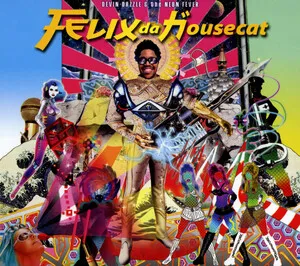
Devin Dazzle & the Neon Fever
Felix da Housecat
Bloghouse
Electronic
House
2001
1
/5
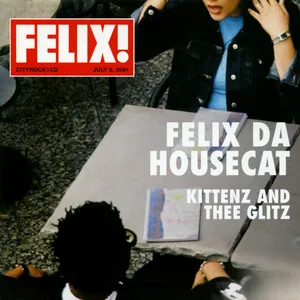
Kittenz and Thee Glitz
Felix da Housecat
Electroclash
Tech House
Electronic
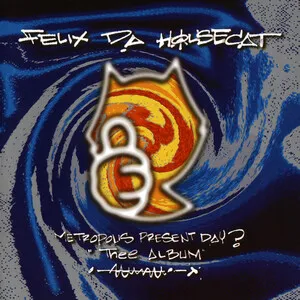
Metropolis Present Day? Thee Album!
Felix da Housecat
Chicago House
Similar artists
2
/5
Legowelt
West Coast Sound Of Holland
Acid House
Electronic
1
/5
Various Artists
Afro-Funk
Alternative Rock
Ambient
2
/5
Bizarre Inc
Chicago House
Acid House
Diva House
2
/5
Model 500
Techno
Acid House
Chicago House
1
/5
Nexus 21
Acid House
Chicago House
Wonky Techno
3
/5
Mr. Fingers
Chicago House
Electronic
House
3
/5
Mike Dunn
Acid House
Chicago House
Disco House
3
/5
Ron Trent
Broken Beat
Chicago House
Electronic
3
/5
Inner City
Acid House
Chicago House
Diva House
3
/5
Frankie Knuckles
Chicago House
Acid House
Deep House
Download our mobile app
Get the Melodigging app and start digging for new genres on the go
Download on the App Store
Get it on Google Play
© 2026 Melodigging
Give feedback
Legal
Melodding was created as a tribute to
Every Noise at Once
, which inspired us to help curious minds keep digging into music's ever-evolving genres.