Genres
Artists
Albums
Make Music
Sign in
Sign in
Artists
French Jazz
Artists
French Jazz
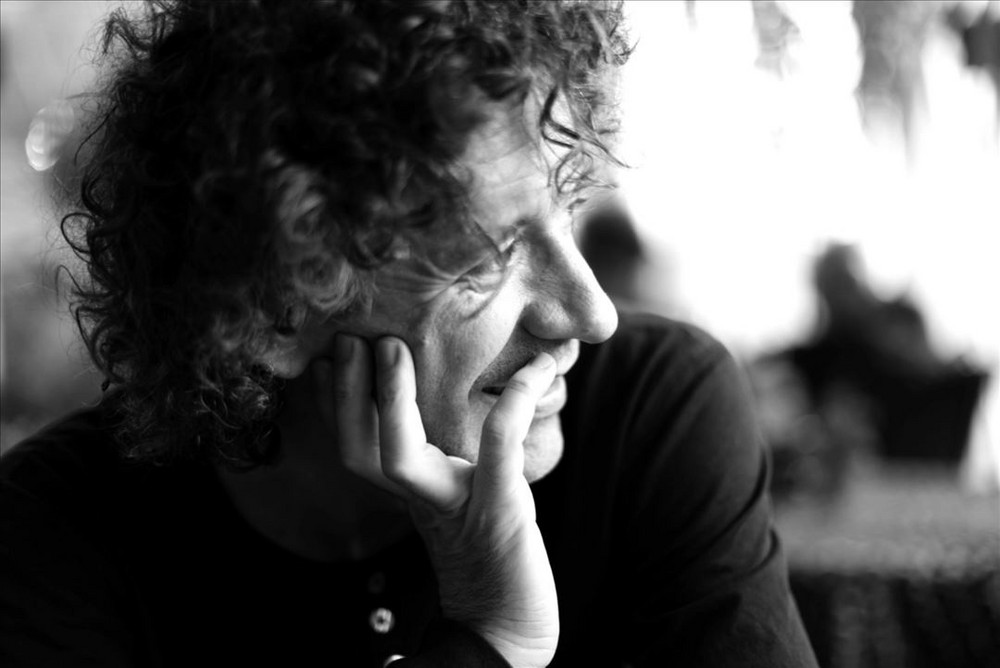
Jean-Louis Matinier
2014–2020
·
2 albums
Listen
1
/5
Genres
Jazz Accordion
Jazz accordion is a jazz practice that features the accordion—either piano accordion or chromatic button accordion—as a principal improvising and comping instrument. It adapts swing-time phrasing, bebop vocabulary, and modern jazz harmony to the bellows-driven mechanics of the accordion. The right hand typically carries melodic lines and solos, while the left hand provides bass motion and harmonic support, either via the traditional stradella bass system or a free-bass system that enables walking bass and rootless voicings. In European contexts the style often draws on musette waltzes and Parisian café idioms; elsewhere it readily blends with tango, Latin, and chamber-like small-group settings. The result ranges from fleet, guitar-like single‑note runs and elegant chord‑melody textures to luminous, reed‑choir timbres—capable of both lively swing and intimate, lyrical ballad playing.
Discover
Listen
French Jazz
French jazz is the French branch of jazz that took root in Paris and other urban centers after World War I, when African American musicians and touring bands introduced the music to a receptive café and cabaret culture. It blends American jazz idioms with French musical sensibilities, notably chanson, musette waltzes, and a refined classical ear for color and melody. Its sound ranges from the acoustic swing of the 1930s Hot Club style (guitar- and violin-led ensembles) to postwar bebop, cool and modal currents, free improvisation, and later fusions with chanson and electronic music. Hallmarks include lyrical, song-like themes, supple swing feels, elegant harmonic voicings, and, in some strands, the distinctive "la pompe" rhythm of manouche guitar and the timbre of accordion and violin. Today, French jazz encompasses both traditional and forward-looking approaches: intimate acoustic combos, orchestral and filmic jazz, and hybrid forms that intersect with nu jazz, electro-swing, and contemporary European improvisation.
Discover
Listen
Classical Accordion
Classical accordion is the use of the concert accordion (often a free-bass “convertor” accordion or Russian bayan) as a fully fledged classical instrument in solo, chamber, and concerto settings. Unlike folk, pop, or musette traditions, the classical accordion employs a free-bass left hand capable of single-note lines and full polyphony, allowing true four-part counterpoint and organ- or keyboard-like textures. The instrument’s bellows enable uniquely elastic phrasing and long, organ-like sustains, while registrational changes supply a palette ranging from reedy delicacy to orchestral weight. The repertoire spans baroque and romantic transcriptions, 20th‑century modernism, and a rich body of late‑20th and 21st‑century works written specifically for the instrument, frequently exploring extended techniques (bellows shakes, air-button noises, key/percussion effects) and, in contemporary settings, electronics.
Discover
Listen
Albums
2020
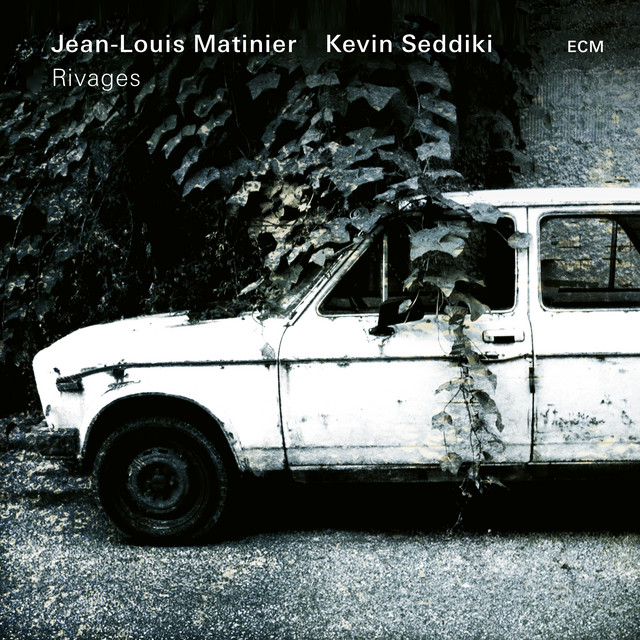
Rivages
Jean-Louis Matinier, Kevin Seddiki
Jazz Accordion
2014
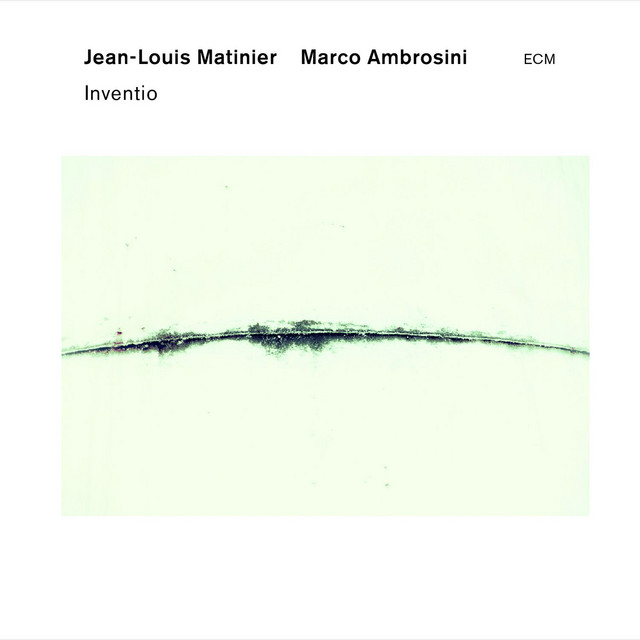
Inventio
Jean-Louis Matinier, Marco Ambrosini
Classical Accordion
Similar artists
2
/5
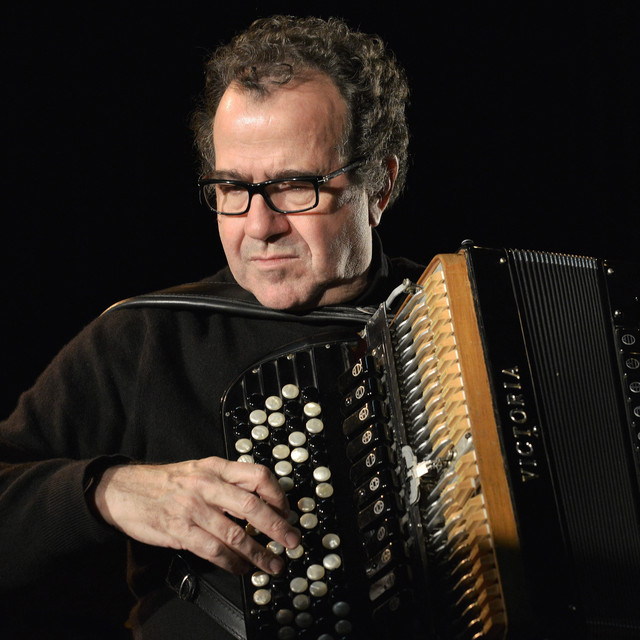
Richard Galliano
Musette
French Jazz
Jazz
2
/5
Gus Viseur
French Jazz
Jazz Accordion
Swing Musette
2
/5
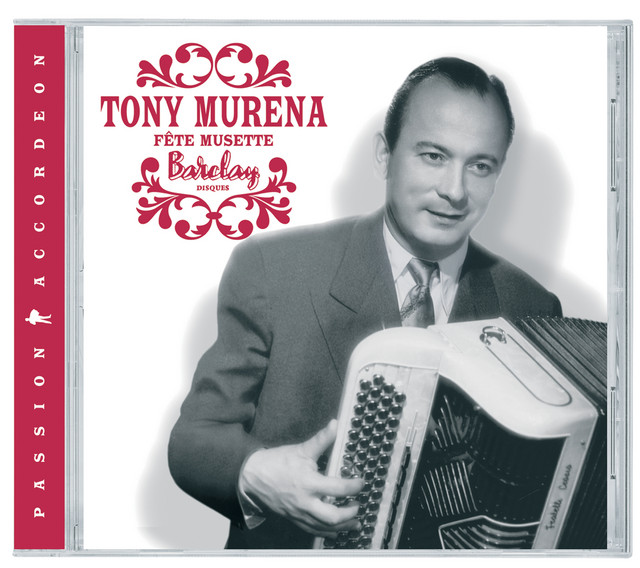
Tony Murena
French Jazz
Jazz Accordion
Swing Musette
1
/5
Marc Berthoumieux
French Jazz
Jazz Fusion
Jazz Accordion
1
/5
Hubert Deuringer
French Jazz
Orchestral
Swing
1
/5
Richard Galliano Septet
French Jazz
Tango
Jazz Accordion
4
/5
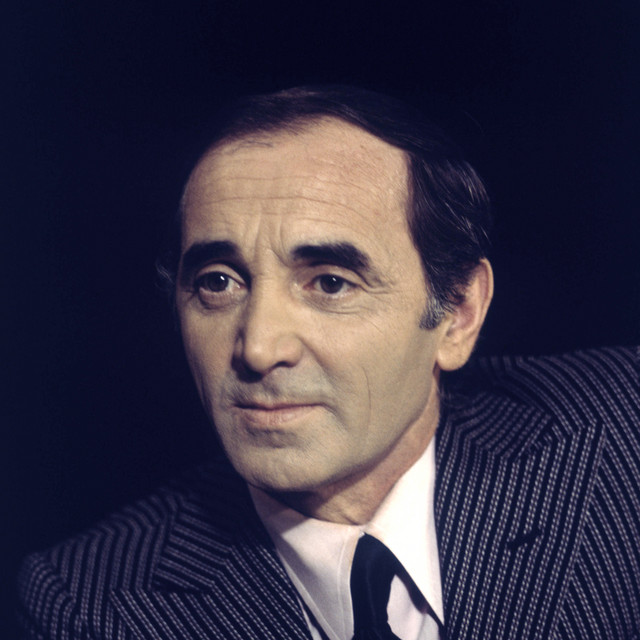
Charles Aznavour
Chanson Française
Pop
French Jazz
4
/5
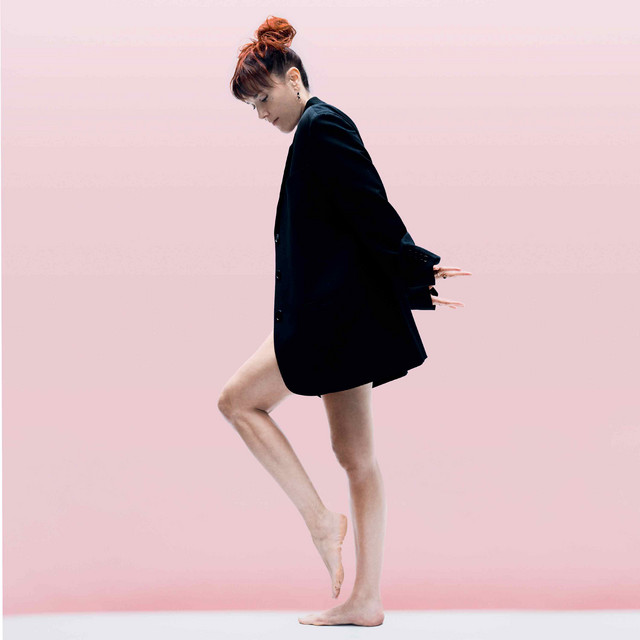
Zaz
French Jazz
Jazz
French Pop
4
/5
Melody Gardot
French Jazz
Jazz
Vocal Jazz
4
/5
Édith Piaf
Chanson Réaliste
Chanson Française
French Jazz
Download our mobile app
Get the Melodigging app and start digging for new genres on the go
Download on the App Store
Get it on Google Play
© 2026 Melodigging
Give feedback
Legal
Melodding was created as a tribute to
Every Noise at Once
, which inspired us to help curious minds keep digging into music's ever-evolving genres.