Genres
Artists
Albums
Make Music
Sign in
Sign in
Artists
Gnawa
Artists
Gnawa
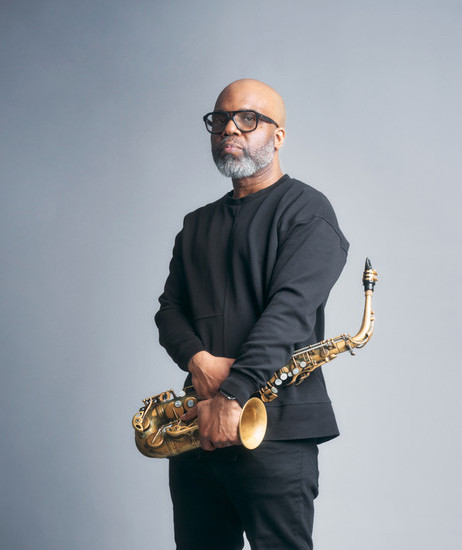
Jaleel Shaw
2008
·
1 album
Listen
3
/5
Genres
New Jazz
New Jazz is a contemporary subgenre of trap music that emerged from the underground SoundCloud scene. Despite its name, it is distinct from the 'Nu Jazz' of the 1990s. It is characterized by colorful, repetitive synthesizer melodies, often utilizing jazz-influenced 7th and 9th chords, paired with 'wonky' or off-kilter 808 basslines and bouncy, complex trap drum patterns. The sound is often described as psychedelic, playful, and experimental, bridging the gap between the aggression of Rage beats and the melodic sensibilities of Pluggnb.
Discover
Listen
Future Funk
Future funk is an internet-born dance microgenre that fuses the sample-heavy ethos of vaporwave with the upbeat grooves of disco, funk, and Japanese city pop. Producers typically chop and pitch up catchy hooks from late-1970s and 1980s records, loop them over four-on-the-floor drums, and apply filter sweeps and sidechain compression in the spirit of French house. The result is a sparkling, high-energy sound that feels both retro and forward-looking. Visually and culturally, the scene leans into neon-soaked, anime-tinged aesthetics and nostalgic party energy, turning classic pop and boogie flavors into compact, danceable edits tailored for the web era.
Discover
Listen
Vaporwave
Vaporwave is an internet-born microgenre and visual aesthetic that repurposes late‑20th‑century commercial sound—mu zak, smooth jazz, soft rock, synth‑pop, city pop, and corporate training tapes—into hazy, slowed, and looped collages. Its sound foregrounds pitched‑down samples, heavy reverb, tape hiss, vinyl crackle, and dreamy pads to evoke a mood between satire and sincere nostalgia. Beyond music, vaporwave is inseparable from its graphic language: Greco‑Roman busts, Japanese text, retro operating systems, chrome logos, palm trees, neon gradients, and “mall culture” architecture. The result feels like a haunted shopping mall: part critique of consumer capitalism, part wistful memory of media and retail spaces from the 1980s–2000s. Tempos are typically slow (roughly 60–90 BPM), harmonies tend toward lush seventh and extended chords, and rhythms range from barely perceptible loops to minimal, gated drum programming. Many tracks are short, vignette‑like studies in texture and mood.
Discover
Listen
Straight-Ahead Jazz
Straight-ahead jazz is a mainstream, acoustic jazz style that became clearly defined in the 1960s, drawing heavily on the swing, bebop, and hard bop language of the prior two decades. It generally avoids the rock backbeat and amplification associated with jazz-rock fusion, and it also avoids the open-ended, texture-based approaches of free jazz. Typical features include swinging ride-cymbal time, walking bass lines, conventional piano comping, head–solos–head song forms, and improvisation rooted in functional harmony (blues, rhythm changes, and standard song progressions). Ensembles are usually small groups (trio to sextet), with an emphasis on interaction, strong time feel, and clearly articulated melodic improvisation.
Discover
Listen
Jazz
Jazz is an improvisation-centered music tradition that emerged from African American communities in the early 20th century. It blends blues feeling, ragtime syncopation, European harmonic practice, and brass band instrumentation into a flexible, conversational art. Defining features include swing rhythm (a triplet-based pulse), call-and-response phrasing, blue notes, and extended harmonies built on 7ths, 9ths, 11ths, and 13ths. Jazz is as much a way of making music—spontaneous interaction, variation, and personal sound—as it is a set of forms and tunes. Across its history, jazz has continually hybridized, from New Orleans ensembles and big-band swing to bebop, cool and hard bop, modal and free jazz, fusion, and contemporary cross-genre experiments. Its influence permeates global popular and art music.
Discover
Listen
Gnawa
Gnawa is a spiritual, trance-based music of Morocco associated with the Gnawa brotherhoods, a community with roots in sub‑Saharan Africa and Sufi Islam. It centers on a deep, percussive bass lute called the guembri (also known as sintir or hajhuj), the bright metallic clatter of iron castanets (qraqeb/krakebs), unison handclaps, and call‑and‑response vocals. Performances often unfold in an all‑night ritual called a lila (derdeba), where cyclical 6/8 grooves and repetitive chants invite communal participation and induce a trance state. The repertoire invokes saints and ancestral spirits (mluk), moving through color-coded suites and intensifying rhythmic layers. While firmly rooted in West African rhythmic sensibilities, Gnawa also absorbs Maghrebi and Sufi aesthetics, producing a sound that is both devotional and intensely groove‑driven.
Discover
Listen
Albums
2008
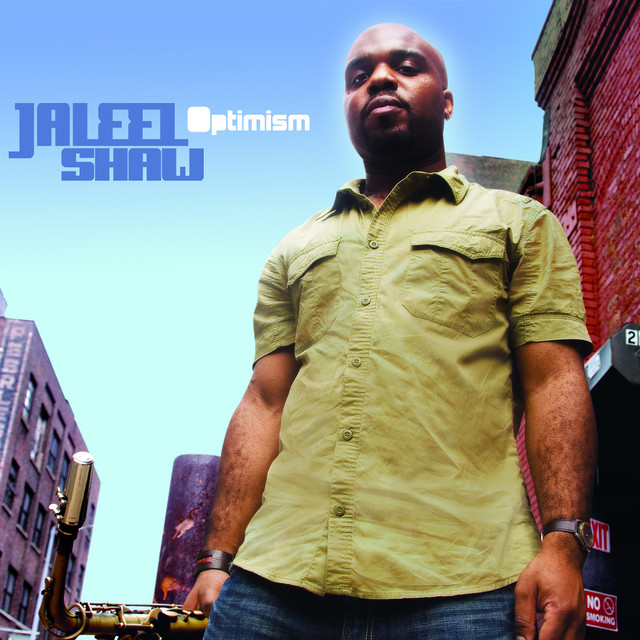
Optimism
Jaleel Shaw
Straight-Ahead Jazz
Similar artists
3
/5
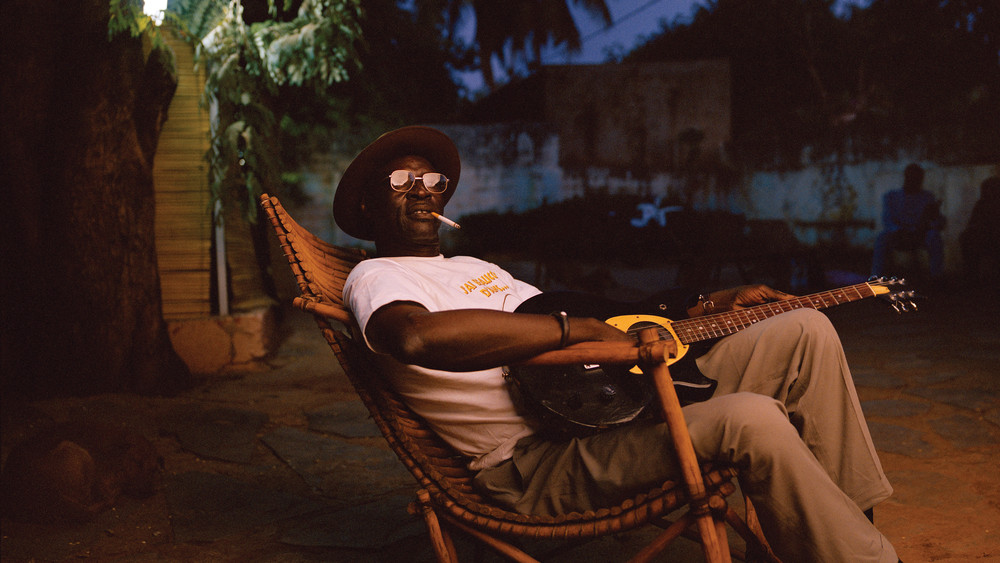
Ali Farka Touré
Blues
Songhai Music
Desert Blues
3
/5
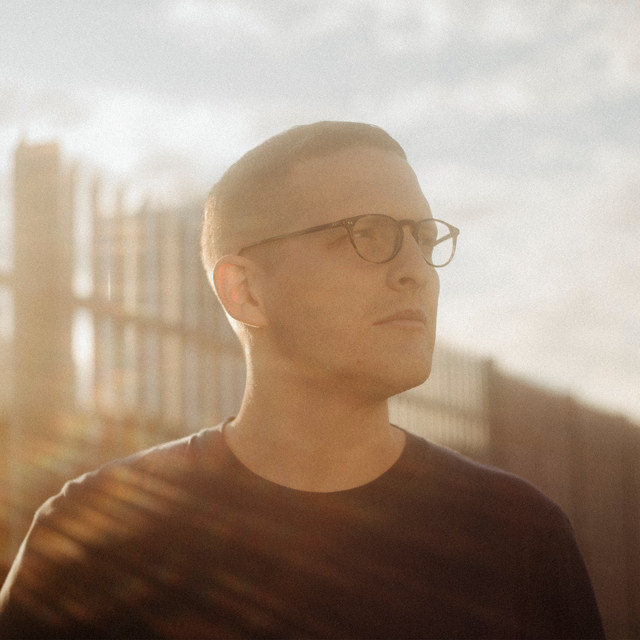
Floating Points
Electronic
Idm
Gnawa
3
/5
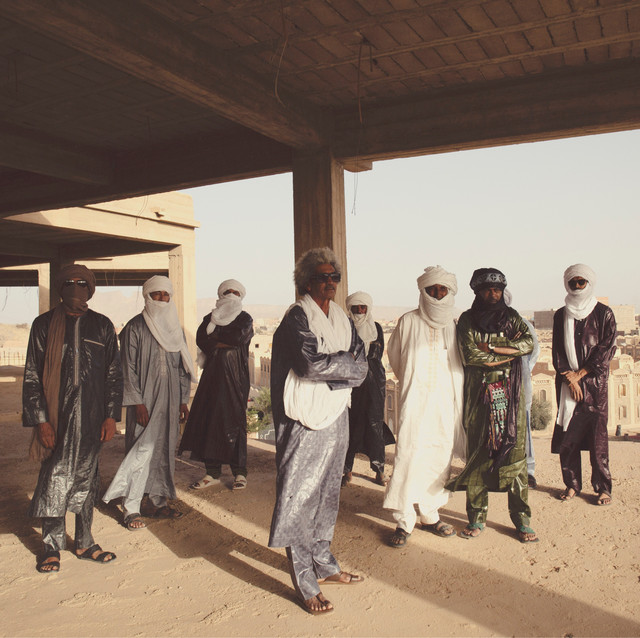
Tinariwen
Desert Blues
Musique Touareg
Tuareg Guitar
3
/5
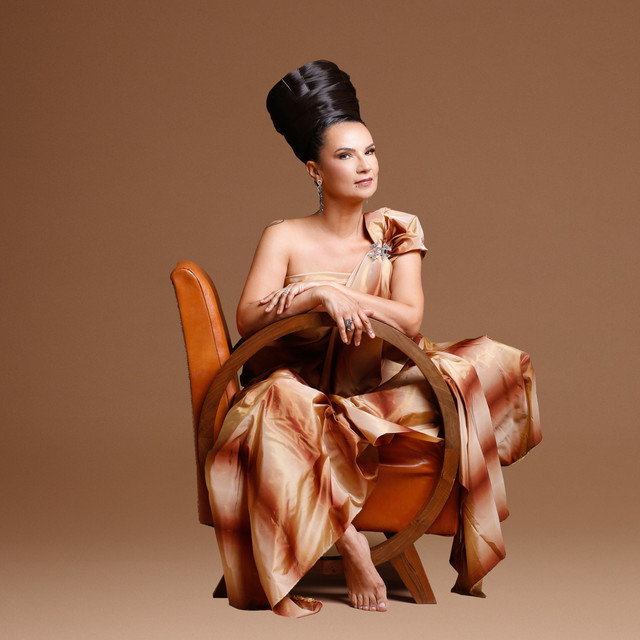
Oum
Jazz
Sahrawi Music
Arab Alternative
3
/5
Michael Wollny
Gnawa
Jazz
Contemporary Jazz
2
/5
Vincent Peirani
French Jazz
Gnawa
Jazz
2
/5
Iiro Rantala
Jazz
Gnawa
Neoclassicism
2
/5
Emile Parisien
French Jazz
Gnawa
Jazz
2
/5
Marcus Gilmore
Ambient Jazz
Experimental Jazz
Gnawa
2
/5
Adam Baldych
Gnawa
Jazz
Jazz Violin
Download our mobile app
Get the Melodigging app and start digging for new genres on the go
Download on the App Store
Get it on Google Play
© 2026 Melodigging
Give feedback
Legal
Melodding was created as a tribute to
Every Noise at Once
, which inspired us to help curious minds keep digging into music's ever-evolving genres.