Genres
Artists
Albums
Make Music
Sign in
Sign in
Artists
Gangsta Rap
Artists
Gangsta Rap
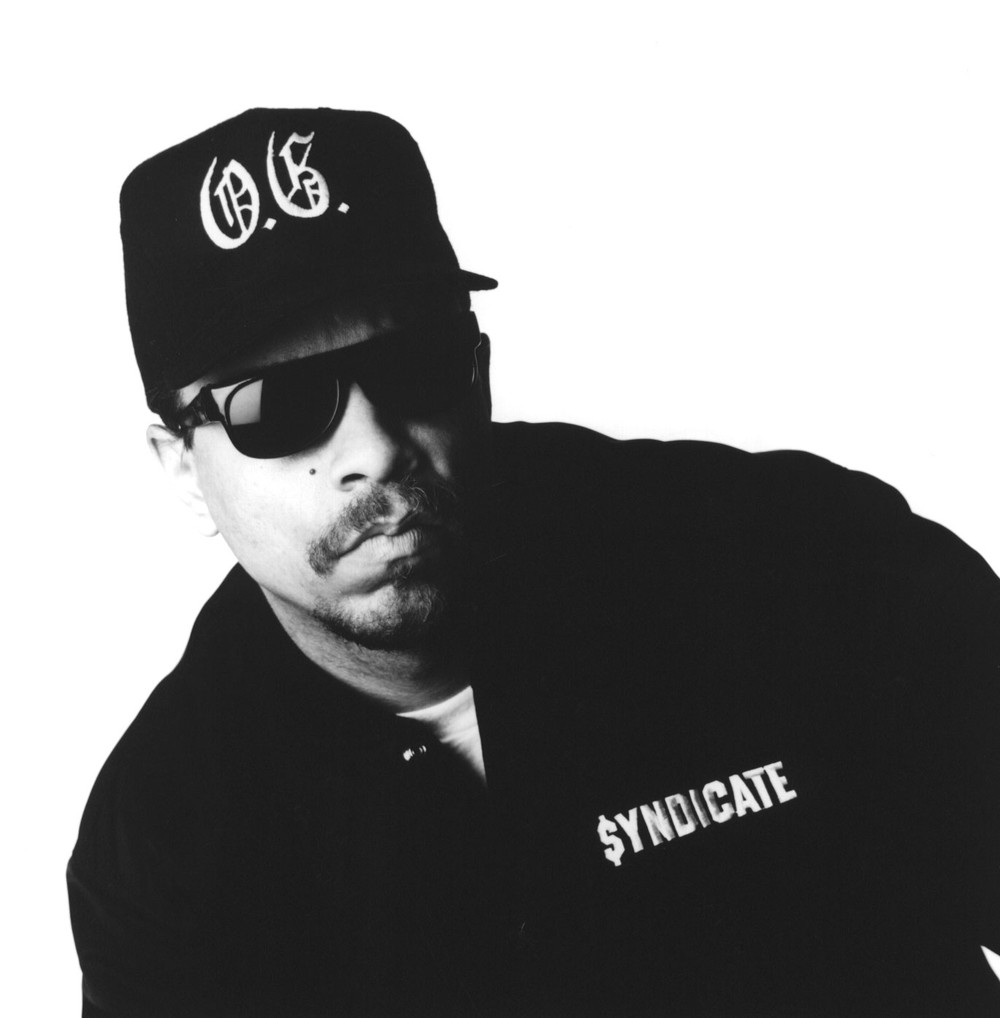
ICE-T
1987–2021
·
2 albums
Listen
3
/5
Genres
Nu-Metalcore
Nu‑metalcore (often nicknamed "nu‑core") blends the bounce, hip‑hop inflections, and downtuned groove of late‑1990s nu metal with the breakdown‑heavy aggression and precise syncopation of 2000s metalcore. Expect sharply gated, low‑tuned riffs, halftime drops, and elastic grooves that swing between punchy chugs and percussive, djent‑like accents. Vocals typically jump from harsh screams and pitched‑down growls to rap‑leaning cadences and hooky, melodic choruses. Electronic textures—turntable cuts, glitch edits, sub‑drops, and 808 layers—are common, supporting a glossy yet crushing modern production aesthetic. Lyrically, the style carries nu metal’s confessional angst and social frustration while adopting metalcore’s cathartic intensity and mosh‑centric energy. The result is a contemporary, club‑ready heaviness that feels both nostalgic and forward‑looking.
Discover
Listen
The Wave
The Wave is a loosely defined cluster of American post-hardcore/emo bands that surged in the early 2010s as emo-pop’s mainstream moment faded. The name was a tongue‑in‑cheek scene tag that stuck in press coverage, but it points to a real overlap in sound, ethos, and touring networks. Musically, The Wave fuses the urgency of 1990s post‑hardcore and screamo with confessional, literate lyric writing associated with emo. Expect shouted or half‑sung/half‑spoken vocals, dynamic quiet‑loud builds, intricate but driving drums, and guitar textures that shift between glassy clean arpeggios and overdriven, emotive climaxes. The songs often emphasize catharsis, narrative detail, and community-minded DIY presentation.
Discover
Listen
Downtempo Deathcore
Downtempo deathcore is an ultra-slow, hyper-heavy offshoot of deathcore that emphasizes crushing, half-time breakdowns, extreme low tunings, and bleak atmosphere. Instead of constant blast beats or fast tremolo, the style prioritizes spacious, syncopated chugs, sub‑drops, and long rests that make each hit feel catastrophic. Vocals typically lean on deep false‑cord gutturals, tunnel growls, and occasional pig squeals, with lyrical themes centered on nihilism, violence, despair, and street‑level realism. Production often layers 808 subs with kick drums, brickwall‑limited guitars, and sharp china/splash accents to maximize impact. Sparse dissonant leads, samples, and cinematic swells are used to deepen the ominous mood, while the groove remains slow, simple, and tactically punishing.
Discover
Listen
Hybrid Trap
Hybrid trap is an EDM subgenre that fuses Southern hip hop–derived trap rhythms and 808 low end with the sound-design intensity and drop-centric structure of dubstep and electro house. It typically runs at 75/150 BPM in a halftime feel, features skittering hi-hats and snare/clap hits on beat three, and pairs punchy 808 kick–sub combos with midrange growls, reese basses, screeches, and cinematic brass stabs. Producers lean heavily on modern synthesis, resampling, and aggressive processing (distortion, multiband compression, OTT) to craft dynamic, call-and-response drops suited to festival stages. Compared with “classic” EDM trap, hybrid trap places greater emphasis on dubstep-like bass design, complex fills, and theatrical builds, while retaining trap’s swaggering grooves and minimalistic, percussive motifs.
Discover
Listen
Post-Post-Hardcore
Post-post-hardcore is a polished, third-wave offshoot of post-hardcore that crystallized in the 2010s. It fuses the genre’s emotive, dynamic vocals and tension-release structures with modern pop hooks, electronic programming, and metalcore heft. Compared with classic post-hardcore, it favors glossy production, radio-leaning choruses, and hybridized textures—think syncopated djent-lite riffs under bright synths, EDM-style risers and drops, half-time breakdowns, and call-and-response vocals (screamed versus soaring cleans). The result is an accessible yet intense sound that thrives in the internet era of playlists, YouTube covers, and scene cross-pollination.
Discover
Listen
Gangsta Rap
Gangsta rap is a subgenre of hip hop defined by its gritty, street-level storytelling, first‑person narration, and unflinching depictions of crime, policing, poverty, and survival. It foregrounds a hard-hitting vocal delivery over sparse, heavy drum programming and sample-based grooves. Musically, it draws from the foundational elements of hip hop—looped breaks, funk basslines, and turntable aesthetics—while emphasizing menace, swagger, and cinematic detail. Lyrically, it alternates between reportage, braggadocio, social commentary, and personal testimony, often sparking controversy for its explicit content and political provocations. From mid‑1980s origins through the 1990s mainstream, gangsta rap reshaped both the sound and business of hip hop, influencing fashion, language, and global perceptions of urban America.
Discover
Listen
Golden Age Hip Hop
Golden age hip hop is the label commonly given to mainstream hip hop created from the mid/late 1980s through the early-to-mid 1990s, especially by artists from the New York metropolitan area. It is known for dense sample-based production, hard-hitting drum programming, and highly developed lyricism, including complex rhyme schemes, storytelling, battle rap, and socially conscious writing. The era is often described as unusually diverse and innovative, with producers sampling widely from funk, soul, jazz, rock, and spoken-word records, and with artists exploring themes ranging from party and braggadocio to politics and everyday urban life.
Discover
Listen
West Coast Hip Hop
West Coast hip hop is a regional style of hip hop that arose on the U.S. West Coast, especially in Los Angeles and the San Francisco Bay Area. It is known for its heavy funk-influenced grooves, prominent synthesizer leads, deep bass, and a laid-back but confident delivery. While the early scene mixed electro and old-school rap aesthetics, the late 1980s ushered in hard-edged street narratives associated with gangsta rap. In the early 1990s, Dr. Dre and peers popularized G-funk, a sleek, bass-heavy update that sampled and reinterpreted P-Funk. Later waves—from Bay Area mobb music and hyphy to Los Angeles “jerkin’” and ratchet—continued the region’s emphasis on catchy hooks, swagger, and club- and car-ready beats. Lyrically, West Coast hip hop ranges from party anthems and cruising music to vivid depictions of street life, social realities, and personal introspection, all delivered with distinctive regional slang and cadence.
Discover
Listen
West Coast Rap
West Coast rap is a regional style of hip hop that emerged in California in the early to mid‑1980s and came to worldwide prominence in the 1990s. Sonically, it leans on funk and R&B—especially 1970s P‑Funk—with elastic, melodic basslines, glossy synth leads, talkbox/vocoder hooks, and laid‑back but hard‑hitting drum programming. Rhythms typically sit around 85–100 BPM with a relaxed, behind‑the‑beat flow, crisp claps on 2 and 4, and deep, sustained 808 kicks. Lyrically, it ranges from street reportage and social commentary to cruising anthems and party records, often steeped in West Coast slang and car culture (lowriders, freeway cruising). The style encompasses Los Angeles/Compton/Long Beach as well as Bay Area aesthetics, later flowering into sub‑movements like G‑funk, hyphy, jerkin’, and ratchet.
Discover
Listen
Mid-School Hip Hop
Mid‑school hip hop marks the transition from the party‑oriented, band/DJ‑driven old school to the leaner, harder "new school" sound of the mid‑to‑late 1980s. It is characterized by heavy, stripped‑down drum‑machine beats (often from the Roland TR‑808, Oberheim DMX, or LinnDrum), punchy handclaps, sparse bass lines, aggressive, clearly enunciated MCing, and DJ cuts/scratches. Production emphasizes minimalism and impact: dry, forward vocals sit on top of tough, metronomic grooves with few melodic layers, sometimes punctuated by rock guitar stabs or short sampled riffs. Lyrically, mid‑school favors battle rhymes, braggadocio, party‑rocking hooks, and street reportage that set the stage for the Golden Age’s complexity.
Discover
Listen
Conscious Hip Hop
Conscious hip hop is a lyrical-driven branch of hip hop that foregrounds social commentary, political awareness, community uplift, and personal reflection. Rather than centering on party themes or braggadocio, it emphasizes messages about inequality, identity, justice, and everyday realities. Musically, the style tends to favor boom‑bap rhythms, soulful or jazz-inflected sampling, and stripped, head‑nod grooves that leave space for the words. While the sound palette can range from warm, sample-based beats to modern, cinematic production, the core value remains the same: clear, purposeful storytelling that aims to inform, provoke thought, and inspire change.
Discover
Listen
Hardcore Hip Hop
Hardcore hip hop is a confrontational, uncompromising strain of rap defined by aggressive vocal delivery, hard-hitting drum programming, and stark, sample-driven production. It prioritizes intensity over gloss, often minimizing melody in favor of dense drum breaks, sirens, noise textures, and dissonant stabs. Lyrically, it spans street reportage, social realism, political critique, and battle-ready braggadocio. The aesthetic foregrounds rawness—distorted drums, clipped samples, shouted hooks, and posse energy—while drawing deeply from funk and soul breakbeats, DJ techniques, and the boom-bap tradition.
Discover
Listen
Hip Hop
Hip hop is a cultural and musical movement that emerged from Black, Latino, and Caribbean communities, centering around rapping (MCing), DJing/turntablism, sampling-based production, and rhythmic speech over beats. It prioritizes groove, wordplay, and storytelling, often reflecting the social realities of urban life. Musically, hip hop is built on drum-centric rhythms (from breakbeats to 808 patterns), looped samples, and bass-forward mixes. Lyrically, it ranges from party anthems and braggadocio to political commentary and intricate poetic forms, with flow, cadence, and rhyme density as core expressive tools. Beyond music, hip hop encompasses a broader culture, historically intertwined with graffiti, b-boying/b-girling (breakdance), fashion, and street entrepreneurship, making it both an art form and a global social language.
Discover
Listen
Old School Hip Hop
Old school hip hop is the earliest commercially recorded form of hip hop and the original template for the culture’s recorded sound. The term generally refers to music made from the early Bronx party era of 1973 through roughly 1983, before the harder, more sample‑dense “new school” sound took hold. Musically, it centers on extended breakbeats drawn from funk and disco records, live turntable techniques (cutting, backspinning, and early scratching), simple but infectious drum programming (often with the TR‑808), and crowd‑engaging MC routines. Rapping tends to feature clear enunciation, party chants, call‑and‑response, braggadocio, and narrative vignettes, delivered over steady 4/4 grooves in the 95–112 BPM range. Culturally, old school hip hop grew out of DJ‑led block parties, b‑boy/b‑girl dance breaks, and the Jamaican sound‑system tradition, and it codified the core pillars of the hip hop ethos: DJing, MCing, breaking, and graffiti.
Discover
Listen
Show all 14 genres
Albums
2021
1
/5
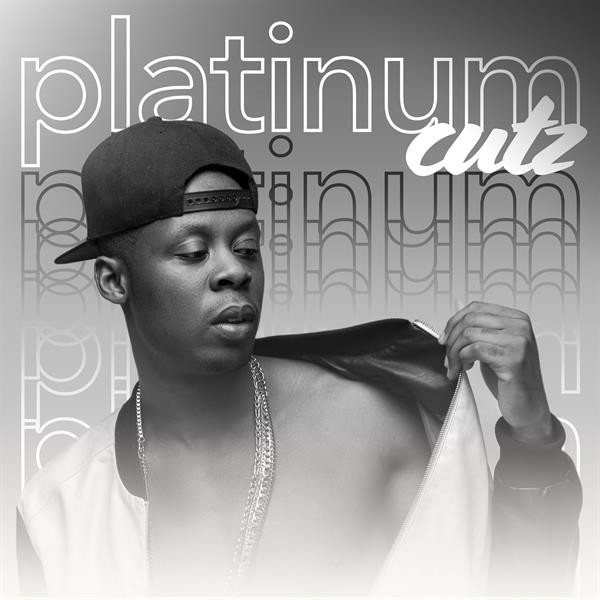
Platinum Cutz
ICE-T
Golden Age Hip Hop
1987
3
/5
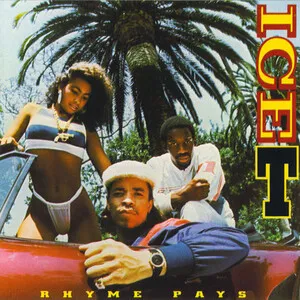
Rhyme Pays
Ice-T
Mid-School Hip Hop
Gangsta Rap
Hip Hop
Similar artists
5
/5
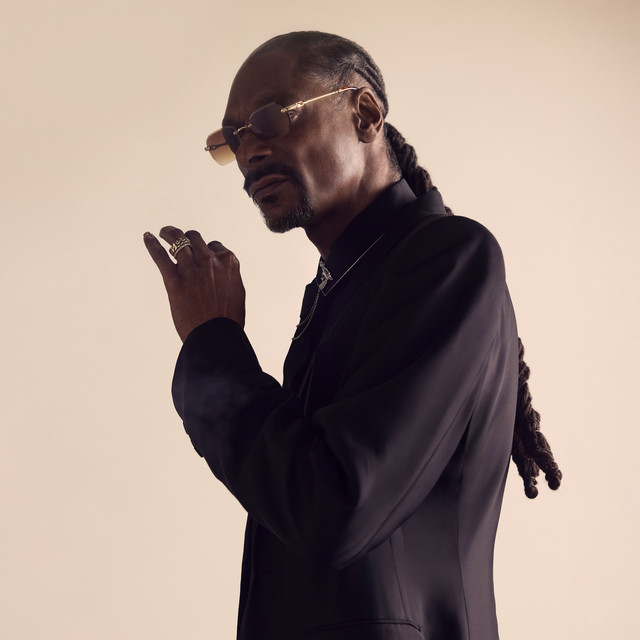
Snoop Dogg
G-Funk
Gangsta Rap
Hip Hop
5
/5
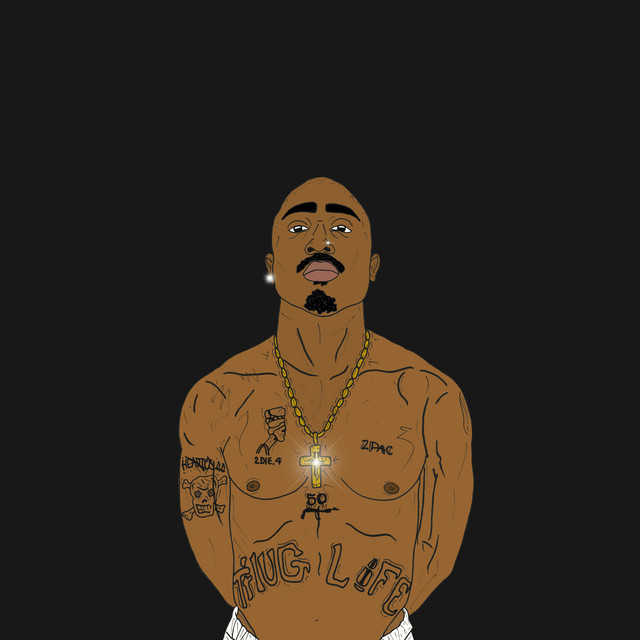
2Pac
G-Funk
Hip Hop
Gangsta Rap
5
/5
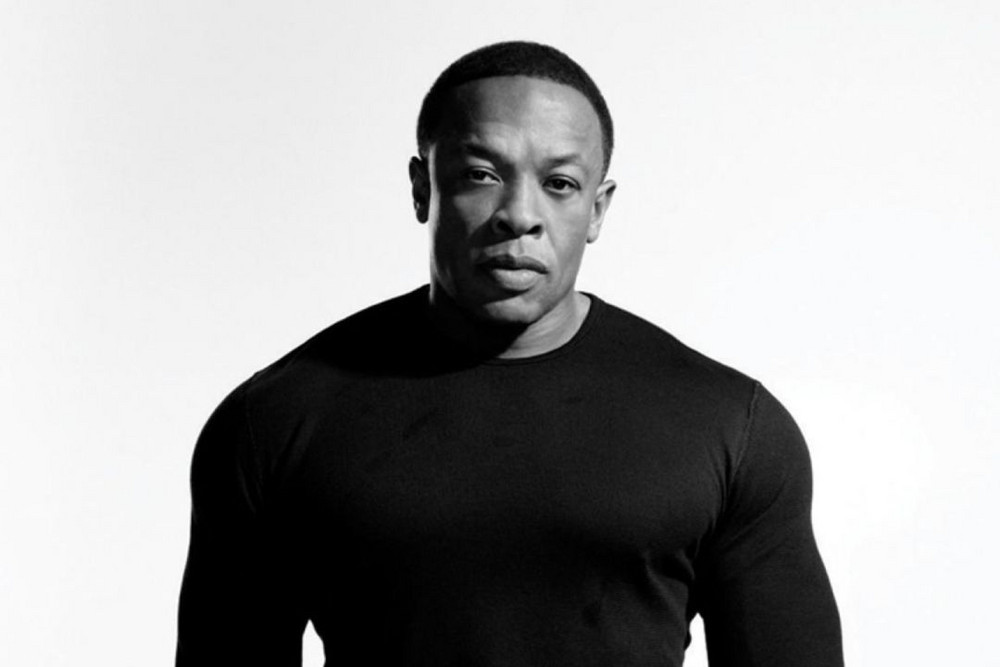
Dr. Dre
G-Funk
Hip Hop
Gangsta Rap
4
/5
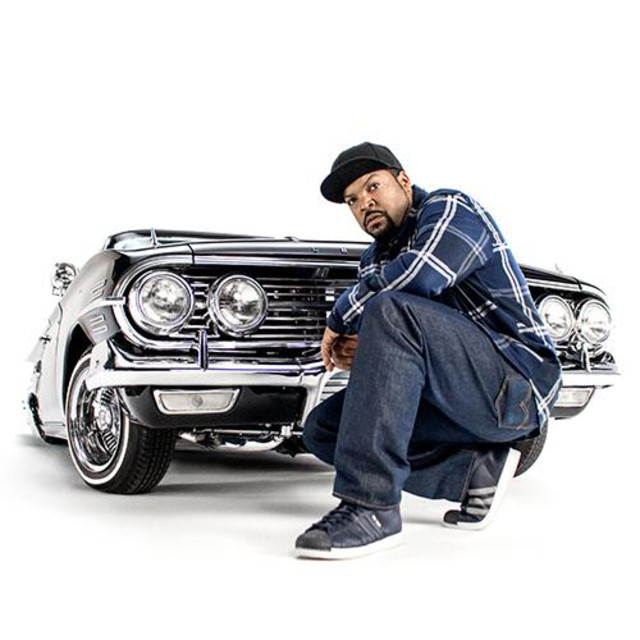
Ice Cube
G-Funk
Gangsta Rap
Hip Hop
4
/5
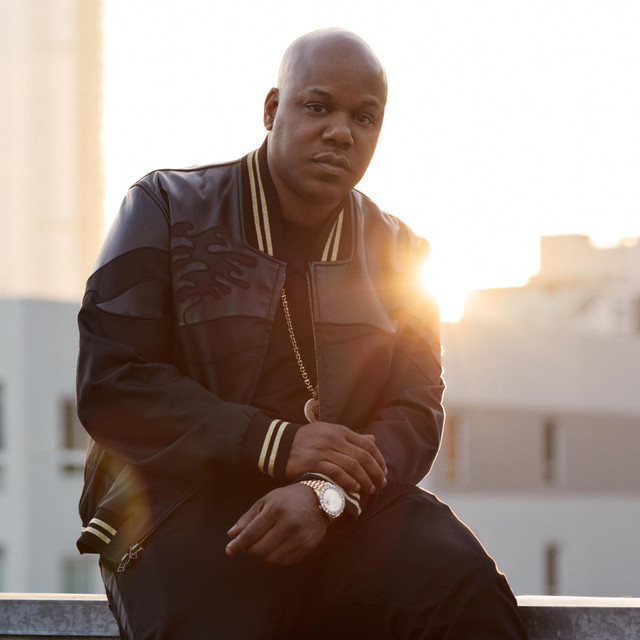
Too $hort
West Coast Hip Hop
Gangsta Rap
Hip Hop
4
/5
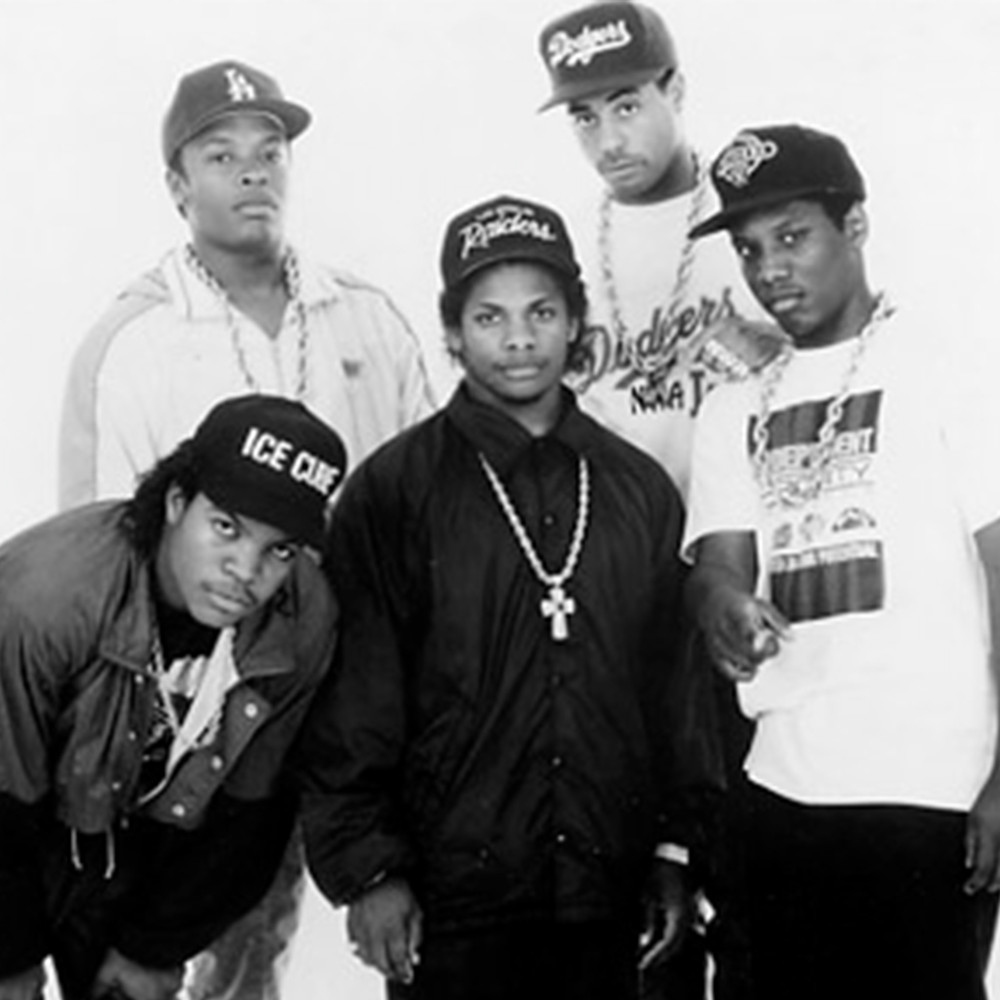
N.W.A.
Hip Hop
West Coast Hip Hop
G-Funk
3
/5
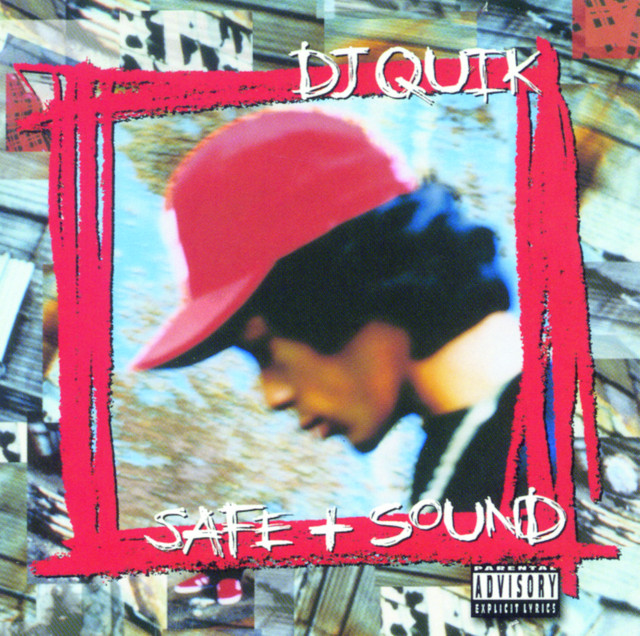
DJ Quik
G-Funk
Gangsta Rap
West Coast Hip Hop
3
/5
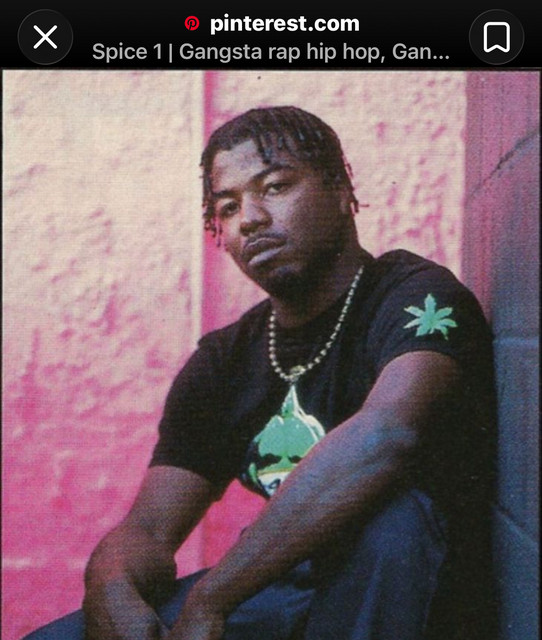
Spice 1
Gangsta Rap
West Coast Hip Hop
G-Funk
4
/5
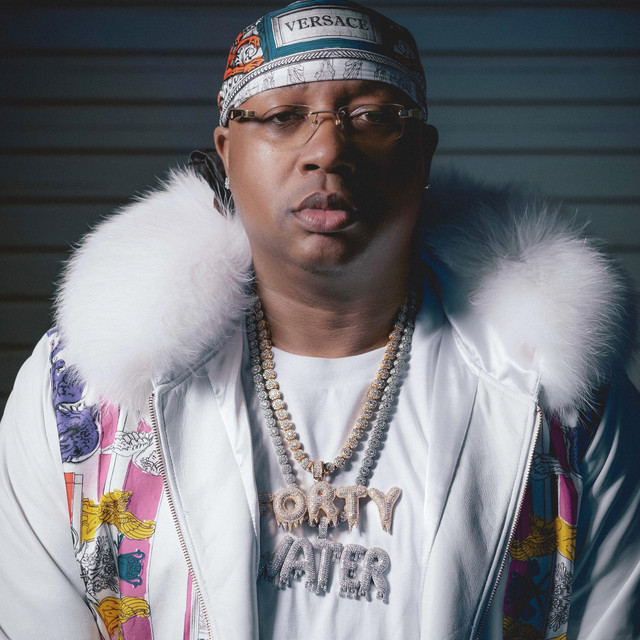
E-40
Hyphy
Gangsta Rap
Hip Hop
4
/5
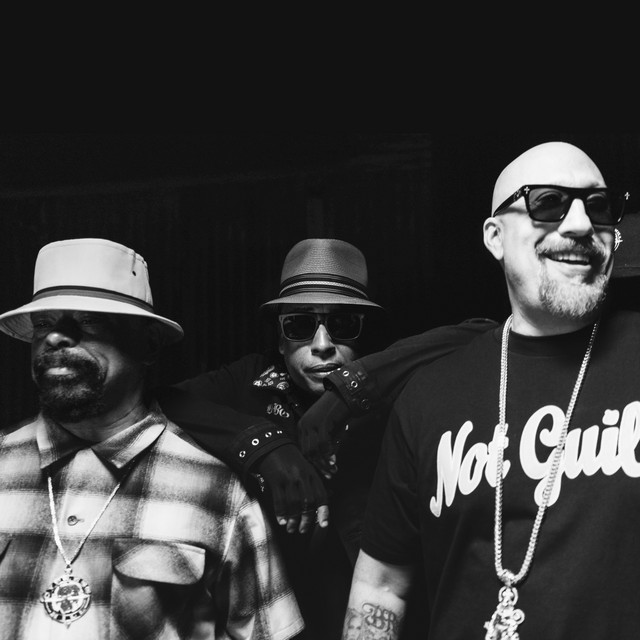
Cypress Hill
Hip Hop
West Coast Hip Hop
Old School Hip Hop
Download our mobile app
Get the Melodigging app and start digging for new genres on the go
Download on the App Store
Get it on Google Play
© 2026 Melodigging
Give feedback
Legal
Melodding was created as a tribute to
Every Noise at Once
, which inspired us to help curious minds keep digging into music's ever-evolving genres.