Genres
Artists
Albums
Make Music
Sign in
Sign in
Artists
Neue Volksmusik
Artists
Neue Volksmusik
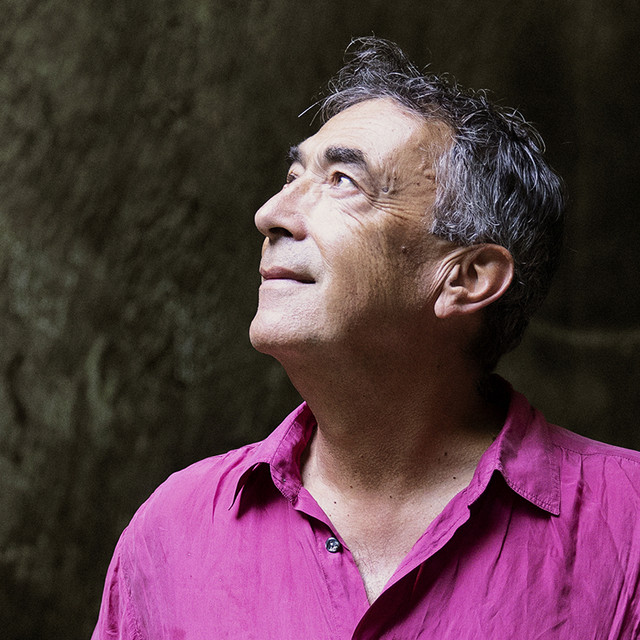
Hubert von Goisern
1998–2015
·
4 albums
Listen
3
/5
Genres
Neue Volksmusik
Neue Volksmusik (literally “new folk music”) is a contemporary Alpine/DACH movement that refreshes German‑language folk idioms with rock, pop, hip hop, brass‑band energy, and electronic production. It keeps the timbres and dialects of regional traditions—accordion, brass, yodel inflections, waltz and polka grooves—while adopting modern song forms, backbeats, and festival‑ready arrangements. Unlike volkstümliche Musik (the glossy, Schlager‑leaning TV style), Neue Volksmusik tends to be roots‑aware but adventurous: it mixes dialect lyrics with contemporary topics, embraces stage‑shaking brass riffs, and is comfortable placing a zither or Styrian harmonica alongside drum kits, synthesizers, or rap verses. The result is music that is local in color yet cosmopolitan in palette, equally at home at village fêtes and international festivals.
Discover
Listen
Alpenrock
Alpenrock (Alpine rock) blends the sound and energy of rock with traditional music of the Alpine regions. Typical rock rhythm sections (drum kit, electric bass, electric/acoustic guitars, keys) are combined with folk timbres such as the Steirische Harmonika (diatonic button accordion), zither, alphorn, hammered dulcimer (Hackbrett), and brass-band horns. Songs often use Austrian, Bavarian, Swiss-German, or South Tyrolean dialects. Melodic hooks draw on yodeling figures, Ländler- and polka-derived phrases, and waltz contours, but they sit over backbeats and riff-based grooves. The result is festival-friendly, communal, and danceable—equally at home in beer tents and rock venues.
Discover
Listen
Folk Rock
Folk rock is a fusion genre that blends the narrative lyricism, modal melodies, and acoustic timbres of traditional folk with the backbeat, amplification, and song structures of rock. It typically pairs acoustic or traditional instruments (acoustic guitar, mandolin, fiddle) with a rock rhythm section (electric guitar, bass, drums), often featuring chiming 12‑string guitar textures, close vocal harmonies, and socially conscious or storytelling lyrics. The result ranges from intimate, reflective ballads with a steady backbeat to more anthemic, roots‑driven rock. Emerging in the mid‑1960s through artists such as Bob Dylan and The Byrds, folk rock became a gateway for traditional and roots materials to enter mainstream popular music, and it seeded later movements from country rock and Americana to jangle pop and modern indie folk.
Discover
Listen
Rock
Rock is a broad family of popular music centered on amplified instruments, a strong backbeat, and song forms that foreground riffs, choruses, and anthemic hooks. Emerging from mid‑20th‑century American styles like rhythm & blues, country, and gospel-inflected rock and roll, rock quickly expanded in scope—absorbing folk, blues, and psychedelic ideas—while shaping global youth culture. Core sonic markers include electric guitar (often overdriven), electric bass, drum kit emphasizing beats 2 and 4, and emotive lead vocals. Rock songs commonly use verse–chorus structures, blues-derived harmony, and memorable melodic motifs, ranging from intimate ballads to high‑energy, stadium‑sized performances.
Discover
Listen
Schlager
Schlager is a European popular music style characterized by catchy melodies, simple verse–chorus forms, and emotionally direct lyrics that foreground love, sentimentality, everyday life, and feel‑good escapism. It is typically sung in German, but also thrives in Swedish, Dutch, and other European languages, and favors bright, polished production, sing‑along choruses, and frequent key changes (notably a climactic final‑chorus modulation). Rhythmically steady, mid‑tempo 4/4 grooves support memorable hooks, while arrangements draw on orchestral colors (strings, brass), light pop rhythm sections, and, in later decades, disco, synth‑pop, and dance‑pop textures. Stylistically, Schlager sits between traditional pop and mainstream light entertainment, bridging pre‑rock European song traditions with modern pop presentation.
Discover
Listen
Pop
Pop is a broad, hook-driven style of popular music designed for wide appeal. It emphasizes memorable melodies, concise song structures, polished vocals, and production intended for radio, charts, and mass media. While pop continually absorbs elements from other styles, its core remains singable choruses, accessible harmonies, and rhythmic clarity. Typical forms include verse–pre-chorus–chorus, frequent use of bridges and middle-eights, and ear-catching intros and outros. Pop is not defined by a single instrumentation. It flexibly incorporates acoustic and electric instruments, drum machines, synthesizers, and increasingly digital production techniques, always in service of the song and the hook.
Discover
Listen
Blues
Blues is an African American musical tradition defined by expressive "blue notes," call-and-response phrasing, and a characteristic use of dominant-seventh harmony in cyclical song forms (most famously the 12‑bar blues). It is as much a feeling as a form, conveying sorrow, resilience, humor, and hard-won joy. Musically, blues commonly employs the I–IV–V progression, swung or shuffled rhythms, and the AAB lyric stanza. Melodies lean on the minor/major third ambiguity and the flattened fifth and seventh degrees. Core instruments include voice, guitar (acoustic or electric), harmonica, piano, bass, and drums, with slide guitar, bends, and vocal melismas as signature techniques. Over time the blues has diversified into regional and stylistic currents—Delta and Piedmont country blues, urban Chicago and Texas blues, West Coast jump and boogie-woogie—while profoundly shaping jazz, rhythm & blues, rock and roll, soul, funk, and much of modern popular music.
Discover
Listen
Alpine Folk Music
Alpine folk music is the traditional rural music of the Alpine region spanning Austria, Switzerland, southern Germany (Bavaria and Swabia), South Tyrol in northern Italy, and parts of Slovenia. It centers on small ensembles (Tanzlmusik) playing dance tunes and strophic songs for village festivities, weddings, and seasonal rituals. Characteristic elements include yodeling (Jodler), lively dance forms such as Ländler (often in 3/4), Polka (2/4), Boarischer, and Zwiefacher (with alternating meters), and distinctive timbres from diatonic button accordion (Steirische Harmonika), zither, hammered dulcimer (Hackbrett), fiddle, clarinet, guitar, and alphorn. Melodies are typically modal or major with triadic outlines, drones, and parallel thirds, while lyrics use local dialects and celebrate landscape, pastoral work, and communal life. The style is closely tied to regional dress (Tracht) and dance customs (e.g., Schuhplattler), and it remains a living tradition that bridges intimate domestic music-making with public festivals and modern stage performance.
Discover
Listen
Show all 8 genres
Albums
2015
2
/5
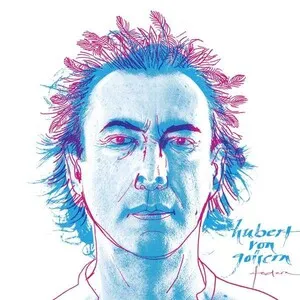
Federn
Hubert von Goisern
Alpenrock
Folk Rock
Rock
2011
2
/5
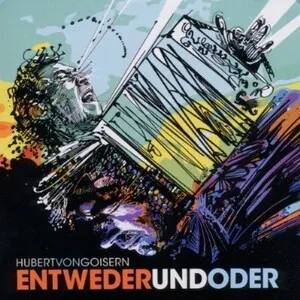
Entwederundoder
Hubert von Goisern
Alpenrock
Folk Rock
Pop
2000
2
/5
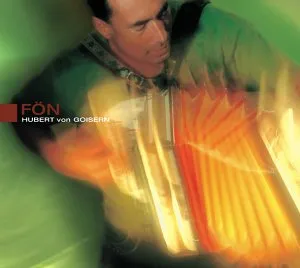
Fön
Hubert von Goisern
Alpenrock
Neue Volksmusik
Blues
1998
2
/5
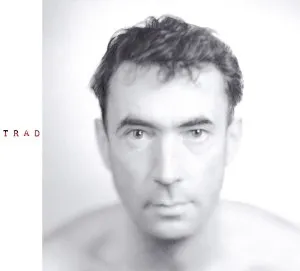
Trad
Hubert von Goisern
Alpine Folk Music
Neue Volksmusik
Folk Rock
Similar artists
2
/5
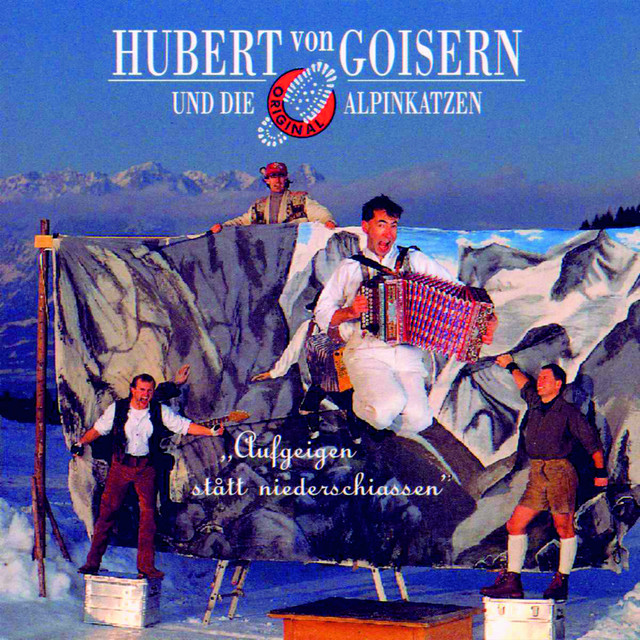
Hubert von Goisern und die Alpinkatzen
Alpenrock
Neue Volksmusik
Rock
3
/5
Wolfgang Ambros
Liedermacher
Pop
Rock
3
/5
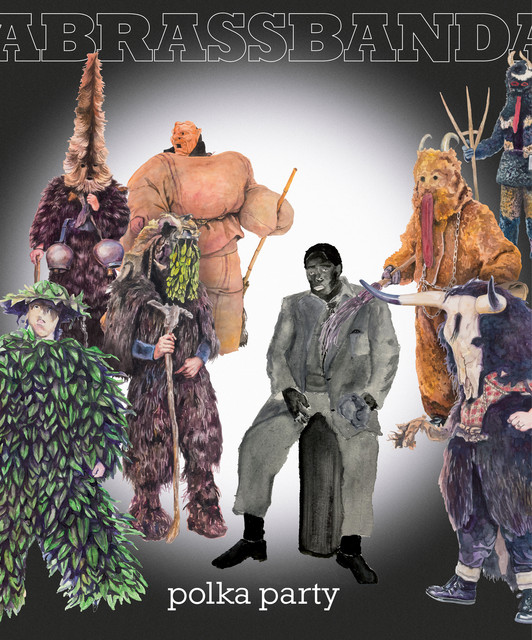
LaBrassBanda
Brass Band
Volkspop
Alpenrock
1
/5
Attwenger
Neue Volksmusik
Alpenrock
Alpine Folk Music
4
/5
Fäaschtbänkler
Neue Volksmusik
Volkspop
Schlager
3
/5
voXXclub
Neue Volksmusik
Volkspop
Schlager
3
/5
Oimara
Neue Volksmusik
Re:techno
Pop
3
/5
Herbert Pixner Projekt
Neue Volksmusik
Alpine Folk Music
Jazz
5
/5
The Beatles
Merseybeat
Rock
Pop
4
/5
Bruce Springsteen
Heartland Rock
Singer-Songwriter
Folk Rock
Download our mobile app
Get the Melodigging app and start digging for new genres on the go
Download on the App Store
Get it on Google Play
© 2026 Melodigging
Give feedback
Legal
Melodding was created as a tribute to
Every Noise at Once
, which inspired us to help curious minds keep digging into music's ever-evolving genres.