Genres
Artists
Albums
Make Music
Sign in
Sign in
Artists
Choral
Artists
Choral
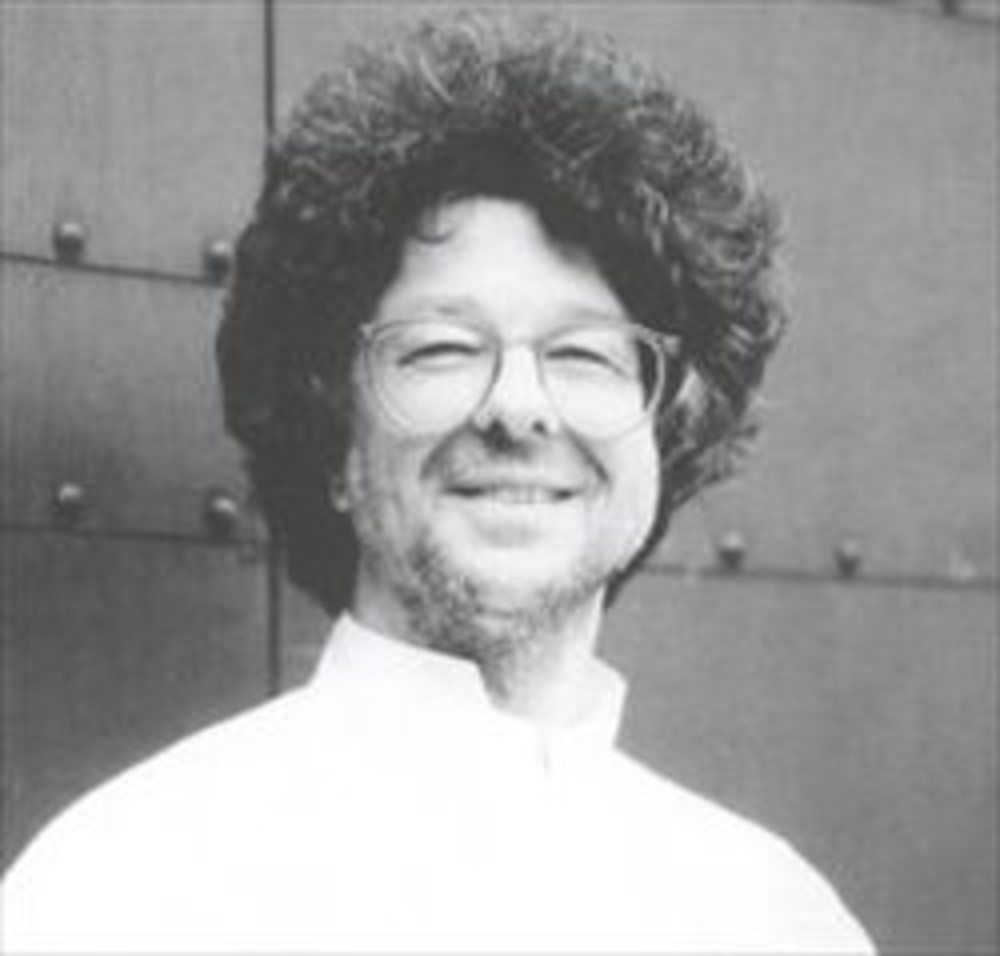
Hermann Max
1996–2023
·
2 albums
Listen
2
/5
Genres
Barockinterpreten
Barockinterpreten (German for “Baroque interpreters”) is a performer-focused category within Western classical that centers on historically informed performances (HIP) of 17th–18th century Baroque repertoire. It emphasizes period instruments, historical tunings, and style-sensitive articulation and ornamentation. Typical recordings feature smaller, agile ensembles, vivid rhythmic profiles (often derived from courtly dances), and continuo-led textures. Tempi, articulation, and dynamics aim for rhetorical clarity, with vibrato treated as an expressive ornament rather than a constant. The result is an energetic, transparent, and dance-inflected sound that contrasts with the heavier, Romantic-influenced Baroque of the mid-20th century mainstream.
Discover
Listen
Classical Tenor
Classical tenor refers to the Western classical tradition of tenor singing across opera, oratorio, and art song. It centers on a high male voice type whose typical written range spans roughly C3 to B4/C5, with the core tessitura sitting around the passaggio between E4–G4. The style is defined by legato phrasing, precise diction in multiple languages (especially Italian, German, French, and Latin), balanced chiaroscuro tone, and secure breath management (appoggio) that enables both long lyrical lines and brilliant climaxes. Subtypes include leggiero, lyric, spinto, dramatic, and heldentenor, each suited to different repertoire weights and orchestral demands. Accompaniments are commonly full orchestra (opera/oratorio) or piano (Lied/mélodie), sometimes organ or chamber ensembles. Repertoire ranges from Baroque da capo arias to Romantic grand opera scenes, Wagnerian music dramas, sacred works, and recital songs.
Discover
Listen
Baroque Singing
Baroque singing is the vocal practice of the Baroque era (c. 1600–1750), centered on expressive text delivery, rhetorical phrasing, and codified ornamentation. It grew from the shift toward solo song with continuo (monody) and the burgeoning of opera, cantata, and oratorio. Stylistically, it balances two complementary worlds: declamatory recitative (to advance text and drama) and highly ornate aria (to display beauty and virtuosity). Singers employ trills, appoggiaturas, mordents, properly prepared cadential trills, messa di voce, passaggi (rapid runs), and extempore diminutions—always guided by the words’ meaning and Baroque “affects.” Performance practice emphasizes clear diction, flexible but discreet vibrato (often a predominantly straight tone with vibrato as ornament), historically-informed tempi and articulation, and continuo-led textures (harpsichord, theorbo, organ, cello/violone). Pitch and temperament are often historical (e.g., A≈415). Treatises by Caccini, Tosi, and Mancini remain core references for technique, style, and ornamentation.
Discover
Listen
Requiem
A requiem is a musical setting of the Roman Catholic Mass for the Dead (Missa pro defunctis). Historically rooted in Latin liturgy, it sets movements such as the Introit, Kyrie, (historically) the Sequence Dies irae, Offertory, Sanctus, Agnus Dei, and Communion, and often includes additional responsories like Libera me and In paradisum. While the earliest requiems were monophonic chants, the genre became a showcase for polyphonic and later symphonic choral writing. Renaissance composers wrote austere, modal settings; Classical and Romantic composers expanded the forces and dramatic scope; and 20th–21st century composers reimagined the form with new languages, from neo-modal and impressionistic harmonies to avant‑garde sonorities. Today, requiems appear both in liturgy and as concert works, symbolizing collective mourning, remembrance, and spiritual reflection.
Discover
Listen
Choral
Choral refers to music written for and performed by a choir—an ensemble of voices organized into sections such as soprano, alto, tenor, and bass (SATB), or same-voice groupings (SSA, TTBB). It encompasses both sacred and secular repertoire and may be sung a cappella or with accompaniment by organ, piano, or full orchestra. Stylistically, choral music ranges from chant-like monophony to intricate polyphony and rich homophonic textures. Texts are drawn from liturgy, scripture, poetry, and vernacular sources, and are set in many languages. Performance contexts include church services, concert halls, and community events, making choral one of the most socially embedded and widely practiced forms of ensemble music. Across history, choral music has served as a laboratory for vocal counterpoint, word painting, and text-driven form, while functioning as a cultural bridge among religious rites, national traditions, and contemporary concert practice.
Discover
Listen
Albums
2023
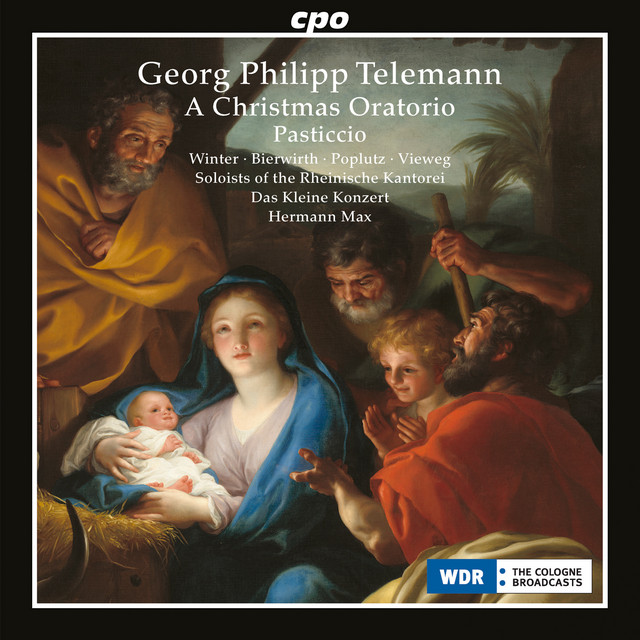
Telemann: A Christmas Oratorio
Georg Philipp Telemann, Das Kleine Konzert, Rheinische Kantorei Soloists, Herma…
Barockinterpreten
Baroque Singing
1996
Bach, J.S.: St. Matthew Passion
Johann Sebastian Bach, Hermann Max
Classical Tenor
Similar artists
4
/5
Wolfgang Amadeus Mozart
Classical
Requiem
Classical Period
3
/5
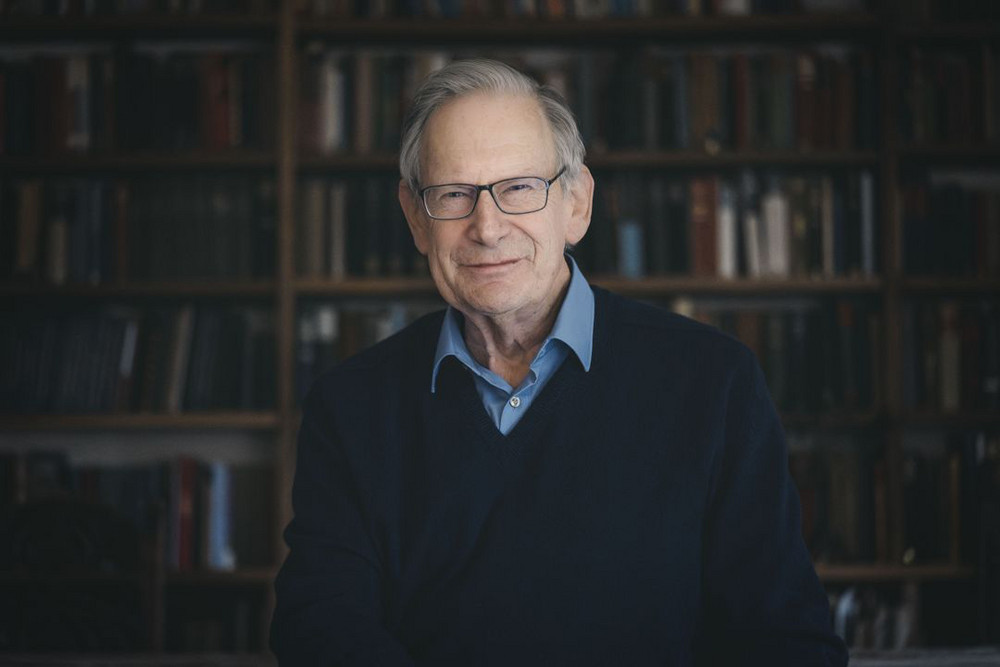
John Eliot Gardiner
Baroque
Classical
Choral
3
/5
English Baroque Soloists
Baroque
Classical
Choral
3
/5
Monteverdi Choir
Baroque
Choral
Classical
3
/5
Akademie für Alte Musik Berlin
Baroque
Classical
Opera
2
/5
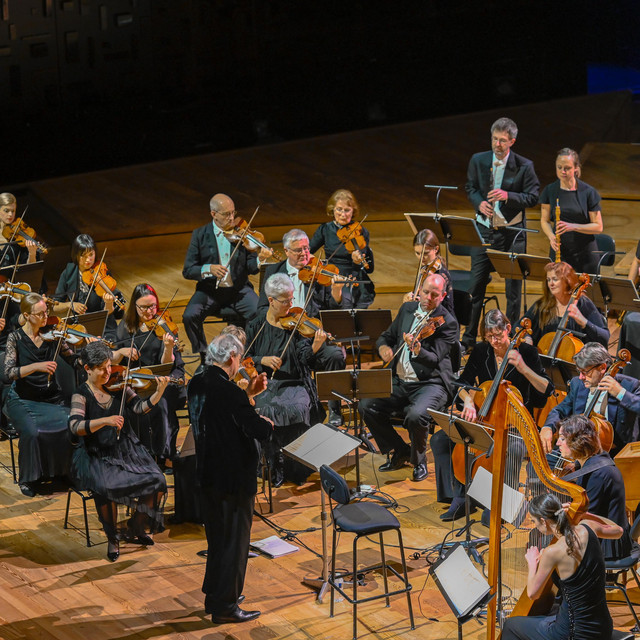
Das Kleine Konzert
Choral
Requiem
Barockinterpreten
4
/5
Johann Sebastian Bach
Baroque
Classical
Baroque Suite
4
/5
George Frideric Handel
Classical
Opera Seria
Classical Countertenor
4
/5
Berliner Philharmoniker
Classical
Symphony
Romantic Classical
4
/5
Herbert von Karajan
Classical
Symphonic Poem
Symphony
Download our mobile app
Get the Melodigging app and start digging for new genres on the go
Download on the App Store
Get it on Google Play
© 2026 Melodigging
Give feedback
Legal
Melodding was created as a tribute to
Every Noise at Once
, which inspired us to help curious minds keep digging into music's ever-evolving genres.