Genres
Artists
Albums
Make Music
Sign in
Sign in
Artists
Serialism
Artists
Serialism
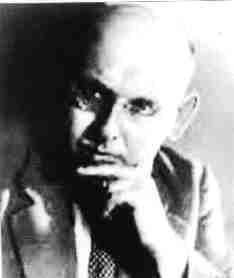
Hanns Eisler
1997
·
1 album
Listen
2
/5
Genres
Serialism
Serialism is a compositional method in which musical parameters are organized into ordered series that govern a work’s structure. Most famously, twelve‑tone serialism uses an ordered row of the 12 pitch classes, deploying transformations such as prime, inversion, retrograde, and retrograde inversion to avoid traditional tonal hierarchy. While Schoenberg’s twelve‑tone technique focuses on pitch, post‑war composers expanded the idea to "total" or "integral" serialism, applying series to rhythm, dynamics, articulation, timbre, and register. The results often emphasize clarity of event over tonal center, pointillistic textures, and rigorous formal control. Aesthetic outcomes range from Berg’s expressive lyricism to Webern’s ultra‑condensed, crystalline writing, and later to the highly systematized post‑war European avant‑garde. Serialism remains a cornerstone of 20th‑century modernist practice, whether embraced, extended, or reacted against by subsequent movements.
Discover
Listen
Austro-German Modernism
Austro-German modernism is a current in early 20th‑century classical music centered in Vienna, Berlin, and other cultural hubs of the German‑speaking world. It is marked by the break with late‑Romantic tonality through chromatic saturation, atonality, and ultimately systematic twelve‑tone/serial procedures; a heightened, often expressionist intensity of gesture; concentrated motivic work; and refined attention to timbre (including Klangfarbenmelodie). While many composers retained or reimagined traditional forms, their harmonic language, rhythm, and orchestration pursued a radical new expressivity. Beyond its signature pitch techniques, the movement embraced new vocal practices (such as Sprechstimme), chamber ensembles of novel makeup, and an aesthetics that oscillated between ecstatic subjectivity and ascetic concentration. Its innovations set the groundwork for much of 20th‑ and 21st‑century concert music.
Discover
Listen
Classical
Classical music is the notated art-music tradition of Europe and its global descendants, characterized by durable forms, carefully codified harmony and counterpoint, and a literate score-based practice. The term “classical” can refer broadly to the entire Western art-music lineage from the Medieval era to today, not just the Classical period (c. 1750s–1820s). It privileges long-form structures (such as symphonies, sonatas, concertos, masses, and operas), functional or modal harmony, thematic development, and timbral nuance across ensembles ranging from solo instruments to full orchestras and choirs. Across centuries, the style evolved from chant and modal polyphony to tonal harmony, and later to post-tonal idioms, while maintaining a shared emphasis on written notation, performance practice, and craft.
Discover
Listen
Albums
1997
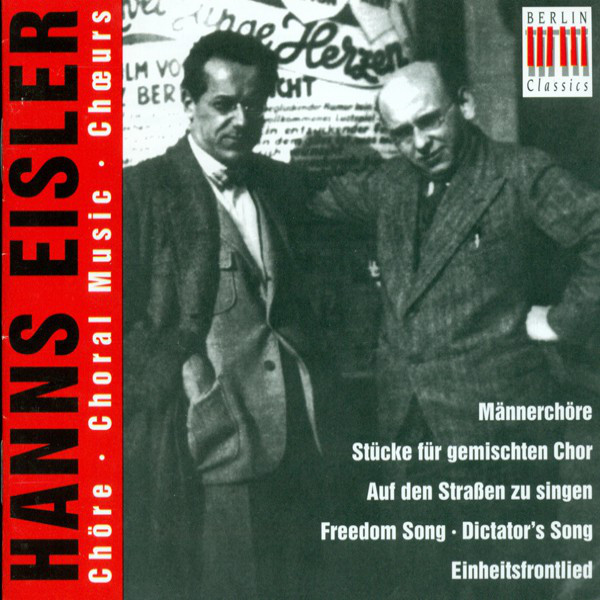
EISLER, H.: Choral Music (Berlin Singakademie, Leipzig Radio Chorus)
Hanns Eisler, Leipzig Radio Chorus, Berlin Singakademie, Horst Neumann, Ekkehar…
Austro-German Modernism
Similar artists
3
/5
Krzysztof Penderecki
Sonorism
Classical
Requiem
3
/5
ORF Radio-Symphonieorchester Wien
Orchestral
Opera
Austro-German Modernism
3
/5
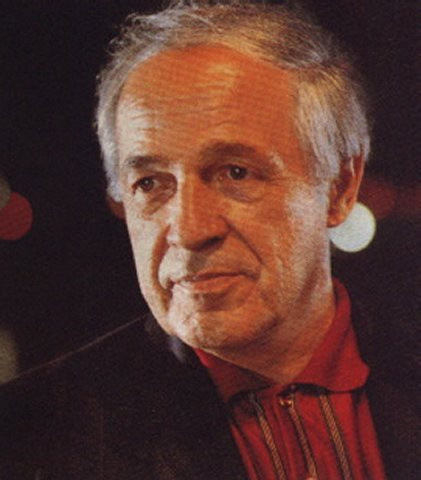
Pierre Boulez
Classical
Expressionism
Impressionism
3
/5
Arnold Schoenberg
Expressionism
Second Viennese School
Serialism
2
/5
Luciano Berio
Musique Concrète
Serialism
Classical
2
/5
Alfred Schnittke
Classical
Choral Concerto
Chamber Music
2
/5
Alban Berg
Second Viennese School
Expressionism
Classical
2
/5
Anton Webern
Serialism
Chamber Music
Second Viennese School
2
/5
Ensemble Intercontemporain
Expressionism
Classical
Avant-Garde
2
/5
Karlheinz Stockhausen
Integral Serialism
Serialism
Darmstadt School
Download our mobile app
Get the Melodigging app and start digging for new genres on the go
Download on the App Store
Get it on Google Play
© 2026 Melodigging
Give feedback
Legal
Melodding was created as a tribute to
Every Noise at Once
, which inspired us to help curious minds keep digging into music's ever-evolving genres.