Genres
Artists
Albums
Make Music
Sign in
Sign in
Artists
Classical
Artists
Classical
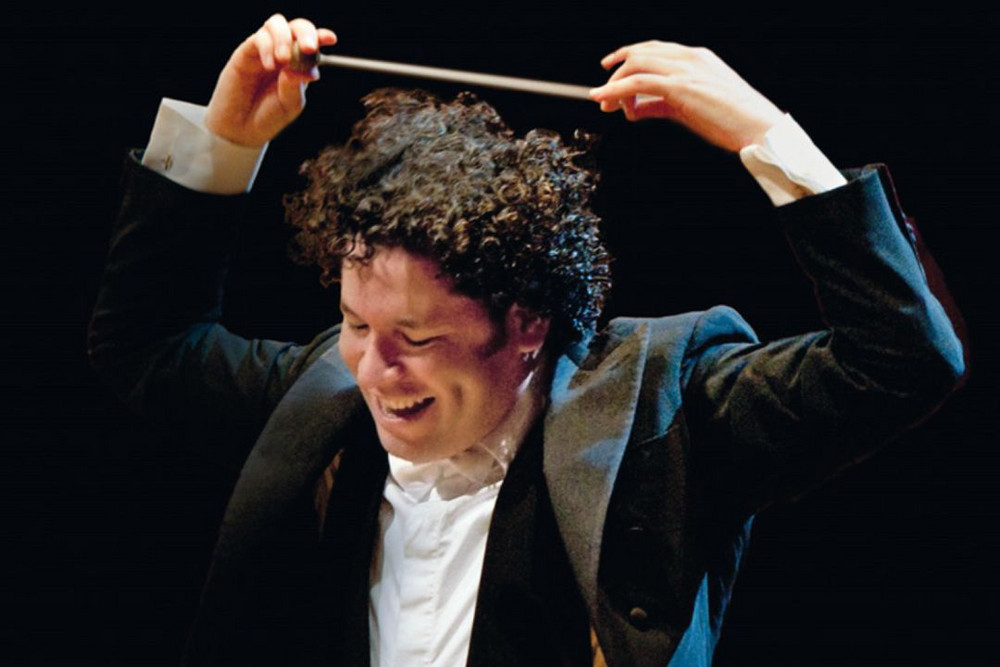
Gustavo Dudamel
2008
·
1 album
Listen
3
/5
Genres
Cover Acustico
“Cover acústico” (Spanish/Portuguese for “acoustic cover”) refers to intimate, stripped‑down reinterpretations of existing songs performed primarily with acoustic instruments—most often voice with guitar or piano, sometimes light percussion (cajón, brushes) and close‑miked harmonies. On streaming services and digital stores catering to Iberian and Latin American audiences, the label appears explicitly in titles and artist metadata (e.g., singles or albums tagged “cover acústico”), reflecting a cataloging convention for acoustic versions of well‑known repertoire.
Discover
Listen
Youth Orchestra
Youth orchestra refers to a full symphony orchestra composed primarily of young musicians (often ages 12–26) who rehearse and perform standard orchestral repertoire alongside contemporary works under professional coaching. Unlike school bands or string orchestras, youth orchestras mirror the instrumentation, seating, and rehearsal practices of a professional symphony orchestra. Their mission blends artistic excellence with pre‑professional training, access, and social development, offering pathways for talented players to progress into conservatories, festival orchestras, and professional ensembles. Repertoire spans Baroque to 21st‑century music, film and game scores, national traditions, and newly commissioned pieces. Educational aims include ensemble discipline, score literacy, stylistic awareness, sectional teamwork, and concertcraft.
Discover
Listen
Concerto
A concerto is a large-scale composition that sets one or more solo instruments in dynamic dialogue with an orchestra. Its core idea is contrast—between soloist and tutti—and the dramatic negotiation of power, color, and thematic responsibility. While Baroque concertos often relied on ritornello form, the Classical era standardized a three-movement plan (fast–slow–fast) with sonata principles in the opening movement. The Romantic period emphasized virtuosity and expressive foregrounding of the soloist, and the 20th–21st centuries broadened the palette with new instruments, harmonies, and formats. Across eras, the concerto remains a showcase for instrumental character, technical brilliance, and the art of orchestral conversation.
Discover
Listen
Classical Performance
Classical performance refers to the interpretive tradition of presenting Western classical repertoire in concert and studio settings. Rather than defining a compositional style, it describes how ensembles and soloists realize written scores through technique, tone, phrasing, and stylistic choices across eras from Baroque to contemporary. It centers on fidelity to the score and historically informed practice, while allowing space for interpretive nuance such as tempo flexibility, articulation, and dynamic shading. Typical forces include soloists, chamber groups, choirs, and orchestras performing in acoustically resonant venues or purpose-built studios, captured by production teams specialized in naturalistic sound.
Discover
Listen
Orchestral
Orchestral music refers to compositions written for an orchestra—a large ensemble typically built around a string section (violins, violas, cellos, double basses), complemented by woodwinds, brass, percussion, and often harp, keyboard, or other auxiliary instruments. A conductor coordinates the ensemble, shaping balance, phrasing, and expression. The style emphasizes coloristic timbre combinations, dynamic range from the softest pianissimo to explosive tuttis, and textures that can shift seamlessly between transparent chamber-like writing and monumental masses of sound. Orchestral writing underpins concert genres such as symphonies, overtures, and tone poems, as well as opera, ballet, and modern film and game scores. While orchestral writing evolved across centuries, its core craft centers on melody, counterpoint, harmony, register, and orchestration—the art of assigning musical ideas to instruments to achieve clarity, contrast, and narrative impact.
Discover
Listen
Classical
Classical music is the notated art-music tradition of Europe and its global descendants, characterized by durable forms, carefully codified harmony and counterpoint, and a literate score-based practice. The term “classical” can refer broadly to the entire Western art-music lineage from the Medieval era to today, not just the Classical period (c. 1750s–1820s). It privileges long-form structures (such as symphonies, sonatas, concertos, masses, and operas), functional or modal harmony, thematic development, and timbral nuance across ensembles ranging from solo instruments to full orchestras and choirs. Across centuries, the style evolved from chant and modal polyphony to tonal harmony, and later to post-tonal idioms, while maintaining a shared emphasis on written notation, performance practice, and craft.
Discover
Listen
Albums
2008
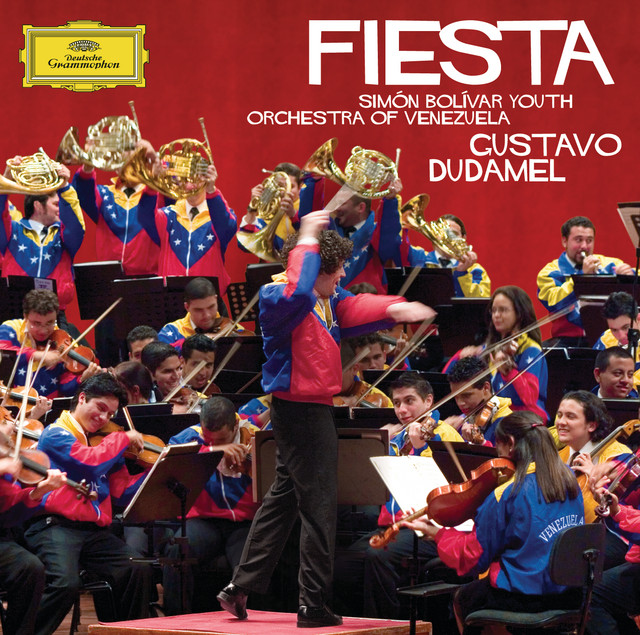
Fiesta
Gustavo Dudamel, Silvestre Revueltas, Simón Bolívar Youth Orchestra of Venezuel…
Youth Orchestra
Similar artists
4
/5
Academy of St. Martin in the Fields
Baroque
Classical
Classical Performance
4
/5
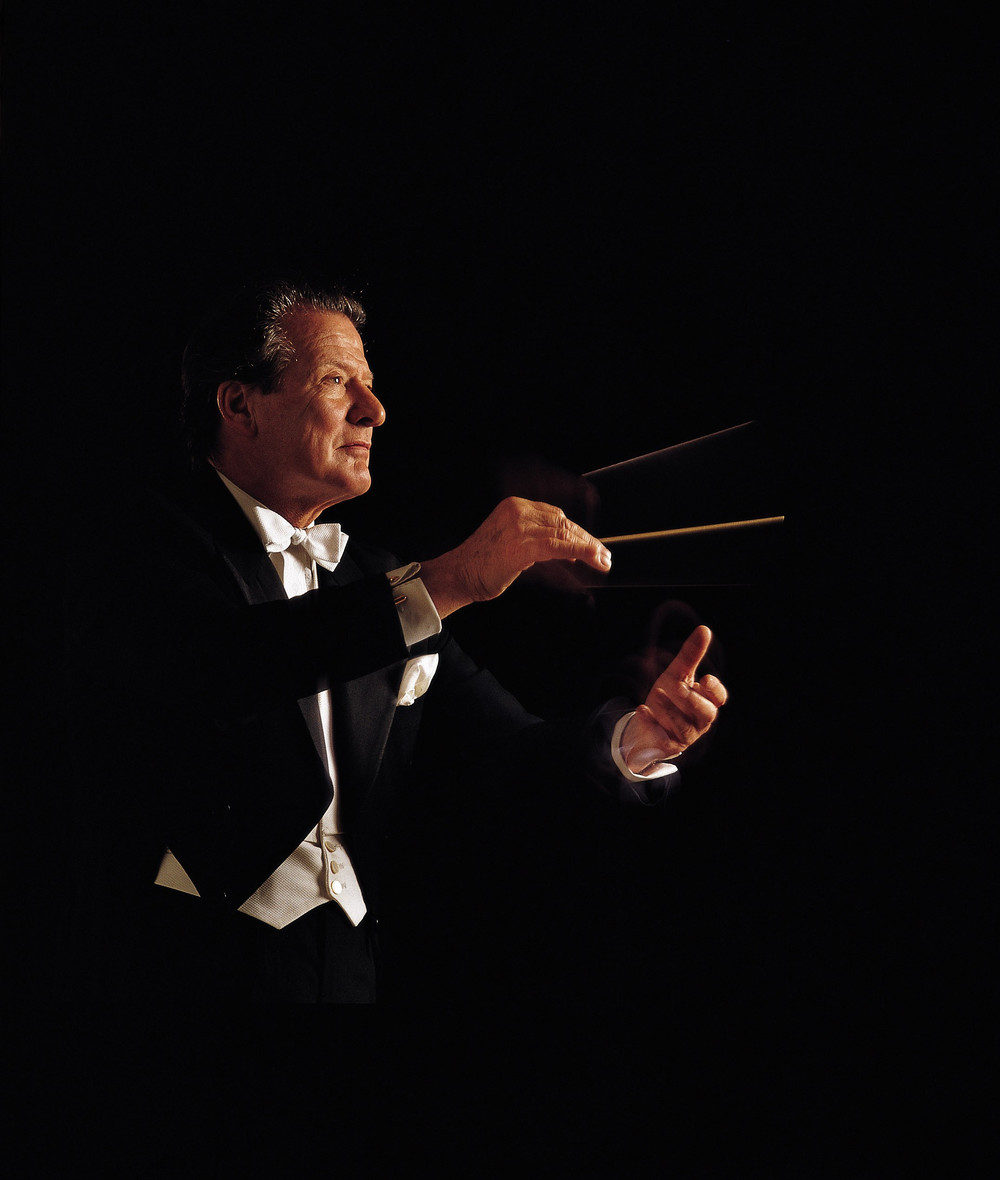
Sir Neville Marriner
Baroque
Classical
Concerto
4
/5
Herbert von Karajan
Classical
Symphonic Poem
Symphony
4
/5
Claudio Abbado
Classical
Concerto
Expressionism
4
/5
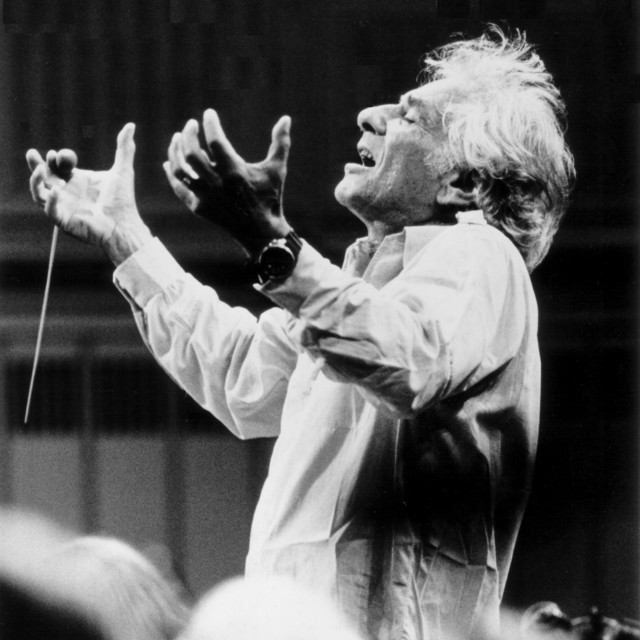
Leonard Bernstein
Classical
Orchestral Performance
Symphony
3
/5
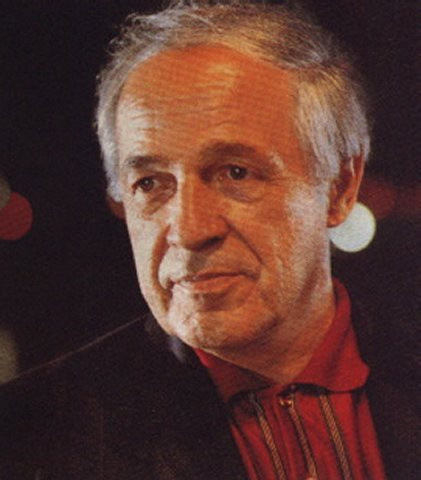
Pierre Boulez
Classical
Expressionism
Impressionism
2
/5
Prague Symphony Orchestra
Classical
Concerto
Orchestral
2
/5
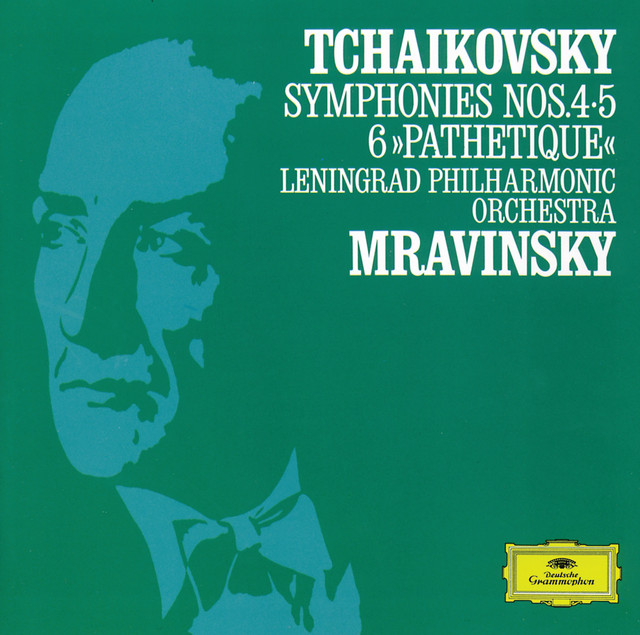
Leningrad Philharmonic Orchestra
Classical
Concerto
Orchestral
4
/5
Wolfgang Amadeus Mozart
Classical
Requiem
Classical Period
4
/5
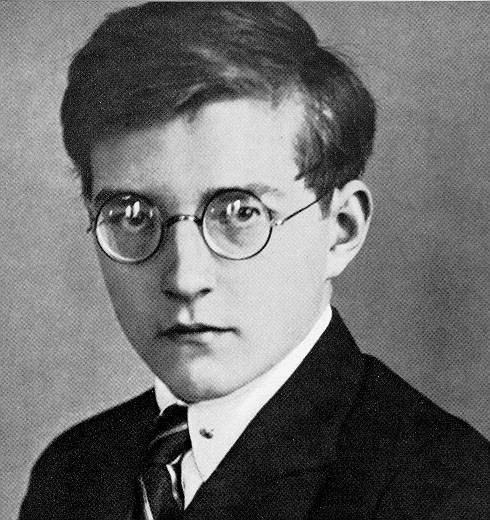
Dmitri Shostakovich
Classical
Chamber Music
Fugue
Download our mobile app
Get the Melodigging app and start digging for new genres on the go
Download on the App Store
Get it on Google Play
© 2026 Melodigging
Give feedback
Legal
Melodding was created as a tribute to
Every Noise at Once
, which inspired us to help curious minds keep digging into music's ever-evolving genres.