Genres
Artists
Albums
Make Music
Sign in
Sign in
Artists
Neo-Psychedelia
Artists
Neo-Psychedelia
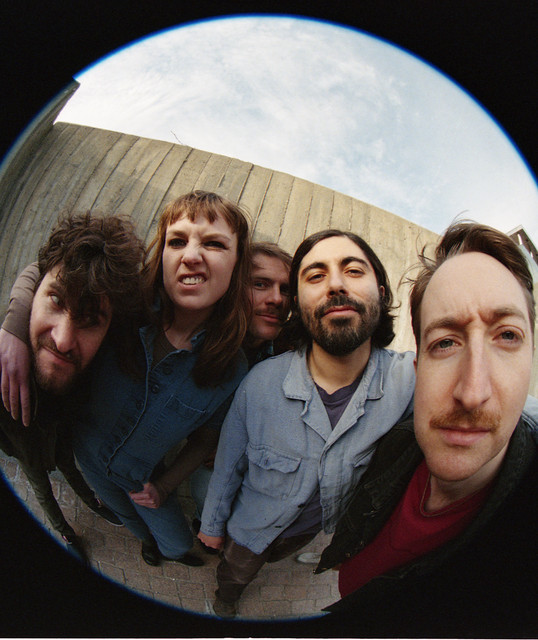
Guerilla Toss
2017–2025
·
2 albums
Listen
2
/5
Genres
Britpop Revival
Britpop revival is a 21st‑century resurgence of the bright, catchy guitar‑based British pop/rock associated with 1990s Britpop. Bands in this style channel the melodic immediacy, sing‑along choruses and wry, everyday storytelling of classic Britpop, itself rooted in 1960s British pop and mod. The sound typically features chiming or crunchy guitars, prominent hooks, mid‑to‑up‑tempo backbeats and anthemic refrains that celebrate local identity and ordinary life. Culturally, Britpop revival leans on nostalgia for the "Cool Britannia" moment while updating production sheen and festival‑ready dynamics, often positioning itself as a lively, communal alternative to darker indie trends.
Discover
Listen
Dance-Punk Revival
Dance-punk revival is a 2000s resurgence of the late-1970s/early-1980s dance-punk aesthetic, recast through indie-rock and contemporary club sensibilities. It blends punk’s sharp, aggressive guitars and terse, chantable vocals with disco/house rhythms, elastic funk basslines, and percussive accents such as cowbell, claps, and syncopated hi-hats. Where the original wave drew from no wave and post-punk minimalism, the revival emphasized tighter songcraft, bigger hooks, and production drawing on DJ culture and analog-digital hybrid studios. The result is nervy, kinetic music designed equally for the live stage and the dance floor, often characterized by four-on-the-floor kick drums, angular riffs, and sardonic, deadpan or shout-sung delivery.
Discover
Listen
Electroclash
Electroclash is a late-1990s/early-2000s fusion of 1980s synth-pop and new wave aesthetics with contemporary club-ready electro, techno, and house production. It pairs deadpan or detached vocals, sexually charged and ironic lyrics, and fashion-forward performance art with analog-sounding drum machines, biting synth basslines, and minimal, mechanical grooves. The style’s signature sound emphasizes retro timbres (saw/square leads, arpeggiators, vocoders), rigid four-on-the-floor or electro-funk rhythms, and a cool, decadent attitude that blurs underground club culture with pop spectacle.
Discover
Listen
Noise Rock
Noise rock is a subgenre of rock that deliberately embraces distortion, feedback, dissonance, and abrasive textures as primary musical materials rather than mere effects. It prioritizes timbre, volume, and sonic density over conventional melody and harmony, often using nonstandard tunings, prepared or detuned guitars, and extended techniques to generate harsh overtones and sheets of sound. Rhythm sections tend to be driving and repetitive, anchoring the chaos with motorik pulses, lurching grooves, or pummeling, minimal patterns. Vocals range from spoken and murmured to shouted and cathartic, with lyrics that skew cryptic, confrontational, or surreal. Aesthetically, noise rock traces a line from punk’s anti-virtuosity and DIY ethos through no wave’s iconoclasm and the avant-garde’s interest in sound-as-sound, yielding music that can be physically intense, psychologically unsettling, and artistically exploratory.
Discover
Listen
Neo-Psychedelia
Neo-psychedelia is a late-20th-century revival and reinvention of 1960s psychedelic music aesthetics, filtered through post-punk, indie, and experimental sensibilities. It emphasizes hypnotic textures, droning guitars, heavy use of effects (reverb, delay, phasing), analogue organs/synths, and dreamlike or surreal lyricism. Rhythms may draw from motorik and other steady, trance-inducing grooves, while harmony often favors modal colors and repetitive vamps. The style ranges from jangly, melodic songs to dense, feedback-laden soundscapes, and has been highly influential on dream pop, shoegaze, Britpop-adjacent scenes, and modern psych rock.
Discover
Listen
Zolo
Zolo is a retrospective label for flamboyant, quirky, and tightly arranged pop/rock that fuses the nervy immediacy of New Wave with the intricate songcraft and rhythmic left‑turns of Progressive Rock—often performed with the manic, kinetic energy of Punk. The name "Zolo" was coined by radio DJ Terry Sharkie around 1989, and the concept was popularized to a wider audience via his live broadcast The Zany Zolo Musik Hour, which premiered on June 25, 1995. Although the tag emerged later, it gathers together late‑1970s and 1980s artists who favored herky‑jerky grooves, bright synths, stop‑start structures, theatrical vocals, and a cartoonish, art‑school sense of humor. Zolo tends to be hooky yet rhythmically tricky: upbeat, sing‑along melodies ride atop odd meters, jagged chord changes, and frequent dynamic shifts. The overall vibe is clever, colorful, and hyperactive—fun, but engineered with precision.
Discover
Listen
Dance-Punk
Dance-punk is a fusion of punk’s abrasive energy and attitude with the groove-forward rhythms of funk and disco. It favors tight, four-on-the-floor drum patterns, rubbery and syncopated bass lines, choppy, scratchy rhythm guitars, and percussion accents like cowbell and handclaps. Vocals are often shouted, talk-sung, or delivered with sardonic cool, and lyrics tend to be ironic, urban, and socially observant. A first wave emerged in the late 1970s and early 1980s alongside post-punk and no wave scenes (especially in New York and the UK), while a high-profile revival in the early 2000s (centered around DFA Records) brought analog synths, minimalist production, and indie-club sensibilities back to the fore.
Discover
Listen
Post-Punk
Post-punk is a broadly experimental strain of rock that emerged in the late 1970s as artists sought to push beyond the speed, simplicity, and orthodoxy of first-wave punk. It typically features angular, bass-forward grooves; jagged or minimal guitar lines; stark, spacious production; and an openness to dub, funk, electronic, and avant-garde ideas. Lyrics often examine alienation, urban decay, politics, and the inner life with artful or abstract delivery. A studio-as-instrument approach, emphasis on rhythm section interplay, and an appetite for non-rock textures (tape effects, drum machines, found sound, synths) distinguish the style. The result can be danceable yet tense, cerebral yet visceral, and emotionally restrained yet intensely expressive.
Discover
Listen
Psychedelic Pop
Psychedelic pop is a 1960s-born fusion that marries the hook-driven immediacy of pop with the timbral color, studio experimentation, and altered-perception aesthetics of psychedelic music. It favors concise song forms and memorable melodies while introducing unusual sounds (sitar, Mellotron, harpsichord), tape effects (backmasking, varispeed, flanging), and surreal or whimsical imagery. Compared to psychedelic rock, it is brighter, more tuneful, and radio-friendly, often wrapping adventurous production techniques in singable choruses and lush vocal harmonies.
Discover
Listen
Show all 9 genres
Albums
2025
2
/5
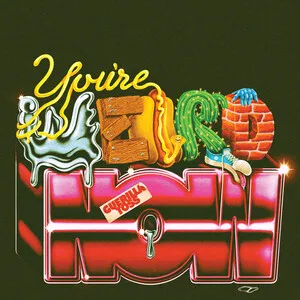
You're Weird Now
Guerilla Toss
Zolo
2017
1
/5
GT Ultra
Guerilla Toss
Dance-Punk Revival
Zolo
Similar artists
1
/5
Various Artists
Soundtrack
Afro-Funk
Alternative Rock
3
/5
Soulwax
Mashup
Alternative Dance
Electroclash
2
/5
Liars
Grave Wave
Noise Rock
Dance-Punk Revival
1
/5
Duchess Says
Coldwave
Electroclash
Indie Québécois
3
/5
Viagra Boys
Post-Punk
Egg Punk
Rock
Omoide Hatoba
Experimental Rock
Neo-Psychedelia
Noise Rock
3
/5
Thee Oh Sees
Garage Rock
Garage Psych
Psychedelic Rock
3
/5
Deerhunter
Dream Pop
Neo-Psychedelia
Noise Rock
3
/5
Osees
Garage Rock
Krautrock
Neo-Psychedelia
2
/5
A Place To Bury Strangers
Coldwave
Dark Wave
Dream Pop
Download our mobile app
Get the Melodigging app and start digging for new genres on the go
Download on the App Store
Get it on Google Play
© 2026 Melodigging
Give feedback
Legal
Melodding was created as a tribute to
Every Noise at Once
, which inspired us to help curious minds keep digging into music's ever-evolving genres.