Genres
Artists
Albums
Make Music
Sign in
Sign in
Artists
Glitch Hop
Artists
Glitch Hop
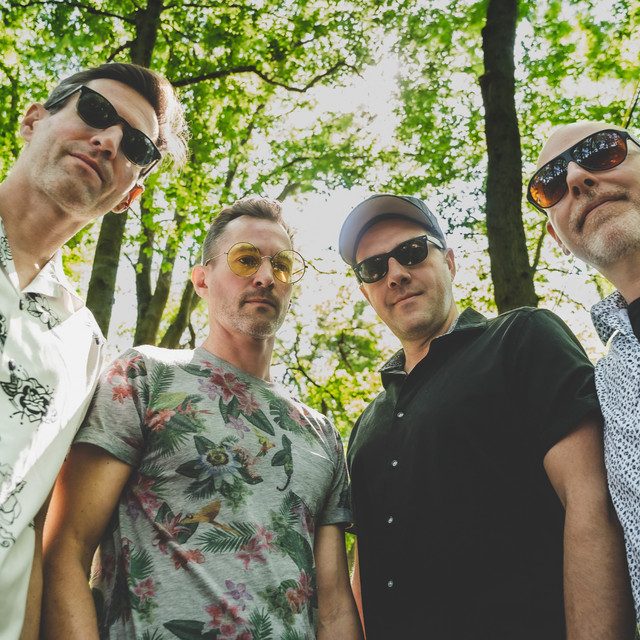
GRiZ
2013–2025
·
24 albums
Listen
4
/5
Genres
Glitch Hop Edm
Glitch hop EDM is a bass-heavy, midtempo offshoot of glitch and hip-hop that adopts the large-scale sound design, drops, and festival-ready structures of contemporary EDM. It typically runs around 90–115 BPM with a swung or syncopated hip-hop groove, while employing stutter edits, tape stops, bitcrushing, buffer repeats, granular chops, and intricate automation to create the characteristic "glitched" feel. Tracks often feature thick, modulated basslines; punchy, off-kilter drums; chopped vocals and foley; and harmonies that borrow from jazz, funk, and soul, all arranged in EDM-style buildups and drops.
Discover
Listen
Cinematic Dubstep
Cinematic dubstep is a hybrid of dubstep’s half‑time bass music and the sweep of film score writing. It layers colossal, trailer‑style sound design (impacts, risers, braaams) over orchestral textures—strings, brass, choirs, and big percussion—then delivers 140 BPM drops with growling basses and wide, atmospheric pads. Compared to standard brostep, it leans more narrative and emotive: introductions unfold like a cue from a movie, builds feel like a trailer climax, and breakdowns often return to piano, strings, or ambient soundscapes before a final, ‘act‑three’ drop. The result is music equally at home in esports intros, game/trailer sync, and festival stages.
Discover
Listen
Riddim Dubstep
Riddim dubstep is a minimalist, loop-driven branch of dubstep that emphasizes hypnotic repetition, half‑time drums, and lurching mid‑range bass motifs. Instead of flashy, constantly changing sound design, it focuses on a few tightly sculpted “wub” phrases that evolve through modulation, filtering, and subtle rhythmic variation. Rooted in UK sound‑system culture and the Jamaican concept of a reusable “riddim,” the style typically sits around 140 BPM, pairing a powerful sub with syncopated, percussive bass stabs. The overall feel is dark, bouncy, and relentlessly dance‑oriented—built for double‑drops, blends, and long DJ transitions on large rigs.
Discover
Listen
Tearout Brostep
Tearout brostep is a hyper-aggressive strain of brostep that emphasizes violently modulated midrange basses, high-impact drops, and rapid-fire switch‑ups. It typically runs at 140–150 BPM in half‑time, pairing chest‑punching snares with seismic subs and screeching or growling lead basses. Producers lean heavily on advanced wavetable/FMX sound design, serial resampling, multiband distortion, OTT-style compression, and tight sidechaining to create a wall of kinetic, metallic energy. Arrangements often feature cinematic intros, tension‑building risers, and whiplash-inducing call‑and‑response bass phrases designed for headbanging festival crowds.
Discover
Listen
Wonky Techno
Wonky techno is a strain of techno that borrows the off‑kilter swing, lurching syncopations, and pitch‑wobbled sound design of “wonky” and UK bass, then grafts them onto techno’s hypnotic structures. Instead of straight four‑on‑the‑floor, it leans on broken, asymmetrical drum programming, micro‑timing nudges, and rubbery low‑end, creating grooves that feel simultaneously club‑functional and crooked. The palette often includes detuned or FM‑rich synths, percussive stabs filtered through dub‑techno space, and restless modulation that keeps the grid feeling fluid and unstable. The result is techno that moves bodies while constantly unbalancing the listener’s inner metronome: tense, bass‑forward, textural, and rhythmically adventurous.
Discover
Listen
Future Funk
Future funk is an internet-born dance microgenre that fuses the sample-heavy ethos of vaporwave with the upbeat grooves of disco, funk, and Japanese city pop. Producers typically chop and pitch up catchy hooks from late-1970s and 1980s records, loop them over four-on-the-floor drums, and apply filter sweeps and sidechain compression in the spirit of French house. The result is a sparkling, high-energy sound that feels both retro and forward-looking. Visually and culturally, the scene leans into neon-soaked, anime-tinged aesthetics and nostalgic party energy, turning classic pop and boogie flavors into compact, danceable edits tailored for the web era.
Discover
Listen
Hybrid Trap
Hybrid trap is an EDM subgenre that fuses Southern hip hop–derived trap rhythms and 808 low end with the sound-design intensity and drop-centric structure of dubstep and electro house. It typically runs at 75/150 BPM in a halftime feel, features skittering hi-hats and snare/clap hits on beat three, and pairs punchy 808 kick–sub combos with midrange growls, reese basses, screeches, and cinematic brass stabs. Producers lean heavily on modern synthesis, resampling, and aggressive processing (distortion, multiband compression, OTT) to craft dynamic, call-and-response drops suited to festival stages. Compared with “classic” EDM trap, hybrid trap places greater emphasis on dubstep-like bass design, complex fills, and theatrical builds, while retaining trap’s swaggering grooves and minimalistic, percussive motifs.
Discover
Listen
Brostep
Brostep is a high-intensity, EDM-leaning strain of dubstep that foregrounds aggressively modulated midrange basses, dramatic builds, and arena-sized drops. Where classic UK dubstep emphasizes sub-bass weight, spaciousness, and dubwise minimalism, brostep shifts the focus to bright, distorted, and highly articulated bass sound design, often supported by festival-ready structures and glossy, loud mastering. Typical tempos sit around 140 BPM (often presented in half-time), with snare on beat 3, punchy kick patterns, and dense fills. Signature sounds include vowel/formant "talking" basses, metallic growls, comb-filtered screeches, and heavy multiband distortion, arranged in call-and-response riffs that drive the drop.
Discover
Listen
Briddim
Briddim is a hybrid strain of bass music that fuses the lurching, loop-driven minimalism of riddim with the high-impact, sound-design-forward aggression of brostep. It typically runs at 140–150 BPM in half-time, placing a punchy snare on beat three and driving the groove with syncopated bass stabs and call‑and‑response motifs. Compared to classic riddim, briddim foregrounds complex, highly modulated bass patches, sharp fills, and cinematic builds borrowed from brostep and tearout. The drops tend to be heavier and more varied than traditional riddim, yet remain more pattern‑centric and hypnotic than typical brostep, hence the “bridge” quality implied by the name.
Discover
Listen
Dubstep Product
Dubstep product is a production/library music take on dubstep tailored for sync: trailers, esports broadcasts, gaming content, advertising, influencer videos, and broadcast bumpers. It takes the sound design, half‑time groove, and drop‑centric structures of UK/US dubstep (including brostep/tearout variants) and packages them into edit‑friendly cues with clean hit points, sting endings, alternate mixes, stems, and duration cuts (15/30/60 seconds). The result balances maximalist bass design with practical considerations for dialogue, sound effects, and branding overlays. Compared with club‑oriented dubstep, dubstep product favors punchy, readable arrangements, cinematic impacts, and clearly marked builds/drops that translate across headphones, TV speakers, and mobile devices.
Discover
Listen
Psybass
Psybass (often written psy-bass) is a psychedelic bass-music style that blends the sound-design mentality of psytrance with the swagger and groove of modern bass genres. It typically runs at midtempo speeds, emphasizes hypnotic low-end movement, and layers kaleidoscopic textures over organic percussion and field recordings. Expect intricately modulated basslines, trippy FX, and elastic halftime rhythms. The mood ranges from shamanic and ceremonial to futuristic and glitchy, with arrangements that breathe—swelling from spacious, downtempo passages into dense, polyrhythmic climaxes. Tonally, psybass leans on modal and drone-like harmonies (Dorian, Phrygian, pentatonic colors) and often incorporates timbres from world instruments and nature recordings, while maintaining an unmistakably electronic, high-fidelity sheen.
Discover
Listen
Experimental Bass
Experimental bass is a left‑field branch of contemporary bass music that prioritizes sound design, unusual rhythms, and non‑standard song structures over traditional drops and formulas. Built on cavernous sub‑bass and halftime grooves, it pulls equally from dubstep’s low‑end weight, glitch hop’s cut‑up editing, and IDM’s exploratory mindset. Producers lean into resampling, granular and FM synthesis, spectral processing, and heavy use of space (silence, gating, and extreme dynamics) to craft ultra-detailed, often psychedelic textures. The result is bass music that feels tactile and three‑dimensional: lurching grooves, asymmetrical motifs, and cinematic soundscapes that reward close listening while still moving a dancefloor.
Discover
Listen
Moombahcore
Moombahcore is a heavy, mid‑tempo offshoot of moombahton that fuses reggaeton’s dembow groove with the sound‑design and impact of dubstep and electro house. Typically set around 100–115 BPM (with 108–110 BPM common), it features syncopated dembow drums, massive wobble/growl basses, hard electro leads, and festival‑style builds and drops. Compared to standard moombahton, moombahcore is darker, more aggressive, and more sound‑design‑driven, yet it retains the swaying, dance‑forward pulse of Latin and dancehall rhythms. Producers often employ complex bass resampling, heavy distortion and saturation, sharp snare accents on the 3, and percussive fills drawn from reggaeton and dancehall, making the genre ideal for high‑energy club and festival contexts.
Discover
Listen
Trap Edm
Trap EDM (often called EDM trap) is a fusion of Southern U.S. hip hop trap rhythms with the build–up/drop architecture and sound design of electronic dance music. It typically runs at 140 BPM with a halftime feel (or 70–75 BPM), featuring 808 sub‑bass, crisp snare/clap on the third beat, rapid 1/16 to 1/32 hi‑hat rolls, brass or synth stabs, and big festival‑style drops. Unlike rap-oriented trap, Trap EDM is primarily instrumental and designed for large dance floors and festivals, emphasizing dramatic risers, tension–release dynamics, and heavy low‑end impact.
Discover
Listen
Bass House
Bass house is a strain of house music that pairs a four-on-the-floor groove with aggressive, highly designed basslines drawn from UK bass, bassline, and electro house. It typically runs around 124–130 BPM, emphasizing tight drum programming, swung garage-influenced shuffles, and drops centered on modulated mid-bass riffs and weighty subs. Producers favor gritty synth timbres, call-and-response bass phrases, minimal vocals (often chopped one-shots or rap ad-libs), and DJ-friendly intros/outros. The result is club-focused, high-impact music that bridges UK underground sensibilities with North American festival energy.
Discover
Listen
Glitch Hop
Glitch hop blends the rhythmic foundations of hip hop with the sound-design ethos of glitch and IDM. It is characterized by half-time, head-nodding grooves, intricately edited drums, and meticulous digital processing such as stutter edits, bit-crushing, time-stretch artifacts, and granular slicing. Typically sitting around 80–110 BPM (often felt in half-time), the style emphasizes heavy, syncopated bass lines, swung percussion, and detailed micro-edits that create a "broken yet groovy" feel. While largely instrumental, it often incorporates vocal chops, turntable scratches, and foley textures to add human feel and narrative color.
Discover
Listen
Dubstep
Dubstep is a bass‑centric electronic dance music genre that emerged in South London in the early 2000s. It is typically around 140 BPM and is defined by a half‑time rhythmic feel, sub‑heavy basslines, sparse yet impactful drums, and a strong emphasis on space, tension, and sound system weight. Hallmark traits include syncopated kick patterns, snares on the third beat of the bar, swung/shuffly hi‑hats inherited from UK garage, and modulated low‑frequency bass (“wobbles”) shaped with LFOs, filters, and distortion. Influences from dub reggae (echo, delay, and minimalism), jungle/drum & bass (bass science and sound system culture), and 2‑step garage (rhythmic swing and shuffles) are central. The style ranges from deep, meditative “dub” aesthetics (often called deep dubstep) to more aggressive, midrange‑driven variants that later informed brostep and festival bass. Atmosphere, negative space, and subwoofer translation are as important as melody or harmony.
Discover
Listen
Funktronica
Funktronica is a hybrid style that welds the pocket and syncopation of classic funk to the sound design, sequencing, and production sheen of contemporary electronic music. It emphasizes tightly interlocked drum and bass grooves, rubbery synth bass, talkbox/vocoder textures, and bright, arpeggiated or chord-stab synths. While its roots lie in 1970s–80s funk and post‑disco electronics, the genre crystallized around the turn of the 21st century as producers in eastern North America began folding Italo‑disco’s neon melodicism and electro’s machine rhythms into modern, festival‑ready tracks. The result is dance‑led, hooky, and groove‑centric music that feels at once retro and forward‑looking.
Discover
Listen
Jamtronica
Jamtronica is a fusion of jam-band improvisation with electronic dance music aesthetics. Bands perform dance‑oriented grooves using live instruments—guitars, bass, drums, and keyboards—augmented by samplers, synths, drum machines, and laptops. The style borrows the steady, hypnotic pulse of house and trance, the breakbeats of drum & bass and breakbeat, and the textural play of electronica and psychedelic rock. Songs often unfold as long-form suites with gradual builds, peaks, and seamless segues, favoring modal vamps, looping, and on‑the‑fly arrangement over fixed song forms. Culturally, jamtronica thrives in club and festival settings, emphasizing extended sets, improvisational risk‑taking, and a communal dancefloor experience guided as much by live musicianship as by DJ‑style flow.
Discover
Listen
Jazztronica
Jazztronica is a hybrid style that fuses the improvisational language, harmony, and timbres of jazz with contemporary electronic music production and rhythms. It often balances live instrumentation—such as saxophone, keys, bass, and drums—with programmed beats, sampling, and synthesis. Producers and bands in this genre draw from jazz-funk, acid jazz, and fusion, then layer in elements of downtempo, house, hip hop, broken beat, and IDM. The result ranges from head‑nod, beat‑driven tracks to club‑leaning grooves and cinematic, atmospheric pieces. Hallmarks include extended jazz chords, swung or syncopated drum programming, elastic basslines (both electric and synthesized), and textural sound design that supports improvisation and groove.
Discover
Listen
Livetronica
Livetronica (often called jamtronica) is a hybrid of jam-band improvisation and club-oriented electronic dance music. Bands perform dance styles such as house, trance, breakbeat, and drum and bass using live instruments, samplers, and sequencers, emphasizing continuous, beat-driven sets that flow like a DJ performance. Instead of relying solely on pre-programmed tracks, livetronica groups build grooves in real time: drummers lock to steady club tempos, bassists and guitarists loop riffs, and keyboardists/synth players sculpt textures and leads. The result is long-form, danceable journeys with builds, drops, and improvisational detours, designed for festival stages and late-night club environments.
Discover
Listen
Trip Hop
Trip hop is a downtempo, atmospheric fusion of hip hop rhythm and sampling techniques with the textures of dub, soul, jazz, and ambient music. Emerging from the Bristol scene in the early 1990s, it favors slow, head‑nodding breakbeats, deep bass, and cinematic sound design. The style is characterized by moody harmonies (often in minor keys), woozy tape- and vinyl-derived timbres, and liberal use of delay and reverb. Vocals frequently alternate between intimate, breathy singing and spoken word/rap, and lyrical themes tend toward noir, introspective, and melancholic subjects. Strings, Rhodes pianos, turntable scratches, and field recordings are common, creating a shadowy, filmic vibe.
Discover
Listen
Funk
Funk is a rhythm-forward African American popular music style that centers on groove, syncopation, and interlocking parts. Rather than emphasizing complex chord progressions, funk builds tight, repetitive vamps that highlight the rhythm section and create an irresistible dance feel. The genre is marked by syncopated drum patterns, melodic yet percussive bass lines, choppy guitar "chanks," punchy horn stabs, call‑and‑response vocals, and a strong backbeat. Funk’s stripped-down harmony, prominent use of the one (accenting the downbeat), and polyrhythmic layering draw deeply from soul, rhythm and blues, jazz, gospel, and African rhythmic traditions. From James Brown’s late-1960s innovations through the expansive P-Funk universe and the slicker sounds of the 1970s and 1980s, funk has continually evolved while seeding countless other genres, from disco and hip hop to house and modern R&B.
Discover
Listen
Electronic
Electronic is a broad umbrella genre defined by the primary use of electronically generated or electronically processed sound. It encompasses music made with synthesizers, drum machines, samplers, computers, and studio/tape techniques, as well as electroacoustic manipulation of recorded or synthetic sources. The genre ranges from academic and experimental traditions to popular and dance-oriented forms. While its sonic palette is rooted in electricity and circuitry, its aesthetics span minimal and textural explorations, structured song forms, and beat-driven club permutations. Electronic emphasizes sound design, timbre, and studio-as-instrument practices as much as melody and harmony.
Discover
Listen
Show all 24 genres
Albums
2025
2
/5
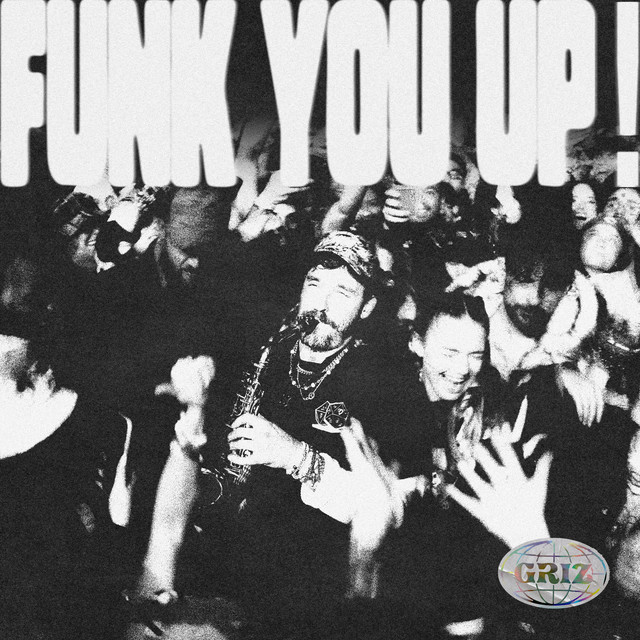
Funk You Up!
GRiZ
Glitch Hop
Jamtronica
Livetronica
2025
3
/5
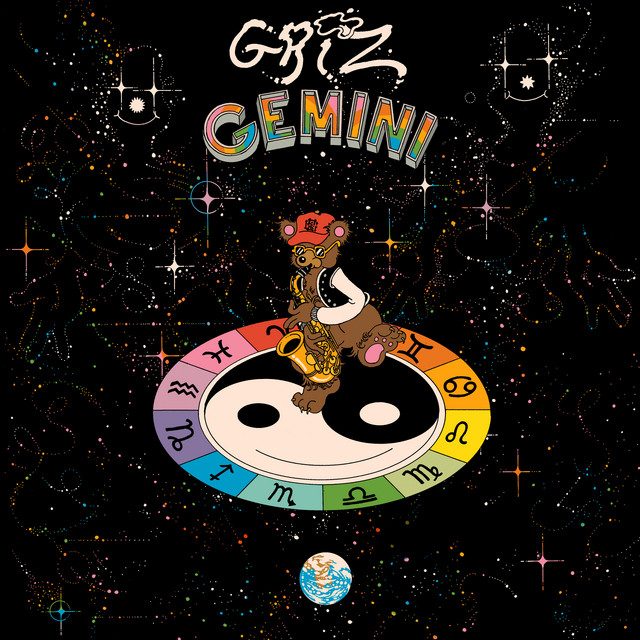
GEMiNI EP
GRiZ
Jamtronica
Glitch Hop
Livetronica
2023
3
/5
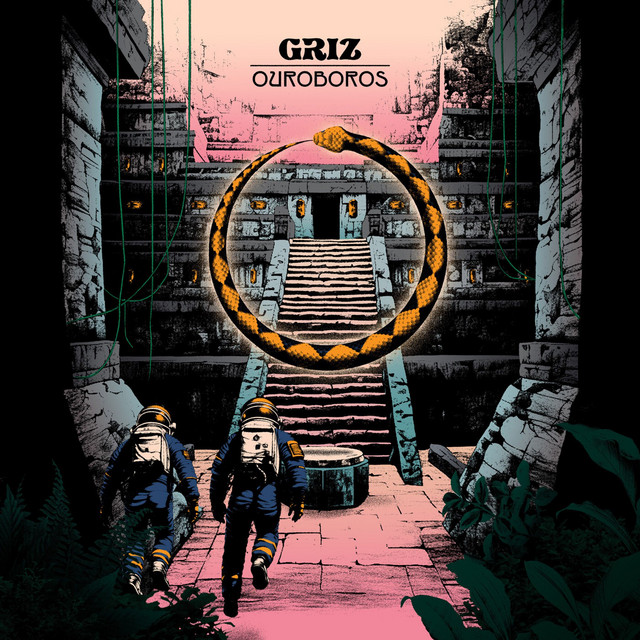
Ouroboros
GRiZ
Jamtronica
Glitch Hop
Livetronica
2023
3
/5
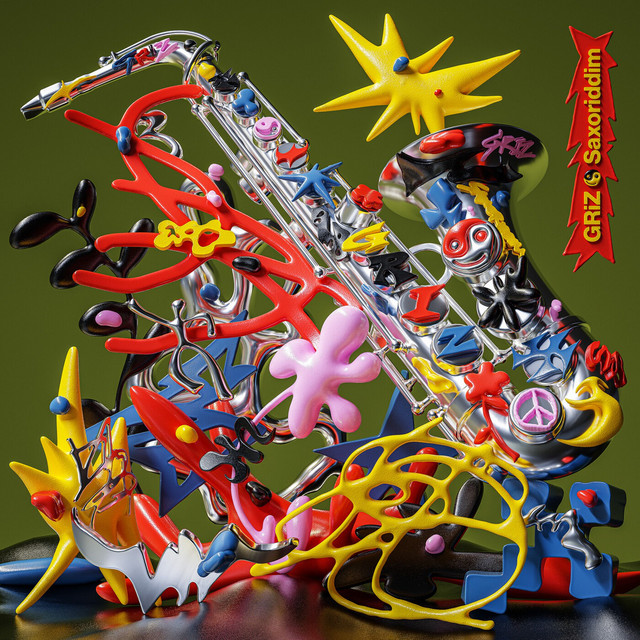
SAXORiDDiM
GRiZ
Jamtronica
Jazztronica
Glitch Hop
2022
2
/5
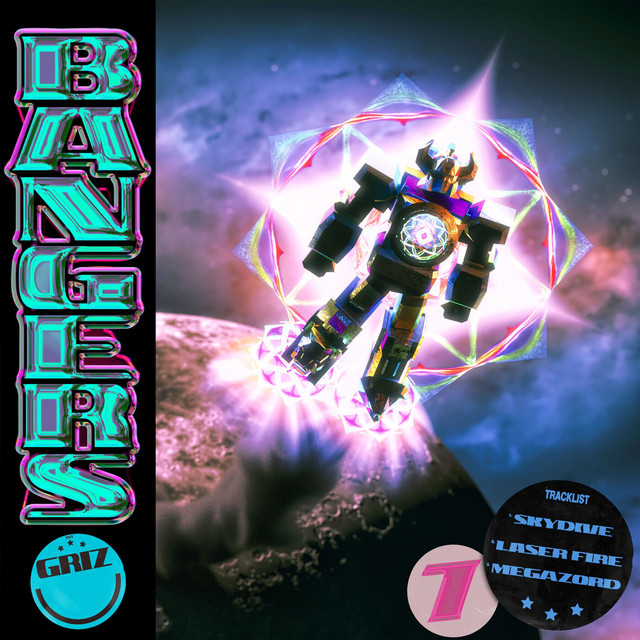
Bangers[7].Zip
GRiZ
Jamtronica
Livetronica
Jazztronica
2022
3
/5
Chasing The Golden Hour, Pt. 4
GRiZ
Jamtronica
Livetronica
Jazztronica
2022
1
/5
Your Light
GRiZ, GRiZ, GRiZ, GRiZ, GRiZ, GRiZ, GRiZ, ProbCause, Perrier, Chrishira, GRiZ,…
Jamtronica
Livetronica
Jazztronica
2022
2
/5
Feel No Pain
GRiZ
Jamtronica
Glitch Hop
Jazztronica
2021
1
/5
Rainbow Brain
GRiZ
Jamtronica
Dubstep
Electronic
2021
3
/5
Rainbow Brain
GRiZ
Jamtronica
Dubstep
Electronic
2021
1
/5
Astro Funk
GRiZ
Jamtronica
2021
1
/5
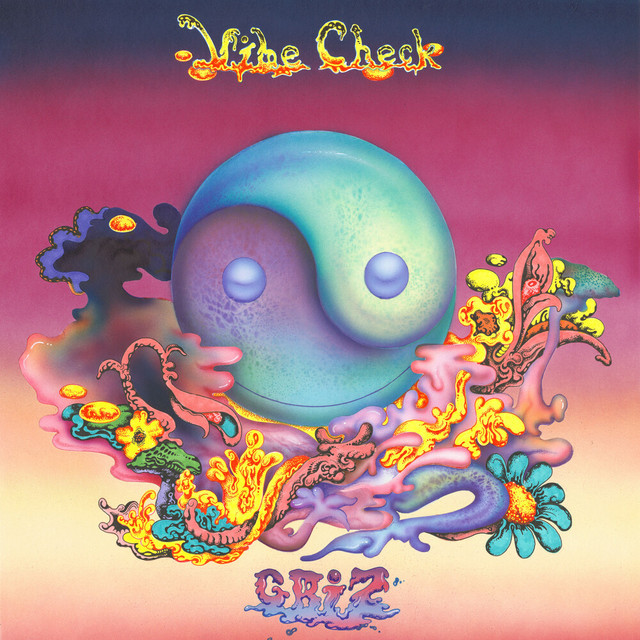
Vibe Check
GRiZ, GRiZ, GRiZ, GRiZ, GRiZ, GRiZ, GRiZ, ProbCause, Perrier, Chrishira, GRiZ,…
Jamtronica
Glitch Hop
Livetronica
2020
3
/5
Chasing The Golden Hour, Pt. 3
GRiZ
Jamtronica
Dubstep
Electronic
2020
2
/5
Bangers[5].Zip
GRiZ
Jamtronica
Dubstep
Electronic
2020
1
/5
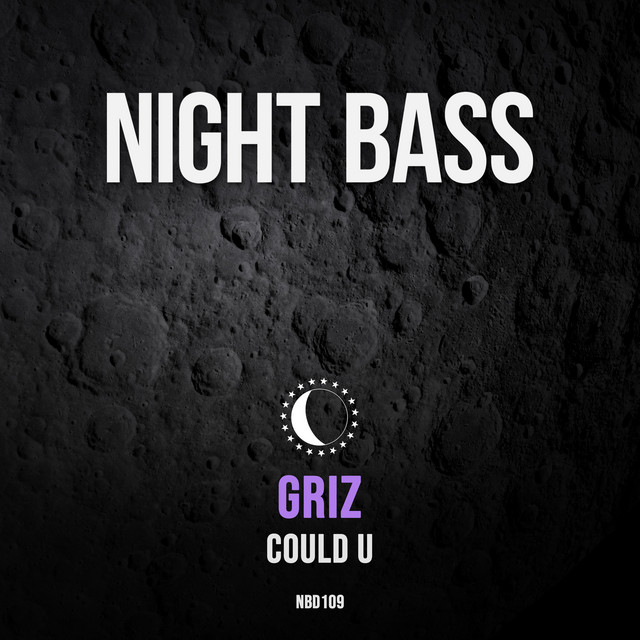
Could U
GRiZ
Jamtronica
Dubstep
Electronic
2019
2
/5
Bangers[4].Zip
GRiZ
Jamtronica
Dubstep
Electronic
2019
2
/5
Bangers[3].Zip
GRiZ
Jamtronica
Jazztronica
Livetronica
2019
3
/5
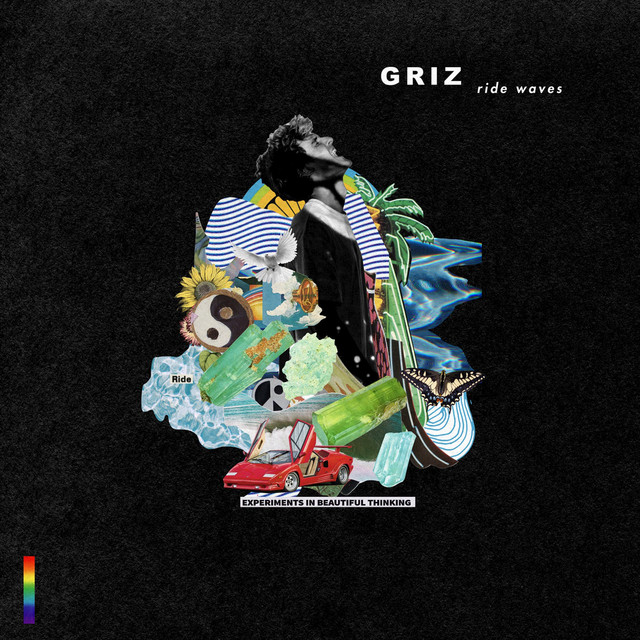
Ride Waves
GRiZ
Jamtronica
Livetronica
Jazztronica
2019
1
/5
Ride Waves
GRiZ
Glitch Hop Edm
Funktronica
Electronic
2016
3
/5
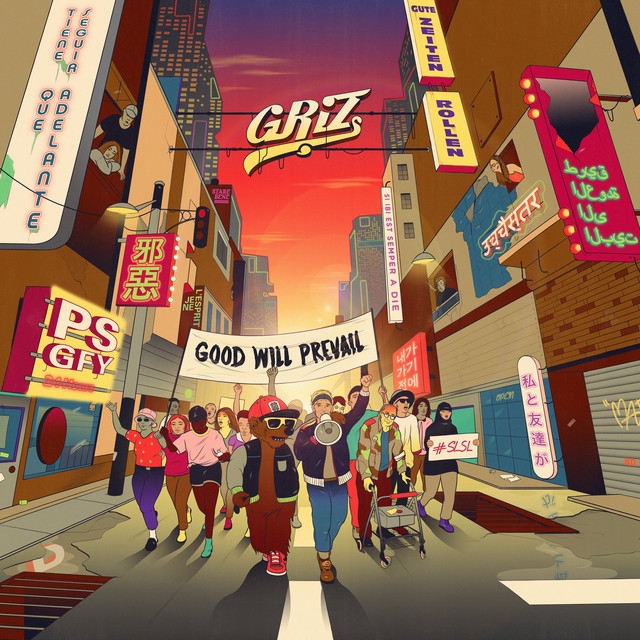
Good Will Prevail
GRiZ
Jamtronica
2016
1
/5
Good Will Prevail
GRiZ
Glitch Hop Edm
2013
1
/5
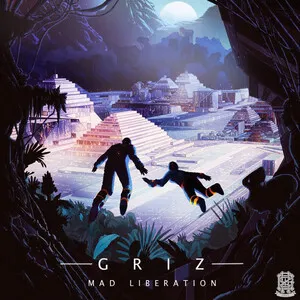
Mad Liberation
GRiZ
Glitch Hop Edm
Dubstep
Electronic
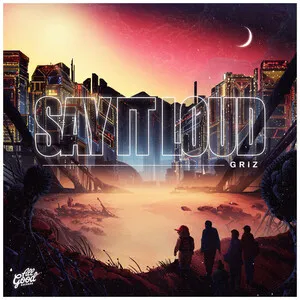
Say It Loud
GRiZ
Glitch Hop Edm
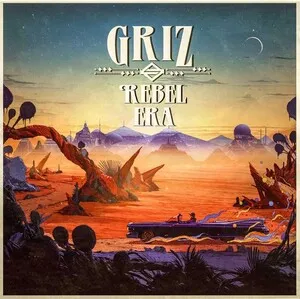
Rebel Era
GRiZ
Glitch Hop Edm
Similar artists
3
/5
Pretty Lights
Glitch Hop
Jazztronica
Livetronica
1
/5
Various Artists
Afro-Funk
Alternative Rock
Ambient
3
/5
Lotus
Livetronica
Jamtronica
Electronic
2
/5
STS9
Jamtronica
Livetronica
Ambient
3
/5
Flying Lotus
Glitch Hop
Idm
Instrumental Hip Hop
3
/5
Bassnectar
Glitch Hop
Dub
Dubstep
3
/5
Of The Trees
Glitch Hop
Experimental Bass
Bass Music
2
/5
The Disco Biscuits
Jamtronica
Livetronica
Jam Band
3
/5
The Glitch Mob
Glitch
Glitch Hop
Glitch Hop Edm
3
/5
Gramatik
Instrumental Hip Hop
Livetronica
Glitch Hop Edm
Download our mobile app
Get the Melodigging app and start digging for new genres on the go
Download on the App Store
Get it on Google Play
© 2026 Melodigging
Give feedback
Legal
Melodding was created as a tribute to
Every Noise at Once
, which inspired us to help curious minds keep digging into music's ever-evolving genres.