Genres
Artists
Albums
Make Music
Sign in
Sign in
Artists
Gregorian Chant
Artists
Gregorian Chant
Gregorian
2002–2013
·
7 albums
Listen
3
/5
Genres
Indian Indie
Indian indie is the umbrella for independent, non-film music made in India across languages such as Hindi, English, and numerous regional tongues. It is defined more by its DIY production and artist-led release model than by a single sound. Musically, it spans indie pop and rock, folk-fusion, singer‑songwriter ballads, dream‑pop/shoegaze textures, and electronic‑leaning productions. Artists often blend Western harmony and song forms with raga‑tinged melodies, Indian rhythmic feels, and occasional use of traditional instruments like tabla, bansuri, or sitar. The scene grew rapidly with college festivals, small venues, and digital platforms (YouTube, streaming services, Bandcamp), plus boutique labels and festivals such as NH7 Weekender that created national visibility. Lyrically, it tends to be intimate and contemporary—touching on romance, urban life, identity, and nostalgia—while maintaining accessible hooks and warm, organic sonics.
Discover
Listen
Gregorian Dance
Gregorian dance is a modern fusion style that overlays the timbre and melodies of medieval monophonic chant with contemporary dance and downtempo production. Deep reverb, modal melodies (often Dorian, Phrygian, or Mixolydian), and Latin liturgical texts are set against 4/4 beats, synth pads, and club-informed grooves. The sound sits between chillout and trance: tempos typically range from 90–110 BPM for lounge-oriented tracks to 120–130 BPM for club-oriented cuts. Producers frequently sample (or recreate) chant with male-choir textures, expansive reverbs, and drones, then add steady kicks, side‑chained pads, and subtle arpeggios to create an “ancient‑meets‑modern” atmosphere. While rooted in sacred chant aesthetics, much of the repertoire uses studio choirs or pseudo‑Latin syllables to achieve the vibe rather than strict historical performance practice.
Discover
Listen
Classical Crossover
Classical crossover blends elements of Western classical music with popular styles to create accessible, cinematic, and vocally forward repertoire. It typically keeps classical vocal technique or orchestral timbres while adopting pop song structures, contemporary production, and ear‑catching hooks. Arrangements often feature lush strings, piano, and choir, with dramatic dynamic arcs and key changes. Repertoire may include pop-influenced originals, classical themes with new lyrics, and reinterpretations of opera arias or film melodies, frequently sung in English, Italian, or Latin. The genre is designed for broad appeal without abandoning the polish and gravitas of classical performance, bridging concert hall aesthetics and mainstream listening contexts.
Discover
Listen
New Age
New age is a largely instrumental, mood-driven genre that emphasizes calm, spacious textures and a sense of spiritual or contemplative uplift. It blends gentle electronic timbres, acoustic instruments, and global/folk influences to create immersive soundscapes intended for relaxation, meditation, and introspection. Hallmarks include slow tempos or free time, long sustaining pads, modal and consonant harmonies, nature field recordings, and unobtrusive rhythms. The music often avoids dramatic tension in favor of openness and continuity, conveying themes of inner peace, nature, and the transcendent.
Discover
Listen
Ambient
Ambient is a form of electronic and electroacoustic music that prioritizes tone, atmosphere, and texture over conventional song structures and rhythmic drive. It typically features slow-moving harmonies, sustained drones, gentle timbral shifts, and extensive use of space and silence. Rather than drawing attention to itself through hooks or beats, ambient is designed to be as ignorable as it is interesting, rewarding both background listening and focused immersion. Artists often employ synthesizers, samplers, tape loops, field recordings, and subtle acoustic instruments, with reverb and delay creating a sense of place. Substyles range from luminous, consonant soundscapes to darker, more dissonant atmospheres.
Discover
Listen
Pop
Pop is a broad, hook-driven style of popular music designed for wide appeal. It emphasizes memorable melodies, concise song structures, polished vocals, and production intended for radio, charts, and mass media. While pop continually absorbs elements from other styles, its core remains singable choruses, accessible harmonies, and rhythmic clarity. Typical forms include verse–pre-chorus–chorus, frequent use of bridges and middle-eights, and ear-catching intros and outros. Pop is not defined by a single instrumentation. It flexibly incorporates acoustic and electric instruments, drum machines, synthesizers, and increasingly digital production techniques, always in service of the song and the hook.
Discover
Listen
Gregorian Chant
Gregorian chant is the central Western tradition of plainchant: a monophonic, unaccompanied sacred song in Latin (and occasionally Greek) used in the Roman Catholic liturgy. It employs free rhythm guided by the prosody of the text rather than by strict meter, and is sung in unison by clerics or scholas. Its melodies are organized by the system of eight church modes, with characteristic finalis (final), tenor/reciting tones, and melodic formulas. Repertoires include the Proper and Ordinary of the Mass (e.g., Introit, Gradual, Alleluia, Offertory, Communion, Kyrie, Gloria, Credo, Sanctus, Agnus Dei) and the Divine Office (e.g., Antiphons, Responsories, Hymns, Psalms). Although legend credits Pope Gregory I, modern scholarship sees Gregorian chant as a Carolingian synthesis of Old Roman and Gallican chants, standardized across Frankish realms and later the broader Latin West.
Discover
Listen
Choral
Choral refers to music written for and performed by a choir—an ensemble of voices organized into sections such as soprano, alto, tenor, and bass (SATB), or same-voice groupings (SSA, TTBB). It encompasses both sacred and secular repertoire and may be sung a cappella or with accompaniment by organ, piano, or full orchestra. Stylistically, choral music ranges from chant-like monophony to intricate polyphony and rich homophonic textures. Texts are drawn from liturgy, scripture, poetry, and vernacular sources, and are set in many languages. Performance contexts include church services, concert halls, and community events, making choral one of the most socially embedded and widely practiced forms of ensemble music. Across history, choral music has served as a laboratory for vocal counterpoint, word painting, and text-driven form, while functioning as a cultural bridge among religious rites, national traditions, and contemporary concert practice.
Discover
Listen
Show all 8 genres
Albums
2013
3
/5
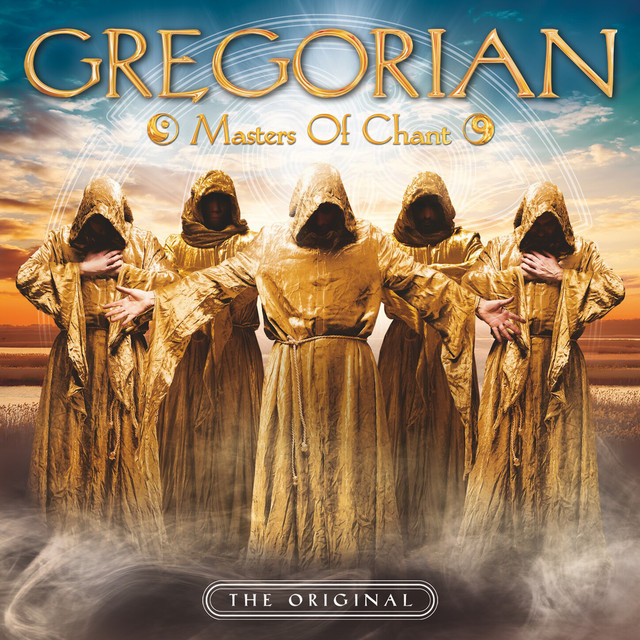
Masters of Chant: Chapter 9
Gregorian
Gregorian Dance
Gregorian Chant
2012
3
/5
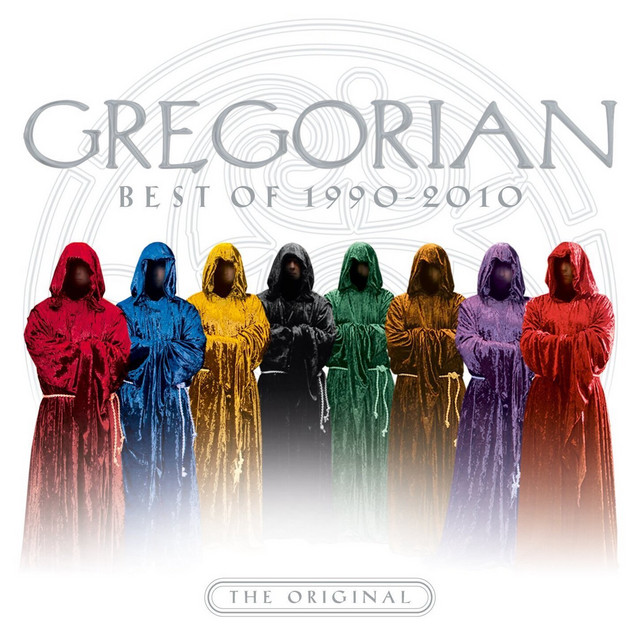
Best of (1990-2010)
Gregorian
Gregorian Dance
2009
1
/5
Masters of Chant Chapter VII
Gregorian
Gregorian Chant
2007
1
/5
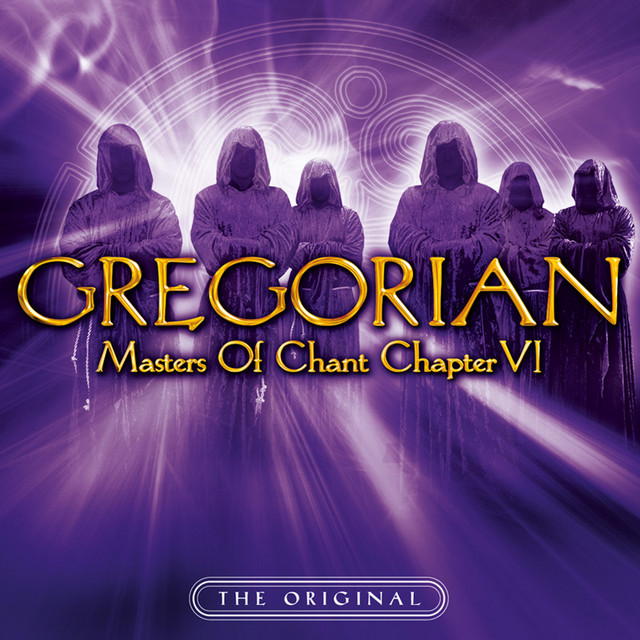
Masters of Chant: Chapter VI
Gregorian
Gregorian Dance
2005
2
/5
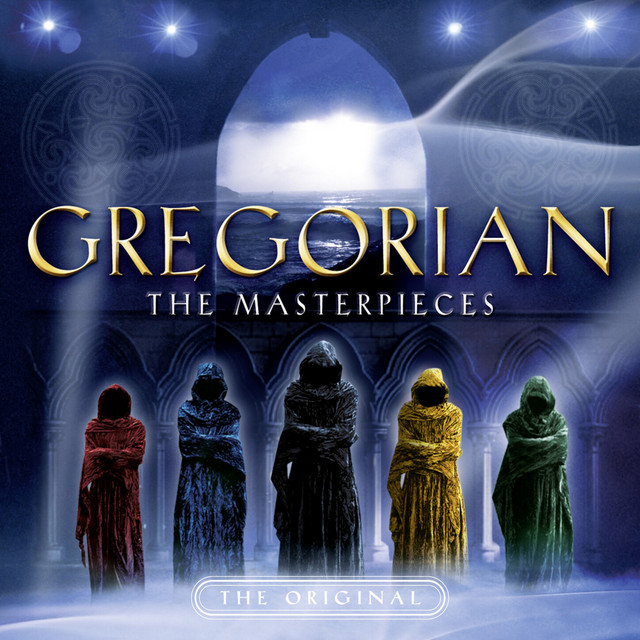
The Masterpieces
Gregorian
Gregorian Dance
Gregorian Chant
2002
1
/5
Masters of Chant Chapter III
Gregorian
Gregorian Chant
Masters of Chant Chapter II
Gregorian
Gregorian Chant
Similar artists
4
/5
Enigma
Gregorian Dance
New Age
Electronic
4
/5
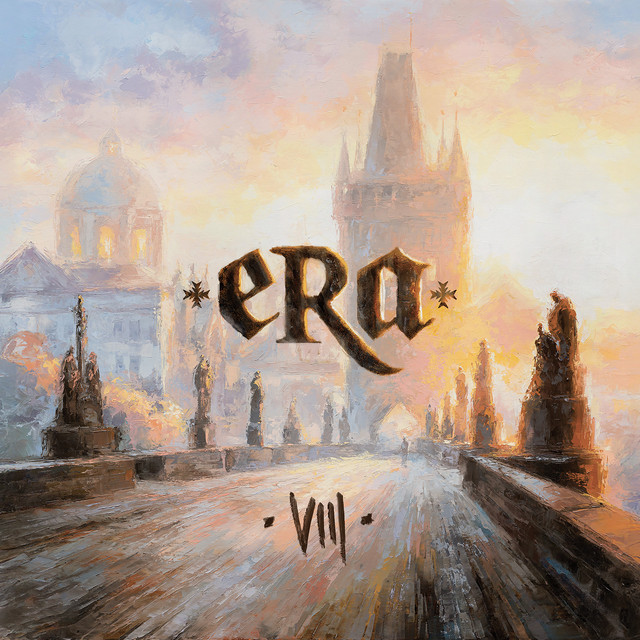
ERA
Gregorian Dance
Gregorian Chant
New Age
3
/5
Dan Gibson's Solitudes
Gregorian Dance
Gregorian Chant
New Age
2
/5
Shinnobu
Gregorian Chant
Gregorian Dance
New Age
2
/5
Magna Canta
Gregorian Chant
Gregorian Dance
New Age
4
/5
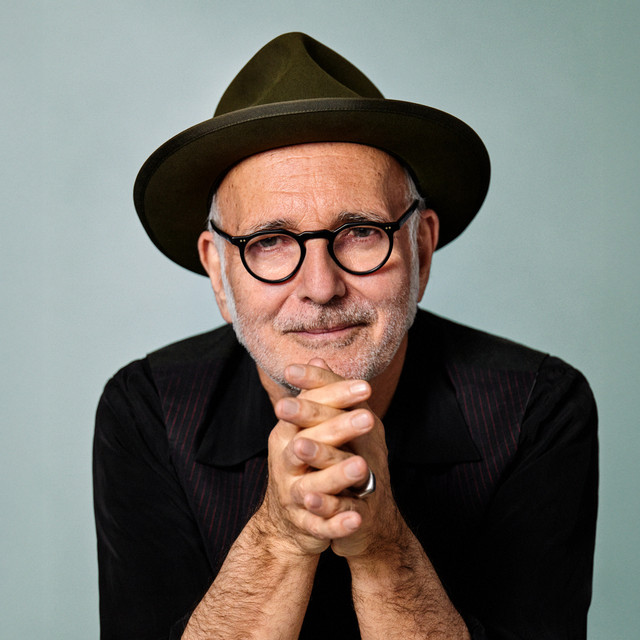
Ludovico Einaudi
Classical
Contemporary Classical
Compositional Ambient
4
/5
Enya
Celtic
Gregorian Dance
New Age
3
/5
Anonymous
Ars Antiqua
Gregorian Chant
Medieval
4
/5
Traditional
Gregorian Chant
Spanish Classical Music
Medieval Classical Music
4
/5
Howard Shore
Score
Soundtrack
Solo Wave
Download our mobile app
Get the Melodigging app and start digging for new genres on the go
Download on the App Store
Get it on Google Play
© 2026 Melodigging
Give feedback
Legal
Melodding was created as a tribute to
Every Noise at Once
, which inspired us to help curious minds keep digging into music's ever-evolving genres.