Genres
Artists
Albums
Make Music
Sign in
Sign in
Artists
Jazz
Artists
Jazz
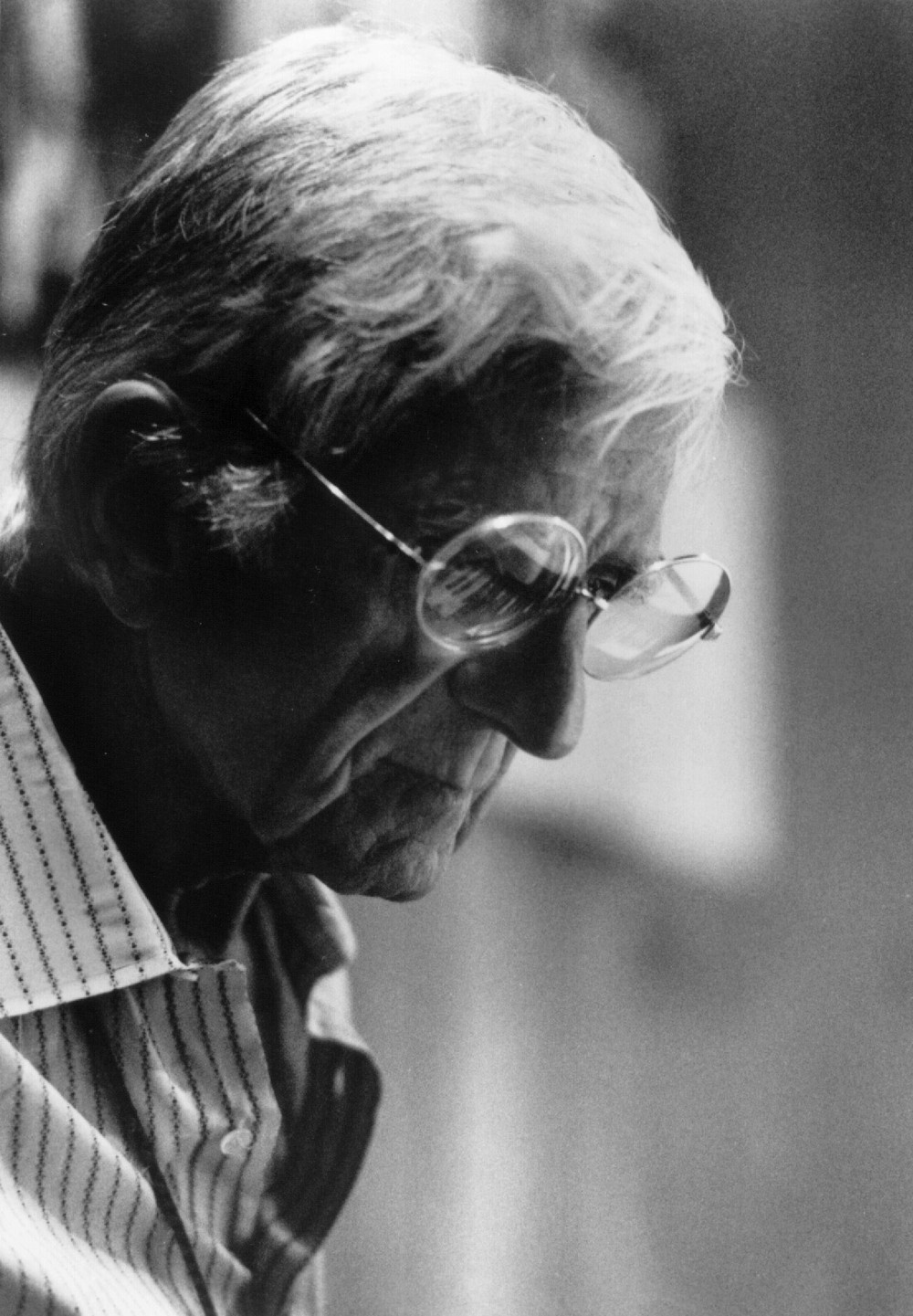
Gil Evans
1960–1973
·
4 albums
Listen
3
/5
Genres
Jazz Fusion
Jazz fusion (often simply called "fusion") blends the improvisational language and harmonic richness of jazz with the amplified instruments, grooves, and song forms of rock, funk, and R&B. It typically features electric guitars, electric bass or fretless bass, Rhodes electric piano, clavinet, analog and digital synthesizers, and a drum kit playing backbeat- and syncopation-heavy patterns. Hallmarks include extended chords and modal harmony, complex and shifting meters, brisk unison lines, virtuosic improvisation, and a production aesthetic that embraces effects processing and studio craft. The style ranges from fiery, aggressive workouts to polished, atmospheric textures, often within the same piece. Emerging in the late 1960s and flourishing through the 1970s, jazz fusion became a bridge between jazz audiences and rock/funk listeners, shaping later styles such as jazz-funk, smooth jazz, nu jazz, and parts of progressive and technical rock/metal.
Discover
Listen
Hard Bop
Hard bop is a mid‑1950s subgenre of jazz that extends bebop’s virtuosic improvisation while bringing back a more explicitly African‑American groove. It incorporates pronounced influences from blues, rhythm & blues, and gospel—especially evident in riff‑based heads, church‑like harmonic movements on piano, and earthy saxophone phrasing. Compared with bebop, hard bop favors stronger backbeat accents, more grounded bass lines, and memorable, soulful melodies, all while retaining fast, harmonically rich improvisation when desired. Typical ensembles are small groups (often quintets) with trumpet, tenor sax, piano, bass, and drums. The style’s hallmark is the blend of bop harmony and lines with blues/gospel feeling and a driving swing feel.
Discover
Listen
Experimental Big Band
Experimental big band is a forward-looking offshoot of the jazz big band tradition that applies avant‑garde composition, free improvisation, and nonstandard orchestrations to the classic large‑ensemble format. While it often retains a core lineup of saxophones, trumpets, trombones, and rhythm section, it commonly expands the palette with woodwind doublings, strings, electronics, unconventional percussion, and voice. Harmony ranges from extended tonal and modal writing to polytonality and atonality, often employing quartal/quintal harmony, tone clusters, and timbral (color‑based) harmonies. Rhythm favors odd meters, polyrhythms, metric modulation, and groove/texture hybrids. Forms may be through‑composed, modular, or suite‑like, and pieces frequently integrate conducted or cued improvisation, graphic notation, and other experimental score practices. Rather than a single codified style, experimental big band functions as an umbrella for large ensembles that push beyond swing and post‑bop arranging by drawing on contemporary classical approaches, free jazz, minimalism, electronics, and global traditions.
Discover
Listen
Modal Jazz
Modal jazz is a style of jazz in which improvisation and composition are organized around musical modes rather than rapid chord changes. Instead of navigating dense harmonic progressions (as in bebop and hard bop), modal jazz often sustains a single scale or a small set of modes for long stretches, creating a spacious, open canvas for melodic development. Hallmarks include slow harmonic rhythm, pedal points or drones, vamp-based forms, and quartal/quintal voicings on piano and guitar. Improvisers focus on color, contour, and motivic variation inside a mode (e.g., Dorian, Mixolydian, Aeolian, Lydian), rather than outlining constant chord substitutions. The sound is typically lyrical, floating, and contemplative, but it can also be turbulent and intense when rhythm section dynamics and modal tension are pushed. Canonical examples include Miles Davis’s Kind of Blue (1959) and John Coltrane’s modal vehicles such as Impressions and My Favorite Things.
Discover
Listen
Third Stream
Third stream is a hybrid genre that intentionally merges the languages of jazz and Western classical music. Coined by composer and horn player Gunther Schuller in 1957, the term describes music that is neither "jazz with strings" nor classical music with a swing veneer, but a true synthesis. It typically combines classical forms (such as fugue, theme and variations, or concerto-like structures) and orchestration with jazz harmony, rhythm, and improvisation. The results range from chamber-sized works for jazz combo and string quartet to large pieces for orchestra and jazz soloists. Third stream pieces often alternate between fully notated sections and improvised passages, use counterpoint and extended harmony, and may blend straight and swung time feels within a single work.
Discover
Listen
Avant-Garde Jazz
Avant-garde jazz is a boundary-pushing current of jazz that privileges experimentation, collective improvisation, and timbral exploration over conventional song forms and chord progressions. It often uses atonality or loose tonality, extended instrumental techniques, shifting or absent meters, and open forms. Ensembles may emphasize texture and density as much as melody and harmony, drawing as readily from modern classical music and non-Western traditions as from blues and bebop. While sometimes intense or noisy, avant-garde jazz also embraces spaciousness and silence, allowing players to interact in real time without predetermined roles. The result is music that questions the limits of jazz itself, foregrounding sound, spontaneity, and social expression.
Discover
Listen
Bebop
Bebop is a modern jazz style characterized by fast tempos, intricate melodies, and harmonically advanced improvisation. It moved jazz from dance-oriented big-band music to art-focused small-ensemble performance, prioritizing virtuosity and spontaneous creativity. Typical bebop groups are quintets or quartets featuring trumpet, alto or tenor saxophone, piano, double bass, and drums. The music emphasizes asymmetrical phrasing, extended chords and substitutions, and contrafacts—new melodies written over the chord changes of popular songs. Rhythm sections center time on the ride cymbal, with the bass walking and the drummer "dropping bombs" on snare and bass drum. Melodies are angular and chromatic, and soloists outline rapidly shifting harmonies with bebop scales, enclosure tones, and altered dominants.
Discover
Listen
Cool Jazz
Cool jazz is a modern jazz style marked by relaxed tempos, lighter tone, and a focus on arrangement, counterpoint, and timbral clarity. It favors understatement over virtuoso display and uses dynamics, space, and balance to create an airy, "cool" ambience. Emerging in the late 1940s, the style drew on bebop’s harmonic sophistication while smoothing its angular edges, often incorporating classical techniques such as linear writing and orchestral color. Hallmarks include brushed drums, lyrical improvisation, careful voice-leading, and unusual instrumentation (for jazz) like French horn and tuba alongside trumpet, saxophones, trombone, piano, bass, and drums. Although associated with the U.S. West Coast in the 1950s, cool jazz originated in New York through sessions led by Miles Davis and arranged by Gil Evans and others. It went on to influence bossa nova, third stream, modal jazz, and later smooth jazz and lounge aesthetics.
Discover
Listen
Progressive Big Band
Progressive big band is a post–World War II evolution of big band jazz that shifts the focus from dance music to concert-oriented, highly arranged works. It preserves the massed brass-and-reeds power of swing-era ensembles, but adopts bebop’s advanced harmony and lines, classical orchestration techniques, and ambitious, often through-composed forms. Arrangers favored expanded instrumentation (French horns, tuba, Latin percussion, sometimes strings), dense voicings, polytonality, and dramatic dynamic contrasts, yielding a bold, modernist “concert jazz” sound. Compared with swing, the rhythm can alternate between a hard-driving 4/4, even-eighth feels, Latin grooves, and unusual meters, while sections trade contrapuntal lines more than riff-based call-and-response. The result is an epic, sometimes imposing aesthetic that bridged jazz and contemporary classical ideas.
Discover
Listen
Big Band
Big band is a large-ensemble style of jazz and popular dance music built around brass, reed, and rhythm sections playing arranged parts. Typical instrumentation includes five saxophones (often doubling clarinet/flute), four trombones, four trumpets, and a rhythm section of piano, guitar, upright bass, and drum set. The music emphasizes swing rhythms, call-and-response between sections, riff-based writing, and dramatic shout choruses, while leaving space for improvised solos. Born in American ballrooms and theaters, big band became the sound of the Swing Era, providing both music for dancing and a platform for sophisticated arranging and orchestration that shaped much of 20th‑century jazz and popular music.
Discover
Listen
Jazz
Jazz is an improvisation-centered music tradition that emerged from African American communities in the early 20th century. It blends blues feeling, ragtime syncopation, European harmonic practice, and brass band instrumentation into a flexible, conversational art. Defining features include swing rhythm (a triplet-based pulse), call-and-response phrasing, blue notes, and extended harmonies built on 7ths, 9ths, 11ths, and 13ths. Jazz is as much a way of making music—spontaneous interaction, variation, and personal sound—as it is a set of forms and tunes. Across its history, jazz has continually hybridized, from New Orleans ensembles and big-band swing to bebop, cool and hard bop, modal and free jazz, fusion, and contemporary cross-genre experiments. Its influence permeates global popular and art music.
Discover
Listen
Iberian Music
Iberian music is an umbrella term for the intertwined musical traditions of Spain and Portugal, shaped over centuries by Mediterranean, North African, and European currents. It spans sacred chant and courtly song, rural dance traditions, fado and flamenco, art music inspired by folk idioms, and contemporary fusions. At its core are distinctive rhythmic cycles (such as flamenco compás), modal colors (notably the Phrygian cadence and Hijaz-like inflections), and poetic themes ranging from duende’s raw intensity to fado’s saudade. Guitars (Spanish and Portuguese), clapping (palmas), cajón, castanets, and regional instruments (gaita galega, bandurria, Portuguese guitarra) are central timbral markers. As a cultural matrix rather than a single style, Iberian music both preserves local identities—Andalusian, Galician, Catalan, Alentejano—and continually reinvents itself in dialogue with classical composition, jazz, rock, and electronic music.
Discover
Listen
Spanish Music
Spanish music is an umbrella term for the diverse musical traditions and popular styles that originate in Spain. It spans folkloric and regional idioms (such as flamenco, sevillanas, jota, and Galician, Basque, and Catalan song), urban popular genres (copla, pasodoble, pop, rock), and a rich classical tradition (zarzuela and concert music) shaped by Iberian history. Its sound world is marked by the legacy of Al‑Andalus and the Mediterranean: modal melodies (especially the Phrygian/"Andalusian" color), melismatic singing, intricate clapping (palmas), expressive guitar techniques, castanets, and dance-driven rhythms. At the same time, Spain’s sacred and courtly repertoires (medieval chant, Renaissance and Baroque polyphony) underpin a broader art‑music lineage that culminates in national classical styles of the 19th and 20th centuries. Today the term covers both heritage practices (flamenco cante jondo, regional dances) and contemporary fusions (flamenco pop/urbano, indie, and rock), reflecting Spain’s multilingual cultures and ongoing dialogue with Europe, the Mediterranean, and Latin America.
Discover
Listen
Hispanic Music
Hispanic music is an umbrella term for the diverse body of Spanish‑language musical traditions originating in Spain and evolving across the Hispanic world of Latin America and the Caribbean. It encompasses folk, sacred, classical, and popular forms, and today includes everything from flamenco and bolero to salsa, norteño, bachata, rock en español, and reggaetón. Historically, it reflects a multilayered synthesis: Iberian song and dance practices, Catholic liturgical and art‑music lineages, and deep contributions from Indigenous American and West/Central African musics forged during the colonial era. The result is a family of styles united by language but varied in rhythm, instrumentation, and aesthetics, often emphasizing danceable grooves, expressive vocals, and storytelling lyrics.
Discover
Listen
Spanish Classical Music
Spanish classical music refers to the art-music tradition created by composers active in Spain from the Renaissance to the present, encompassing sacred polyphony, court and theatrical genres, instrumental idioms for guitar and keyboard, and nationalist currents that elevate regional dance and song types. It is characterized by the coexistence of European common-practice techniques with distinctively Iberian colors: modal inflections (especially the Phrygian flavor), the Andalusian cadence, dance-derived rhythms (fandango, seguidilla, jota, bolero), and an idiomatic centrality of the guitar alongside choirs, keyboard, chamber, and orchestral forces. Across centuries, Spanish composers have contributed both to pan-European classical forms (mass, motet, sonata, concerto, symphony, opera) and to uniquely Spanish hybrids (zarzuela, tonadilla), while absorbing deep historical layers that include medieval chant, Renaissance polyphony, and interactions with Sephardic, Moorish/Andalusian, and folk–flamenco traditions.
Discover
Listen
European Music
“European music” is a broad umbrella covering the historical and regional practices that developed across the European continent, from medieval sacred chant and courtly song to folk traditions, art (classical) music, and later popular and electronic styles. Common threads include the codification of staff notation, the development of modal and later tonal harmony, the use of structured forms (e.g., mass, motet, madrigal; sonata, symphony, opera; verse–chorus song), and a rich palette of instruments culminating in the modern orchestra and various regional folk ensembles. While extremely diverse from region to region, European music is marked by a continuous dialogue between sacred and secular practices, learned written traditions and oral folk idioms, and later between art music and mass-market popular genres.
Discover
Listen
Show all 16 genres
Albums
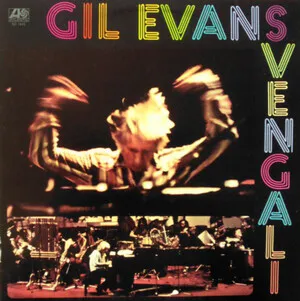
1973
1
/5
Svengali
Gil Evans
Experimental Big Band
Jazz
1964
2
/5
The Individualism of Gil Evans
Gil Evans
Progressive Big Band
Big Band
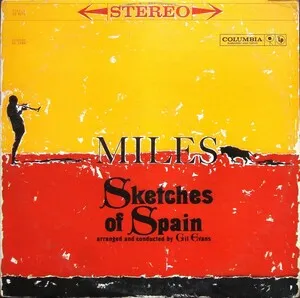
1960
3
/5
Sketches of Spain
Miles Davis
Iberian Music
Spanish Classical Music
Spanish Music
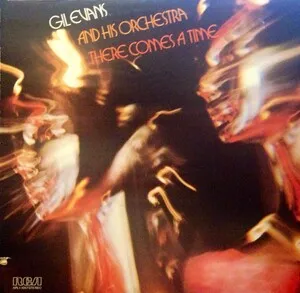
There Comes a Time
Gil Evans
Progressive Big Band
Similar artists
3
/5
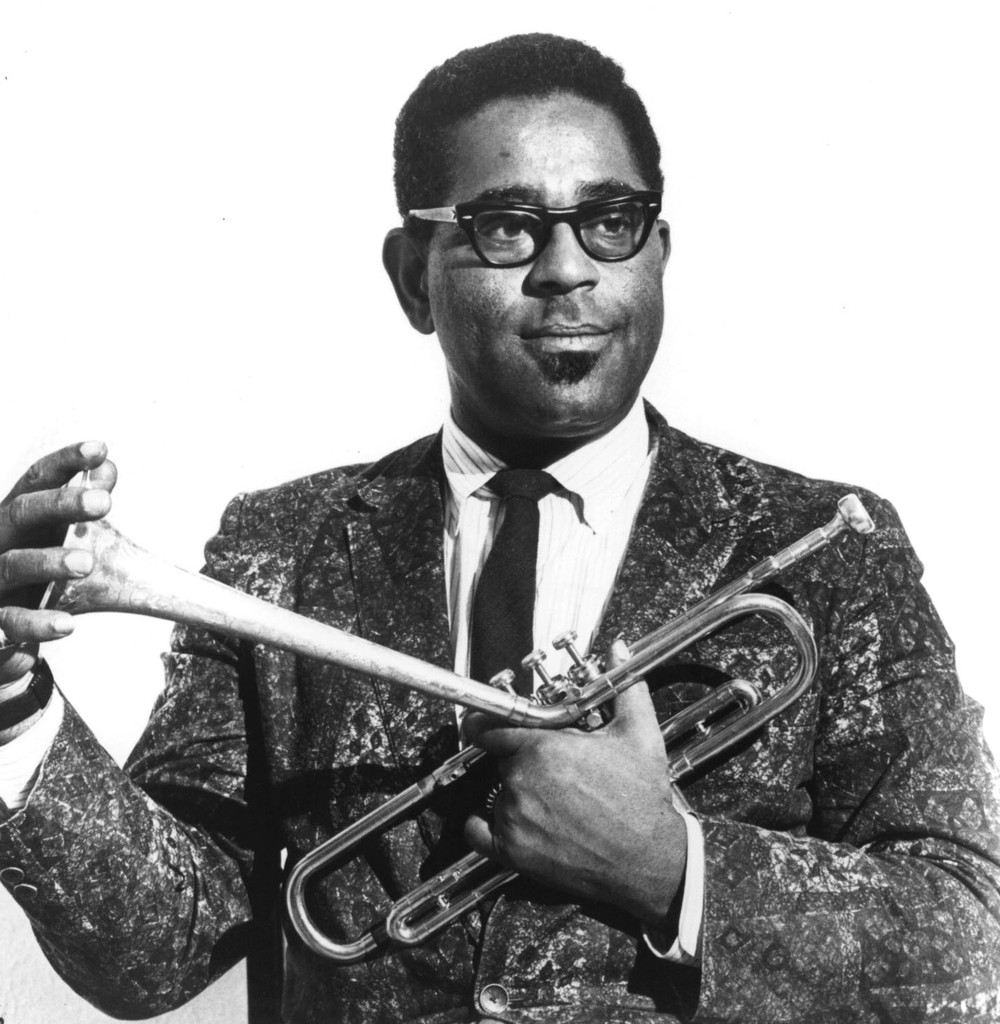
Dizzy Gillespie
Bebop
Big Band
Latin Jazz
3
/5
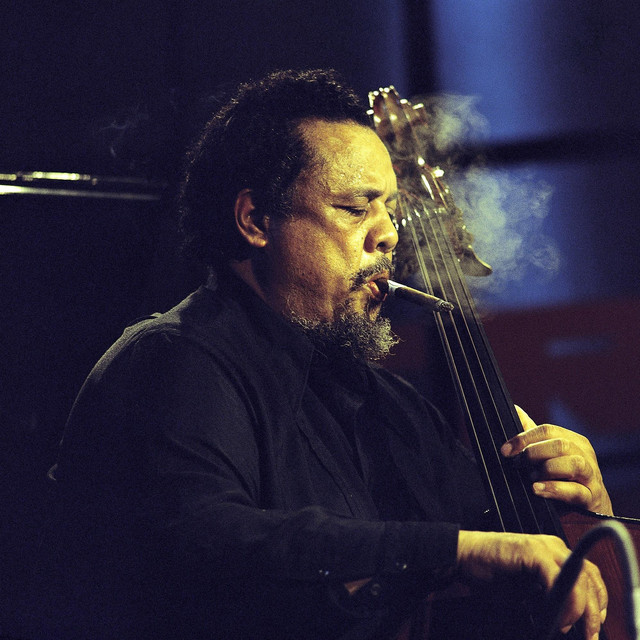
Charles Mingus
Jazz
Hard Bop
Post-Bop
3
/5
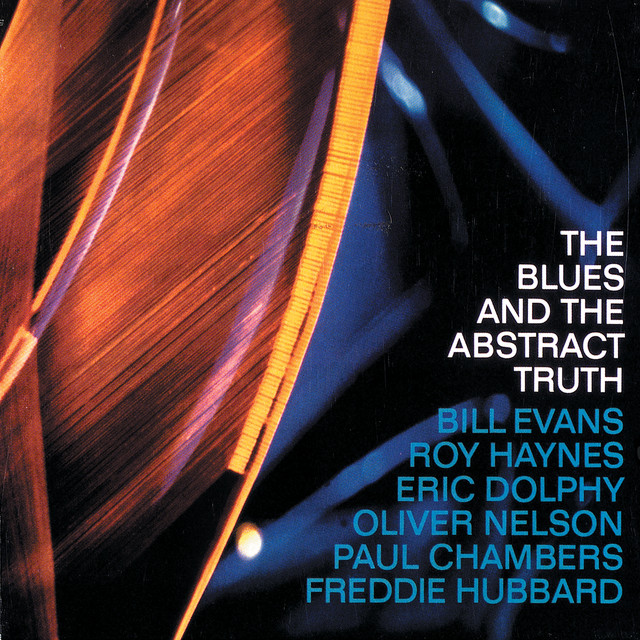
Oliver Nelson
Hard Bop
Jazz
Bebop
2
/5
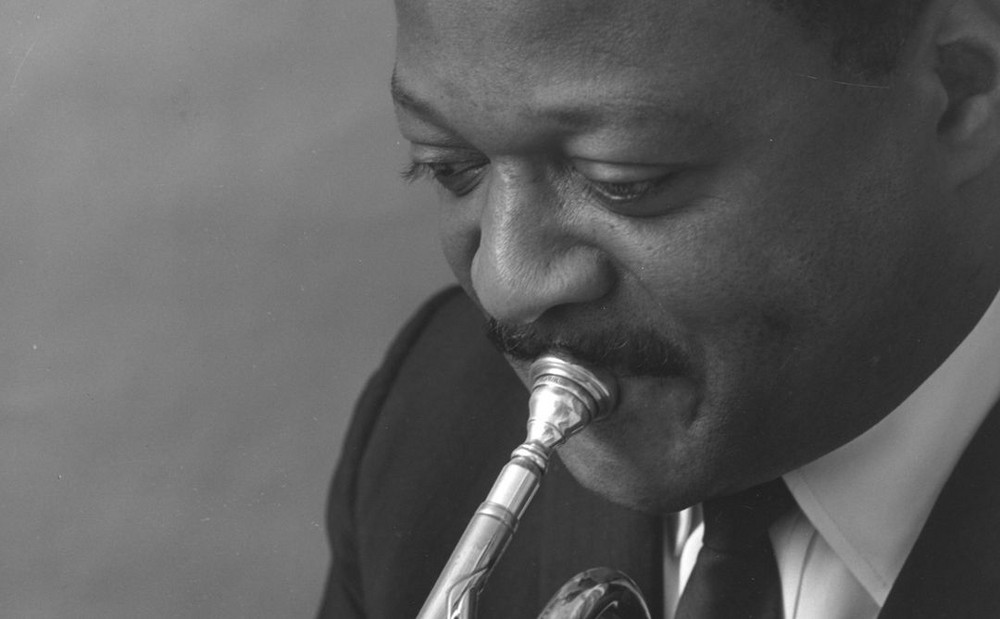
Clark Terry
Bebop
Jazz
Big Band
2
/5
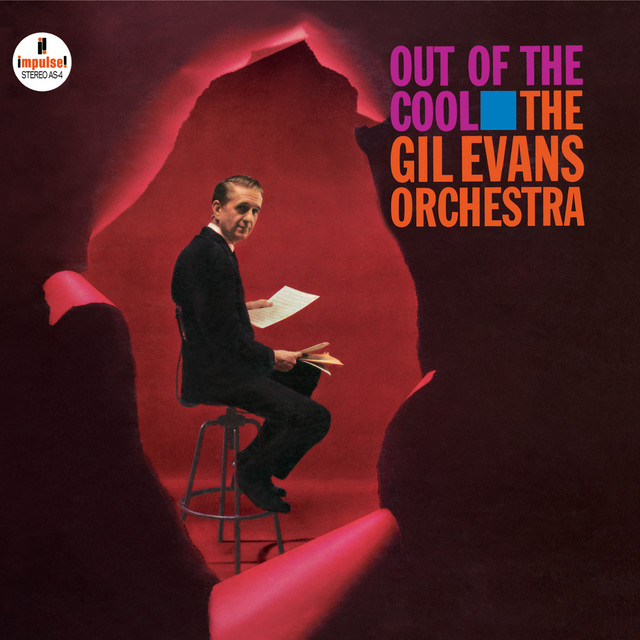
The Gil Evans Orchestra
Big Band
Cool Jazz
Bebop
1
/5
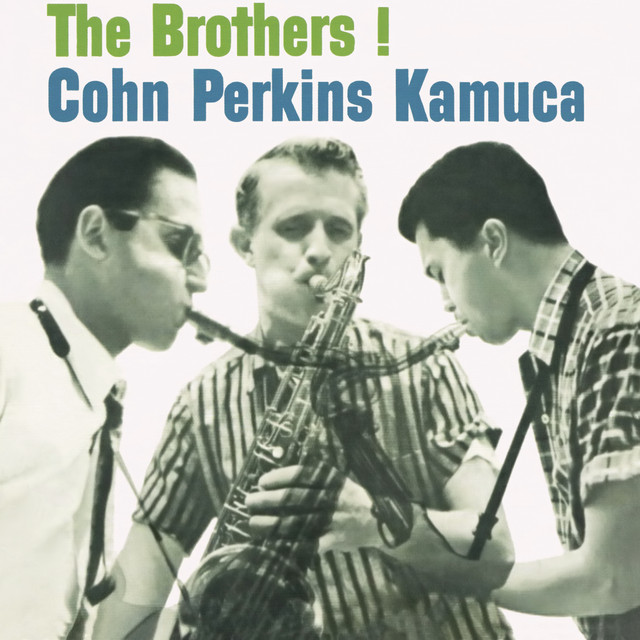
Richie Kamuca
Bebop
Big Band
Cool Jazz
4
/5
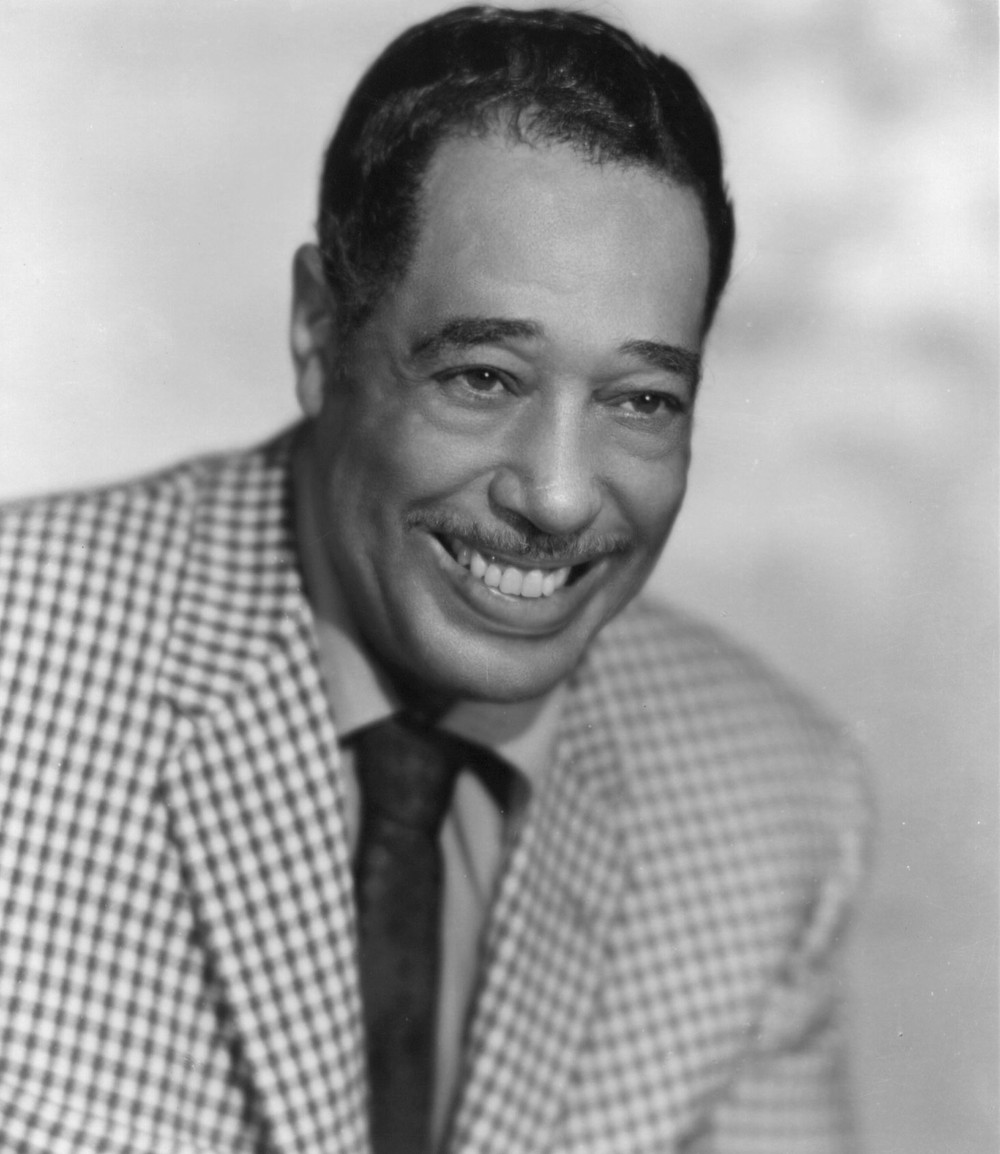
Duke Ellington
Big Band
Swing
Jazz
4
/5
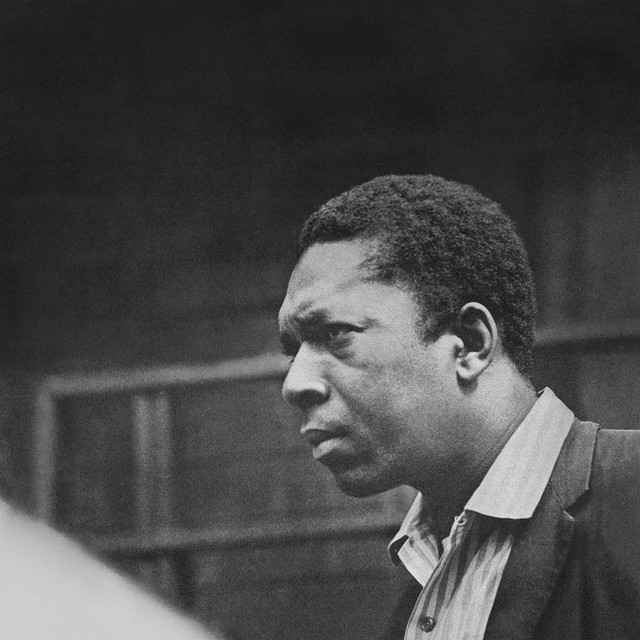
John Coltrane
Free Jazz
Hard Bop
Jazz
4
/5
Miles Davis
Jazz
Jazz Fusion
Hard Bop
4
/5
Bill Evans
Cool Jazz
Jazz
Bebop
Download our mobile app
Get the Melodigging app and start digging for new genres on the go
Download on the App Store
Get it on Google Play
© 2026 Melodigging
Give feedback
Legal
Melodding was created as a tribute to
Every Noise at Once
, which inspired us to help curious minds keep digging into music's ever-evolving genres.