Genres
Artists
Albums
Make Music
Sign in
Sign in
Artists
Armenian Folk Music
Artists
Armenian Folk Music
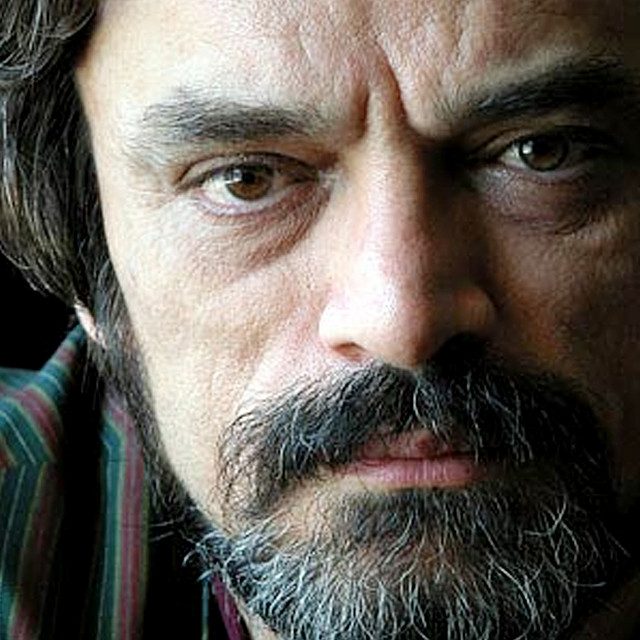
Gevorg Dabagian
1996–2005
·
2 albums
Listen
2
/5
Genres
Traditional Music
Traditional music is an umbrella term used in the mid–20th century by folklorists and ethnomusicologists to denote community-rooted, orally transmitted repertoires tied to social ritual, work, celebration, and storytelling. Unlike commercial pop or art-music traditions, traditional music is typically learned by ear, varies regionally, and evolves slowly through communal participation. It often features modal melodies, cyclic rhythms, heterophony or unison singing, and indigenous instruments whose timbres are integral to local identity. Lyrics tend to preserve language, history, and collective memory. While the musical practices themselves can be ancient, the phrase “traditional music” emerged to replace earlier, narrower or colonial framings like “folk” or “ethnic” music, foregrounding continuity, locality, and living practice rather than exoticism.
Discover
Listen
Folk
Folk is a song-centered acoustic tradition rooted in community storytelling, everyday life, and social history. It emphasizes clear melodies, simple harmonies, and lyrics that foreground narrative, protest, and personal testimony. As a modern recorded genre, folk coalesced in the early-to-mid 20th century in the United States out of older ballad, work song, and rural dance traditions. It typically features acoustic instruments (guitar, banjo, fiddle, mandolin, harmonica), strophic song forms, and participatory singing (choruses, call-and-response).
Discover
Listen
Armenian Folk Music
Armenian folk music is the traditional music of the Armenian people, traceable to antiquity and preserved through rich regional styles. It is unified by shared modal systems, vocal ornaments, and poetic song forms that give it a distinctive Armenian character despite local dialects and variants. Typical instruments include the duduk (double‑reed apricot wood oboe), the kamancha/kemenche (spike fiddle), the oud (fretless lute), the zurna and dhol (outdoor shawm and drum pair), the shvi/blul (duct flutes), the kanun (plucked zither), and the tar. Vocal genres range from work songs (horovel) and laments to epic and love ballads associated with the ashugh (bardic) tradition, alongside lively line dances such as kochari, shalakho, and tamzara. In sound and structure it is closely related to other Caucasian and West Asian traditions, sharing melodic types, asymmetric rhythms (e.g., 5/8, 7/8, 9/8), and ornamentation with Georgia, Azerbaijan, and eastern Anatolia, yet retaining unmistakable Armenian melodic turns and cadences.
Discover
Listen
Medieval
Medieval music refers to the diverse sacred and secular musical practices of Europe between the fall of the Western Roman Empire and the dawn of the Renaissance. It spans more than eight centuries, from early monophonic chant to the first notated polyphony. Core features include the use of church modes rather than major/minor, extensive reliance on vocal music (Latin sacred chant as well as vernacular song), and the progressive development from unmeasured chant to rhythmic modal notation and, later, mensural notation. Texture evolves from monophony (plainchant, troubadour songs) to organum, conductus, and the motet, culminating in complex isorhythmic works by the late 13th–14th centuries. Secular traditions—troubadours and trouvères in France, Minnesänger in German lands, and the Iberian Cantigas—coexisted with and influenced sacred practice. Instruments such as the vielle, harp, psaltery, recorder, shawm, hurdy-gurdy, and portative organ often doubled or accompanied voices, though much music remained purely vocal.
Discover
Listen
Armenian Music
Armenian music encompasses the sacred and secular traditions of the Armenian Highlands, with roots that trace back to Bronze Age ritual, epic song, and village dance. Over millennia it developed a distinct modal language, ornate vocal style, complex additive rhythms, and a celebrated palette of timbres—most famously the warm, breathy voice of the apricot-wood duduk. A continuous sacred tradition (Armenian chant, or sharakans) evolved alongside folk practices (work songs, laments, lullabies, and dance suites such as kochari and shalakho). Medieval Armenians created the khaz neumatic notation, one of the world’s earliest indigenous systems for recording melody. In the late 19th and early 20th centuries, Komitas Vardapet collected and reimagined village repertories, helping found a modern national school later broadened by composers like Aram Khachaturian, Alexander Arutiunian, and Arno Babajanian. Today, Armenian music ranges from liturgical choirs and duduk ensembles to jazz, rock, and electronic fusions. Diasporic and local scenes share a common aesthetic: modal melody with expressive ornamentation, heterophonic textures, and asymmetric meters that invite communal dance and lyrical introspection alike.
Discover
Listen
Albums
2005
1
/5
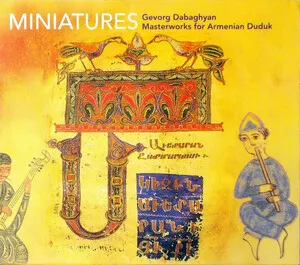
Miniatures: Masterworks for the Armenian Duduk
Gevorg Dabaghyan
Armenian Folk Music
Folk
Medieval
1996
2
/5
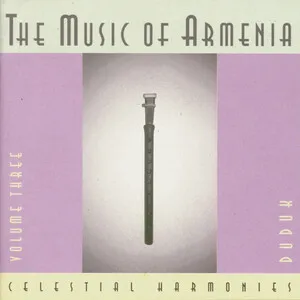
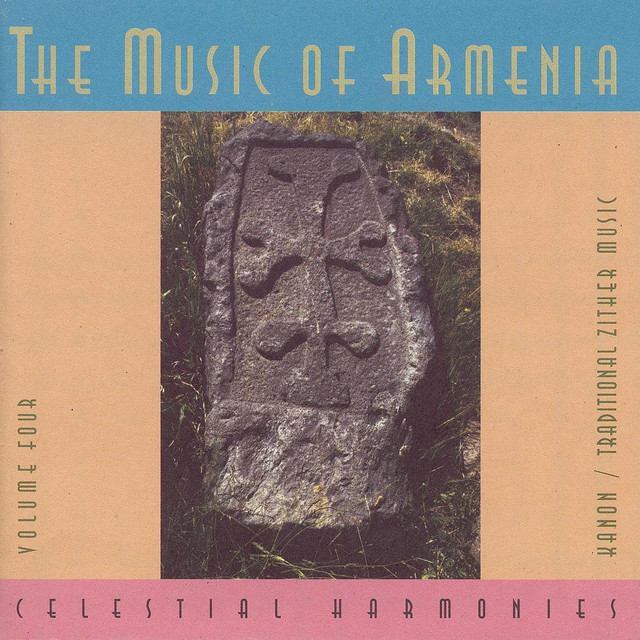
The Music of Armenia Vol. 3: Duduk
Gevorg Dabagian
Armenian Folk Music
Armenian Music
Similar artists
3
/5
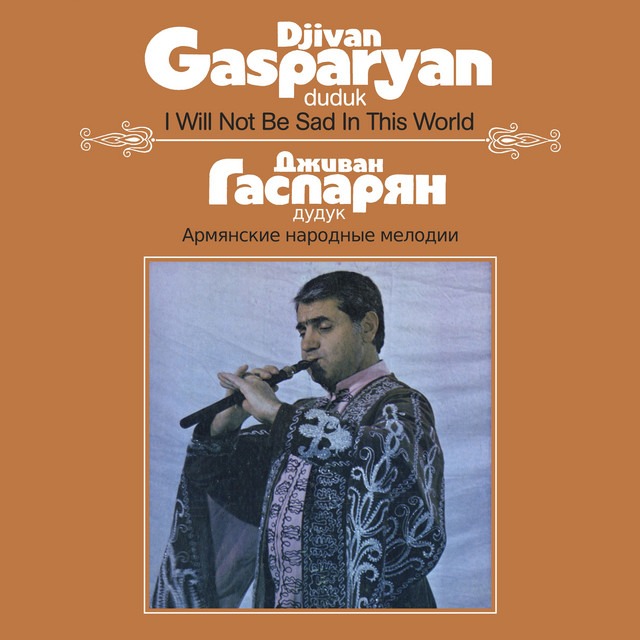
Djivan Gasparyan
Armenian Folk Music
Armenian Music
Folk
2
/5
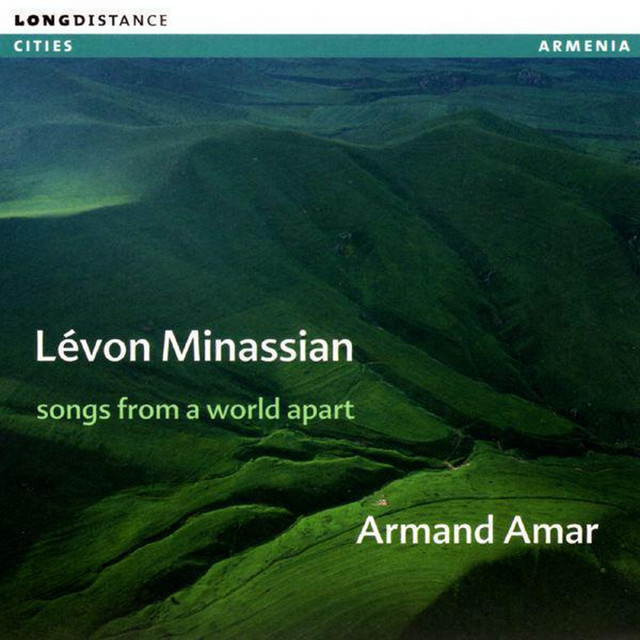
Lévon Minassian
Armenian Folk Music
Armenian Music
Deep Soundtrack
2
/5
Luar Na Lubre
Galician Folk Music
Folk
Celtic
2
/5
Hossein Alizadeh
Sufi
Traditional Folk
Traditional Music
2
/5
Malicorne
Folk
French Folk Music
Auvergnat Folk Music
1
/5
L'Ham De Foc
Folk
Catalan Folk Music
Spanish Folk Music
1
/5
Karineh Hovhanessian
Gregorian Chant
Traditional Music
Armenian Folk Music
3
/5
Jordi Savall
Renaissance
Baroque
Classical
3
/5
Armand Amar
Deep Soundtrack
Sufi
Armenian Folk Music
3
/5
Tri Yann
Breton Celtic Folk Music
Breton Folk Music
Celtic Rock
Download our mobile app
Get the Melodigging app and start digging for new genres on the go
Download on the App Store
Get it on Google Play
© 2026 Melodigging
Give feedback
Legal
Melodding was created as a tribute to
Every Noise at Once
, which inspired us to help curious minds keep digging into music's ever-evolving genres.