Genres
Artists
Albums
Make Music
Sign in
Sign in
Artists
Free Jazz
Artists
Free Jazz
George Lewis
1979–2001
·
2 albums
Listen
1
/5
Genres
Modern Creative
Modern Creative is a contemporary jazz umbrella that blends the improvisational daring of avant‑garde and free jazz with post‑bop craft, jazz fusion electricity, and the harmonic/structural ideas of Modern and Contemporary Classical music. In practice it is a semi‑improvisational approach: pre‑composed modules, cue‑based forms, and open sections are interwoven, while grooves and textures can draw from funk, pop, and rock as easily as from swing or rubato abstraction. The result ranges from ethereal, chamber‑like soundscapes to intense, rhythmically intricate ensembles—always prioritizing exploration within a purposeful compositional frame.
Discover
Listen
Loft Jazz
Loft jazz is a New York–centered jazz movement of the 1970s in which musicians reclaimed inexpensive industrial lofts in SoHo, Tribeca, and the Lower East Side as DIY performance and rehearsal spaces. More a scene and practice than a rigid style, loft jazz blends the freedom and energy of free jazz with post-bop craft, open forms, and an eclectic curiosity for world rhythms, funk vamps, and chamber-like textures. Musicians emphasized extended techniques, collective improvisation, and flexible ensembles—often without chordal instruments—while cultivating community-led venues, self-produced concerts, and independent recording. The sound ranges from meditative, spacious explorations to intense, high-energy “fire music,” unified by a spirit of autonomy, experimentation, and proximity between performers and audience.
Discover
Listen
Free Jazz
Free jazz is a radical branch of jazz that rejects fixed chord progressions, strict meter, and conventional song forms in favor of collective improvisation, textural exploration, and spontaneous interaction. Musicians prioritize timbre, dynamics, and gesture as much as pitch and harmony, often using extended techniques (multiphonics, overblowing, prepared piano) and unconventional sounds. While rooted in the blues and earlier jazz vocabularies, free jazz frees improvisers from pre-set harmonic cycles, allowing lines to unfold over tonal centers, shifting modes, drones, or complete atonality. Rhythm sections may float without a steady pulse, or drive with layered polyrhythms and “energy playing.” The result ranges from contemplative soundscapes to cathartic, high-intensity eruptions. Culturally, the genre intersected with the civil rights era and broader avant-garde movements, emphasizing autonomy, community, and new possibilities for musical expression.
Discover
Listen
Jazz
Jazz is an improvisation-centered music tradition that emerged from African American communities in the early 20th century. It blends blues feeling, ragtime syncopation, European harmonic practice, and brass band instrumentation into a flexible, conversational art. Defining features include swing rhythm (a triplet-based pulse), call-and-response phrasing, blue notes, and extended harmonies built on 7ths, 9ths, 11ths, and 13ths. Jazz is as much a way of making music—spontaneous interaction, variation, and personal sound—as it is a set of forms and tunes. Across its history, jazz has continually hybridized, from New Orleans ensembles and big-band swing to bebop, cool and hard bop, modal and free jazz, fusion, and contemporary cross-genre experiments. Its influence permeates global popular and art music.
Discover
Listen
Ragtime
Ragtime is an African American–rooted piano style that flourished from the 1890s to the 1910s, characterized by lively syncopation in the right hand against a steady, march-like “oom‑pah” accompaniment in the left hand. Typically written in 2/4 or 4/4 time and notated with straight (unswung) eighth notes, classic rags unfold in multiple 16‑bar strains, often in the form AABBACCDD. The music draws on cakewalk rhythms, marching-band forms, and popular song, and it became a sensation through sheet music, piano rolls, and parlor performance. Scott Joplin, known as the “King of Ragtime,” helped codify the genre’s refined, compositional approach, calling for moderate tempos and a clear, singing melody. Beyond solo piano, ragtime was arranged for small ensembles and orchestras, found a home in vaudeville and dance halls, and laid essential groundwork for early jazz, stride piano, and much of 20th‑century American popular music.
Discover
Listen
Albums
2001
1
/5
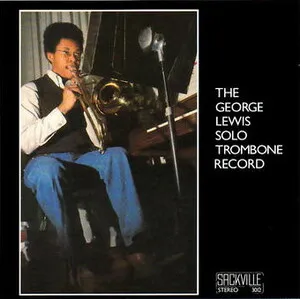
The George Lewis Solo Trombone Record
George Lewis
Loft Jazz
1979
1
/5
Homage to Charles Parker
George Lewis
Modern Creative
Similar artists
2
/5
Marion Brown
Avant-Garde
Free Jazz
Jazz
1
/5
Anthony Braxton
Jazz
Modern Creative
Free Improvisation
1
/5
Henry Threadgill
Jazz
Avant-Garde
Free Jazz
1
/5
Wadada Leo Smith
Jazz
Avant-Garde Jazz
Free Jazz
1
/5
Air
Jazz
Loft Jazz
Avant-Garde
1
/5
Oliver Lake
Avant-Garde
Free Jazz
Philly Soul
3
/5
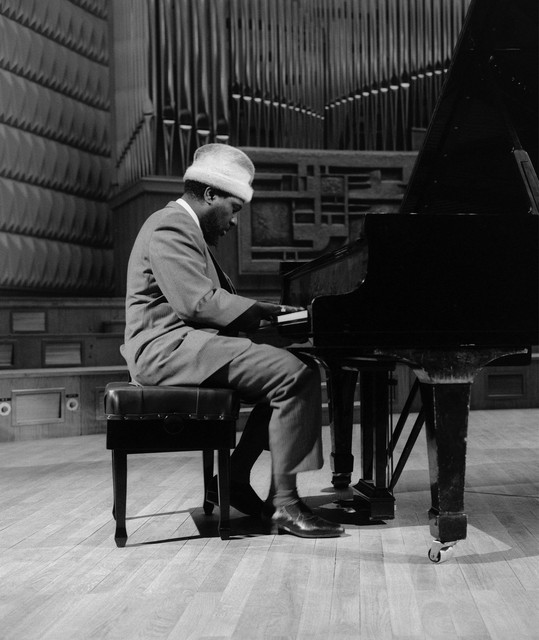
Thelonious Monk
Jazz
Hard Bop
Bebop
3
/5
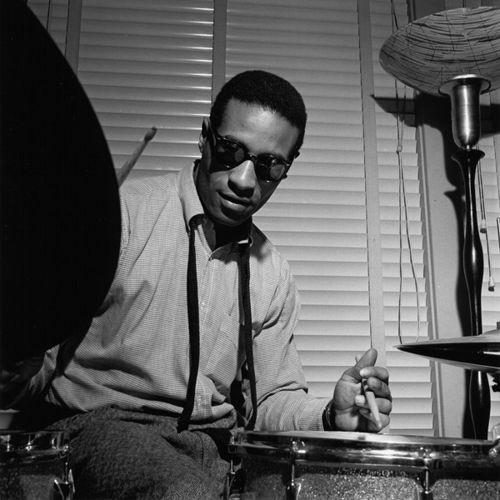
Max Roach
Hard Bop
Jazz
Avant-Garde Jazz
3
/5
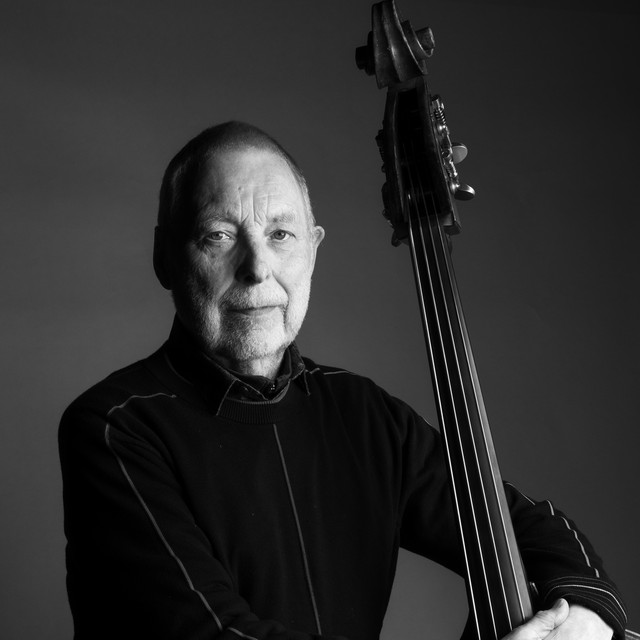
Dave Holland
Jazz
Free Jazz
Jazz Fusion
2
/5
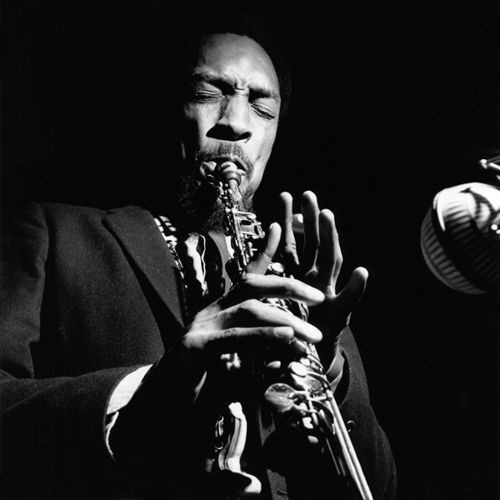
Sam Rivers
Free Jazz
Avant-Garde Jazz
Jazz
Download our mobile app
Get the Melodigging app and start digging for new genres on the go
Download on the App Store
Get it on Google Play
© 2026 Melodigging
Give feedback
Legal
Melodding was created as a tribute to
Every Noise at Once
, which inspired us to help curious minds keep digging into music's ever-evolving genres.