Your digging level
Description
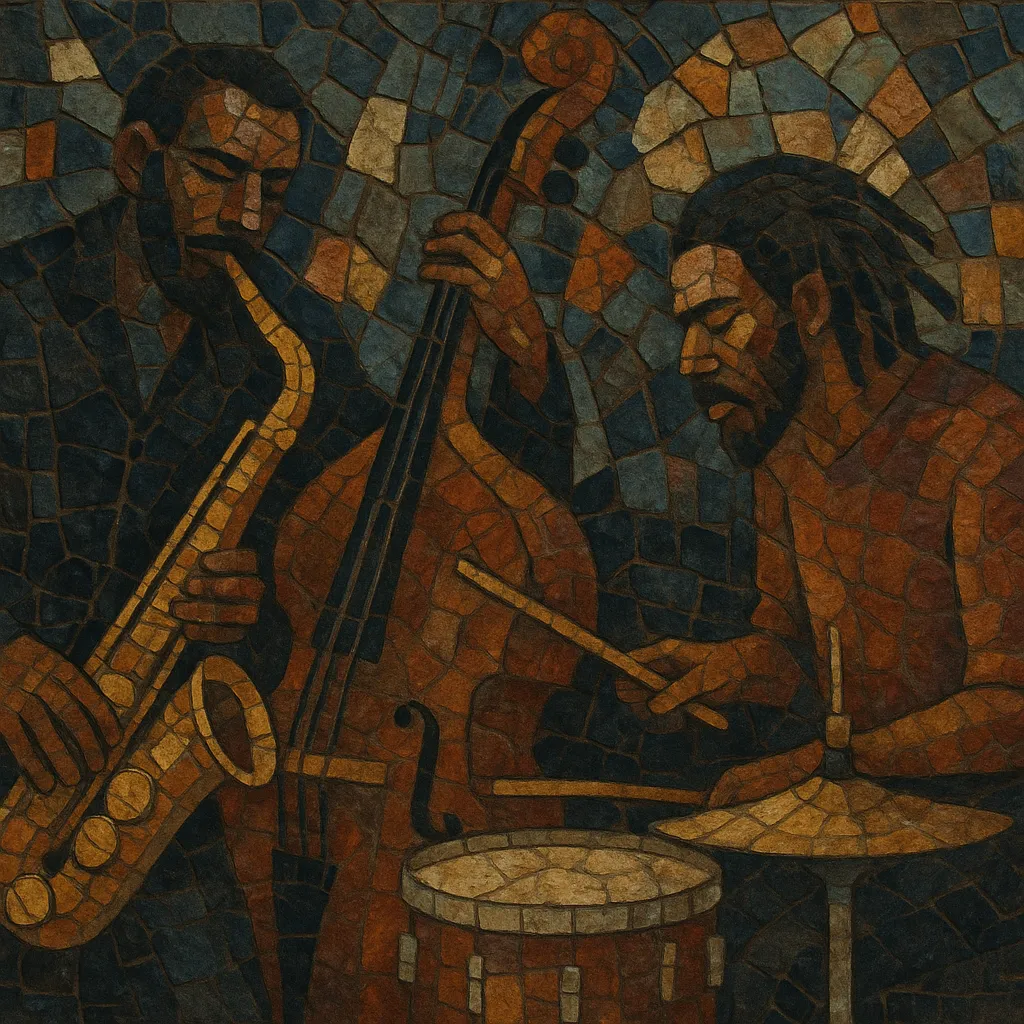
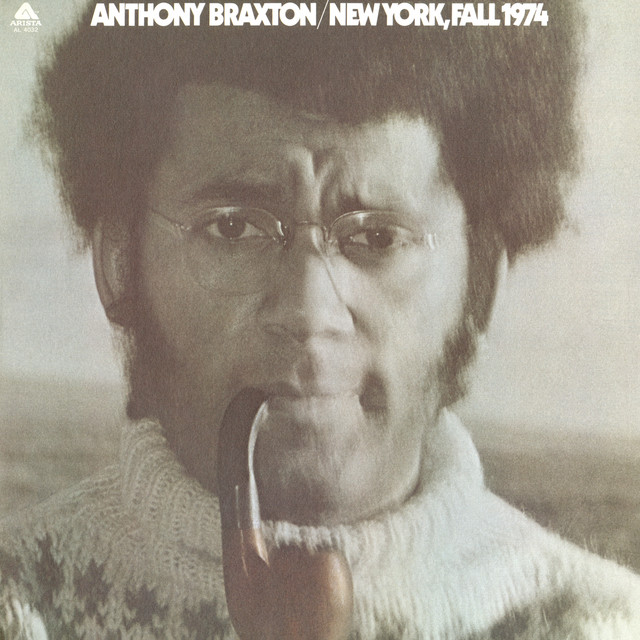
Loft jazz is a New York–centered jazz movement of the 1970s in which musicians reclaimed inexpensive industrial lofts in SoHo, Tribeca, and the Lower East Side as DIY performance and rehearsal spaces.
More a scene and practice than a rigid style, loft jazz blends the freedom and energy of free jazz with post-bop craft, open forms, and an eclectic curiosity for world rhythms, funk vamps, and chamber-like textures. Musicians emphasized extended techniques, collective improvisation, and flexible ensembles—often without chordal instruments—while cultivating community-led venues, self-produced concerts, and independent recording.
The sound ranges from meditative, spacious explorations to intense, high-energy “fire music,” unified by a spirit of autonomy, experimentation, and proximity between performers and audience.

History
After the 1960s free jazz revolution, many improvisers in New York sought spaces to play outside club expectations. With post-industrial lofts in SoHo and Tribeca still affordable, musicians converted them into performance rooms—hosting concerts, rehearsals, and ad hoc recording sessions. This environment fostered a self-governed ecosystem where artists controlled programming, ticketing, and documentation.
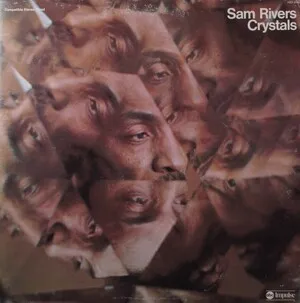
Legendary venues included Sam Rivers’s Studio Rivbea, Rashied Ali’s Ali’s Alley, Studio We, Environ, Ladies’ Fort, and others. These hubs attracted a wave of artists from across the U.S., including members of Chicago’s AACM and St. Louis’s BAG, who brought compositional rigor and experimental practices into the scene. The audience—often artists, writers, and fellow musicians—embraced long-form sets, new instrumentations, and a workshop ethos.
Loft jazz favored open forms, modal or pedal-point harmony, chord-less horn fronts, and collective improvisation. Sets freely moved between post-bop structures, free improvisation, spiritual/ritual elements, African and Caribbean rhythms, and chamber-jazz textures. Extended techniques (multiphonics, overblowing, prepared piano), graphic scores, and conduction-style cueing were common, alongside a DIY recording culture on independent labels.
By the late 1970s and early 1980s, gentrification and changing economics pushed many lofts to close or evolve. Yet the scene’s practices directly fed the Downtown movement and venues that followed, influencing experimental rock/no wave circles and cementing an artist-run template for contemporary creative music. Its legacy endures in modern creative jazz, small-venue programming, independent labels, and a wide vocabulary of experimental improvisation.

Top albums

Best playlists