Genres
Artists
Albums
Make Music
Sign in
Sign in
Artists
Jazz
Artists
Jazz
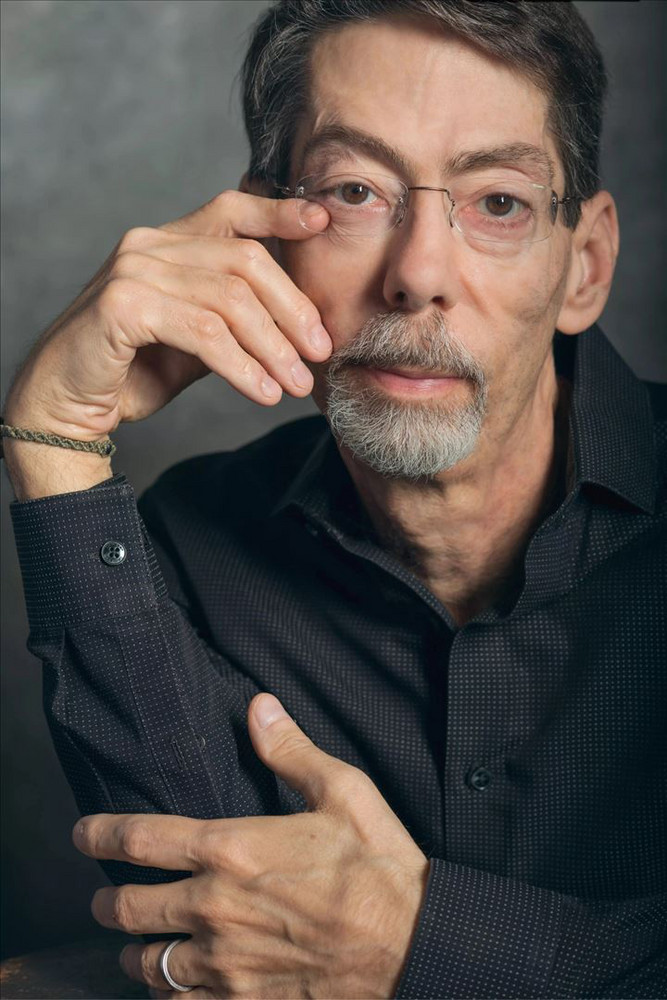
Fred Hersch
2024
·
1 album
Listen
2
/5
Genres
New Jazz
New Jazz is a contemporary subgenre of trap music that emerged from the underground SoundCloud scene. Despite its name, it is distinct from the 'Nu Jazz' of the 1990s. It is characterized by colorful, repetitive synthesizer melodies, often utilizing jazz-influenced 7th and 9th chords, paired with 'wonky' or off-kilter 808 basslines and bouncy, complex trap drum patterns. The sound is often described as psychedelic, playful, and experimental, bridging the gap between the aggression of Rage beats and the melodic sensibilities of Pluggnb.
Discover
Listen
Modern Creative
Modern Creative is a contemporary jazz umbrella that blends the improvisational daring of avant‑garde and free jazz with post‑bop craft, jazz fusion electricity, and the harmonic/structural ideas of Modern and Contemporary Classical music. In practice it is a semi‑improvisational approach: pre‑composed modules, cue‑based forms, and open sections are interwoven, while grooves and textures can draw from funk, pop, and rock as easily as from swing or rubato abstraction. The result ranges from ethereal, chamber‑like soundscapes to intense, rhythmically intricate ensembles—always prioritizing exploration within a purposeful compositional frame.
Discover
Listen
Post-Bop
Post-bop is a modern jazz style that emerged in the early-to-mid 1960s as a synthesis of bebop, hard bop, modal jazz, cool jazz, third stream ideas, and the experimental impulses of the avant‑garde. It typically features acoustic small ensembles (often trumpet, saxophone, piano, bass, and drums) interacting with highly flexible time, non-functional or modal harmony, and motivic development rather than relying strictly on bebop chord cycles. Its sound balances structure and freedom: forms are clearly composed and often intricate, but improvisers stretch time feels, reharmonize on the fly, and use advanced harmonic colors such as quartal voicings, pedal points, and chromatic planing. Canonical touchstones include Miles Davis’s mid‑’60s Second Great Quintet (e.g., E.S.P., Nefertiti), Wayne Shorter’s Speak No Evil, Herbie Hancock’s Maiden Voyage, Andrew Hill’s Point of Departure, and many mid‑’60s Blue Note recordings that pushed beyond hard bop.
Discover
Listen
Modern Jazz Piano
Modern jazz piano is a piano-led jazz style that emphasizes sophisticated harmony, flexible time feel, and highly personalized improvisation. Compared with earlier stride and swing-era approaches, it typically uses richer chord extensions, altered dominants, modal harmony, and more advanced voice-leading. The style can be heard in small-group settings (trios and quartets) and solo piano, ranging from lyrical ballad playing to angular, rhythmically complex post-bop language. It often balances clear melodic storytelling with contemporary harmonic color, and it commonly integrates influences from classical music, soul, and modern jazz aesthetics.
Discover
Listen
Jazz Ballads
Jazz ballads are slow-tempo jazz performances that emphasize melody, lyric-like phrasing, and emotional nuance rather than rhythmic drive. They typically feature a clear song form (often AABA or 32-bar popular song forms) and rich harmonic movement, with improvisation that stays closely connected to the tune. Common settings include small ensembles or big bands, and the style is strongly associated with standards from the Great American Songbook as well as original jazz compositions treated in a ballad tempo. The defining traits are expressive tone, spacious time feel, and sophisticated harmony, often using rubato introductions and subtle reharmonization.
Discover
Listen
Soundtrack
Soundtrack is music created to accompany and enhance visual media such as film, television, and video games. It includes original scores (instrumental or vocal music composed specifically for the picture) and, at times, curated compilations of pre-existing songs. Stylistically, soundtrack is a meta-genre that can encompass orchestral symphonic writing, jazz, electronic and synth-driven textures, choral forces, popular song, and experimental sound design. Its defining trait is functional storytelling: themes, motifs, harmony, rhythm, and timbre are shaped by narrative needs, character psychology, pacing, and editing. Common features include leitmotifs for characters or ideas, modular cues that can be edited to picture, dynamic orchestration for dramatic range, and production approaches that sit well under dialogue and sound effects. Because it must synchronize to picture, soundtrack often uses clear dramatic arcs, tempo maps, and hit points.
Discover
Listen
Jazz
Jazz is an improvisation-centered music tradition that emerged from African American communities in the early 20th century. It blends blues feeling, ragtime syncopation, European harmonic practice, and brass band instrumentation into a flexible, conversational art. Defining features include swing rhythm (a triplet-based pulse), call-and-response phrasing, blue notes, and extended harmonies built on 7ths, 9ths, 11ths, and 13ths. Jazz is as much a way of making music—spontaneous interaction, variation, and personal sound—as it is a set of forms and tunes. Across its history, jazz has continually hybridized, from New Orleans ensembles and big-band swing to bebop, cool and hard bop, modal and free jazz, fusion, and contemporary cross-genre experiments. Its influence permeates global popular and art music.
Discover
Listen
Jazz Piano
Jazz piano is the art of performing jazz on the piano, combining syncopated rhythms, blues-inflected melodies, and advanced harmony with improvisation. It grew from ragtime and early New Orleans styles into stride, swing, bebop, post-bop, and beyond, developing a vast vocabulary of voicings, comping approaches, left-hand textures, and soloing concepts. The genre spans intimate solo performances to interactive trio settings and orchestral jazz contexts, while remaining rooted in groove, storytelling, and spontaneous creation.
Discover
Listen
Classical
Classical music is the notated art-music tradition of Europe and its global descendants, characterized by durable forms, carefully codified harmony and counterpoint, and a literate score-based practice. The term “classical” can refer broadly to the entire Western art-music lineage from the Medieval era to today, not just the Classical period (c. 1750s–1820s). It privileges long-form structures (such as symphonies, sonatas, concertos, masses, and operas), functional or modal harmony, thematic development, and timbral nuance across ensembles ranging from solo instruments to full orchestras and choirs. Across centuries, the style evolved from chant and modal polyphony to tonal harmony, and later to post-tonal idioms, while maintaining a shared emphasis on written notation, performance practice, and craft.
Discover
Listen
Show all 9 genres
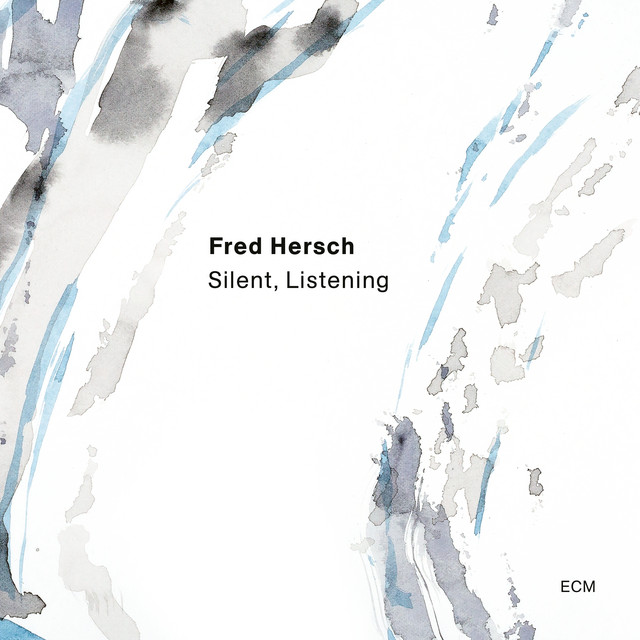
Albums
2024
Silent, Listening
Fred Hersch
Modern Jazz Piano
Jazz Piano
Similar artists
3
/5
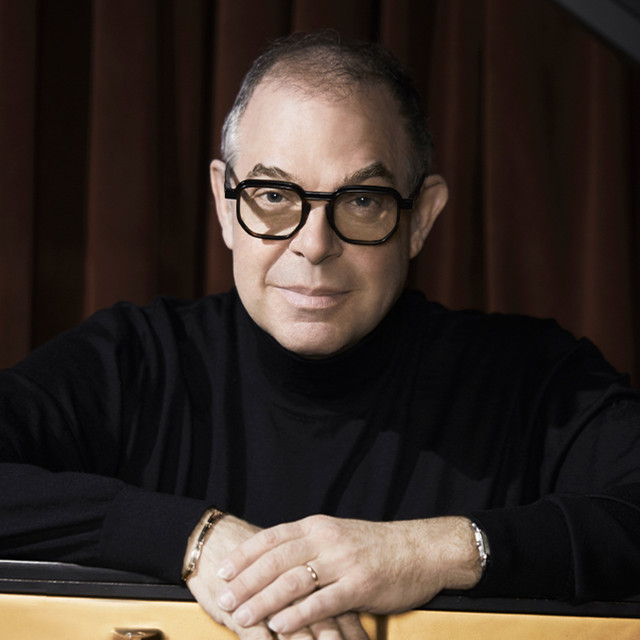
Bill Charlap
Cool Jazz
Jazz
Jazz Ballads
4
/5
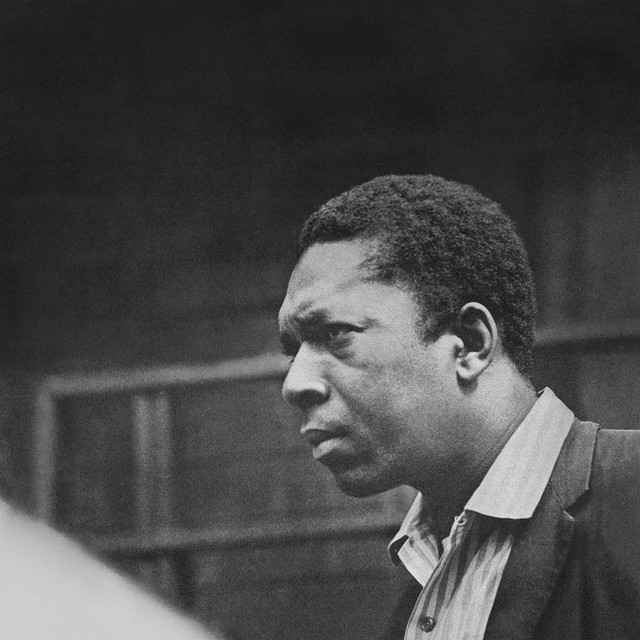
John Coltrane
Free Jazz
Hard Bop
Jazz
3
/5
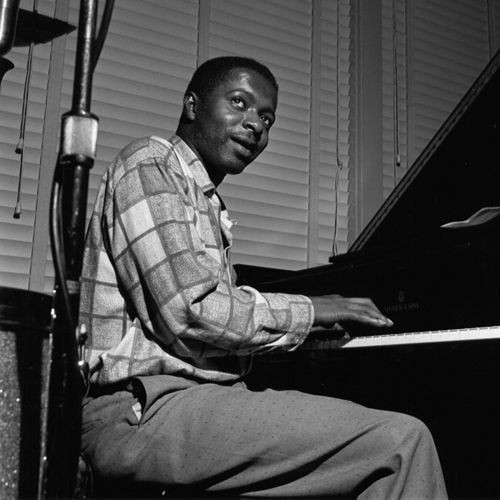
Red Garland
Bebop
Contemporary Post-Bop
Cool Jazz
3
/5
Wynton Kelly
Bebop
Cool Jazz
Hard Bop
3
/5
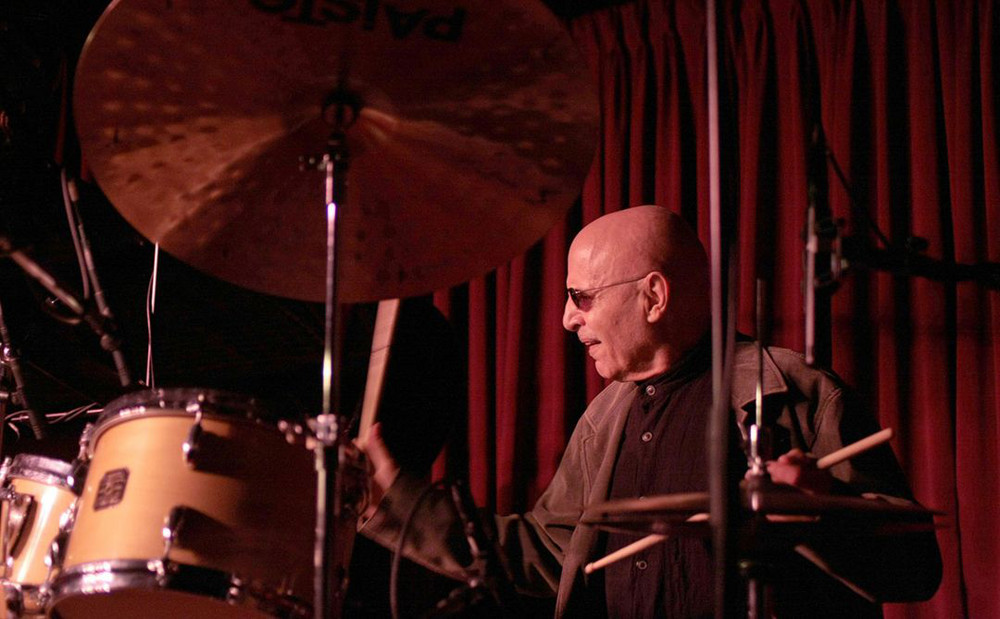
Paul Motian
Cool Jazz
Free Jazz
Hard Bop
3
/5
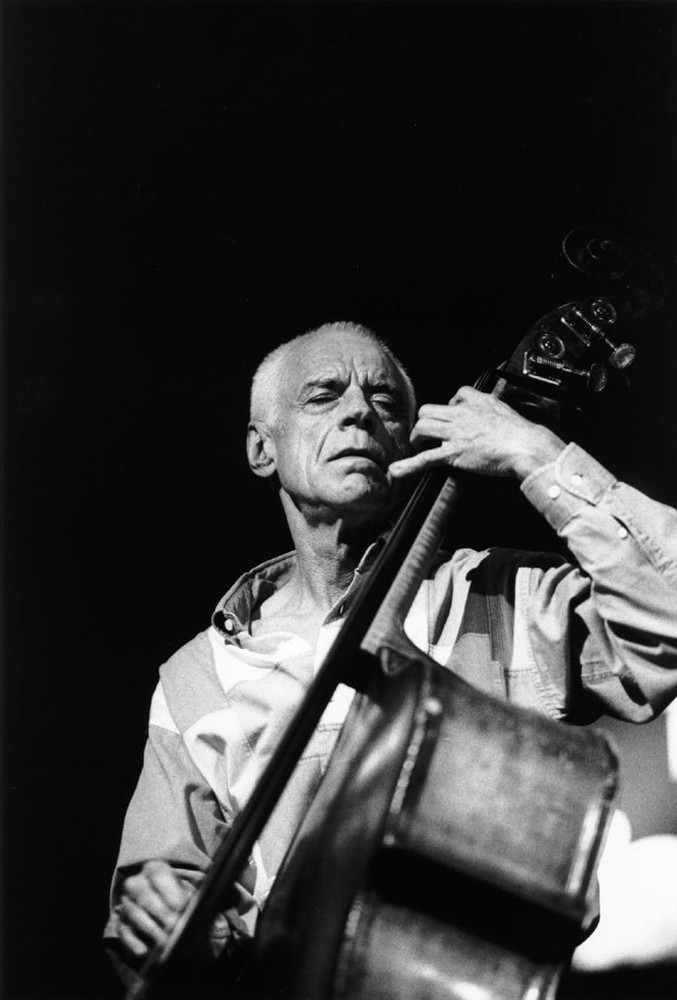
Gary Peacock
Free Jazz
Jazz
Jazz Ballads
2
/5
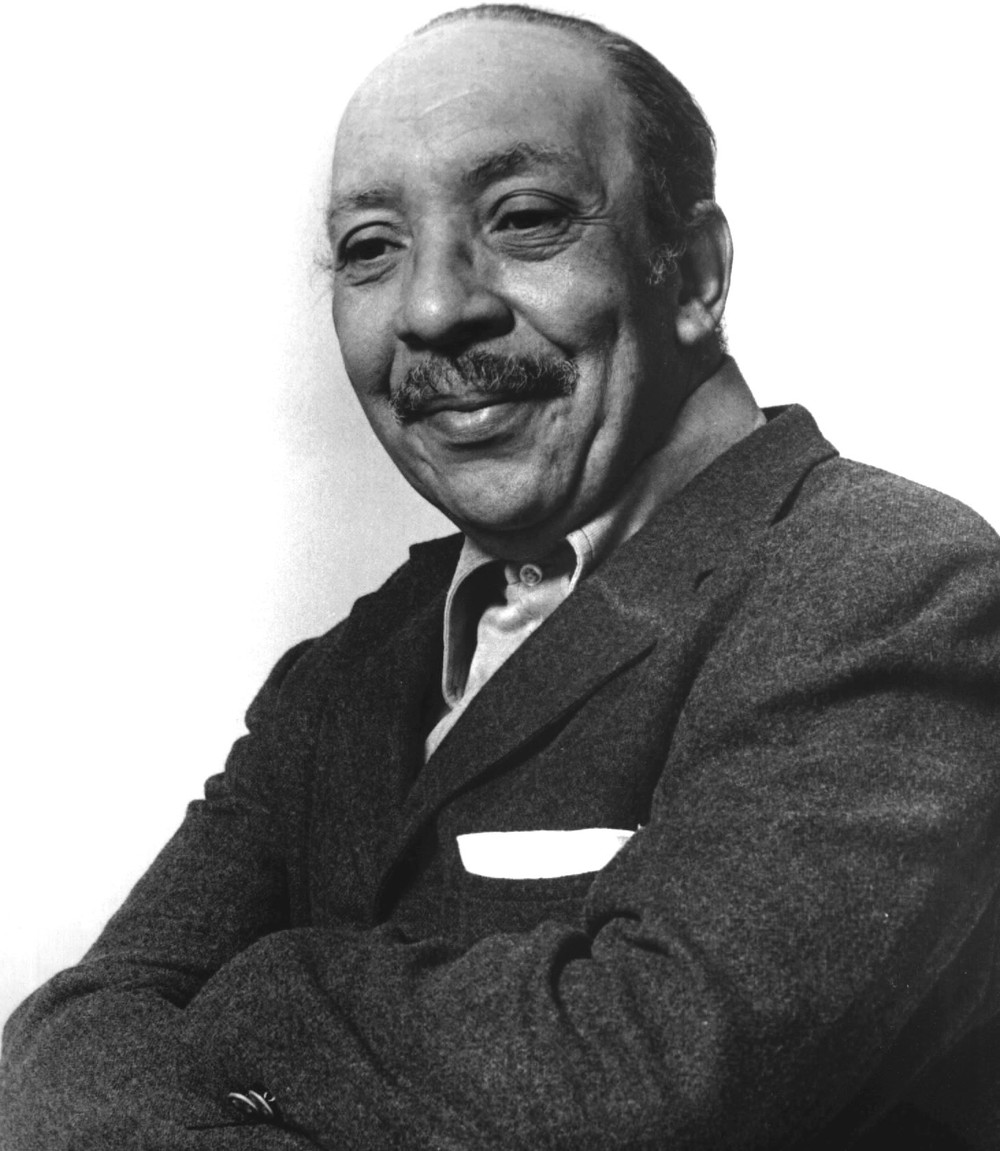
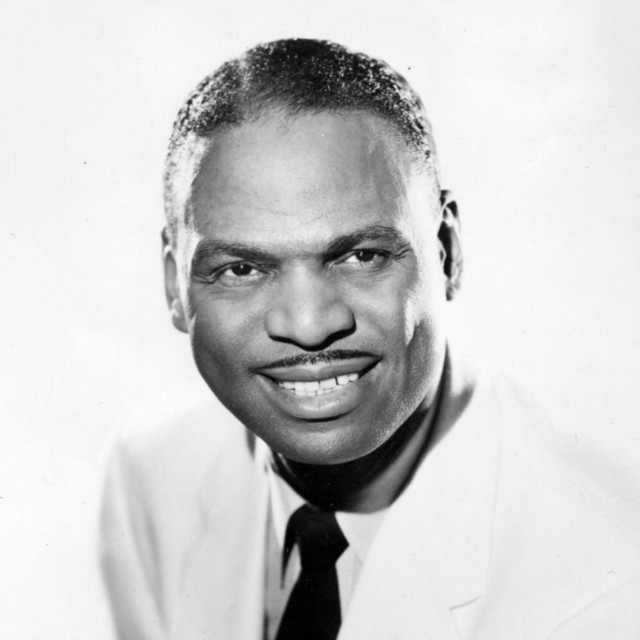
Earl Hines
Big Band
Boogie-Woogie
Hard Bop
2
/5
Joe Zawinul
Free Jazz
Jazz
Jazz Ballads
2
/5
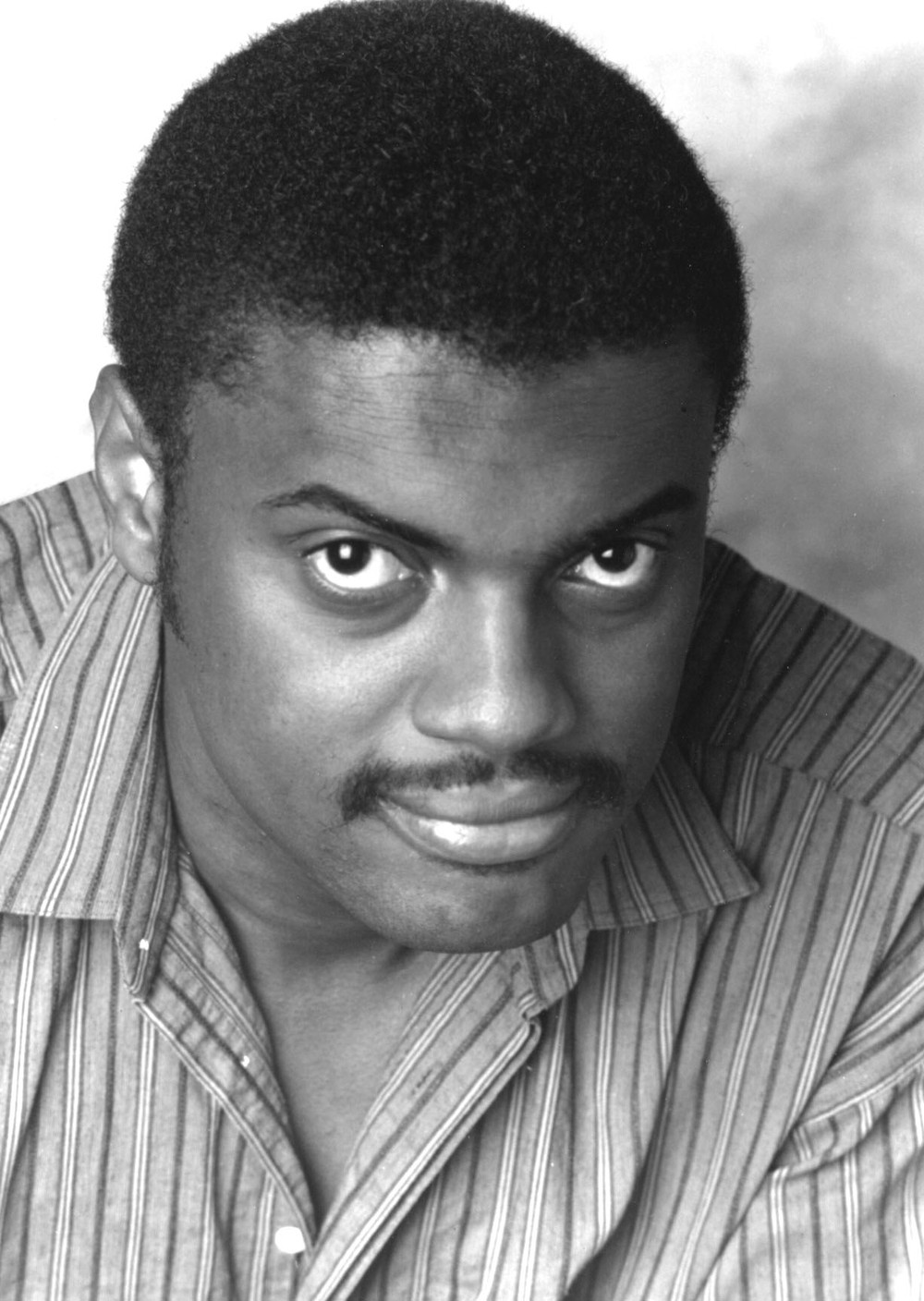
Mulgrew Miller
Hard Bop
Jazz
Jazz Ballads
3
/5
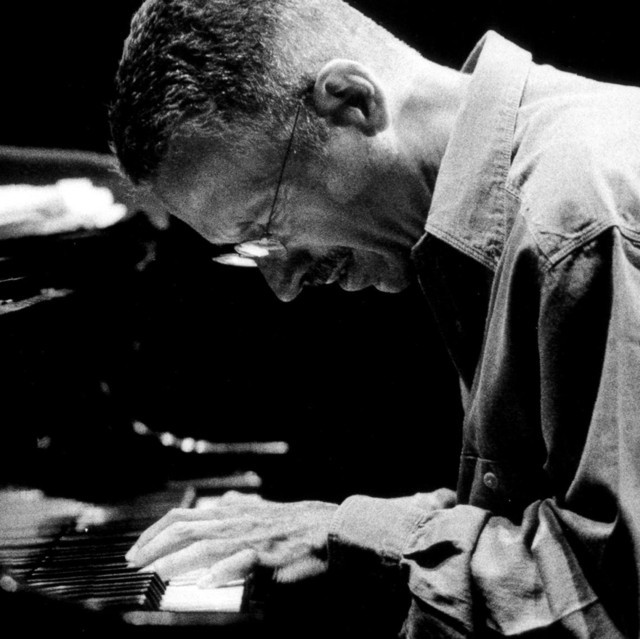
Keith Jarrett
Ecm Style Jazz
Contemporary Jazz
Jazz
Download our mobile app
Get the Melodigging app and start digging for new genres on the go
Download on the App Store
Get it on Google Play
© 2026 Melodigging
Give feedback
Legal
Melodding was created as a tribute to
Every Noise at Once
, which inspired us to help curious minds keep digging into music's ever-evolving genres.