Genres
Artists
Albums
Make Music
Sign in
Sign in
Artists
Tecnobrega
Artists
Tecnobrega
Felipe Cordeiro
2013–2019
·
4 albums
Listen
2
/5
Genres
Nova Musica Paulista
Nova Música Paulista (literally "new Paulista music") is a contemporary wave from São Paulo that renews MPB’s songwriter tradition by blending it with samba’s rhythmic DNA, indie/alternative rock timbres, jazz harmonies, and Afro‑Brazilian percussion and spirituality. Rather than a single fixed style, it is a porous scene of composers, singers, bands, and producer‑collectives that prize experimentation, crate‑digging, and collaboration. Gently overdriven guitars, woodwinds and brass, atabaques and drum kits, electronics, and dense vocal arrangements coexist with sophisticated songwriting. The result feels unmistakably paulistano: urban, hybrid, and cosmopolitan, but grounded in Brazilian rhythmic memory and social realities.
Discover
Listen
Pop Lgbtq+ Brasileira
Pop lgbtq+ brasileira is contemporary Brazilian pop created by openly LGBTQIA+ artists and rooted in the country’s club culture, internet-native scenes, and mainstream pop industry. Sonically, it blends glossy electropop and dance-pop with distinctly Brazilian rhythms and textures—most notably funk carioca’s tamborzão, brega/tecno-brega melodrama, axé’s carnival exuberance, and MPB’s lyrical sensibility. Productions often pull from reggaeton, house, trap-funk, and ballroom-vogue percussion, yielding high-energy tracks designed for both radio and dance floors. The genre is as much about voice and visibility as it is about hooks: lyrics commonly foreground queer love, pride, self-fashioning, resilience, and nightlife. Vocals range from diva belting to rap/sung hybrids, with campy, theatrical performance aesthetics that translate strongly to video and stage. The scene’s rise is tightly linked to streaming-era dynamics, YouTube/Instagram/TikTok virality, and collaborations with DJs and funk producers.
Discover
Listen
Rasteirinha
Rasteirinha (often called “funk rasteirinha”) is a mid‑tempo branch of Brazilian funk that slows the classic baile funk groove to a warmer, more sensual pace. It blends the dembow swing of dancehall and reggaeton with samba and pagode percussion (pandeiro, cuíca, surdo, agogô, tamborim, and shakers), typically sitting around 90–105 BPM. Vocals tend to be chant‑like, playful, and street‑wise, with hooks built from call‑and‑response phrases and chopped vocal shots. Harmony is minimal—often one to three chords—so that the syncopated drums and round sub‑bass can drive the dancefloor. The overall feel is percussive, tropical, and intimate—made for block parties and clubs where groove and swing matter more than dense arrangements.
Discover
Listen
New Mpb
New MPB (Nova Música Popular Brasileira in English usage) is a 2010s–2020s wave that refreshes classic MPB’s songwriting craft with indie, R&B, hip‑hop, and electronic production. It keeps the genre’s hallmark: sophisticated harmony, intimate vocals, and poetry‑forward lyrics in Portuguese. Sonically, you’ll hear nylon‑string guitars and Rhodes pianos beside drum machines, 808s, and warm synths. Rhythms nod to samba, bossa nova, baião, and funk carioca while embracing modern pop swing and hip‑hop backbeats. The result is stylish, urban, and contemporary—romantic and reflective, yet danceable and groove‑savvy.
Discover
Listen
Nova Mpb
Nova MPB ("new Música Popular Brasileira") is a contemporary wave of Brazilian popular music that renews the classic MPB ethos with indie, electronic, neo‑soul, and modern pop production. Artists in this scene preserve the melodic richness, poetic lyricism, and rhythmic DNA of bossa nova and samba while embracing lo‑fi textures, synth pads, and intimate, close‑mic vocals. Compared to classic MPB, nova MPB tends to be more minimalist and bedroom‑studio friendly, favoring warm, analog‑leaning timbres and restrained grooves. Lyrics often blend romantic and introspective themes with snapshots of urban life, identity, and the everyday, delivered in Portuguese with a natural, conversational flow.
Discover
Listen
Tecnobrega
Tecnobrega is a high-energy, electronic offshoot of Brazilian brega that emerged in Belém, Pará. It fuses the melodic, romantic songwriting of brega with punchy club beats, bright synths, and crowd‑hype elements drawn from local sound‑system culture. Built for massive neighborhood parties known as aparelhagens, tecnobrega tracks often feature call‑and‑response vocals, DJ tags, and short jingles that shout out sound systems and events. The music balances sentimental themes—love, longing, and heartbreak—with a relentlessly danceable aesthetic, creating a unique blend of romance and rave. While fiercely regional in its roots and distribution model, tecnobrega has influenced mainstream Brazilian pop sensibilities and opened pathways for other electronic fusions of brega across Brazil.
Discover
Listen
Lambada
Lambada is a Brazilian dance-pop style that surged from the north of Brazil in the 1980s and exploded internationally at the decade’s end. It blends local Amazonian rhythms with Caribbean dance music and glossy late‑’80s pop production, yielding a sensual, swaying groove designed for partner dancing. Signature elements include syncopated percussion, clean lead guitars inspired by Pará’s guitarrada, buoyant bass lines, bright synths, and ear‑catching hooks. While its global fame is tied to Kaoma’s 1989 smash “Lambada,” the style grew from regional scenes around Belém and later Bahia, drawing on carimbó and other Afro‑Indigenous traditions as well as cumbia, merengue, calypso/soca, and zouk.
Discover
Listen
Brega
Brega is a Brazilian popular music style known for unabashed romanticism, dramatic vocal delivery, and melodically memorable choruses. Often associated with working-class audiences in the Northeast and North of Brazil, it embraces sentimentality—songs dwell on love, betrayal, jealousy, and longing—using straightforward harmonies and lush, sometimes kitschy, arrangements. Musically, classic brega favors mid-tempo grooves, prominent keyboards or string-synth pads, clean electric guitars, and steady drums or drum machines. Its harmonic language leans on familiar pop progressions and the climactic “truck-driver’s gear change” (a last-chorus key change) to heighten emotion. Once dismissed by elites as “tacky,” brega has since been reappraised as a vital expression of Brazilian popular taste and a wellspring for newer subgenres.
Discover
Listen
Guitarrada
Guitarrada is an instrumental, guitar-centered popular style from Brazil’s northern state of Pará, especially around Belém. It features bright, melodic electric-guitar leads that carry the tune, while rhythm sections draw on local Afro-Indigenous dance grooves. The genre blends the syncopated swing of carimbó and the Caribbean pulse of merengue and cumbia with a touch of surf/rock guitar aesthetics. The result is festive, danceable music with catchy riffs, call-and-response figures, and a propulsive backbeat—often performed at community dances, festas, and stage shows.
Discover
Listen
Northern Brazilian Music
Northern Brazilian music refers to the constellation of popular and traditional styles from Brazil’s Amazonian North—especially Pará, Amapá, Amazonas, Roraima, Rondônia, Acre, and Tocantins. It blends Indigenous rhythms and instruments with Afro-Brazilian grooves and strong Caribbean influences (calypso, compas, merengue, and zouk), creating dance-focused forms such as carimbó, guitarrada, lambada, brega/calypso, and, later, tecnobrega. A hallmark of the scene is its sound-system culture (aparelhagens), bright electric guitars and synths, syncopated percussion (curimbó, maracas, reco-reco), and catchy call-and-response vocals that celebrate Amazonian life, romance, and local festivities.
Discover
Listen
Latin
Latin (as a genre label) is a broad umbrella used by the recording industry to categorize popular music rooted in Latin America, the Caribbean, and the Iberian world, often characterized by syncopated Afro-diasporic rhythms, dance-forward grooves, and lyrics primarily in Spanish or Portuguese. As a marketplace category that took shape in the mid-20th century United States, it gathers diverse traditions—Afro-Cuban, Brazilian, Mexican, and Caribbean styles—into a shared space. In practice, "Latin" spans everything from big-band mambo and bolero ballads to contemporary pop, rock, hip hop, and dance fusions produced by artists of Latin American heritage.
Discover
Listen
Carimbó
Carimbó is a traditional rhythm and circle dance from the Brazilian Amazon, created by Indigenous peoples of Pará and later shaped by Afro‑Brazilian and Portuguese influences. It is centered on the curimbó (a large hollowed‑log drum whose name likely comes from a Tupi word), hand percussion such as maracás, and call‑and‑response vocals. Danced in villages and rural communities around Marajó Island and the capital Belém since colonial times, it features lively, syncopated drumming and a flirtatious choreographic dialogue between partners. In the 20th century—and especially from the 1970s on—carimbó was modernized with guitars, bass, and brass, which helped it gain national and international recognition while preserving its core Indigenous pulse.
Discover
Listen
Show all 12 genres
Albums
2019
1
/5
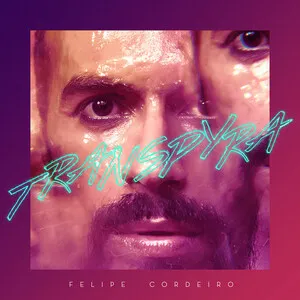
Transpyra
Felipe Cordeiro
Lambada
2013
1
/5
Se apaixone pela loucura do seu amor
Felipe Cordeiro
Lambada
Northern Brazilian Music
Latin
2013
2
/5
Kitsch Pop Cult
Felipe Cordeiro
Guitarrada
Lambada
Carimbó
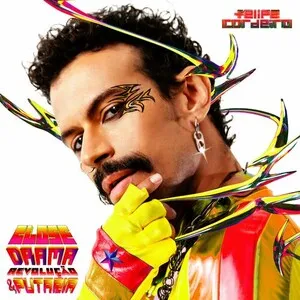
Close Drama Revolução & Putaria
Felipe Cordeiro
Tecnobrega
Similar artists
1
/5
Figueroas
Brega
Lambada
Northern Brazilian Music
3
/5
Gaby Amarantos
Brega
Tecnobrega
Tecnofunk
2
/5
Manoel Cordeiro
Guitarrada
Lambada
Nova Mpb
2
/5
Aldo Sena
Brega
Forró
Guitarrada
4
/5
Pabllo Vittar
Tecnobrega
Funk Carioca
Funk Pop
3
/5
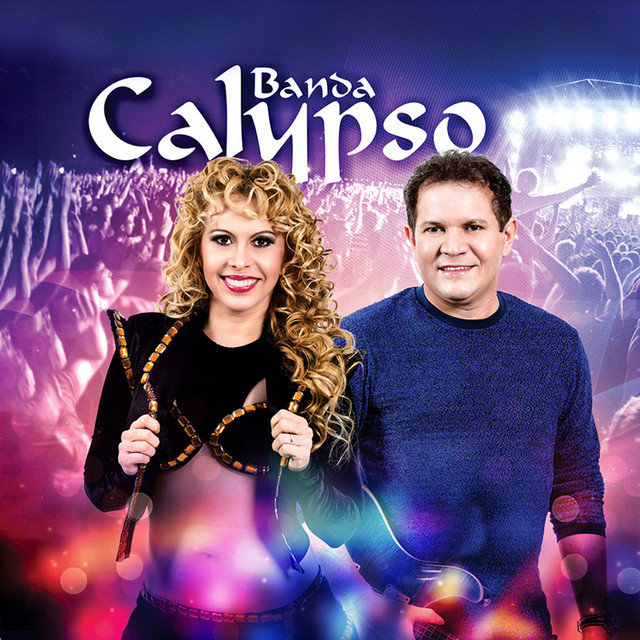
Banda Calypso
Carimbó
Brega Calypso
Calypso
1
/5
Lucas Estrela
Carimbó
Tecnobrega
Brega
3
/5
Banda Djavú
Tecnobrega
Brega
Arrocha
2
/5
Banda Ravelly
Tecnobrega
Brega
Calypso
2
/5
Candy Mel
Brega
Tecnobrega
Brazilian Pop
Download our mobile app
Get the Melodigging app and start digging for new genres on the go
Download on the App Store
Get it on Google Play
© 2026 Melodigging
Give feedback
Legal
Melodding was created as a tribute to
Every Noise at Once
, which inspired us to help curious minds keep digging into music's ever-evolving genres.