Genres
Artists
Albums
Make Music
Sign in
Sign in
Artists
Brega
Artists
Brega
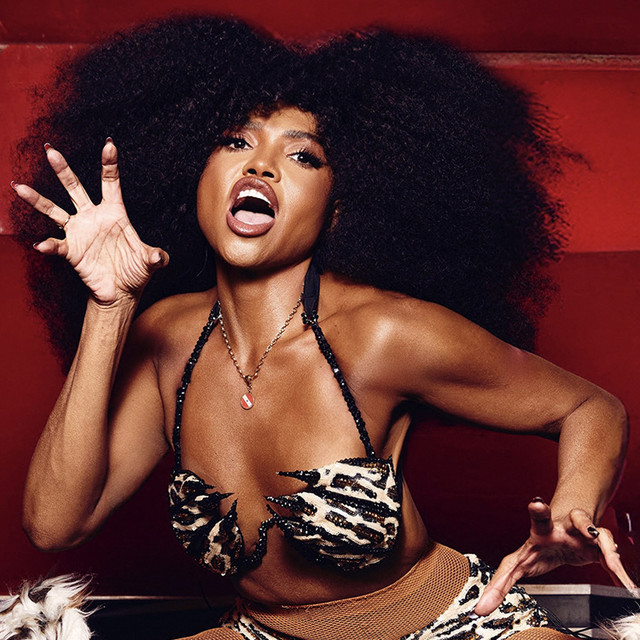
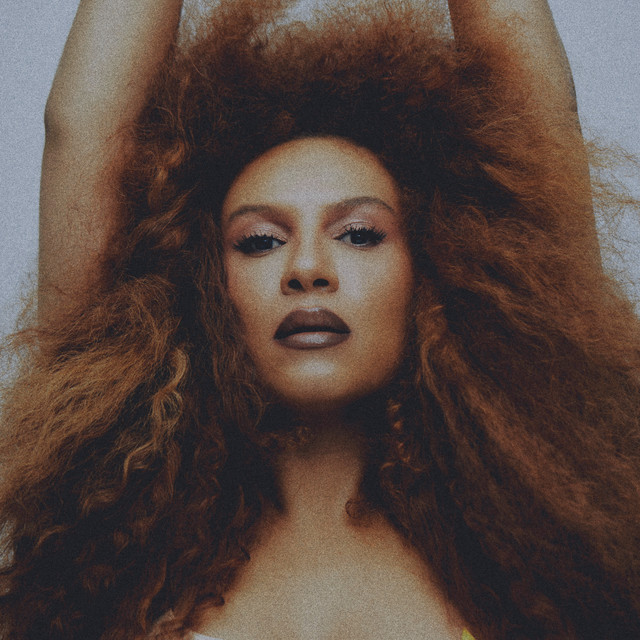
Gaby Amarantos
2012–2025
·
4 albums
Listen
3
/5
Genres
Agronejo
Agronejo is a contemporary Brazilian offshoot of sertanejo that foregrounds rural identity, rodeo imagery, and the agribusiness lifestyle while adopting pop-friendly hooks and modern production. Musically it blends the vocal phrasing and duet traditions of sertanejo with the glossy sheen of pop and country-pop, often borrowing the driving percussion and synth bass from piseiro and the romantic sentiment of arrocha. Arrangements frequently combine viola caipira, acoustic and electric guitars, and accordion with programmed drums, sub-bass, and festival-scale crowd chants. The result is a radio- and TikTok-ready sound that keeps dance floors moving while celebrating countryside culture.
Discover
Listen
Tecnofunk
Tecnofunk is a raw, dance-centered hybrid genre from northern Brazil that fuses the melodic and party-driven language of tecnobrega with the percussive force, erotic directness, and street energy of Brazilian funk. It emerged in Belém do Pará in the late 2010s, especially through DJs, producers, and sound-system-centered party culture. The style is marked by heavy electronic beats, loud low-end, provocative vocal samples or lyrics, and a deliberately vulgar, festive, and high-impact aesthetic. Compared with classic tecnobrega, tecnofunk tends to hit harder rhythmically and often feels more aggressive and stripped-down. Compared with mainstream funk brasileiro, it retains strong Pará dance-music traits, including regional melodic phrasing, synth textures, and the legacy of brega-derived party production. The genre is closely tied to local dance scenes, DJ remix culture, and informal music circulation, where tracks are designed for immediate crowd response rather than polished pop presentation.
Discover
Listen
Pop Lgbtq+ Brasileira
Pop lgbtq+ brasileira is contemporary Brazilian pop created by openly LGBTQIA+ artists and rooted in the country’s club culture, internet-native scenes, and mainstream pop industry. Sonically, it blends glossy electropop and dance-pop with distinctly Brazilian rhythms and textures—most notably funk carioca’s tamborzão, brega/tecno-brega melodrama, axé’s carnival exuberance, and MPB’s lyrical sensibility. Productions often pull from reggaeton, house, trap-funk, and ballroom-vogue percussion, yielding high-energy tracks designed for both radio and dance floors. The genre is as much about voice and visibility as it is about hooks: lyrics commonly foreground queer love, pride, self-fashioning, resilience, and nightlife. Vocals range from diva belting to rap/sung hybrids, with campy, theatrical performance aesthetics that translate strongly to video and stage. The scene’s rise is tightly linked to streaming-era dynamics, YouTube/Instagram/TikTok virality, and collaborations with DJs and funk producers.
Discover
Listen
Bregadeira
Bregadeira is a contemporary Brazilian party style that fuses romantic and melodic brega songwriting with the percussive swing of pagodão baiano and the booming low‑end of funk scenes. Built for paredão (sound‑system) culture, it emphasizes catchy hooks, call‑and‑response vocals, and drop‑driven arrangements that explode on heavy car and street systems. Producers blend tamborzão- and pagodão‑inspired drum patterns with technobrega/brega‑funk synths and sub‑bass, creating an extroverted, dance‑first sound that can be both flirtatious and rowdy.
Discover
Listen
Nova Mpb
Nova MPB ("new Música Popular Brasileira") is a contemporary wave of Brazilian popular music that renews the classic MPB ethos with indie, electronic, neo‑soul, and modern pop production. Artists in this scene preserve the melodic richness, poetic lyricism, and rhythmic DNA of bossa nova and samba while embracing lo‑fi textures, synth pads, and intimate, close‑mic vocals. Compared to classic MPB, nova MPB tends to be more minimalist and bedroom‑studio friendly, favoring warm, analog‑leaning timbres and restrained grooves. Lyrics often blend romantic and introspective themes with snapshots of urban life, identity, and the everyday, delivered in Portuguese with a natural, conversational flow.
Discover
Listen
Tecnobrega
Tecnobrega is a high-energy, electronic offshoot of Brazilian brega that emerged in Belém, Pará. It fuses the melodic, romantic songwriting of brega with punchy club beats, bright synths, and crowd‑hype elements drawn from local sound‑system culture. Built for massive neighborhood parties known as aparelhagens, tecnobrega tracks often feature call‑and‑response vocals, DJ tags, and short jingles that shout out sound systems and events. The music balances sentimental themes—love, longing, and heartbreak—with a relentlessly danceable aesthetic, creating a unique blend of romance and rave. While fiercely regional in its roots and distribution model, tecnobrega has influenced mainstream Brazilian pop sensibilities and opened pathways for other electronic fusions of brega across Brazil.
Discover
Listen
Brega Calypso
Brega calypso is a dance‑pop substyle from northern Brazil that fuses the romantic melodies and soap‑opera lyricism of Brazilian brega with the bright, guitar‑driven rhythms of Caribbean calypso and regional Amazonian grooves. The sound is marked by upbeat 4/4 tempos, syncopated percussion, staccato "guitarrada"-style electric guitar riffs, and glossy keyboard arrangements drawn from the tecnobrega scene. Vocals are passionate and theatrical, often telling stories of love, betrayal, and empowerment, with soaring choruses designed for crowd sing‑alongs. The style crystallized in Pará in the early 2000s, largely popularized nationwide by Banda Calypso, and became a mainstay of dance floors and live shows across the North and Northeast of Brazil.
Discover
Listen
Alternative Pop
Alternative pop is a strand of pop music that keeps the melodic accessibility of mainstream pop while foregrounding unconventional songwriting, left‑field production, and an indie or art‑driven sensibility. It often blends acoustic and electronic timbres, juxtaposes intimate vocals with textural sound design, and favors mood, concept, and experimentation over radio‑formula structures. Hooks remain central, but they may sit within atypical forms, lo‑fi palettes, off‑kilter rhythms, or cinematic arrangements. Lyrically, alternative pop tends toward introspection, ambiguity, and subcultural reference points, addressing identity, technology, and contemporary alienation as frequently as classic pop themes like romance.
Discover
Listen
Funk Brasileiro
Funk brasileiro (also known internationally as baile funk) is an urban dance music from Brazil that grew out of Rio de Janeiro’s favela party culture. It took the skeletal templates of Miami bass and electro, then reimagined them with Portuguese lyrics, crowd‑shouting hooks, and Afro‑Brazilian rhythmic ideas. The sound is defined by booming 808 sub‑bass, punchy drum programming, and chant‑like vocals designed for participation on the dance floor. While early tracks typically sat around 130–140 BPM with the iconic tamborzão groove, later waves popularized 150 BPM energy and an even more percussive, hard‑hitting feel. Lyrically it ranges from party anthems and romantic “melody” cuts to street reportage and social commentary. Over time it branched into many substyles—proibidão, ostentação, 150 BPM/mandelão, automotivo, and pop‑crossover hybrids—while influencing global pop, rap, and club music.
Discover
Listen
Lambada
Lambada is a Brazilian dance-pop style that surged from the north of Brazil in the 1980s and exploded internationally at the decade’s end. It blends local Amazonian rhythms with Caribbean dance music and glossy late‑’80s pop production, yielding a sensual, swaying groove designed for partner dancing. Signature elements include syncopated percussion, clean lead guitars inspired by Pará’s guitarrada, buoyant bass lines, bright synths, and ear‑catching hooks. While its global fame is tied to Kaoma’s 1989 smash “Lambada,” the style grew from regional scenes around Belém and later Bahia, drawing on carimbó and other Afro‑Indigenous traditions as well as cumbia, merengue, calypso/soca, and zouk.
Discover
Listen
Brega
Brega is a Brazilian popular music style known for unabashed romanticism, dramatic vocal delivery, and melodically memorable choruses. Often associated with working-class audiences in the Northeast and North of Brazil, it embraces sentimentality—songs dwell on love, betrayal, jealousy, and longing—using straightforward harmonies and lush, sometimes kitschy, arrangements. Musically, classic brega favors mid-tempo grooves, prominent keyboards or string-synth pads, clean electric guitars, and steady drums or drum machines. Its harmonic language leans on familiar pop progressions and the climactic “truck-driver’s gear change” (a last-chorus key change) to heighten emotion. Once dismissed by elites as “tacky,” brega has since been reappraised as a vital expression of Brazilian popular taste and a wellspring for newer subgenres.
Discover
Listen
Adult Contemporary
Adult contemporary (AC) is a radio-driven pop style characterized by smooth vocals, polished production, and lyric themes that speak to adult listeners—love, family, reflection, and everyday life. Musically, it emphasizes mid‑tempo grooves and ballads, clear melodies, and accessible harmonies, often arranged for piano, acoustic or clean electric guitars, light drums, bass, and tasteful string or synth pads. The sound favors warmth and clarity over aggression, with a strong focus on memorable choruses and emotive vocal performances. As a format and a repertoire, adult contemporary bridges soft rock, pop balladry, and easy listening, adapting with each decade while maintaining radio-friendly songwriting and production values.
Discover
Listen
Synth-Pop
Synth-pop is a pop-oriented style that foregrounds the synthesizer as its primary instrument, often paired with drum machines and sequencers. It favors clean, melodic hooks, concise song structures, and a sleek, modernist sound that ranges from cool and minimal to lush and romantic. Emerging at the turn of the 1980s from the UK new wave and post-punk scenes, synth-pop leveraged affordable analog and then digital keyboards to bring electronic textures into the mainstream. Its sonic palette includes arpeggiated basslines, shimmering pads, bright leads, gated or machine-driven drums, and polished vocals that convey both futuristic detachment and emotional immediacy.
Discover
Listen
Latin Pop
Latin pop is mainstream pop music performed primarily in Spanish (and sometimes Portuguese) that blends contemporary pop songwriting with Latin American and Iberian rhythms, harmonies, and vocal stylings. It typically features verse–pre-chorus–chorus forms, catchy hooks, polished production, and a balance between rhythmic drive and romantic lyric themes. Classic Latin pop often leans on bolero- and ballad-informed melodies and soft-rock textures, while modern Latin pop readily incorporates dance-pop, electronic, and urbano elements (such as reggaeton-influenced grooves) without losing its sing-along pop core.
Discover
Listen
Northern Brazilian Music
Northern Brazilian music refers to the constellation of popular and traditional styles from Brazil’s Amazonian North—especially Pará, Amapá, Amazonas, Roraima, Rondônia, Acre, and Tocantins. It blends Indigenous rhythms and instruments with Afro-Brazilian grooves and strong Caribbean influences (calypso, compas, merengue, and zouk), creating dance-focused forms such as carimbó, guitarrada, lambada, brega/calypso, and, later, tecnobrega. A hallmark of the scene is its sound-system culture (aparelhagens), bright electric guitars and synths, syncopated percussion (curimbó, maracas, reco-reco), and catchy call-and-response vocals that celebrate Amazonian life, romance, and local festivities.
Discover
Listen
Brazilian Pop
Brazilian pop is the mainstream-oriented spectrum of popular music made in Brazil, merging local rhythmic DNA (samba, bossa nova, MPB, axé, forró, sertanejo) with international pop, rock, R&B, and electronic production. Across eras, it has balanced melodic immediacy and radio-friendly structures with the harmonic richness and syncopation characteristic of Brazilian traditions. In the 2010s–2020s, Brazilian pop increasingly incorporates baile funk grooves, trap/R&B textures, and polished EDM elements, while retaining Portuguese lyrics, regional slang, and themes tied to Brazilian daily life, romance, and celebration.
Discover
Listen
Mpb
MPB (Música Popular Brasileira) is a broad Brazilian popular music movement that crystallized in the mid-1960s after bossa nova. It blends samba and other regional rhythms with jazz harmony, singer‑songwriter craft, and elements of contemporary pop and rock. The style is marked by sophisticated melodies, extended harmonies, inventive arrangements, and lyrically rich songs that often use poetry and metaphor. Many classic MPB works balance intimacy (voice and violão/nylon‑string guitar) with lush studio orchestration, drawing from samba‑canção, choro, baião, and frevo while engaging modern influences. Historically, MPB provided a platform for social commentary during Brazil’s military dictatorship, with artists employing allegory to navigate censorship. It remains a living tradition that continually renews itself through new generations (“nova MPB”).
Discover
Listen
Pop
Pop is a broad, hook-driven style of popular music designed for wide appeal. It emphasizes memorable melodies, concise song structures, polished vocals, and production intended for radio, charts, and mass media. While pop continually absorbs elements from other styles, its core remains singable choruses, accessible harmonies, and rhythmic clarity. Typical forms include verse–pre-chorus–chorus, frequent use of bridges and middle-eights, and ear-catching intros and outros. Pop is not defined by a single instrumentation. It flexibly incorporates acoustic and electric instruments, drum machines, synthesizers, and increasingly digital production techniques, always in service of the song and the hook.
Discover
Listen
Electronic
Electronic is a broad umbrella genre defined by the primary use of electronically generated or electronically processed sound. It encompasses music made with synthesizers, drum machines, samplers, computers, and studio/tape techniques, as well as electroacoustic manipulation of recorded or synthetic sources. The genre ranges from academic and experimental traditions to popular and dance-oriented forms. While its sonic palette is rooted in electricity and circuitry, its aesthetics span minimal and textural explorations, structured song forms, and beat-driven club permutations. Electronic emphasizes sound design, timbre, and studio-as-instrument practices as much as melody and harmony.
Discover
Listen
Show all 19 genres
Albums
2025
3
/5
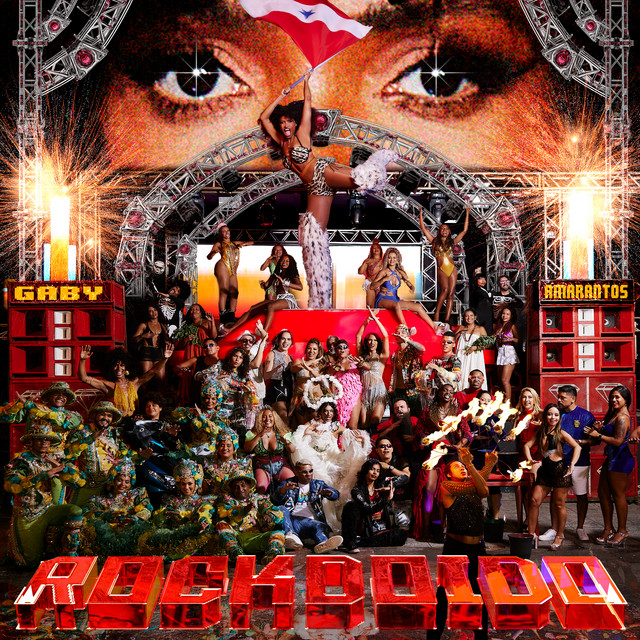
Rock doido
Gaby Amarantos
Northern Brazilian Music
Tecnobrega
Tecnofunk
2022
2
/5
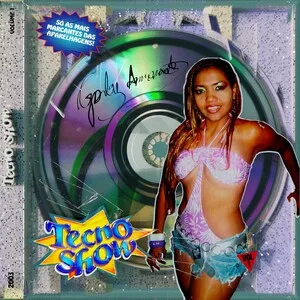
TecnoShow
Gaby Amarantos
Northern Brazilian Music
Tecnobrega
Brega
2021
2
/5
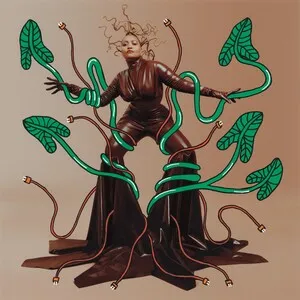
Purakê
Gaby Amarantos
Northern Brazilian Music
Adult Contemporary
Alternative Pop
2012
1
/5
Treme
Gaby Amarantos
Tecnobrega
Northern Brazilian Music
Brega
Similar artists
3
/5
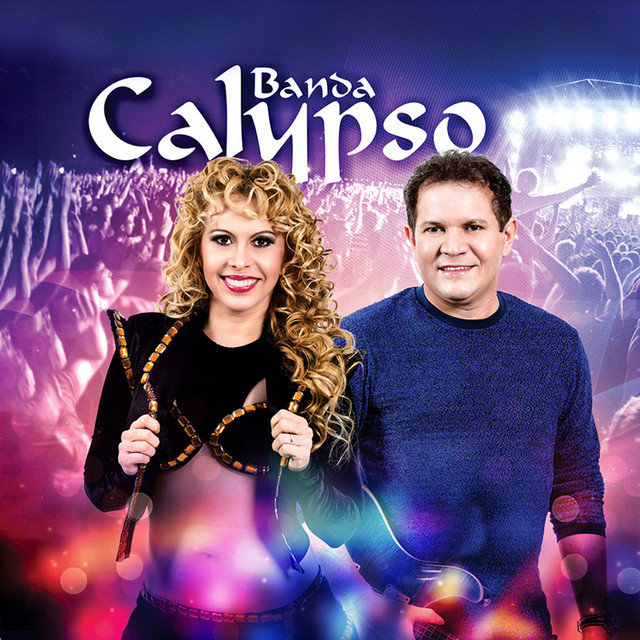
Banda Calypso
Carimbó
Brega Calypso
Calypso
2
/5
Gang Do Eletro
Tecnobrega
Brega
Tecnofunk
4
/5
Pabllo Vittar
Tecnobrega
Funk Carioca
Funk Pop
3
/5
Banda Djavú
Tecnobrega
Brega
Arrocha
3
/5
Dj Méury
Tecnobrega
Tecnofunk
Brega
2
/5
Banda Ravelly
Tecnobrega
Brega
Calypso
2
/5
Candy Mel
Brega
Tecnobrega
Brazilian Pop
2
/5
Banda Uó
Brega
Tecnobrega
Brazilian Pop
3
/5
Viviane Batidão
Tecnobrega
Brega
Calypso
2
/5
Fruto Sensual
Tecnobrega
Brega Calypso
Brega
Download our mobile app
Get the Melodigging app and start digging for new genres on the go
Download on the App Store
Get it on Google Play
© 2026 Melodigging
Give feedback
Legal
Melodding was created as a tribute to
Every Noise at Once
, which inspired us to help curious minds keep digging into music's ever-evolving genres.