Your digging level
Description
Northern Brazilian music refers to the constellation of popular and traditional styles from Brazil’s Amazonian North—especially Pará, Amapá, Amazonas, Roraima, Rondônia, Acre, and Tocantins.
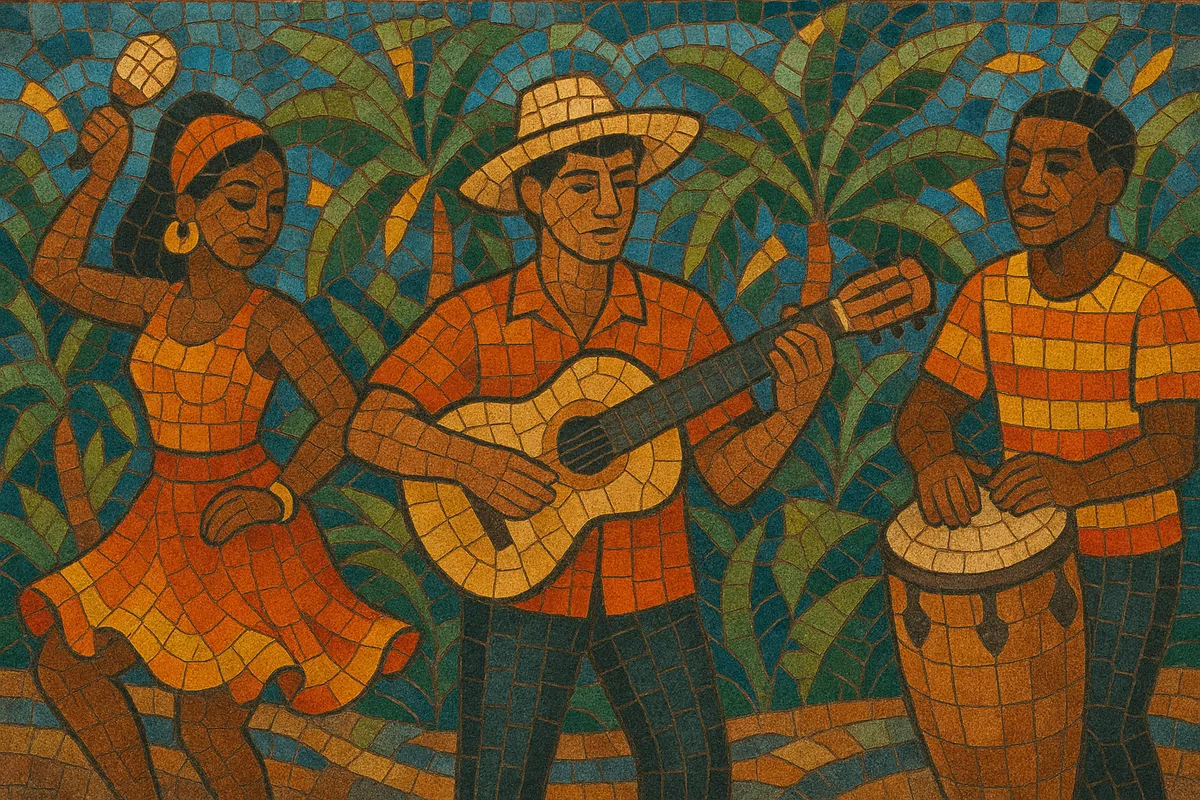
It blends Indigenous rhythms and instruments with Afro-Brazilian grooves and strong Caribbean influences (calypso, compas, merengue, and zouk), creating dance-focused forms such as carimbó, guitarrada, lambada, brega/calypso, and, later, tecnobrega.
A hallmark of the scene is its sound-system culture (aparelhagens), bright electric guitars and synths, syncopated percussion (curimbó, maracas, reco-reco), and catchy call-and-response vocals that celebrate Amazonian life, romance, and local festivities.
History
Northern Brazilian music grows out of centuries of exchange among Indigenous, African, and Portuguese cultures in the Amazon basin. Early roots include the curimbó drum traditions and Indigenous song forms, African-derived dances, and lundu—a colonial-era dance-song that spread across northern ports.
From the 1960s, local musicians modernized carimbó (Pinduca, Verequete) for urban dancehalls in Belém, amplifying percussion and tightening arrangements. In the 1970s, Mestre Vieira forged guitarrada—instrumental, guitar-led dance music with calypso and carimbó undercurrents—establishing the region’s signature bright, melodic guitar tone. By the late 1970s and 1980s, lambada synthesized carimbó’s swing with merengue, cumbia, and Caribbean pop, producing a nationwide and international dance craze (with figures like Beto Barbosa).
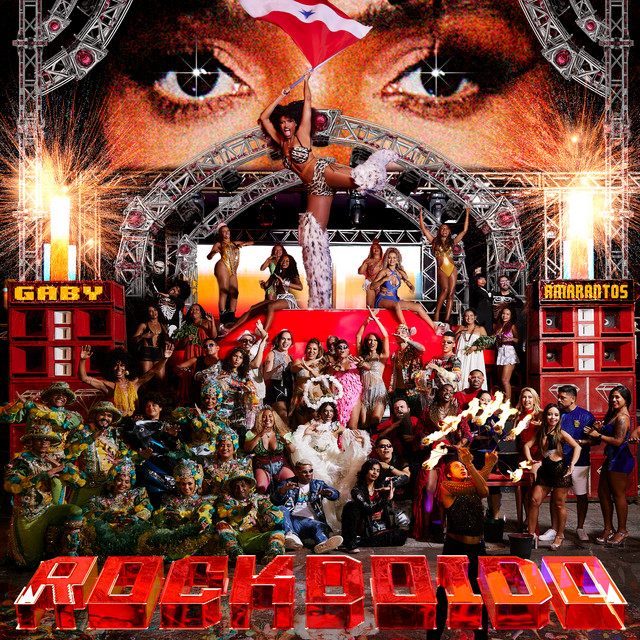
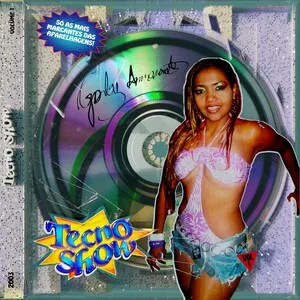
Belém’s sound-system culture (aparelhagens) professionalized local dances with towering PAs, MCs, and dazzling light shows, changing how music was produced and consumed. Street-market CD economies and live performance fees sustained artists while tracks circulated virally. Out of this ecosystem came tecnobrega/tecnomelody: high-BPM, synth-driven reimaginings of romantic brega and regional rhythms, championed by DJs/producers and artists such as Gaby Amarantos and Gang do Eletro.
The 2010s brought renewed global interest in Amazonian sounds, with archival reissues (e.g., carimbó, guitarrada), cross-border collaborations, and digital platforms amplifying local scenes. Contemporary artists fuse carimbó, guitarrada, brega/calypso, and tecnobrega with pop, EDM, and hip hop aesthetics, while community festivals and the Círio de Nazaré season keep the region’s dance traditions vibrant.