Genres
Artists
Albums
Make Music
Sign in
Sign in
Artists
Brega
Artists
Brega
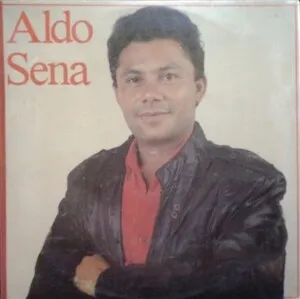
Aldo Sena
1983
·
2 albums
Listen
2
/5
Genres
Tecnobrega
Tecnobrega is a high-energy, electronic offshoot of Brazilian brega that emerged in Belém, Pará. It fuses the melodic, romantic songwriting of brega with punchy club beats, bright synths, and crowd‑hype elements drawn from local sound‑system culture. Built for massive neighborhood parties known as aparelhagens, tecnobrega tracks often feature call‑and‑response vocals, DJ tags, and short jingles that shout out sound systems and events. The music balances sentimental themes—love, longing, and heartbreak—with a relentlessly danceable aesthetic, creating a unique blend of romance and rave. While fiercely regional in its roots and distribution model, tecnobrega has influenced mainstream Brazilian pop sensibilities and opened pathways for other electronic fusions of brega across Brazil.
Discover
Listen
Lambada
Lambada is a Brazilian dance-pop style that surged from the north of Brazil in the 1980s and exploded internationally at the decade’s end. It blends local Amazonian rhythms with Caribbean dance music and glossy late‑’80s pop production, yielding a sensual, swaying groove designed for partner dancing. Signature elements include syncopated percussion, clean lead guitars inspired by Pará’s guitarrada, buoyant bass lines, bright synths, and ear‑catching hooks. While its global fame is tied to Kaoma’s 1989 smash “Lambada,” the style grew from regional scenes around Belém and later Bahia, drawing on carimbó and other Afro‑Indigenous traditions as well as cumbia, merengue, calypso/soca, and zouk.
Discover
Listen
Brega
Brega is a Brazilian popular music style known for unabashed romanticism, dramatic vocal delivery, and melodically memorable choruses. Often associated with working-class audiences in the Northeast and North of Brazil, it embraces sentimentality—songs dwell on love, betrayal, jealousy, and longing—using straightforward harmonies and lush, sometimes kitschy, arrangements. Musically, classic brega favors mid-tempo grooves, prominent keyboards or string-synth pads, clean electric guitars, and steady drums or drum machines. Its harmonic language leans on familiar pop progressions and the climactic “truck-driver’s gear change” (a last-chorus key change) to heighten emotion. Once dismissed by elites as “tacky,” brega has since been reappraised as a vital expression of Brazilian popular taste and a wellspring for newer subgenres.
Discover
Listen
Guitarrada
Guitarrada is an instrumental, guitar-centered popular style from Brazil’s northern state of Pará, especially around Belém. It features bright, melodic electric-guitar leads that carry the tune, while rhythm sections draw on local Afro-Indigenous dance grooves. The genre blends the syncopated swing of carimbó and the Caribbean pulse of merengue and cumbia with a touch of surf/rock guitar aesthetics. The result is festive, danceable music with catchy riffs, call-and-response figures, and a propulsive backbeat—often performed at community dances, festas, and stage shows.
Discover
Listen
Northern Brazilian Music
Northern Brazilian music refers to the constellation of popular and traditional styles from Brazil’s Amazonian North—especially Pará, Amapá, Amazonas, Roraima, Rondônia, Acre, and Tocantins. It blends Indigenous rhythms and instruments with Afro-Brazilian grooves and strong Caribbean influences (calypso, compas, merengue, and zouk), creating dance-focused forms such as carimbó, guitarrada, lambada, brega/calypso, and, later, tecnobrega. A hallmark of the scene is its sound-system culture (aparelhagens), bright electric guitars and synths, syncopated percussion (curimbó, maracas, reco-reco), and catchy call-and-response vocals that celebrate Amazonian life, romance, and local festivities.
Discover
Listen
Forró
Forró is a popular dance-music tradition from Brazil’s Northeast, centered on the trio of accordion (sanfona), zabumba (bass/tenor drum), and triangle. It encompasses a family of rhythms—most notably baião, xote, arrasta-pé, and xaxado—and is performed for partner dancing at parties and the June festivals (Festas Juninas). The style balances infectious, syncopated grooves with singable melodies and simple, diatonic harmony. Lyrically, forró often celebrates rural life, love, longing (saudade), and the culture of the sertão. Over time, it has branched into substyles ranging from the acoustic, rootsy pé-de-serra to modern, amplified and electronic variants.
Discover
Listen
Seresta
Seresta is a Brazilian tradition of nocturnal, romantic serenade-songs, typically performed by small groups beneath windows, on quiet streets, or in backyard gatherings. It blends the refined, sentimental poetics of the modinha with the lyrical sweep of waltzes and the instrumental lyricism of choro, favoring expressive vocals, rubato phrasing, and intimate acoustic accompaniment. The repertoire is slow to medium in tempo, often in 3/4 or gentle 2/4, and centers on themes of love, longing, moonlit nights, and saudade. Hallmark instruments include the violão (acoustic guitar), bandolim (mandolin), cavaquinho, flute, and light percussion, supporting a crooning vocal style that predates and foreshadows later romantic currents in Brazilian popular music.
Discover
Listen
Show all 7 genres
Albums
1983
2
/5
Aldo Sena
Aldo Sena
Guitarrada
Lambada
Brega
Aldo Sena
Aldo Sena
Guitarrada
Similar artists
4
/5
Manu
Tecnobrega
Brega
Forró
4
/5
Priscila Senna
Brega Romantico
Forró De Favela
Brega
2
/5
Banda Kitara
Brega
Forró
Seresta
4
/5
Calcinha Preta
Calypso
Forró Eletrônico
Arrocha
4
/5
Raí Saia Rodada
Raï
Tecnobrega
Arrocha
4
/5
Raphaela Santos
Tecnobrega
Arrocha
Brega
4
/5
Klessinha
Arrocha
Brega
Forró
3
/5
Raquel dos Teclados
Arrocha
Brega
Forró
3
/5
Asas Livres
Arrocha
Brega
Forró
3
/5
Forró Boys
Piseiro
Arrocha
Brega
Download our mobile app
Get the Melodigging app and start digging for new genres on the go
Download on the App Store
Get it on Google Play
© 2026 Melodigging
Give feedback
Legal
Melodding was created as a tribute to
Every Noise at Once
, which inspired us to help curious minds keep digging into music's ever-evolving genres.