Genres
Artists
Albums
Make Music
Sign in
Sign in
Artists
Raï
Artists
Raï
Raí Saia Rodada
2018–2025
·
5 albums
Listen
4
/5
Genres
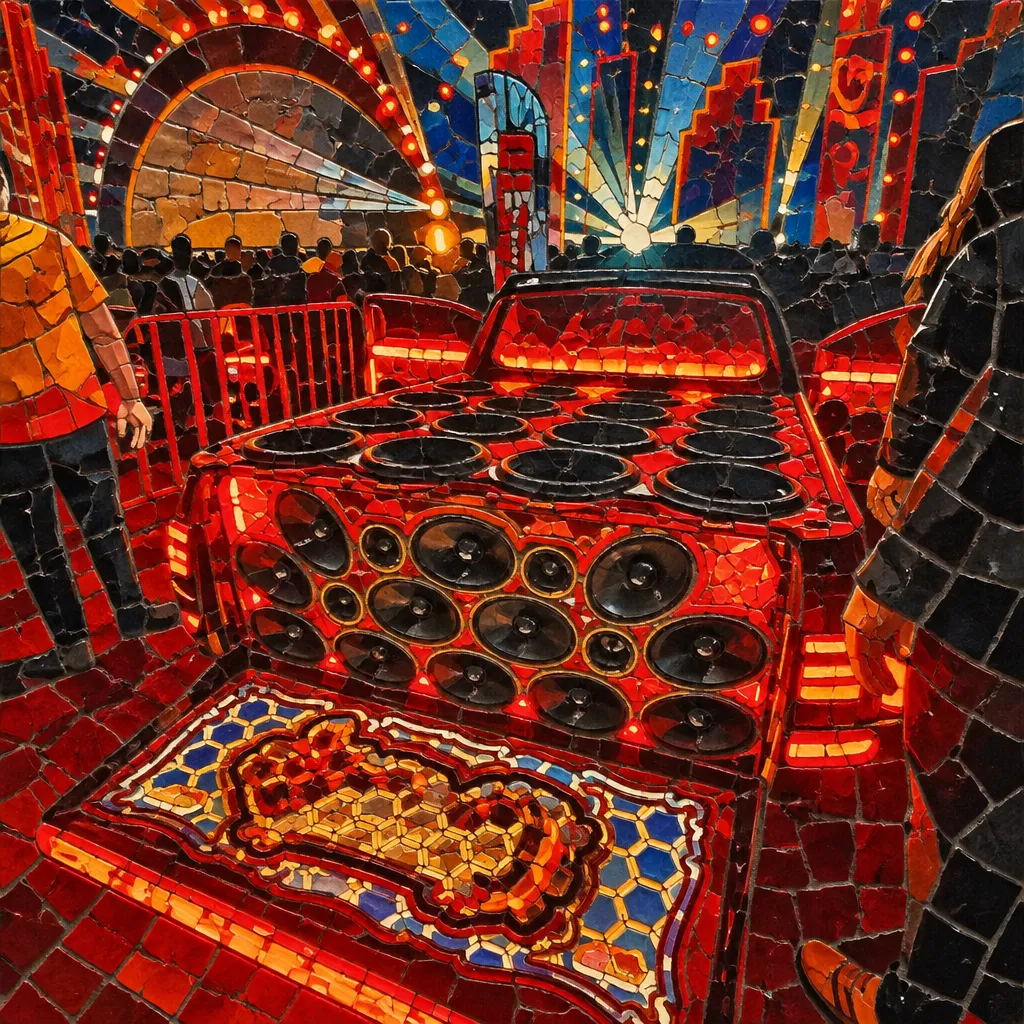
Deboxe
Deboxe is a contemporary Brazilian club and car-audio offshoot of funk that emphasizes massive, hypnotic sub‑bass, sparse drum patterns, and short, chant-like vocal phrases. Compared with earlier funk styles, deboxe is darker and more minimal: long 808 glides, roomy percussive hits, and reverbed stabs create an atmosphere designed for huge speaker arrays and parking‑lot parties. Drops are often built around “desande” moments—sections where the groove strips down, then slams back with heavier bass—while producer tags, chopped ad‑libs, and micro‑hooks replace long verses. Tempos most commonly sit between 135–150 BPM, borrowing the drive of mega funk and the weight of automotivo (car‑sound) culture, but delivered with a swaggering, deboche (“mocking”) attitude that gives the genre its name and vibe.
Discover
Listen
Tecnobrega
Tecnobrega is a high-energy, electronic offshoot of Brazilian brega that emerged in Belém, Pará. It fuses the melodic, romantic songwriting of brega with punchy club beats, bright synths, and crowd‑hype elements drawn from local sound‑system culture. Built for massive neighborhood parties known as aparelhagens, tecnobrega tracks often feature call‑and‑response vocals, DJ tags, and short jingles that shout out sound systems and events. The music balances sentimental themes—love, longing, and heartbreak—with a relentlessly danceable aesthetic, creating a unique blend of romance and rave. While fiercely regional in its roots and distribution model, tecnobrega has influenced mainstream Brazilian pop sensibilities and opened pathways for other electronic fusions of brega across Brazil.
Discover
Listen
Arrocha
Arrocha is a romantic, dance-oriented pop style that emerged in the interior of Bahia, Brazil—most notably around Candeias. The name comes from Brazilian Portuguese slang meaning “to hold tight,” which captures the genre’s intimate, slow-to-mid‑tempo embrace on the dance floor. Musically, arrocha blends the sentimental, melodramatic songwriting of brega romântico with rhythmic and timbral touches from Bahia’s axé and the northeastern forró tradition. Smooth synths, electric guitar arpeggios, accordion or keyboard leads, and programmed drums support emotive, melismatic vocals that center on love, longing, jealousy, and reconciliation.
Discover
Listen
Piseiro
Piseiro is a contemporary Brazilian dance style that emerged in the interior of Northeast Brazil in the 2000s. It is commonly described as a homemade, pared-down branch of forró eletrônico, built around electronic keyboard timbres, a strong, repetitive groove, and catchy vocal hooks. The sound often favors simple harmonic movement, punchy bass lines, and sing-along choruses, with vocal harmonization used to amplify the party-friendly, communal feel. In the 2010s–2020s it became nationally popular through streaming and social media, frequently blending with other regional “forró/sertanejo” currents while keeping its characteristic keyboard-driven backbone.
Discover
Listen
Sertanejo Universitário
Sertanejo universitário is a contemporary, pop-leaning evolution of Brazil’s traditional sertanejo that emerged from college party circuits in the mid-2000s. It pairs the genre’s rural storytelling and acoustic roots with glossy, radio-friendly production and catchy pop hooks. Typical arrangements feature acoustic and electric guitars, bass, drums, keyboards/synth pads, and often accordion, with memorable sing‑along choruses and verse–pre‑chorus–chorus structures. Lyrically, themes revolve around love, heartbreak, nightlife, friendship, and youthful social life, reflecting a bridge between rural imagery and urban party culture. The style favors straightforward 4/4 grooves, from romantic mid‑tempos to dance‑floor anthems, and borrows harmonic language and production sheen from international pop and country pop. Its dominance on Brazilian charts in the 2010s made it one of the country’s most influential mainstream sounds.
Discover
Listen
Brega
Brega is a Brazilian popular music style known for unabashed romanticism, dramatic vocal delivery, and melodically memorable choruses. Often associated with working-class audiences in the Northeast and North of Brazil, it embraces sentimentality—songs dwell on love, betrayal, jealousy, and longing—using straightforward harmonies and lush, sometimes kitschy, arrangements. Musically, classic brega favors mid-tempo grooves, prominent keyboards or string-synth pads, clean electric guitars, and steady drums or drum machines. Its harmonic language leans on familiar pop progressions and the climactic “truck-driver’s gear change” (a last-chorus key change) to heighten emotion. Once dismissed by elites as “tacky,” brega has since been reappraised as a vital expression of Brazilian popular taste and a wellspring for newer subgenres.
Discover
Listen
Forró
Forró is a popular dance-music tradition from Brazil’s Northeast, centered on the trio of accordion (sanfona), zabumba (bass/tenor drum), and triangle. It encompasses a family of rhythms—most notably baião, xote, arrasta-pé, and xaxado—and is performed for partner dancing at parties and the June festivals (Festas Juninas). The style balances infectious, syncopated grooves with singable melodies and simple, diatonic harmony. Lyrically, forró often celebrates rural life, love, longing (saudade), and the culture of the sertão. Over time, it has branched into substyles ranging from the acoustic, rootsy pé-de-serra to modern, amplified and electronic variants.
Discover
Listen
Raï
Raï is a popular music genre from the port city of Oran (Wahran), Algeria, whose name comes from the colloquial Arabic word for "opinion" or "point of view." It began as a raw, vernacular form of urban song led by cheikhas (female singer-performers) accompanied by gasba flute and guellal drum, addressing everyday life, love, alcohol, social hypocrisy, and desire with unusual frankness. Across the 1970s and 1980s, raï electrified: acoustic ensembles and Bedoui/chaabi-rooted melodies merged with electric guitar, synthesizers, drum machines, and global dance grooves (funk, disco, reggae, and pop). This produced the internationally famous “pop raï” sound—at once danceable and emotionally direct—carried by stars such as Khaled, Cheb Mami, Cheb Hasni, and Cheikha Rimitti. Today, raï remains a living tradition and a flexible pop form, equally at home with traditional gasba/guellal timbres and glossy electronic production, while its lyrics continue to alternate between hedonistic celebration and aching nostalgia for home and lost love.
Discover
Listen
Sertanejo
Sertanejo is Brazil’s homegrown counterpart to country music, rooted in the rural song traditions of the country’s interior (música caipira) and later modernized for urban radio and arenas. Its core sound revolves around close-harmony duos, storytelling lyrics about love, longing, and countryside life, and the distinctive timbre of the viola caipira (10‑string Brazilian guitar) alongside acoustic guitar, accordion, and, in contemporary productions, full rhythm sections and pop‑leaning arrangements. Across a century, sertanejo evolved through several waves: the narrative, acoustic sertanejo raiz; the polished, romantic duos that conquered national television and FM radio; and the 2000s/2010s universitário movement that fused pop, rock, and electronic textures. Today it is one of Brazil’s most commercially dominant genres, spawning numerous substyles and crossovers while retaining its identity of heartfelt vocal harmonies and sing‑along choruses.
Discover
Listen
Seresta
Seresta is a Brazilian tradition of nocturnal, romantic serenade-songs, typically performed by small groups beneath windows, on quiet streets, or in backyard gatherings. It blends the refined, sentimental poetics of the modinha with the lyrical sweep of waltzes and the instrumental lyricism of choro, favoring expressive vocals, rubato phrasing, and intimate acoustic accompaniment. The repertoire is slow to medium in tempo, often in 3/4 or gentle 2/4, and centers on themes of love, longing, moonlit nights, and saudade. Hallmark instruments include the violão (acoustic guitar), bandolim (mandolin), cavaquinho, flute, and light percussion, supporting a crooning vocal style that predates and foreshadows later romantic currents in Brazilian popular music.
Discover
Listen
Show all 10 genres
Albums
2025
2
/5
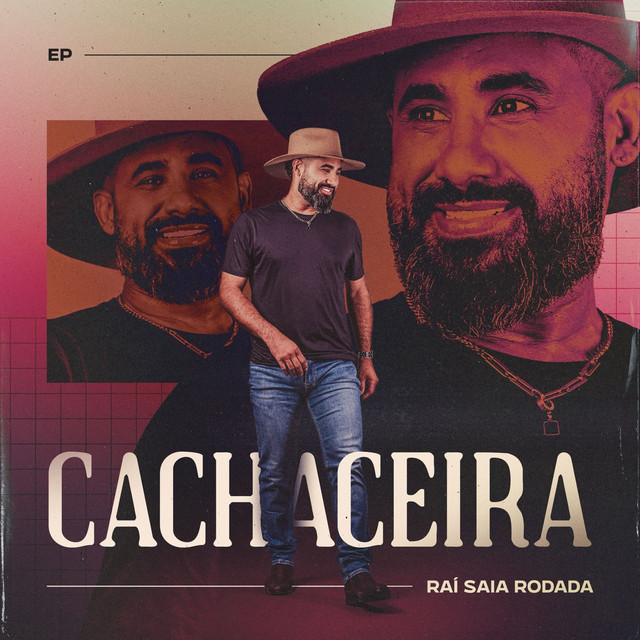
Cachaceira
Raí Saia Rodada
Tecnobrega
2025
1
/5
Cachaceira
Raí Saia Rodada
Tecnobrega
2023
2
/5
Raí Saia Rodada Em Goiânia (Ao Vivo)
Raí Saia Rodada
Tecnobrega
2019
3
/5
Bebe e Vem Me Procurar
Raí Saia Rodada
Tecnobrega
Raï
2018
3
/5
Filho do Mato
Raí Saia Rodada
Tecnobrega
Raï
Similar artists
4
/5
Os Barões Da Pisadinha
Piseiro
Tecnobrega
Forró
4
/5
Manu
Tecnobrega
Brega
Forró
4
/5
Raphaela Santos
Tecnobrega
Arrocha
Brega
4
/5
Priscila Senna
Brega Romantico
Forró De Favela
Brega
3
/5
Taty Girl
Forró De Favela
Tecnobrega
Arrocha
3
/5
Banda Djavú
Tecnobrega
Brega
Arrocha
3
/5
Washington Brasileiro
Tecnobrega
Arrocha
Brega
3
/5
Zé Elias
Tecnobrega
Arrocha
Brega
3
/5
Banda Batidão
Tecnobrega
Arrocha
Brega
2
/5
Banda Tarraxinha
Tecnobrega
Arrocha
Brega
Download our mobile app
Get the Melodigging app and start digging for new genres on the go
Download on the App Store
Get it on Google Play
© 2026 Melodigging
Give feedback
Legal
Melodding was created as a tribute to
Every Noise at Once
, which inspired us to help curious minds keep digging into music's ever-evolving genres.