Genres
Artists
Albums
Make Music
Sign in
Sign in
Artists
Isekai
Artists
Isekai
Federico Dubbini
2020
·
1 album
Listen
3
/5
Genres
Isekai
Isekai (lit. "another world") in music refers to songs and scores written for anime and games where characters are transported—often accidentally or involuntarily—into a parallel universe or fantasy world. In practice, it is a sub-current of Japanese anisong and soundtrack culture whose soundworld emphasizes the wonder, peril, and empowerment arcs typical of isekai narratives. Musically, isekai blends high-impact J‑pop/J‑rock openings (OPs) with hybrid orchestral scores: soaring string ostinati, heroic brass, choir pads, and EDM/rock rhythm sections used to frame battles, leveling-up sequences, and portal moments. Endings (EDs) often pivot to lyrical, nostalgic or bittersweet pop to reflect homesickness, found-family bonds, or the protagonist’s inner monologue.
Discover
Listen
No Beat
No beat is a Brazilian, producer‑driven tag and scene that grew around baile funk and adjacent regional party styles, where the beatmaker’s identity (often voiced as the tag “X no beat!”) is foregrounded. Musically it pulls from funk carioca’s Miami‑bass lineage, paredão/car‑sound‑system aesthetics, and newer dark, minimalist strands (e.g., bruxaria), yielding hard sub‑bass, sparse percussion at 130–150+ BPM, abrupt mutes, chopped/ported vocals, and crowd‑command call‑outs. In some regional pockets the groove leans into arrochadeira/brega influences and trap textures (“trapfunk”). Rather than meaning “without drums,” the label signals a producer‑centric baile funk approach that thrives in street parties and sound‑system culture and has fed into today’s global club and trap‑funk cross‑pollination.
Discover
Listen
Lo-Fi Vgm
Lo‑fi VGM (lo‑fi video game music) is a crossover style that blends the relaxed, tape‑warmed aesthetics of lo‑fi hip hop with melodies and atmospheres from classic and contemporary video game scores. Producers typically re‑harmonize or gently reharmonize well‑known themes, slow the tempos into the 60–90 BPM range, add vinyl crackle, tape hiss, dusty drums, soft keys/guitar, and cozy ambience, and retain the nostalgic contours of the original cues. The result is music suited for studying, streaming, or unwinding, while evoking game‑world nostalgia. Netlabels and collectives—most visibly GameChops and Curaga Records—helped codify the sound with licensed, album‑length reinterpretations of major franchises.
Discover
Listen
Japanese Vgm
Japanese VGM (video game music) refers to music created for Japanese video games, spanning arcade cabinets, home consoles, handhelds, PCs, and modern platforms. It is melody-forward, loop-friendly, and highly thematic, often built on short motifs and clear leitmotifs for characters, locations, and events. Early sound palettes centered on PSG and FM synthesis; later generations added PCM sampling, CD audio, and full orchestral/hybrid production. Stylistically it blends electronic programming with influences from classical orchestration, jazz fusion, kayōkyoku/J‑Pop hooks, and progressive rock, while sometimes coloring harmony or melody with Japanese scales. Its catchy writing, memorable hooks, and tight arrangements have made it globally influential well beyond games.
Discover
Listen
Video Game Music
Video game music (VGM) is the soundtrack or background music composed specifically to accompany and enhance interactive gameplay. In its earliest decades, VGM was bound by severe hardware constraints: simple programmable sound generators (PSG) and later FM-synthesis chips limited composers to a handful of monophonic channels, basic waveforms, and tiny memory footprints. Those constraints forged a distinctive, catchy, loop-based idiom—often called “chip music” or “8‑bit”—that became the emblematic sound of early games. As technology advanced, VGM expanded into rich orchestral, rock, electronic, and hybrid palettes and adopted adaptive/interactive scoring techniques so the music could change with the player’s actions. Today it spans everything from intimate, textural ambience to full symphonic epics, while still celebrating its retro chip heritage.
Discover
Listen
Orchestral
Orchestral music refers to compositions written for an orchestra—a large ensemble typically built around a string section (violins, violas, cellos, double basses), complemented by woodwinds, brass, percussion, and often harp, keyboard, or other auxiliary instruments. A conductor coordinates the ensemble, shaping balance, phrasing, and expression. The style emphasizes coloristic timbre combinations, dynamic range from the softest pianissimo to explosive tuttis, and textures that can shift seamlessly between transparent chamber-like writing and monumental masses of sound. Orchestral writing underpins concert genres such as symphonies, overtures, and tone poems, as well as opera, ballet, and modern film and game scores. While orchestral writing evolved across centuries, its core craft centers on melody, counterpoint, harmony, register, and orchestration—the art of assigning musical ideas to instruments to achieve clarity, contrast, and narrative impact.
Discover
Listen
Instrumental
Instrumental is music created and performed without sung lyrics, placing the expressive weight on melody, rhythm, harmony, and timbre produced by instruments. As an umbrella practice it appears in many cultures, but its modern identity cohered in Baroque-era Europe when purely instrumental forms such as the sonata, concerto, and dance suites began to flourish. Since then, instrumental thinking—developing motives, structuring form without text, and showcasing timbral contrast—has informed everything from orchestral music and solo piano repertoire to post-rock, film scores, and beat-driven electronic styles. Instrumental works can be intimate (solo or chamber) or expansive (full orchestra), narrative (programmatic) or abstract (absolute music). The absence of lyrics invites listeners to project imagery and emotion, making the style a natural fit for cinema, games, and contemplative listening.
Discover
Listen
Show all 7 genres
Albums
2020
3
/5
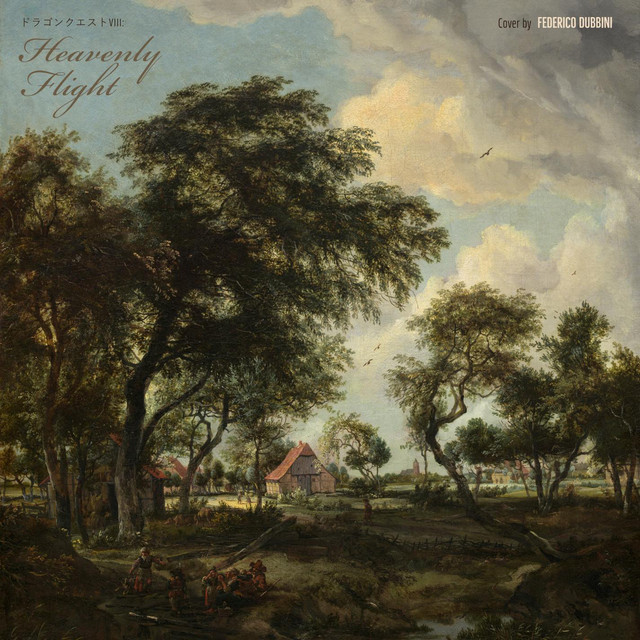
Heavenly Flight
Federico Dubbini
Japanese Vgm
Orchestral
Similar artists
5
/5
Hans Zimmer
Country Dawn
Soundtrack
Classical
4
/5
Nobuo Uematsu
Soundtrack
Classical
Deep Soundtrack
4
/5
HOYO-MiX
Soundtrack
Digital Horror
Gamecore
4
/5
Christopher Larkin
Soundtrack
Indie Game Soundtrack
Classical
4
/5
Toby Fox
Indie Game Soundtrack
Soundtrack
Video Game Music
1
/5
Various Artists
Afro-Funk
Alternative Rock
Ambient
4
/5
アトラスサウンドチーム
Soundtrack
Isekai
Japanese Vgm
4
/5
Royal Philharmonic Orchestra
Calming Instrumental
Classical
Deep Soundtrack
4
/5
ATLUS GAME MUSIC
Isekai
Japanese Vgm
Regalia
4
/5
Ludwig Göransson
Nordic Soundtrack
Classical
Soundtrack
Download our mobile app
Get the Melodigging app and start digging for new genres on the go
Download on the App Store
Get it on Google Play
© 2026 Melodigging
Give feedback
Legal
Melodding was created as a tribute to
Every Noise at Once
, which inspired us to help curious minds keep digging into music's ever-evolving genres.