Genres
Artists
Albums
Make Music
Sign in
Sign in
Artists
Wave
Artists
Wave
Øfdream
2017–2018
·
3 albums
Listen
3
/5
Genres
Wave
Wave is an internet-born electronic genre that emerged in the mid‑2010s, blending half‑time trap rhythms with ambient pads, emotive minor‑key harmony, and dubstep-informed sound design. It favors atmosphere and mood over maximal aggression, often pairing wide, reverb‑washed textures with weighty 808 subs and sparse melodic leads. Tracks typically sit around 120–140 BPM with a half‑time feel (60–70 BPM perceived), featuring crisp hi‑hat flicks, roomy snares on beat three, and long, cinematic builds and breakdowns. Vocals, when present, tend to be ethereal phrases or chopped one‑shots used as textures rather than full verses. While rooted in online communities and labels/collectives, Wave gradually crossed over to physical club spaces, maintaining a balance between headphone introspection and dancefloor momentum.
Discover
Listen
Drift Phonk
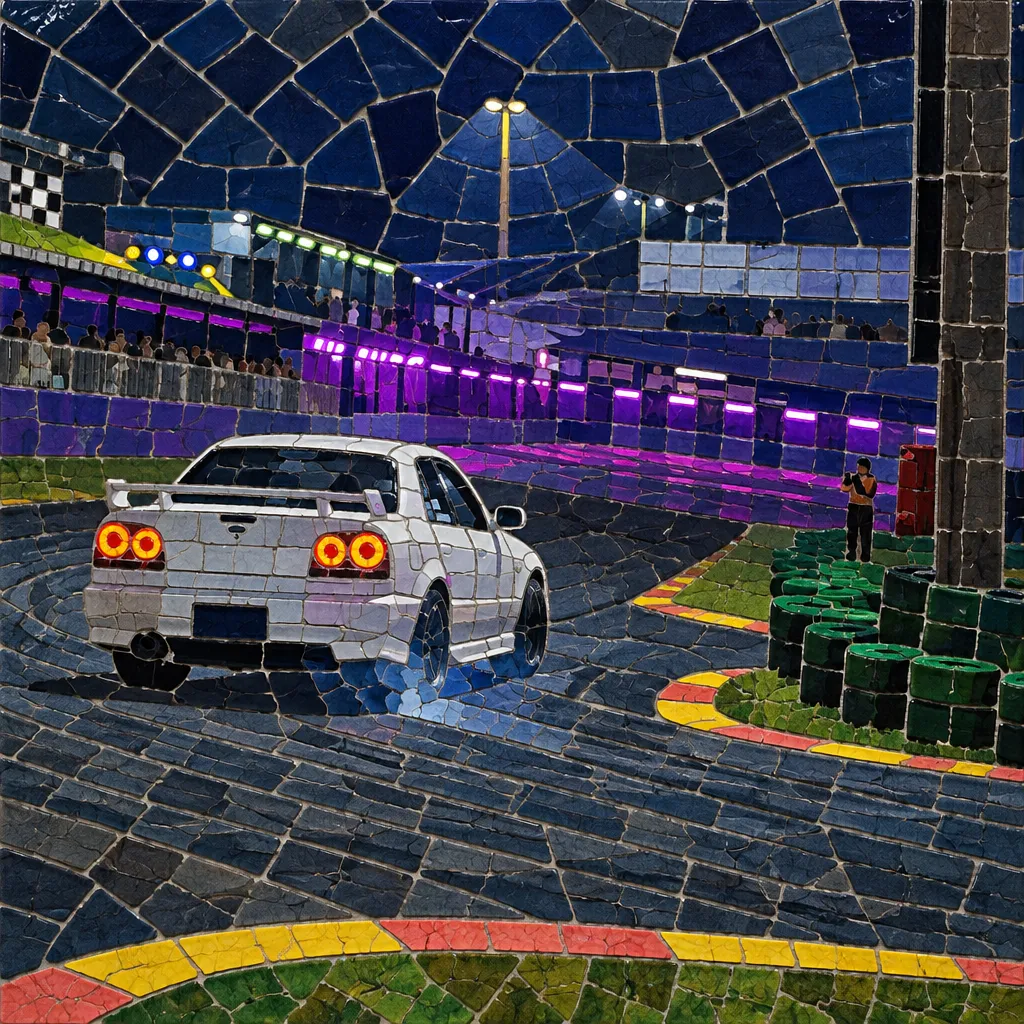
Drift phonk is a high-energy, house-tempo offshoot of phonk that crystallized in the late 2010s and surged globally in the early 2020s. It blends the dark, Memphis-rap sampling ethos of classic phonk with four-on-the-floor club rhythms, hard-hitting 808 sub-bass glides, and a signature syncopated cowbell lead. The result is a tense, cinematic sound tailored to fast motion—especially car drifting edits on TikTok, YouTube, and Instagram. Compared to lo-fi, boom-bap-oriented phonk, drift phonk is cleaner, louder, and faster (often around 160 BPM), leaning on modern dance production techniques (sidechain, saturation, precise limiting) while keeping chopped, pitched, or re-recorded vocal chops as a core aesthetic. Its visual identity often features neon-lit street racing, VHS/tape grit, and cyberpunk color palettes.
Discover
Listen
Grave Wave
Grave wave is a modern, goth-leaning strain of darkwave and synth-driven post-punk that emerged in the early 2010s. It blends the icier textures of 1980s coldwave and minimal wave with pulsing drum machines, brooding basslines, and spectral vocals drenched in reverb. The style favors analog and retro-styled synthesizers, chorus-laden guitars, and tightly programmed rhythms that evoke nocturnal cityscapes, underground clubs, and cinematic horror aesthetics. Lyrically it leans toward themes of alienation, desire, memory, and the uncanny—often delivered in low, detached croons or ethereal whispers. Sonically, grave wave sits between darkwave and synth-pop: more driving and danceable than pure coldwave, but more shadowy and melancholic than mainstream synth-pop. Its atmosphere is moody yet propulsive, making it equally at home on a dim dancefloor or in headphones on a late-night walk.
Discover
Listen
Post-Dubstep
Post-dubstep is a loosely defined wave of UK-born electronic music that grew out of dubstep but moved away from its rigid 140 BPM wobble-bass formula. It keeps the bass-weight, sound-system focus, and rhythmic syncopation of dubstep and UK garage, but folds in house and techno tempos, R&B vocal chops, ambient space, and experimental production. Typical tracks explore 120–135 BPM (not fixed at 140), use broken 2‑step/garage swing instead of 4/4, and favor detailed sound design over maximal drops. You’ll often hear hushed, intimate vocals (sampled or original), neo-soul/jazz-influenced chords, and micro-edited percussion with lots of negative space. The mood is frequently introspective, melancholic, and textural—more headphone-oriented than festival-leaning—yet still rooted in club culture.
Discover
Listen
Neo-Grime
Neo-grime is a modern, experimental mutation of grime that retools the icy, 140 BPM template with contemporary sound design, skeletal rhythms, and a focus on atmosphere as much as impact. Where classic grime emphasized MC-led bangers and rough-and-ready club functionality, neo-grime often privileges instrumental detail, negative space, and futuristic textures—glassine pads, sub‑heavy bass, and detuned square-wave leads—while still retaining grime’s stark drum language and UK underground swagger. The result is a style that can swing between weightless ambience and steel-edged percussion, equally at home in forward-thinking club nights and headphone listening.
Discover
Listen
Chill Breakcore
Chill breakcore is a micro-style that softens the jagged edges of classic breakcore with lush ambience, dreamy pads, and emotive melodies. It retains the genre’s telltale chopped Amen breaks, granular edits, and breakneck rhythmic vocabulary, but tempers them with downtempo moods, lo‑fi textures, and vaporous sound design. Producers often work at drum-and-bass or breakcore tempos (typically 150–175 BPM) while shaping the overall feel to be intimate, melancholic, and relaxed—sometimes even half‑time—so the beats feel intricate but weightless. The result sits somewhere between atmospheric jungle, IDM, and vaporwave: breakbeats that shimmer instead of bludgeon, and harmony that leans nostalgic rather than abrasive.
Discover
Listen
Glitchcore
Glitchcore is an internet-born microgenre that fuses pop-forward songwriting with hyperactive, digitally mangled sound design. It is characterized by bitcrushed and over-distorted synths, stuttered edits, sudden beat-switches, and heavily pitch-shifted, Auto-Tuned vocals. Arrangements tend to be short, hook-centric, and maximalist, often compressing multiple sections and textures into tracks that last 90–150 seconds. The genre borrows the emotive directness of emo rap and bedroom pop, the rhythmic backbone of trap, and the candy-coated sheen of hyperpop and bubblegum bass, while leaning into deliberate digital artifacts—glitches, dropouts, resampling, and hard clip distortion—as expressive tools. Culturally, glitchcore is inseparable from online communities (Discord, SoundCloud, TikTok), where rapid iteration, meme literacy, and DIY production workflows shaped its sound and aesthetics.
Discover
Listen
Channel Pop
Channel pop is a digital-era strain of mainstream pop shaped by video and creator platforms—especially YouTube and later TikTok and Instagram—where artists build audiences through frequent uploads on their own “channels.” Musically it favors intimate, highly polished but close-mic’d vocals, acoustic guitar or piano-led arrangements, restrained beats, and succinct, playlist-friendly structures. Many releases are cover-first (reimagining recent chart hits) with a steady flow of glossy singles, session-style performances, and creator collaborations that gradually blend into original material. Titles, artwork, and release cadence are optimized for search and recommendation algorithms, yielding a sound that is simultaneously personal and platform-aware.
Discover
Listen
Focus
Focus is a functional, streaming-era umbrella genre designed to aid concentration, studying, reading, coding, and other cognitively demanding tasks. Musically, it blends quiet instrumental palettes—modern classical piano, minimal strings, gentle ambient pads, subdued post-rock textures, and unobtrusive downtempo electronics. The aesthetic emphasizes low distraction: sparse melodies, slow harmonic rhythm, soft dynamics, limited high-frequency transients, and little to no lyrical content. Rather than a scene-bound style, Focus coheres around use-case and sound design. It filters earlier ambient, minimalist, and neo-classical practices through contemporary production values and playlist culture, prioritizing calm continuity, warmth, and clarity over dramatic peaks.
Discover
Listen
Future Ambient
Future ambient is a contemporary strain of ambient music that blends classic beatless atmospheres with modern sound design and post-dubstep, IDM, and minimal techno sensibilities. It typically emphasizes wide, cinematic pads; granular and spectral processing; subtly evolving textures; and low-end sculpting borrowed from modern electronic production. Rhythms, when present, are usually subliminal—pulses, shuffled ghost-kicks, or distant, hazy percussion—so the music retains an essentially immersive, contemplative character while feeling unmistakably current. Compared with 1990s ambient techno and early drone, future ambient tends to be cleaner in its spatial imaging, more detailed in micro-sound events, and more influenced by contemporary mixing and mastering aesthetics developed for headphones and streaming.
Discover
Listen
Hardwave
Hardwave is a high-energy offshoot of the online wave movement that fuses cinematic atmospheres and melancholic melodies with the power and structure of club music. It typically features soaring trance-like leads, heavy sidechained pads, reese subs, and emotive progressions set against either four-on-the-floor or halftime rhythms around 120–150 BPM. Compared with classic wave, hardwave is more driving and festival-ready, borrowing the euphoric drops and supersaw sound design of hardstyle and trance while retaining the moody, spacious qualities of wave and witch house.
Discover
Listen
Nightrun
Nightrun is a synthwave-adjacent microgenre built for the sensation of cruising through a neon-lit city at night. It blends retro-’80s analog synth timbres, melodramatic minor-key harmonies, and steady four-on-the-floor or motorik grooves with a glossy, cinematic finish. Compared to broader synthwave, nightrun tends to be slightly leaner and more driving: pulsing bass arpeggios, gated snares, and shimmering pads frame soaring lead melodies that evoke nocturnal highways, sodium lights, and distant horizons. Tempos typically sit in the midtempo range (about 85–110 BPM), with arrangements that rise and fall like a night drive—quiet intros, long cruising sections, and cathartic choruses. Aesthetically, it borrows the neon futurism of 1980s action and thriller soundtracks, while adopting modern production sheen and sidechain pumping. The result is danceable yet reflective electronic music tailored to late-night motion and nostalgic escapism.
Discover
Listen
Witch House
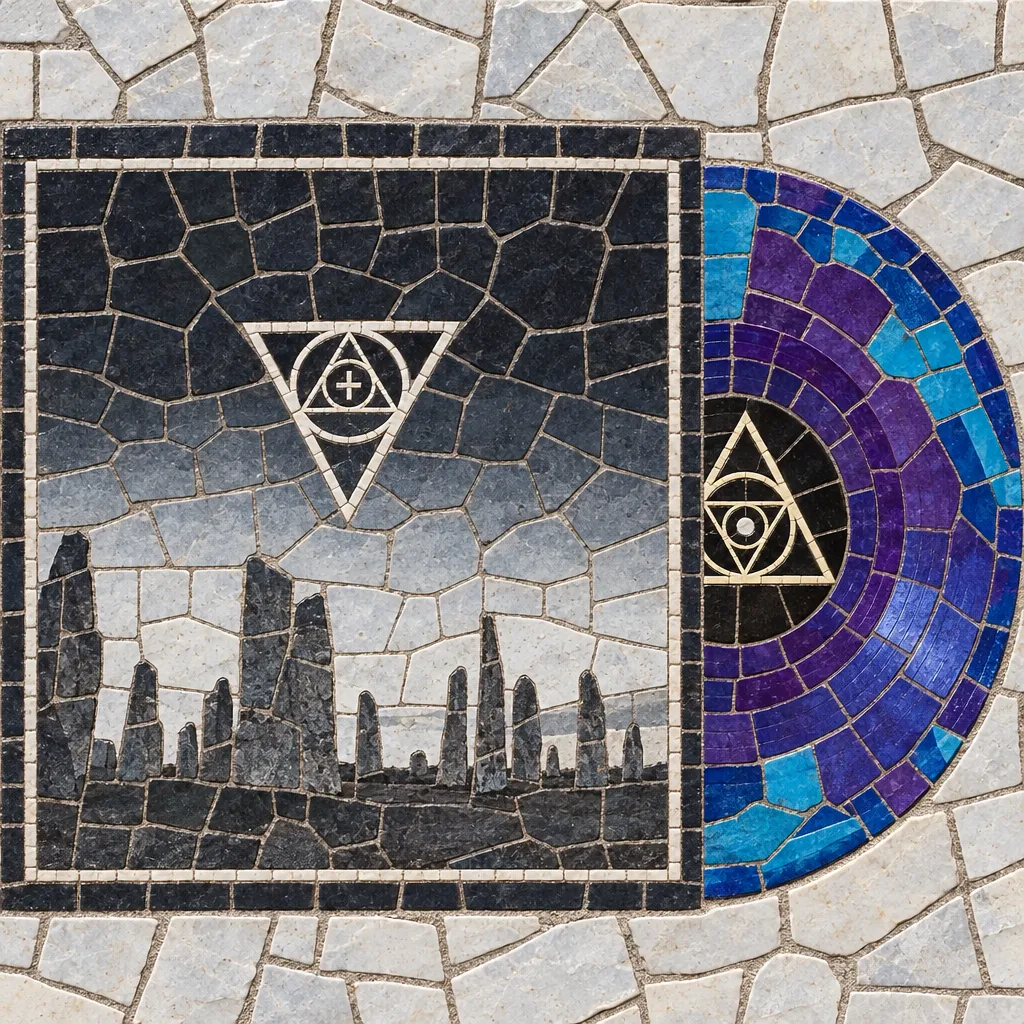
Witch house is an occult‑themed, nocturnal strain of dark electronic music that emerged in the late 2000s and early 2010s. It blends slow, hip hop–derived drum programming with droning, dense synthesizers, layered bass, and high‑pitched or detuned keyboard motifs. The style is defined by heavily processed, often indiscernible vocals, obscure or horror‑leaning samples, and a hazy, lo‑fi atmosphere. Aesthetically it draws on goth and horror iconography—triangles, Unicode symbols, VHS decay—and favors a murky, ritualistic mood over club‑ready shine.
Discover
Listen
Chillwave
Chillwave is a late-2000s microgenre of electronic pop characterized by hazy, retro-tinged synthesizers, lo‑fi textures, understated drum machines, and heavily processed, dreamlike vocals. Its sound evokes sun-faded nostalgia, often referencing 1980s synth-pop and soft rock atmospheres filtered through cassette hiss, chorus, and reverb. Built by bedroom producers during the blog era, chillwave prizes mood over virtuosity: gentle major-seventh harmonies, loop-friendly motifs, and sidechain‑pumped pads create a warm, gauzy drift. Visual and conceptual aesthetics—VHS artifacts, pastel palettes, palm trees, and memories of an endless summer—are integral to its identity.
Discover
Listen
Future Garage
Future garage is a UK-born mutation of UK garage and dubstep that pivots from peak-time club energy toward intimate, headphone-focused listening. It is defined by shuffling 2‑step drum programming (swung hi‑hats, syncopated snares, ghost kicks), deep sine/sub bass, foggy pads, and the use of pitched, chopped R&B or soul vocal fragments as texture rather than lead melody. Producers often weave in field recordings (rain, street noise, vinyl crackle), generous reverb, and subtle sound-design to evoke a nocturnal, reflective atmosphere. Typical tempos hover around 130 BPM, with grooves that imply both half‑time glide and garage shuffle, and harmony that favors minor keys, suspended chords, and slow-moving, emotive progressions.
Discover
Listen
Dance
Dance (as a broad, mainstream club- and radio-oriented style) is pop-leaning music designed primarily for dancing, characterized by steady, driving beats, catchy hooks, and production that translates well to nightclubs and large sound systems. It emerged after disco, blending four-on-the-floor rhythms with electronic instrumentation and pop songwriting, and it continually absorbs elements from house, techno, Hi-NRG, synth-pop, and later EDM. Tempos commonly fall between 110–130 BPM, vocals often emphasize memorable choruses, and arrangements are structured for both club mixing and mass appeal.
Discover
Listen
Electronic
Electronic is a broad umbrella genre defined by the primary use of electronically generated or electronically processed sound. It encompasses music made with synthesizers, drum machines, samplers, computers, and studio/tape techniques, as well as electroacoustic manipulation of recorded or synthetic sources. The genre ranges from academic and experimental traditions to popular and dance-oriented forms. While its sonic palette is rooted in electricity and circuitry, its aesthetics span minimal and textural explorations, structured song forms, and beat-driven club permutations. Electronic emphasizes sound design, timbre, and studio-as-instrument practices as much as melody and harmony.
Discover
Listen
Show all 17 genres
Albums
2018
2
/5
Perception
Øfdream
Wave
Dance
Electronic
2017
3
/5
Øfdream: Anthology, Pt. 1
Øfdream
Wave
Chillwave
Electronic
2017
3
/5
Thelema (Slowed & Bass Boosted)
Øfdream
Wave
Witch House
Similar artists
3
/5
Skeler
Chill Phonk
Wave
Doomshop Phonk
4
/5
Sidewalks and Skeletons
Witch House
Wave
Electronic
4
/5
Pastel Ghost
Dark Synthpop
Witch House
Electronic
2
/5
CHVRN
Witch House
Wave
Dark Wave
3
/5
Tokyo Tears
Chill Phonk
Wave
Drift Phonk
2
/5
Blvck Ceiling
Witch House
Wave
Dark Wave
2
/5
oOoOO
Witch House
Chillwave
Grave Wave
2
/5
Holy Other
Witch House
Chillwave
Grave Wave
3
/5
LXST CXNTURY
Wave
Bass Trap
Chill Phonk
4
/5
LONOWN
Electroclash
Witch House
Phonk
Download our mobile app
Get the Melodigging app and start digging for new genres on the go
Download on the App Store
Get it on Google Play
© 2026 Melodigging
Give feedback
Legal
Melodding was created as a tribute to
Every Noise at Once
, which inspired us to help curious minds keep digging into music's ever-evolving genres.