Genres
Artists
Albums
Make Music
Sign in
Sign in
Artists
Carimbó
Artists
Carimbó
Fafá de Belém
1975–2024
·
8 albums
Listen
3
/5
Genres
Tropical House
Tropical house is a mellow, melodic offshoot of deep house that blends a four-on-the-floor pulse with sun-soaked timbres like steel drums, marimba, pan flute, and warm acoustic guitar. It typically runs around 100–115 BPM, favors major-key progressions, and foregrounds breezy hooks over heavy drops, making it feel more like a summer pop record than a club banger. Vocals often carry romantic, nostalgic, or escapist themes—beaches, sunsets, and travel—while the production emphasizes soft percussion, sidechained pads, and a smooth, rolling sub. The genre rose to global prominence mid-2010s through hit remixes and crossover singles that brought house aesthetics into mainstream pop radio.
Discover
Listen
Bass Trap
Bass trap is a high-energy electronic dance music style that merges trap’s halftime hip-hop drum language with festival-scale sound design. It is defined by hard-hitting 808-style sub-bass, punchy snare/clap patterns, rapid hi-hat figures, and aggressive synth or bass “growls” borrowed from modern bass music. Tracks are typically built for big drops and crowd impact, using tension-heavy builds, sudden silences, and explosive low-end releases.
Discover
Listen
Deep Deep House
Deep deep house is a late-evolution branch of deep house that emphasizes warmth, space, and subtlety over overt hooks or peak-time energy. Compared with classic deep house, it leans even more toward minimal, dub-inflected textures, extended harmonies, and long atmospheric tails. Tracks typically feature understated yet weighty low end, soft Rhodes or pad chords rich in 7ths/9ths, lightly swung percussion, and carefully sculpted ambience. The mood is intimate and immersive—club music that invites close listening as much as dancing—often suited to small rooms, lounges, after-hours sets, and sunset/sunrise moments.
Discover
Listen
Deep Deep Tech House
Deep deep tech house is a particularly stripped‑back, hypnotic strain of tech house that leans heavily into deep house harmony and minimal, dub‑tinged textures. It keeps the 4/4 groove and club functionality of house while favoring restrained arrangements, long tension arcs, and subtle sound‑design over big breakdowns. Typical tempos sit around 120–126 BPM; drums emphasize tight 909‑style hats and crisp, short kicks; basslines are warm, rolling subs that lock with lightly swung percussion; harmonic content tends to be sparse—muted chord stabs, airy pads, and occasional soulful vocal fragments used as texture rather than focal hooks. The overall aim is an immersive “head‑down” flow that rewards long blends and extended sets. The palette and structure trace back to tech house’s fusion of house and techno and to deep house’s smoother harmonies.
Discover
Listen
Latin Afrobeats
Latin Afrobeats is a hybrid of West African Afrobeats and Latin urban pop in which Spanish (and sometimes Portuguese) lyrics ride syncopated, polyrhythmic grooves. It marries Afrobeats’ swung shakers, off‑beat hi‑hats, guitar licks, and buoyant bass with dembow and dancehall drum patterns common to reggaeton and Latin pop. The result is a bright, dance‑forward style with catchy toplines, call‑and‑response hooks, and concise song forms tailored to streaming. Production tends to be minimal yet percussive, with Afro‑percussion (shekere, conga/bongo colors), plucked guitars or synth plucks, and warm sub‑bass supporting melodies that often draw on pentatonic or natural minor scales. Themes revolve around romance, partying, and feel‑good celebration, making the music equally at home in clubs and playlists.
Discover
Listen
Modern Uplift
Modern uplift is a streaming‑era microgenre label for contemporary, radio‑friendly pop/rock that emphasizes optimistic, motivational songwriting and anthemic, sing‑along choruses. It sits at the intersection of post‑grunge sheen and arena‑rock scale, updated with modern pop production touches. Compared with darker alternative strains, modern uplift favors major‑key progressions, mid‑tempo grooves, layered guitars and keys, and polished mixes designed to translate from headphones to large venues. Its lineage runs through 1990s–2000s post‑grunge’s radio‑ready polish and 1970s–1980s arena rock’s big, melodic hooks, reframed in the 2010s by streaming and playlist culture that grouped kindred artists under fine‑grained microgenre tags.
Discover
Listen
Motivation
Motivation is a functional, cross-genre style designed to inspire action, confidence, and perseverance. It blends modern pop and EDM energy with cinematic/orchestral builds and post-rock textures to create an uplifting, triumphant arc. Arrangements typically move from a sparse, contemplative opening (piano, pads, delayed guitars) into steadily layered drums, rhythmic ostinatos, and wide, anthemic choruses. Major keys, bright synths, claps, stomps, and chantable hooks are common, while harmonic progressions favor familiar, optimistic cycles (e.g., I–V–vi–IV) that signal resolve and forward motion. Originally tied to production and library music for promos, sports, tech launches, and YouTube storytelling, Motivation has become a recognizable aesthetic across advertising, fitness culture, and personal development media.
Discover
Listen
Electro Latino
Electro latino (often stylized as electrolatino) is a club-oriented fusion that blends the four-on-the-floor energy of European EDM and electro house with Spanish/Latin pop songwriting and Caribbean rhythmic accents. It typically features bright supersaw or pluck synth leads, sidechained pads, and festival-style drops, combined with Latin percussion (congas, güira, timbales) and chantable Spanish hooks. Lyrical themes favor summer romance, parties, and coastal imagery, mirroring the genre’s warm, feel-good sonic identity. The style crystallized in Spain in the early 2010s and rapidly spread across European and Latin markets through high-rotation radio singles and compilation series, normalizing Spanish-language vocals and Latin rhythms on mainstream EDM platforms.
Discover
Listen
Chamber Folk
Chamber folk blends singer‑songwriter and traditional folk songwriting with the textures and arranging techniques of chamber music. Acoustic guitar, harp, or piano typically carry the song, while small ensembles of strings and woodwinds provide counter‑melodies, pedal drones, and delicate harmonic color. The style favors intimate vocals, close‑miked acoustic timbres, and nuanced dynamics over percussive drive. Arrangements often develop patiently, using techniques like pizzicato, harmonics, and gentle swells to underline narrative, pastoral, or reflective lyrics. The overall mood is warm, detailed, and quietly expansive.
Discover
Listen
Brega
Brega is a Brazilian popular music style known for unabashed romanticism, dramatic vocal delivery, and melodically memorable choruses. Often associated with working-class audiences in the Northeast and North of Brazil, it embraces sentimentality—songs dwell on love, betrayal, jealousy, and longing—using straightforward harmonies and lush, sometimes kitschy, arrangements. Musically, classic brega favors mid-tempo grooves, prominent keyboards or string-synth pads, clean electric guitars, and steady drums or drum machines. Its harmonic language leans on familiar pop progressions and the climactic “truck-driver’s gear change” (a last-chorus key change) to heighten emotion. Once dismissed by elites as “tacky,” brega has since been reappraised as a vital expression of Brazilian popular taste and a wellspring for newer subgenres.
Discover
Listen
Mpb
MPB (Música Popular Brasileira) is a broad Brazilian popular music movement that crystallized in the mid-1960s after bossa nova. It blends samba and other regional rhythms with jazz harmony, singer‑songwriter craft, and elements of contemporary pop and rock. The style is marked by sophisticated melodies, extended harmonies, inventive arrangements, and lyrically rich songs that often use poetry and metaphor. Many classic MPB works balance intimacy (voice and violão/nylon‑string guitar) with lush studio orchestration, drawing from samba‑canção, choro, baião, and frevo while engaging modern influences. Historically, MPB provided a platform for social commentary during Brazil’s military dictatorship, with artists employing allegory to navigate censorship. It remains a living tradition that continually renews itself through new generations (“nova MPB”).
Discover
Listen
Northern Brazilian Music
Northern Brazilian music refers to the constellation of popular and traditional styles from Brazil’s Amazonian North—especially Pará, Amapá, Amazonas, Roraima, Rondônia, Acre, and Tocantins. It blends Indigenous rhythms and instruments with Afro-Brazilian grooves and strong Caribbean influences (calypso, compas, merengue, and zouk), creating dance-focused forms such as carimbó, guitarrada, lambada, brega/calypso, and, later, tecnobrega. A hallmark of the scene is its sound-system culture (aparelhagens), bright electric guitars and synths, syncopated percussion (curimbó, maracas, reco-reco), and catchy call-and-response vocals that celebrate Amazonian life, romance, and local festivities.
Discover
Listen
Folk
Folk is a song-centered acoustic tradition rooted in community storytelling, everyday life, and social history. It emphasizes clear melodies, simple harmonies, and lyrics that foreground narrative, protest, and personal testimony. As a modern recorded genre, folk coalesced in the early-to-mid 20th century in the United States out of older ballad, work song, and rural dance traditions. It typically features acoustic instruments (guitar, banjo, fiddle, mandolin, harmonica), strophic song forms, and participatory singing (choruses, call-and-response).
Discover
Listen
Sertanejo Tradicional
Sertanejo tradicional (also called sertanejo de raiz) is the early, roots-oriented form of Brazilian country music that crystallized from rural “caipira” song traditions in the early 20th century. It is centered on duet vocals singing in close harmony and the distinctive sound of the viola caipira (10‑string Brazilian guitar), often supported by acoustic guitar and, at times, accordion. The style features storytelling ballads (modas de viola), devotional and pastoral themes, and dance rhythms adapted from Iberian and Southern Cone sources such as waltz, polka, xote, chamamé, and guarânia. Its melodies are typically diatonic and folk-like, harmonies rely on simple functional progressions, and arrangements highlight picked patterns and bass runs (baixarias) on viola. Lyrically, the music celebrates rural life, love, faith, landscapes, and the nostalgia (saudade) of the countryside.
Discover
Listen
Brazilian Folk Music
Brazilian folk music is an umbrella term for the country’s regional and traditional musics that grew from the encounter of Indigenous, African (mainly West and Central African), and Iberian (especially Portuguese) cultures. It encompasses rural song, dance, and ritual genres such as baião and forró in the Northeast, viola-caipira traditions in the Southeast and Center-West, Afro-Brazilian drumming and chant in maracatu and jongo, circle-dance genres like ciranda and coco, and many others associated with religious festivals, work songs, and oral poetry. Marked by call-and-response vocals, propulsive percussion, syncopated grooves, and narrative lyrics, Brazilian folk music remains a living tradition that informs Brazilian popular music while preserving local identity and heritage.
Discover
Listen
Carimbó
Carimbó is a traditional rhythm and circle dance from the Brazilian Amazon, created by Indigenous peoples of Pará and later shaped by Afro‑Brazilian and Portuguese influences. It is centered on the curimbó (a large hollowed‑log drum whose name likely comes from a Tupi word), hand percussion such as maracás, and call‑and‑response vocals. Danced in villages and rural communities around Marajó Island and the capital Belém since colonial times, it features lively, syncopated drumming and a flirtatious choreographic dialogue between partners. In the 20th century—and especially from the 1970s on—carimbó was modernized with guitars, bass, and brass, which helped it gain national and international recognition while preserving its core Indigenous pulse.
Discover
Listen
Show all 16 genres
Albums
2024
1
/5
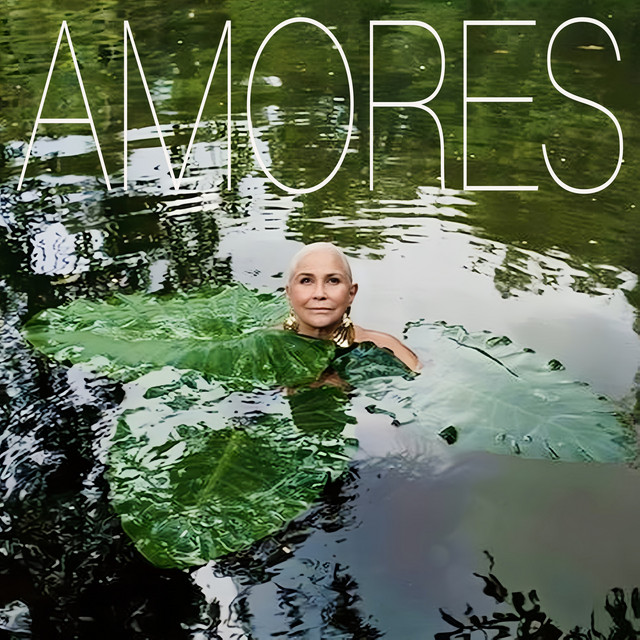
Amores
Fafá de Belém
Carimbó
2013
3
/5
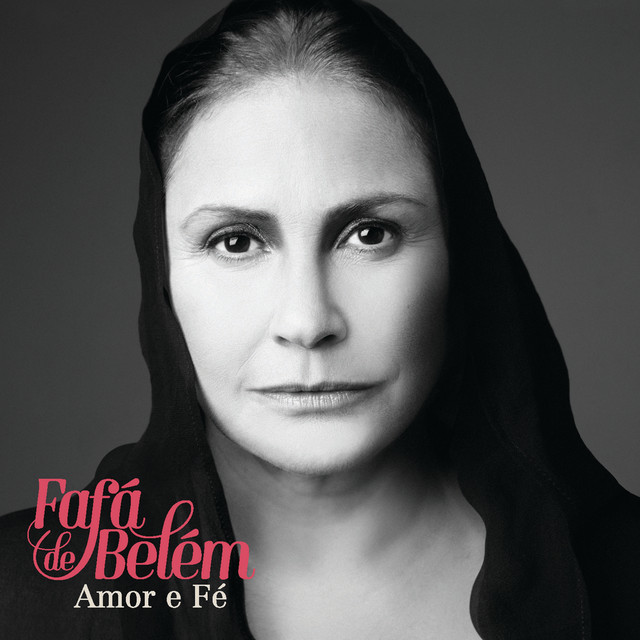
Amor E Fé
Fafá de Belém
Carimbó
2006
3
/5
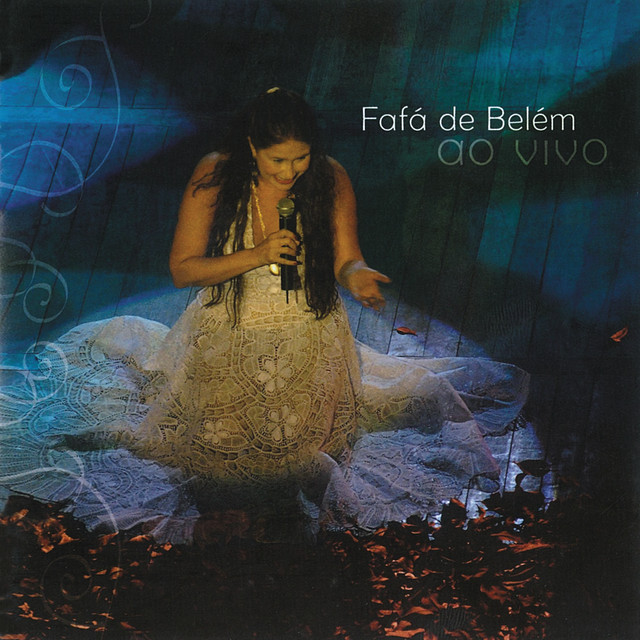
Ao Vivo
Fafá de Belém
Carimbó
2002
2
/5
O canto das águas
Fafá de Belém do Pará
Carimbó
Northern Brazilian Music
1995
2
/5
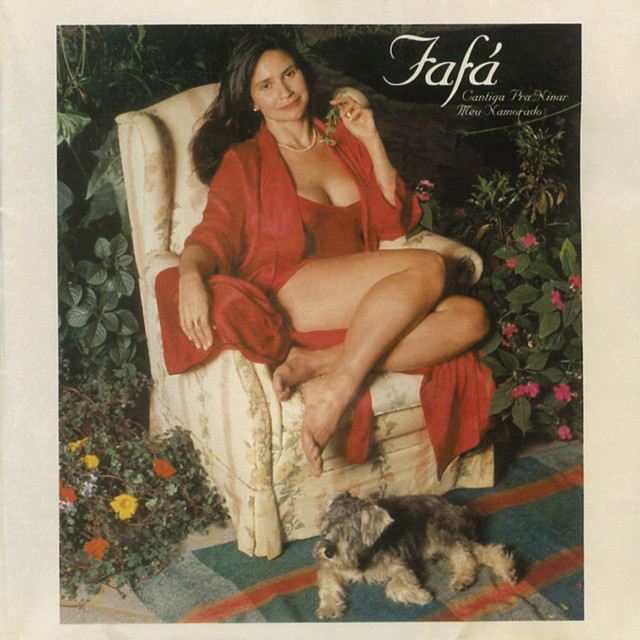
Cantiga Pra Ninar Meu Namorado
Fafá de Belém
Carimbó
1977
2
/5
Água
Fafá de Belém
Brazilian Folk Music
Chamber Folk
1976
2
/5
Tamba-tajá
Fafá de Belém
Brazilian Folk Music
1975
2
/5
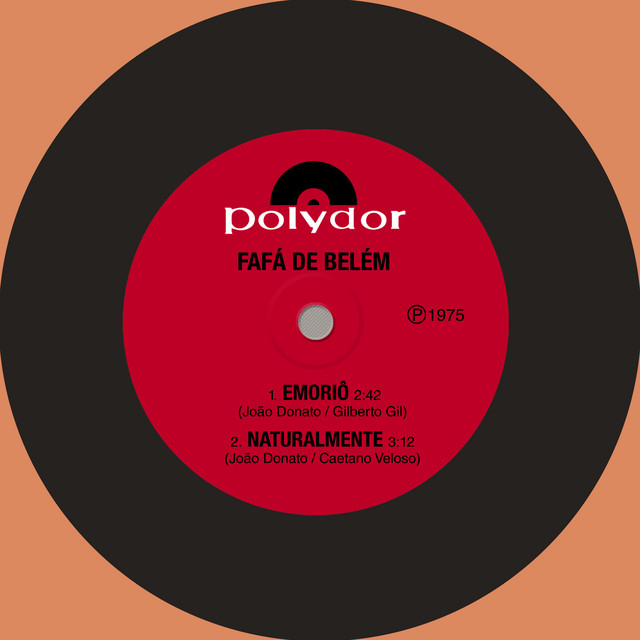
Emoriô / Naturalmente
Fafá de Belém
Carimbó
Similar artists
2
/5
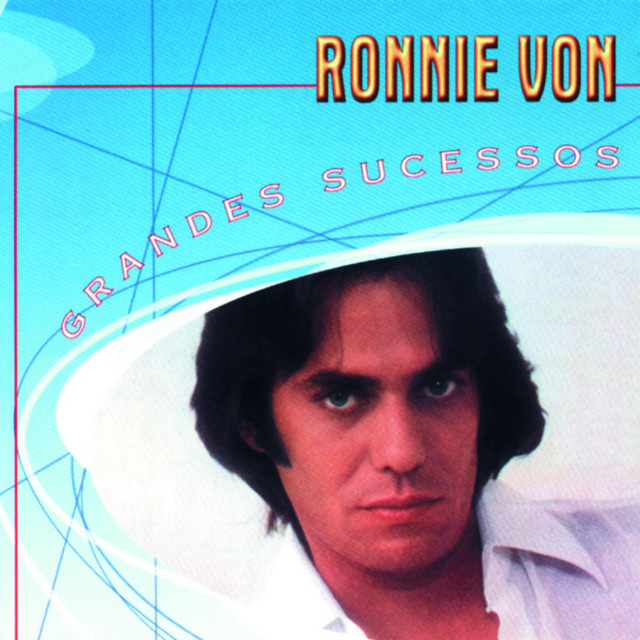
Ronnie Von
Jovem Guarda
Tropicália
Brega
3
/5
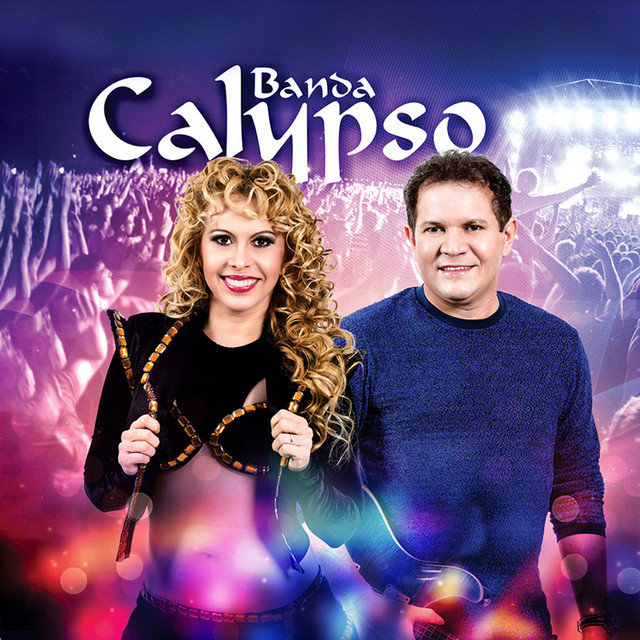
Banda Calypso
Carimbó
Brega Calypso
Calypso
3
/5
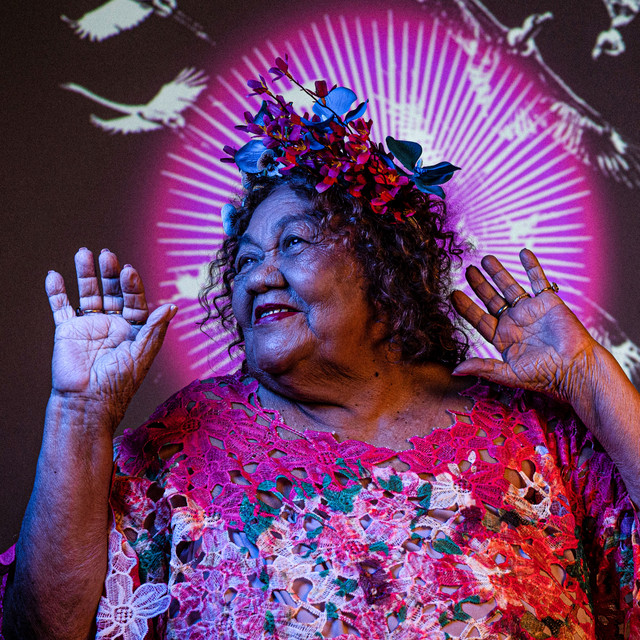
Dona Onete
Carimbó
Northern Brazilian Music
Brega
2
/5
Pinduca
Carimbó
Brega
Northern Brazilian Music
2
/5
Alípio Martins
Carimbó
Brega
Forró
1
/5
Lucas Estrela
Carimbó
Tecnobrega
Brega
4
/5
Continental
Sertanejo
Sertanejo Raiz
Brega
4
/5
Roberto Carlos
Jovem Guarda
Mpb
Brega
4
/5
Leandro & Leonardo
Sertanejo Romântico
Sertanejo
Brega
4
/5
Zé Ramalho
Sertanejo Tradicional
Northeastern Brazilian Music
Brazilian Folk Music
Download our mobile app
Get the Melodigging app and start digging for new genres on the go
Download on the App Store
Get it on Google Play
© 2026 Melodigging
Give feedback
Legal
Melodding was created as a tribute to
Every Noise at Once
, which inspired us to help curious minds keep digging into music's ever-evolving genres.