Genres
Artists
Albums
Make Music
Sign in
Sign in
Artists
Jovem Guarda
Artists
Jovem Guarda
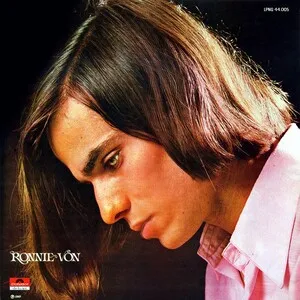
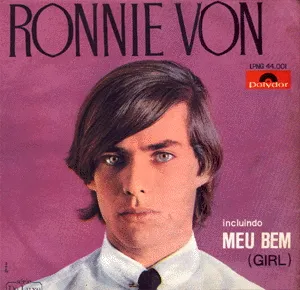
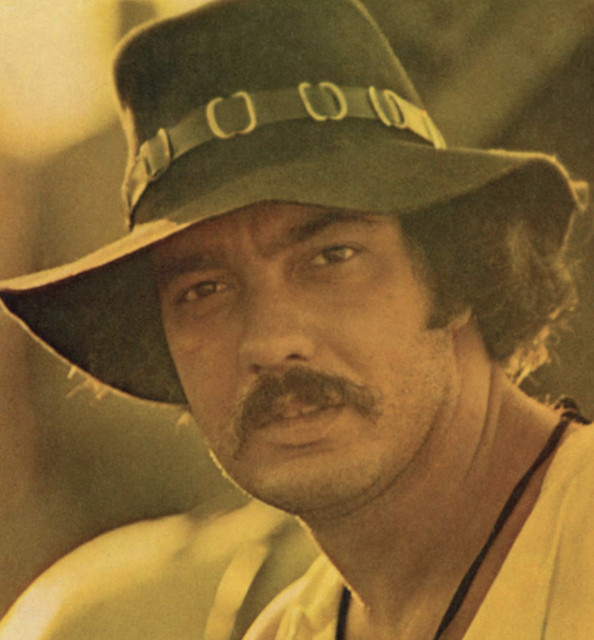
Ronnie Von
1966–2013
·
5 albums
Listen
2
/5
Genres
Neo-Psicodelia Brasileira
Neo-psicodelia brasileira (Brazilian neo-psychedelia) is a contemporary wave of Brazilian artists who revive and reinvent classic 1960s/70s psychedelic aesthetics through today’s indie-rock, dream-pop, shoegaze, and experimental production. Marked by shimmering guitars drenched in reverb and fuzz, hypnotic grooves that often nod to Brazilian rhythmic DNA (from Tropicália’s eclecticism to samba, baião, and maracatu pulses), and kaleidoscopic synth textures, the style pairs vintage tones with modern bedroom-studio craft. Portuguese lyrics frequently blend surreal imagery with everyday urban poetics, creating a sound that is at once nostalgic and forward-looking. This scene flourished around DIY venues, independent labels, and digital communities across Brazil, with a particularly strong footprint in cities like São Paulo, Goiânia, Belo Horizonte, and Recife. The result is a colorful, exploratory ecosystem that treats psychedelia not as pure retro revival but as a living vocabulary.
Discover
Listen
Brega
Brega is a Brazilian popular music style known for unabashed romanticism, dramatic vocal delivery, and melodically memorable choruses. Often associated with working-class audiences in the Northeast and North of Brazil, it embraces sentimentality—songs dwell on love, betrayal, jealousy, and longing—using straightforward harmonies and lush, sometimes kitschy, arrangements. Musically, classic brega favors mid-tempo grooves, prominent keyboards or string-synth pads, clean electric guitars, and steady drums or drum machines. Its harmonic language leans on familiar pop progressions and the climactic “truck-driver’s gear change” (a last-chorus key change) to heighten emotion. Once dismissed by elites as “tacky,” brega has since been reappraised as a vital expression of Brazilian popular taste and a wellspring for newer subgenres.
Discover
Listen
Jovem Guarda
Jovem Guarda is a Brazilian youth-oriented pop-rock movement that emerged in the mid-1960s, popularized by the TV program of the same name hosted by Roberto Carlos, Erasmo Carlos, and Wanderléa. Musically, it blends early rock and roll, Merseybeat, surf rock, yé-yé, and teen pop sensibilities with Portuguese lyrics and catchy, danceable rhythms. Often called iê‑iê‑iê in Brazil (a play on the Beatles’ “yeah‑yeah‑yeah”), the style is marked by simple, major‑key melodies, jangly and twangy electric guitars, handclaps, driving backbeats, and themes about love, fashion, cars, and youth culture. It helped normalize electric instruments and a pop‑rock aesthetic in Brazilian mainstream media during the 1960s.
Discover
Listen
Tropicália
Tropicália (also known as Tropicalismo) is a late‑1960s Brazilian movement that fused local popular and folkloric forms with global pop and rock, avant‑garde ideas, and mass‑media aesthetics. It treated culture with an "antropofagia" (cultural cannibalism) ethos—cheerfully absorbing and transforming foreign influences alongside Brazilian traditions. Musically, it blends samba and baião rhythms, bossa nova harmonies, psychedelic rock timbres, collage‑like arrangements, and orchestral color. Lyricists used irony, allegory, and vivid imagery to comment on modernity and politics under Brazil’s military dictatorship. The result is music that feels playful yet subversive, sophisticated yet immediate, and unmistakably Brazilian.
Discover
Listen
Mpb
MPB (Música Popular Brasileira) is a broad Brazilian popular music movement that crystallized in the mid-1960s after bossa nova. It blends samba and other regional rhythms with jazz harmony, singer‑songwriter craft, and elements of contemporary pop and rock. The style is marked by sophisticated melodies, extended harmonies, inventive arrangements, and lyrically rich songs that often use poetry and metaphor. Many classic MPB works balance intimacy (voice and violão/nylon‑string guitar) with lush studio orchestration, drawing from samba‑canção, choro, baião, and frevo while engaging modern influences. Historically, MPB provided a platform for social commentary during Brazil’s military dictatorship, with artists employing allegory to navigate censorship. It remains a living tradition that continually renews itself through new generations (“nova MPB”).
Discover
Listen
Carimbó
Carimbó is a traditional rhythm and circle dance from the Brazilian Amazon, created by Indigenous peoples of Pará and later shaped by Afro‑Brazilian and Portuguese influences. It is centered on the curimbó (a large hollowed‑log drum whose name likely comes from a Tupi word), hand percussion such as maracás, and call‑and‑response vocals. Danced in villages and rural communities around Marajó Island and the capital Belém since colonial times, it features lively, syncopated drumming and a flirtatious choreographic dialogue between partners. In the 20th century—and especially from the 1970s on—carimbó was modernized with guitars, bass, and brass, which helped it gain national and international recognition while preserving its core Indigenous pulse.
Discover
Listen
Albums
2013
3
/5
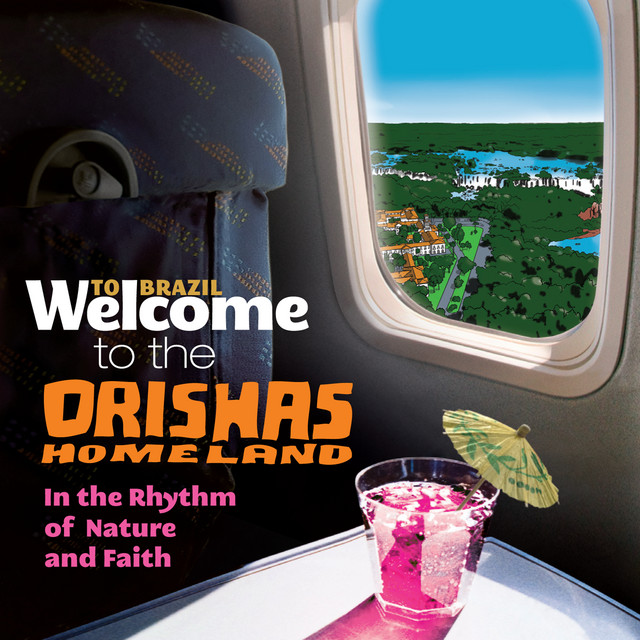
Welcome To The ORISHAS HOMELAND - In The Rhythm Of Nature And Faith
Ronnie Von
Tropicália
Carimbó
Jovem Guarda
1969
2
/5
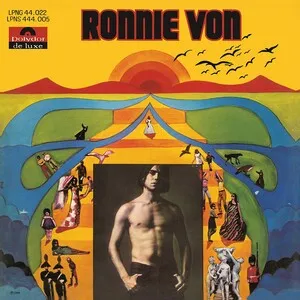
Ronnie Von
Ronnie Von
Tropicália
1969
2
/5
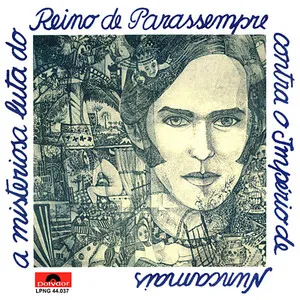
A misteriosa luta do Reino de Parassempre contra o Império do Nuncamais
Ronnie Von
Tropicália
1967
2
/5
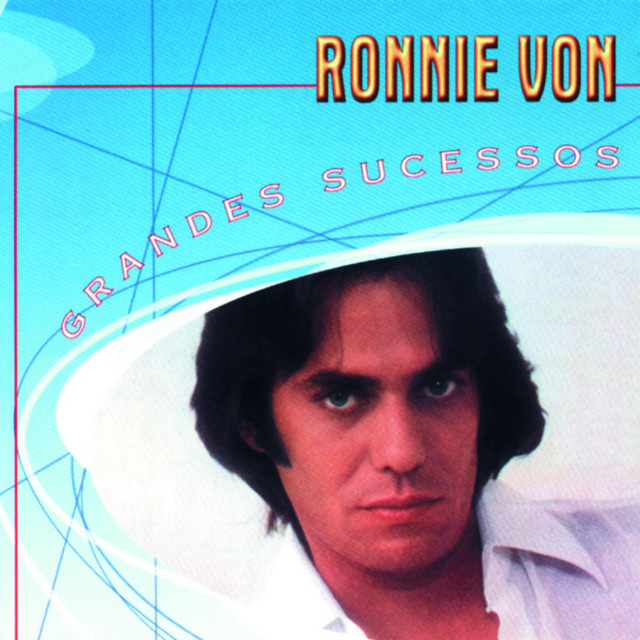
Ronnie Von
Ronnie Von
Jovem Guarda
1966
2
/5
Ronnie Von
Ronnie Von
Jovem Guarda
Similar artists
3
/5
Erasmo Carlos
Jovem Guarda
Tropicália
Mpb
4
/5
Roberto Carlos
Jovem Guarda
Mpb
Brega
3
/5
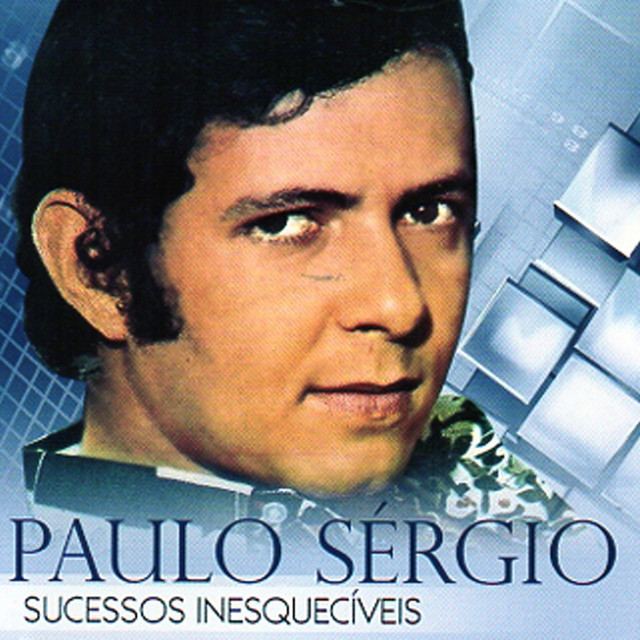
Paulo Sérgio
Jovem Guarda
Brega
Mpb
3
/5
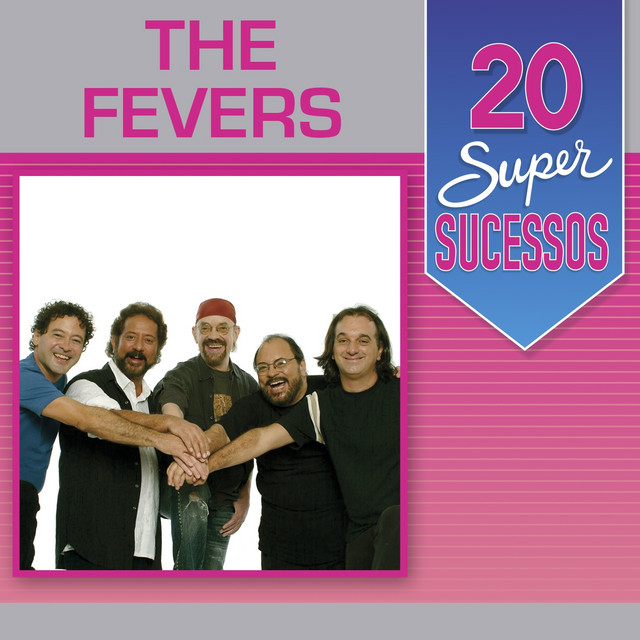
The Fevers
Jovem Guarda
Brega
Mpb
2
/5
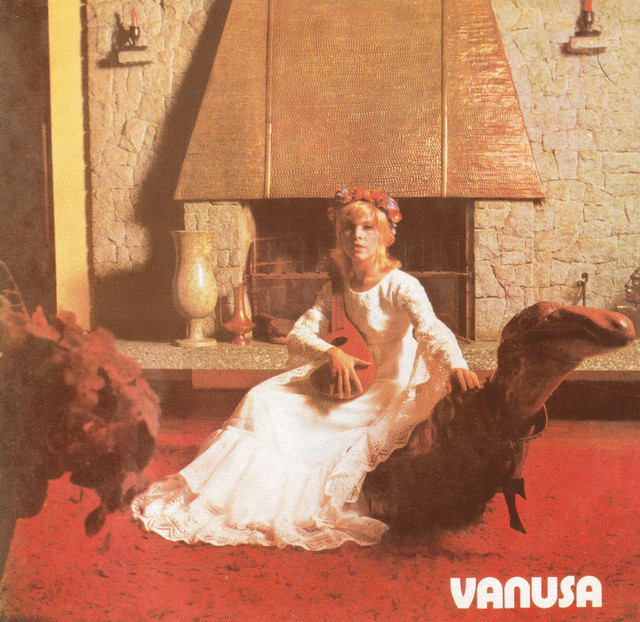
Vanusa
Jovem Guarda
Brega
Mpb
2
/5
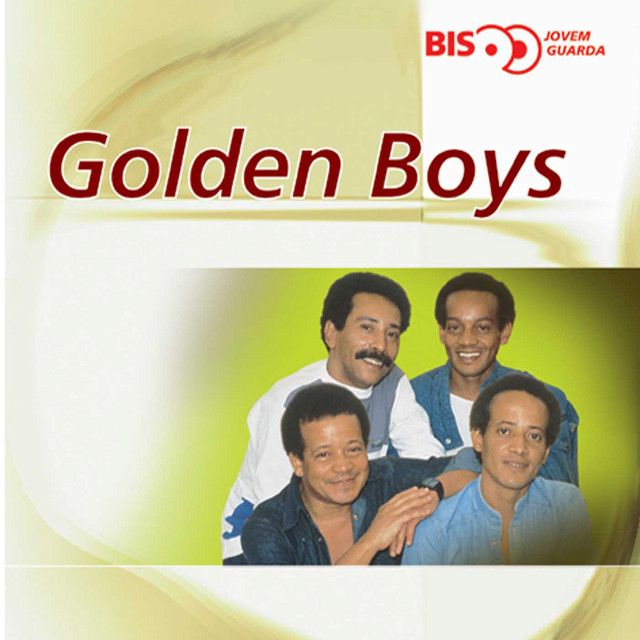
Golden Boys
Brega
Jovem Guarda
Mpb
3
/5
Fafá de Belém
Carimbó
Brazilian Folk Music
Brega
1
/5
Various Artists
Afro-Funk
Alternative Rock
Ambient
4
/5
Jorge Ben Jor
Samba
Mpb
Samba-Rock
4
/5
Rita Lee
Tropicália
Mpb
Brazilian Rock
Download our mobile app
Get the Melodigging app and start digging for new genres on the go
Download on the App Store
Get it on Google Play
© 2026 Melodigging
Give feedback
Legal
Melodding was created as a tribute to
Every Noise at Once
, which inspired us to help curious minds keep digging into music's ever-evolving genres.