Genres
Artists
Albums
Make Music
Sign in
Sign in
Artists
Tropicália
Artists
Tropicália
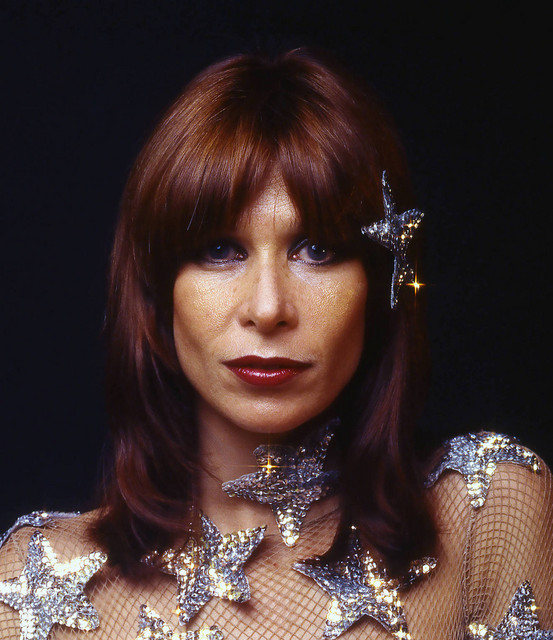
Rita Lee
1975–2003
·
6 albums
Listen
4
/5
Genres
Talentos Brasileiros
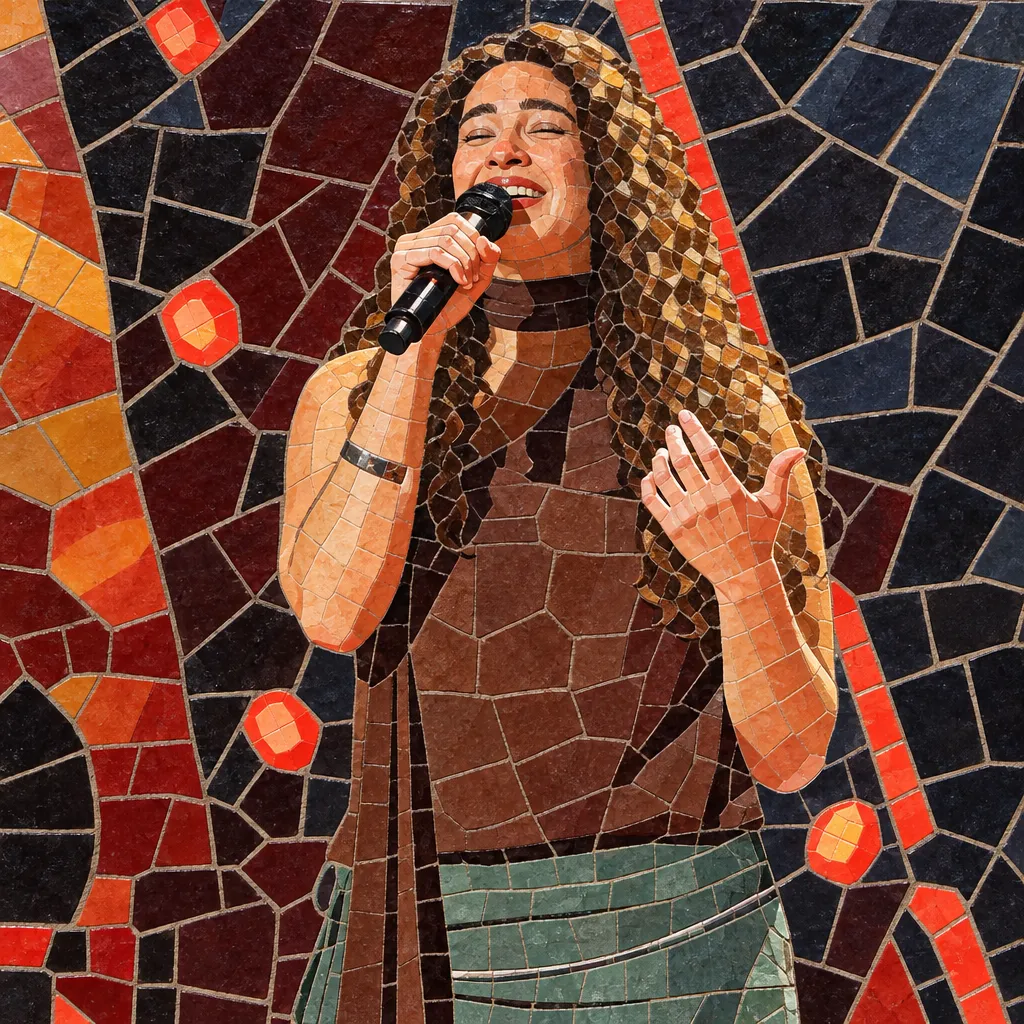
Talentos brasileiros refers to the ecosystem of Brazilian television and digital talent shows that spotlight versatile vocalists and bands performing highly polished covers and showcase pieces. The sound blends global pop and R&B stagecraft with distinctly Brazilian repertoires such as MPB (Música Popular Brasileira), sertanejo, samba-pop, and contemporary gospel. Arrangements typically feature key changes, dramatic builds, and concise, TV-ready forms—often medleys—that foreground emotive lead vocals, tight backing bands, and cinematic production. While contestants reinterpret international hits, they frequently localize phrasing and groove, bring Portuguese-language lyricism to the fore, and insert regional color into harmony and rhythm. The result is a performance-forward style: technically demanding vocals, crowd-pleasing climaxes, and refined orchestration that translate well to broadcast, arenas, and streaming. Alumni often transition into Brazil’s mainstream pop, sertanejo, and gospel markets, turning short-form TV moments into sustainable recording careers.
Discover
Listen
Neo-Psicodelia Brasileira
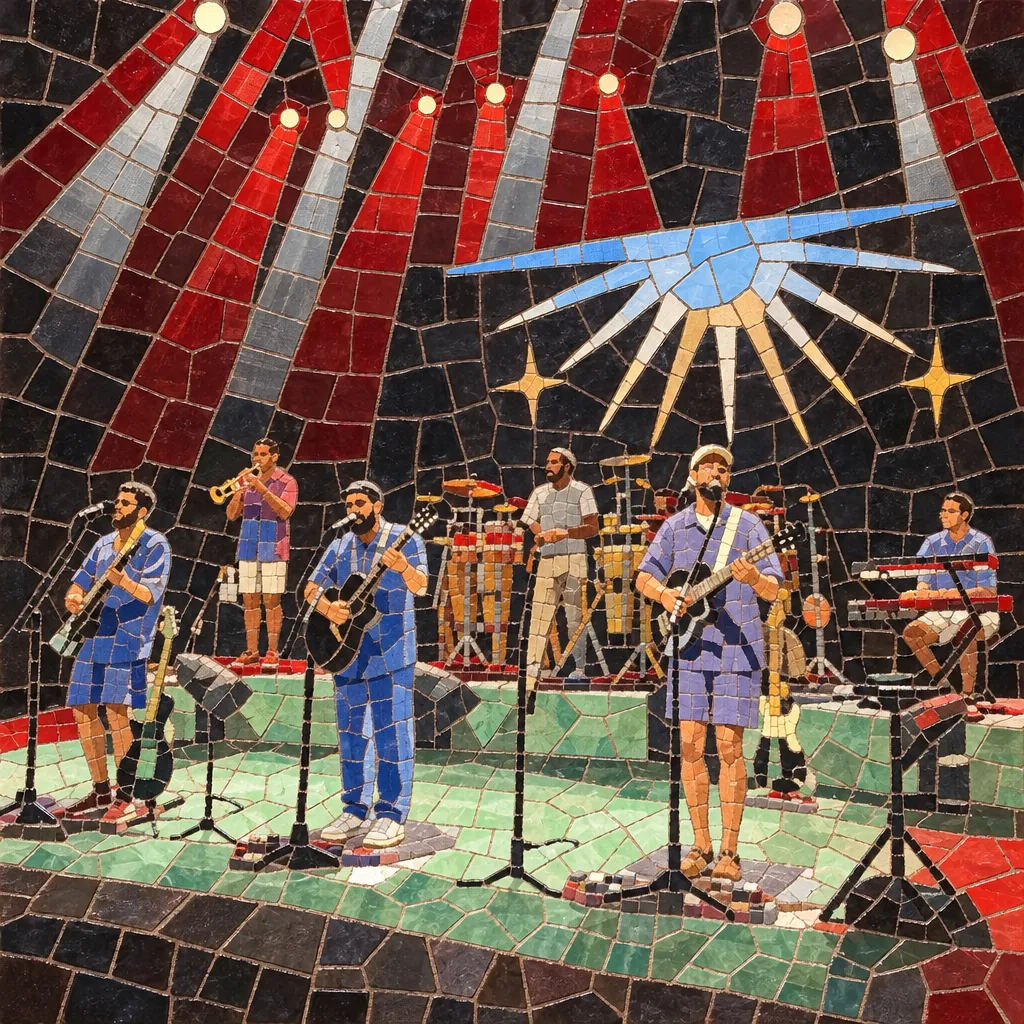
Neo-psicodelia brasileira (Brazilian neo-psychedelia) is a contemporary wave of Brazilian artists who revive and reinvent classic 1960s/70s psychedelic aesthetics through today’s indie-rock, dream-pop, shoegaze, and experimental production. Marked by shimmering guitars drenched in reverb and fuzz, hypnotic grooves that often nod to Brazilian rhythmic DNA (from Tropicália’s eclecticism to samba, baião, and maracatu pulses), and kaleidoscopic synth textures, the style pairs vintage tones with modern bedroom-studio craft. Portuguese lyrics frequently blend surreal imagery with everyday urban poetics, creating a sound that is at once nostalgic and forward-looking. This scene flourished around DIY venues, independent labels, and digital communities across Brazil, with a particularly strong footprint in cities like São Paulo, Goiânia, Belo Horizonte, and Recife. The result is a colorful, exploratory ecosystem that treats psychedelia not as pure retro revival but as a living vocabulary.
Discover
Listen
New Mpb
New MPB (Nova Música Popular Brasileira in English usage) is a 2010s–2020s wave that refreshes classic MPB’s songwriting craft with indie, R&B, hip‑hop, and electronic production. It keeps the genre’s hallmark: sophisticated harmony, intimate vocals, and poetry‑forward lyrics in Portuguese. Sonically, you’ll hear nylon‑string guitars and Rhodes pianos beside drum machines, 808s, and warm synths. Rhythms nod to samba, bossa nova, baião, and funk carioca while embracing modern pop swing and hip‑hop backbeats. The result is stylish, urban, and contemporary—romantic and reflective, yet danceable and groove‑savvy.
Discover
Listen
Nova Mpb
Nova MPB ("new Música Popular Brasileira") is a contemporary wave of Brazilian popular music that renews the classic MPB ethos with indie, electronic, neo‑soul, and modern pop production. Artists in this scene preserve the melodic richness, poetic lyricism, and rhythmic DNA of bossa nova and samba while embracing lo‑fi textures, synth pads, and intimate, close‑mic vocals. Compared to classic MPB, nova MPB tends to be more minimalist and bedroom‑studio friendly, favoring warm, analog‑leaning timbres and restrained grooves. Lyrics often blend romantic and introspective themes with snapshots of urban life, identity, and the everyday, delivered in Portuguese with a natural, conversational flow.
Discover
Listen
Pop Urbaine
Pop urbaine is a French mainstream pop style that blends contemporary R&B, hip hop, Afrobeats, dancehall, zouk, raï, and reggaeton with chart‑friendly songwriting. It emphasizes melodic hooks, mid‑tempo grooves, and sleek vocal production (often with Auto‑Tune) while foregrounding everyday, romantic, and nightlife themes in colloquial French. Rhythmically it favors syncopated Afro‑Caribbean patterns, sparse but bouncy 808 drums, and light guitar or synth plucks, creating a buoyant, danceable feel without the aggressiveness of club music. Vocals typically alternate between sung refrains and rap‑influenced verses, with catchy refrains designed for streaming and social media virality. The genre became a defining sound of French popular culture in the late 2010s, driven by a new generation of Francophone artists with diasporic roots who globalized French pop while keeping its language and local slang at the center.
Discover
Listen
Italo Beats
Italo beats is a contemporary, club-oriented offshoot of the classic Italian Italo sound, fusing the sleek melodicism of 1980s Italo disco with the punch and polish of modern European dance music. Typical tracks feature four-on-the-floor drums, bright synth leads, rubbery basslines, and hook-forward vocals that lean into romantic or nightlife themes. Rather than being a strict historical movement, Italo beats functions as a modern production style and DJ vernacular that revives Italo’s earworm melodies and neon textures while adopting current mixdown aesthetics (sidechained pads, wider stereo imaging, and festival-ready low end). It thrives in streaming-era dance culture, uniting Italian, Central/Eastern European, and broader EU producers around a recognizable “Italo-flavored” club sound.
Discover
Listen
Sophisti-Pop
Sophisti-pop is a sleek, jazz-tinged strain of 1980s pop distinguished by refined songwriting, urbane imagery, and studio polish. It blends new wave and synth-pop’s contemporary sheen with the harmonic language of jazz and the warmth of soul and blue‑eyed soul. Typical hallmarks include lush electric pianos and synths, tasteful saxophone and horn parts, clean DI bass, crisp yet understated drums, and smooth, intimate vocals. Harmonically, it favors extended chords (maj7, 9ths, 11ths), chromatic voice-leading, and sophisticated modulations, while maintaining strong hooks and radio-friendly song forms. Lyrically, sophisti-pop often evokes cosmopolitan life—nighttime cityscapes, romance, bittersweet reflection—delivered with elegance rather than excess. The result is music that feels chic, romantic, and effortlessly cool.
Discover
Listen
Boogie
Boogie (often called boogie-funk or post-disco) is a mid‑tempo, synth-forward strain of R&B that emerged as disco’s luminous sheen gave way to sleeker, funkier production. It centers on rubbery basslines (often synth-bass), crisp handclaps and clattering drum-machine patterns, jazzy/modern-soul chord voicings, and hook-laden vocals that celebrate nightlife, romance, and empowerment. Typically sitting around 100–115 BPM, boogie blends the rhythmic insistence of funk with disco’s dancefloor sensibility, replacing full orchestras with analog synths, electric pianos, and early drum machines for a glossy yet warm sound.
Discover
Listen
Glam Rock
Glam rock is a style of rock music that emerged in the early 1970s, defined as much by its flamboyant image and theatricality as by its sound. Artists embraced androgynous fashion, glitter, makeup, platform boots, and bold stage personas, using spectacle to amplify simple, catchy, riff-driven songs. Musically, glam rock fuses the drive of 1950s rock and roll with hard rock crunch, bubblegum pop hooks, and a sense of artful provocation. Songs often feature stomping, chant-ready rhythms, big choruses, guitar riffs, handclaps, and shout-along refrains. Lyrically, it leans into themes of fantasy, fame, gender play, street romance, and campy drama, blurring the line between pop accessibility and avant-garde performance.
Discover
Listen
Tropicália
Tropicália (also known as Tropicalismo) is a late‑1960s Brazilian movement that fused local popular and folkloric forms with global pop and rock, avant‑garde ideas, and mass‑media aesthetics. It treated culture with an "antropofagia" (cultural cannibalism) ethos—cheerfully absorbing and transforming foreign influences alongside Brazilian traditions. Musically, it blends samba and baião rhythms, bossa nova harmonies, psychedelic rock timbres, collage‑like arrangements, and orchestral color. Lyricists used irony, allegory, and vivid imagery to comment on modernity and politics under Brazil’s military dictatorship. The result is music that feels playful yet subversive, sophisticated yet immediate, and unmistakably Brazilian.
Discover
Listen
Mpb
MPB (Música Popular Brasileira) is a broad Brazilian popular music movement that crystallized in the mid-1960s after bossa nova. It blends samba and other regional rhythms with jazz harmony, singer‑songwriter craft, and elements of contemporary pop and rock. The style is marked by sophisticated melodies, extended harmonies, inventive arrangements, and lyrically rich songs that often use poetry and metaphor. Many classic MPB works balance intimacy (voice and violão/nylon‑string guitar) with lush studio orchestration, drawing from samba‑canção, choro, baião, and frevo while engaging modern influences. Historically, MPB provided a platform for social commentary during Brazil’s military dictatorship, with artists employing allegory to navigate censorship. It remains a living tradition that continually renews itself through new generations (“nova MPB”).
Discover
Listen
Pop Rock
Pop rock blends the hook-focused immediacy of pop with the instrumentation and drive of rock. It prioritizes catchy melodies, concise song structures, and polished production while retaining guitars, bass, and drums as core elements. Typical pop rock tracks use verse–pre-chorus–chorus forms, strong vocal harmonies, and memorable riffs. The sound ranges from jangly and bright to mildly overdriven and arena-ready, aiming for radio-friendly appeal without abandoning rock’s rhythmic punch.
Discover
Listen
Brazilian Rock
Brazilian rock is the umbrella term for rock music created in Brazil, sung mostly in Portuguese, and colored by the country’s regional rhythms, harmonic language, and social context. From its 1960s roots in rock and roll and Jovem Guarda, through the psychedelic and Tropicália experiments at the decade’s end, to the post-dictatorship explosion of 1980s “BRock,” the style has continually absorbed global rock currents while retaining a distinctly Brazilian identity. You’ll hear electric guitars alongside samba and baião grooves, bossa/MPB chords, and lyrics that move between youthful romance, biting social commentary, and poetic introspection. Today, Brazilian rock spans classic, alternative, indie, and heavy strands, remaining a foundational pillar of Brazilian popular music.
Discover
Listen
Pop
Pop is a broad, hook-driven style of popular music designed for wide appeal. It emphasizes memorable melodies, concise song structures, polished vocals, and production intended for radio, charts, and mass media. While pop continually absorbs elements from other styles, its core remains singable choruses, accessible harmonies, and rhythmic clarity. Typical forms include verse–pre-chorus–chorus, frequent use of bridges and middle-eights, and ear-catching intros and outros. Pop is not defined by a single instrumentation. It flexibly incorporates acoustic and electric instruments, drum machines, synthesizers, and increasingly digital production techniques, always in service of the song and the hook.
Discover
Listen
Rock
Rock is a broad family of popular music centered on amplified instruments, a strong backbeat, and song forms that foreground riffs, choruses, and anthemic hooks. Emerging from mid‑20th‑century American styles like rhythm & blues, country, and gospel-inflected rock and roll, rock quickly expanded in scope—absorbing folk, blues, and psychedelic ideas—while shaping global youth culture. Core sonic markers include electric guitar (often overdriven), electric bass, drum kit emphasizing beats 2 and 4, and emotive lead vocals. Rock songs commonly use verse–chorus structures, blues-derived harmony, and memorable melodic motifs, ranging from intimate ballads to high‑energy, stadium‑sized performances.
Discover
Listen
Show all 15 genres
Albums
2003
4
/5
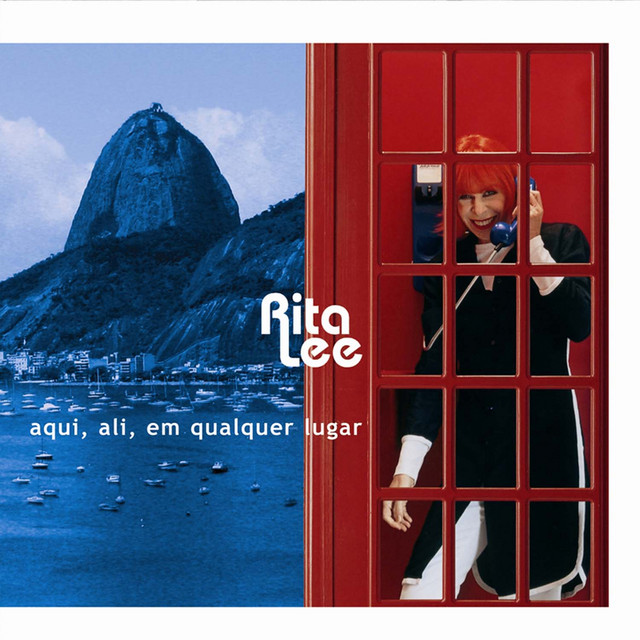
Aqui, Ali, Em Qualquer Lugar
Rita Lee
Tropicália
1998
4
/5
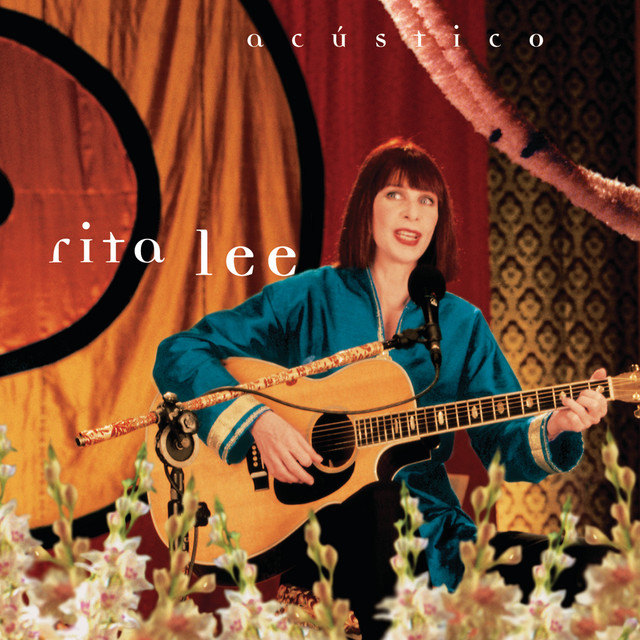
Acustico (Live)
Rita Lee
Tropicália
1992
3
/5
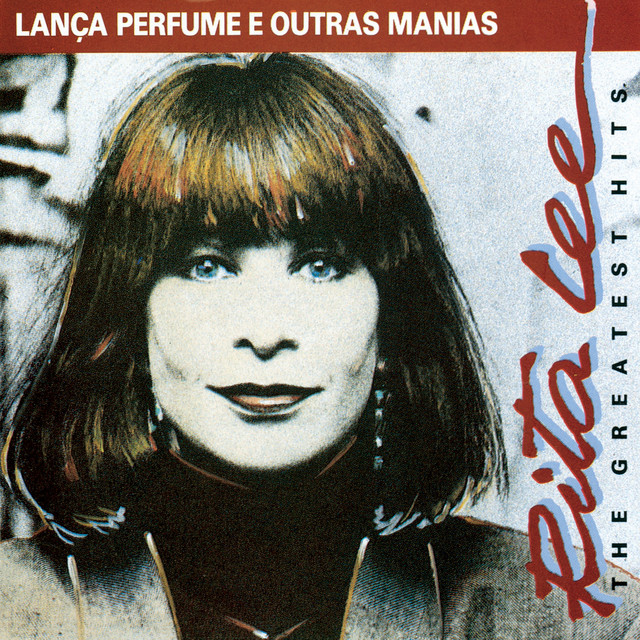
Lanca Perfume E Outras Manias
Rita Lee
Tropicália
1981
3
/5
Saúde
Rita Lee
Tropicália
1980
4
/5
Rita Lee
Rita Lee
Boogie
Sophisti-Pop
Mpb
1975
3
/5
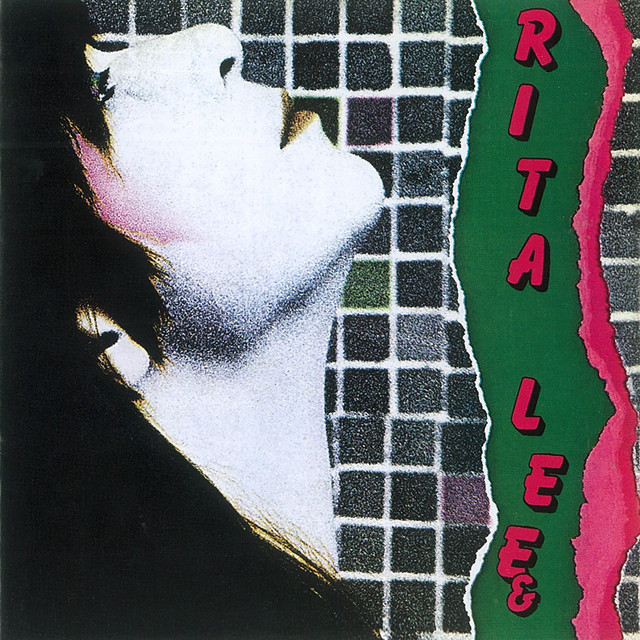
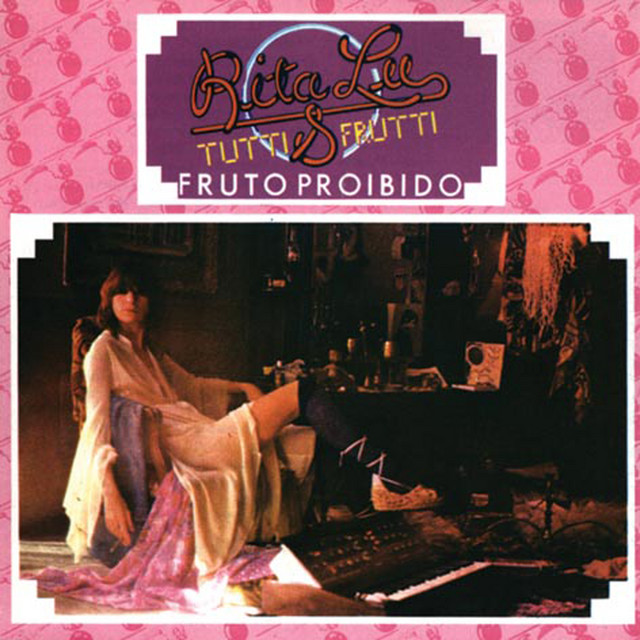
Fruto proibido
Rita Lee & Tutti Frutti
Glam Rock
Tropicália
Similar artists
4
/5
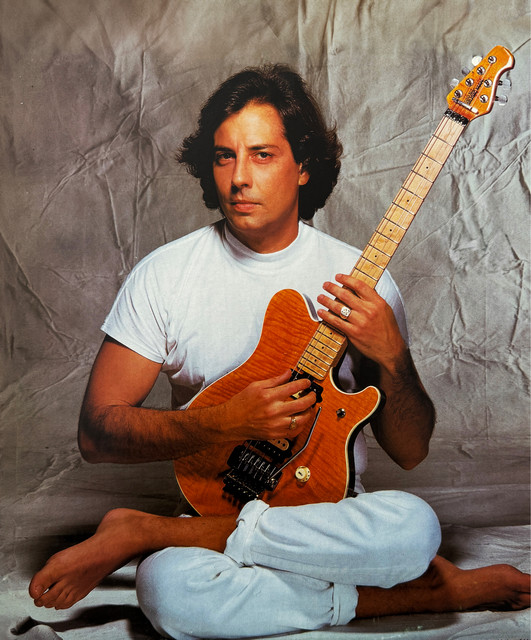
Roberto De Carvalho
Mpb
Brazilian Rock
Talentos Brasileiros
3
/5
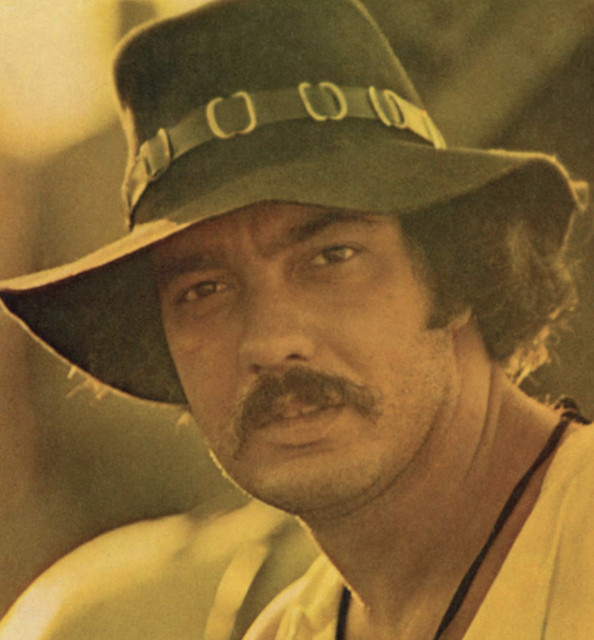
Erasmo Carlos
Jovem Guarda
Tropicália
Mpb
4
/5
Engenheiros Do Hawaii
Rock Gaucho
Pop Rock
Brazilian Pop
4
/5
Skank
Pop Rock
Brazilian Rock
Brazilian Pop
4
/5
Capital Inicial
Brazilian Pop
Brazilian Rock
Mpb
4
/5
Os Paralamas Do Sucesso
Latin Rock
Reggae Rock
Brazilian Pop
4
/5
Titãs
Brazilian Rock
Brazilian Pop
Mpb
4
/5
Legião Urbana
Brazilian Rock
Brazilian Pop
Mpb
4
/5
Jorge Ben Jor
Samba
Mpb
Samba-Rock
4
/5
Chico Buarque
Mpb
Tropicália
Latin
Download our mobile app
Get the Melodigging app and start digging for new genres on the go
Download on the App Store
Get it on Google Play
© 2026 Melodigging
Give feedback
Legal
Melodding was created as a tribute to
Every Noise at Once
, which inspired us to help curious minds keep digging into music's ever-evolving genres.