Your digging level
Description
Sertanejo romântico is a polished, radio‑friendly strand of Brazilian sertanejo that centers on love, longing, and heartbreak. Duos singing in close harmony deliver melodic hooks over pop‑ballad arrangements, often with a "truck driver’s gear change" key lift in the final chorus to heighten emotion.
Musically it blends the rural roots of moda de viola and classic sertanejo with urban pop, adult contemporary, bolero, and soft rock. Acoustic and electric guitars, piano, lush string pads, saxophone cameos, and later synths and drum machines are common. Tempos tend to be moderate (ballad to mid‑tempo), harmonic progressions are diatonic and singable, and production is glossy to suit mass radio and TV appeal.
Lyrically it favors direct, sentimental storytelling—confessions of love, separations, idealized romance, and nostalgia—delivered in a conversational, emotive tone that made the style dominate Brazilian charts from the late 1980s through the 1990s.
History
Sertanejo romântico grew out of Brazil’s traditional sertanejo and moda de viola, which had long used vocal duos and narrative lyrics. As FM radio expanded and television variety shows boomed in the 1980s, a new, more urban sound took hold. Producers incorporated pop arrangements, soft‑rock textures, and the dramatic sentiment of Latin ballads and bolero, while retaining the duo format and romantic storytelling.
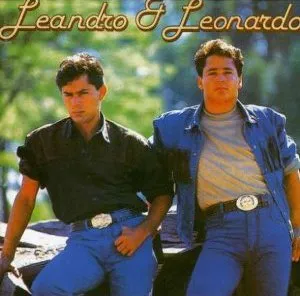
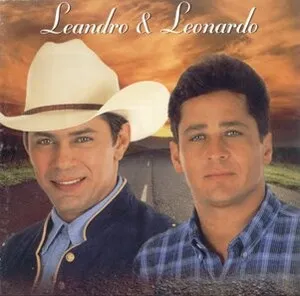
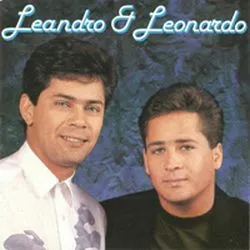
Duos such as Chitãozinho & Xororó, Leandro & Leonardo, and Zezé Di Camargo & Luciano brought the style to national ubiquity. Albums and televised performances standardized the hallmarks of the genre: close two‑part harmonies, soaring modulations in the final chorus, polished studio sheen, and relatable love‑and‑loss lyrics. This period produced many of the biggest sertanejo hits and established the genre as a pillar of Brazilian popular music.
By the 2000s, the romantic template informed a new wave—sertanejo universitário—which kept the melodic immediacy but updated rhythms, party themes, and production. The ballad aesthetic also influenced adjacent scenes like arrocha and later hybrids with funk carioca (funknejo), helping sertanejo remain central to Brazil’s pop mainstream.
Sertanejo romântico codified the modern, pop‑ready identity of sertanejo: duet vocal chemistry, emotive modulation, and glossy arrangements. Its repertoire remains a staple of Brazilian radio, karaoke, and live circuits, and its songwriting formulas continue to shape contemporary Brazilian pop and country fusions.