Genres
Artists
Albums
Make Music
Sign in
Sign in
Artists
Pops Orchestra
Artists
Pops Orchestra
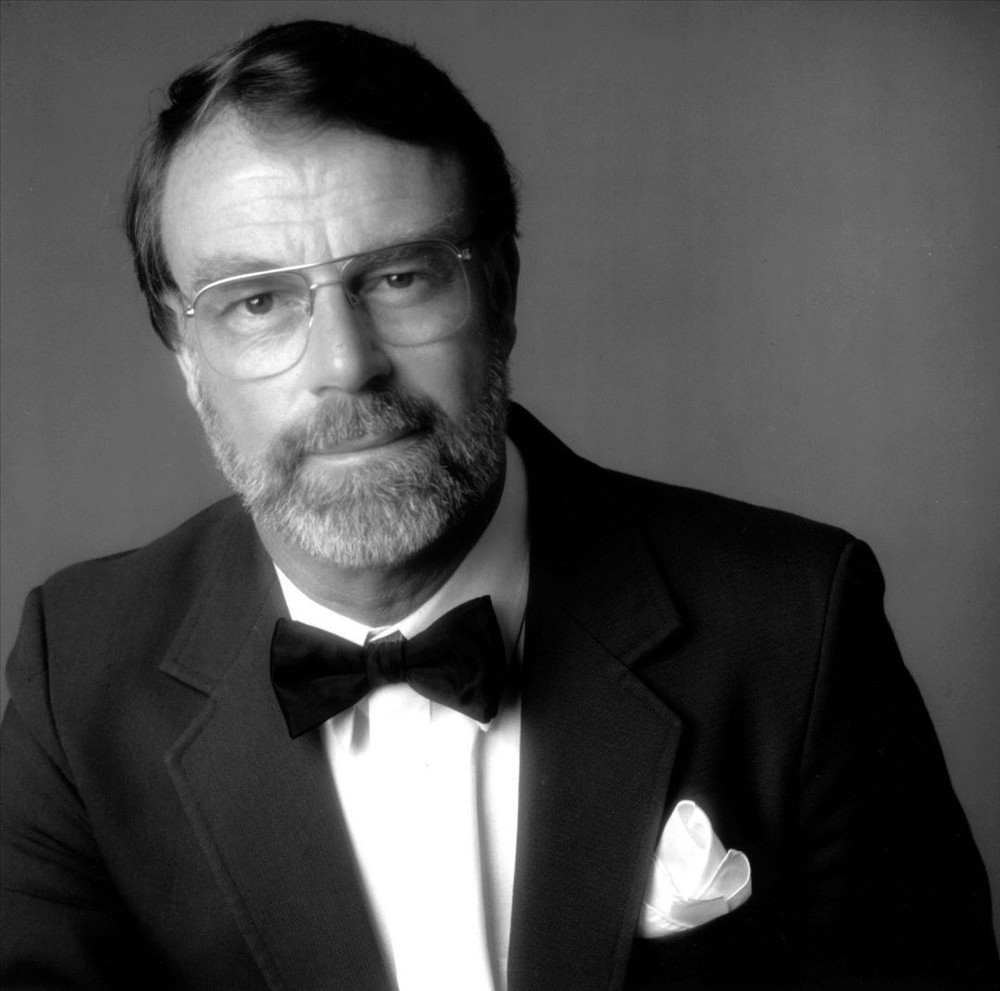
Erich Kunzel
1984–1994
·
4 albums
Listen
3
/5
Genres
Doble Paso
Doble paso is a high‑tempo reggaetón variant characterized by running the classic dembow groove at double speed, creating a frenetic, hard‑hitting feel aimed squarely at the dance floor. Compared with standard reggaetón drum patterns (typically around 90–100 BPM), doble paso accelerates the same rhythmic skeleton to roughly 120–140 BPM, often accompanying a club dance of the same name. Producers keep the core syncopation and low‑end punch of reggaetón while tightening hi‑hats, adding denser percussion fills, and favoring short, chant‑like hooks that match the breathless pace. The result is intense, perreo‑ready energy that bridges classic reggaetón, Dominican dembow’s urgency, and club‑forward editing trends.
Discover
Listen
Modern Classical
Modern classical is a contemporary strand of instrumental music that applies classical composition techniques to intimate, cinematic settings. It typically foregrounds piano and strings, is sparsely orchestrated, and embraces ambience, repetition, and timbral detail. Rather than the academic modernism of the early 20th century, modern classical as used today refers to accessible, mood-driven works that sit between classical, ambient, and film music. Felt pianos, close‑miked string quartets, tape hiss, drones, soft electronics, and minimal harmonic movement are common, producing a contemplative, emotionally direct sound that translates well to headphones, streaming playlists, and screen media.
Discover
Listen
Pops Orchestra
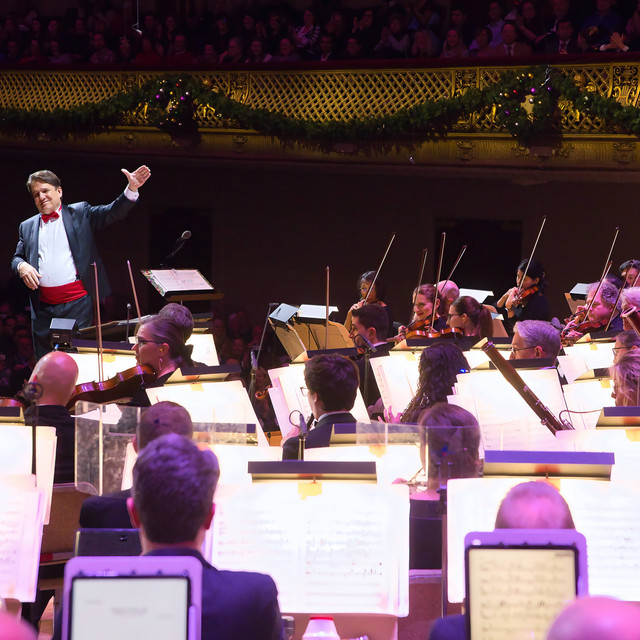
Pops orchestra refers to symphonic ensembles and programs that present popular repertoire with orchestral forces. Typical programs combine light classics, Broadway and film music, jazz and swing medleys, holiday standards, and orchestral arrangements of contemporary pop and rock songs. The style emphasizes lush string writing, tuneful melodies, prominent counter‑melodies in woodwinds and brass, dramatic swells, and clear, audience‑friendly rhythms. While the instrumentation is that of a symphony orchestra, pops concerts often add a rhythm section (drum kit, bass, guitar, keyboard) and feature guest vocalists or crossover soloists.
Discover
Listen
March
A march is a musical genre and form designed to accompany orderly movement, most commonly military processions, parades, and ceremonial events. It is typically in duple meter (2/4 or 4/4) or compound duple (6/8), with a steady tempo that supports synchronized stepping. Classical and concert marches evolved a characteristic multi-strain structure: an introduction, two strains, a key-changing trio, a break strain ("dogfight"), and a final strain, often with a strong cadential "stinger." Instrumentation centers on winds and percussion—brass, woodwinds, snare and bass drums, and cymbals—producing a bright, projecting sonority suitable for outdoor performance. While the style is pan-European in origin, the late-19th- and early-20th-century "golden age" of the American march, led by John Philip Sousa, codified the concert march’s form, orchestration, and performance practice, influencing wind band music worldwide.
Discover
Listen
Overture
An overture is an orchestral piece that traditionally serves as the opening to an opera, ballet, or stage work, and later evolved into an independent concert genre. Two foundational models emerged in the Baroque era: the French overture (slow, majestic dotted-rhythm opening followed by a faster, often fugal section) associated with Jean-Baptiste Lully, and the Italian overture (sinfonia) with a fast–slow–fast three-part design that presaged the Classical symphony. During the 19th century, the overture expanded into programmatic concert works, sometimes called "concert overtures," that used sonata-allegro or hybrid forms to depict narratives, scenes, or dramatic ideas. Overtures are characterized by bold thematic statements, clear formal signposts, and striking orchestration for full ensemble—strings, woodwinds, brass, and timpani—often designed to set the dramatic tone, preview motifs, or energize an audience before the curtain rises.
Discover
Listen
Classical
Classical music is the notated art-music tradition of Europe and its global descendants, characterized by durable forms, carefully codified harmony and counterpoint, and a literate score-based practice. The term “classical” can refer broadly to the entire Western art-music lineage from the Medieval era to today, not just the Classical period (c. 1750s–1820s). It privileges long-form structures (such as symphonies, sonatas, concertos, masses, and operas), functional or modal harmony, thematic development, and timbral nuance across ensembles ranging from solo instruments to full orchestras and choirs. Across centuries, the style evolved from chant and modal polyphony to tonal harmony, and later to post-tonal idioms, while maintaining a shared emphasis on written notation, performance practice, and craft.
Discover
Listen
Albums
1994
2
/5
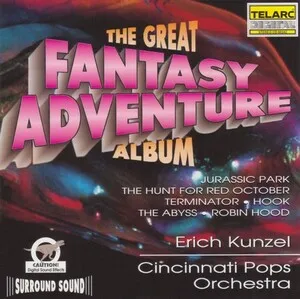
The Great Fantasy Adventure Album
Erich Kunzel & Cincinnati Pops Orchestra
Pops Orchestra
1987
1
/5
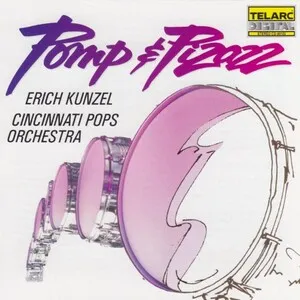
Pomp & Pizazz
John Williams / Cincinnati Pops Orchestra / Erich Kunzel
March
1986
1
/5
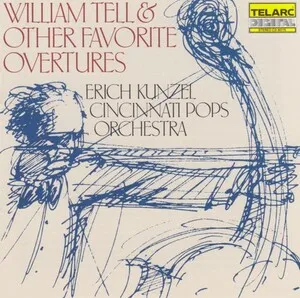
William Tell & Other Favorite Overtures
Franz von Suppé / Cincinnati Pops Orchestra / Erich Kunzel
Overture
1984
1
/5
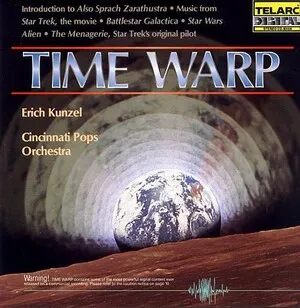
Time Warp
Cincinnati Pops Orchestra / Erich Kunzel
Pops Orchestra
Similar artists
3
/5
Cincinnati Pops Orchestra
Pops Orchestra
March
Overture
4
/5
London Symphony Orchestra
Classical
Ballet
Concerto
4
/5
Berliner Philharmoniker
Classical
Romantic Classical
Romanticism
4
/5
Herbert von Karajan
Classical
Symphonic Poem
Symphony
4
/5
Claudio Abbado
Classical
Concerto
Impressionism
4
/5
Leonard Bernstein
Orchestral Performance
Classical
Symphony
3
/5
Neeme Järvi
Classical
Orchestral
Concerto
3
/5
Boston Pops Orchestra
Pops Orchestra
Deep Soundtrack
March
4
/5
John Williams
Soundtrack
Pops Orchestra
Deep Soundtrack
4
/5
Royal Philharmonic Orchestra
Calming Instrumental
Classical
Deep Soundtrack
Download our mobile app
Get the Melodigging app and start digging for new genres on the go
Download on the App Store
Get it on Google Play
© 2026 Melodigging
Give feedback
Legal
Melodding was created as a tribute to
Every Noise at Once
, which inspired us to help curious minds keep digging into music's ever-evolving genres.