Genres
Artists
Albums
Make Music
Sign in
Sign in
Artists
Classical
Artists
Classical
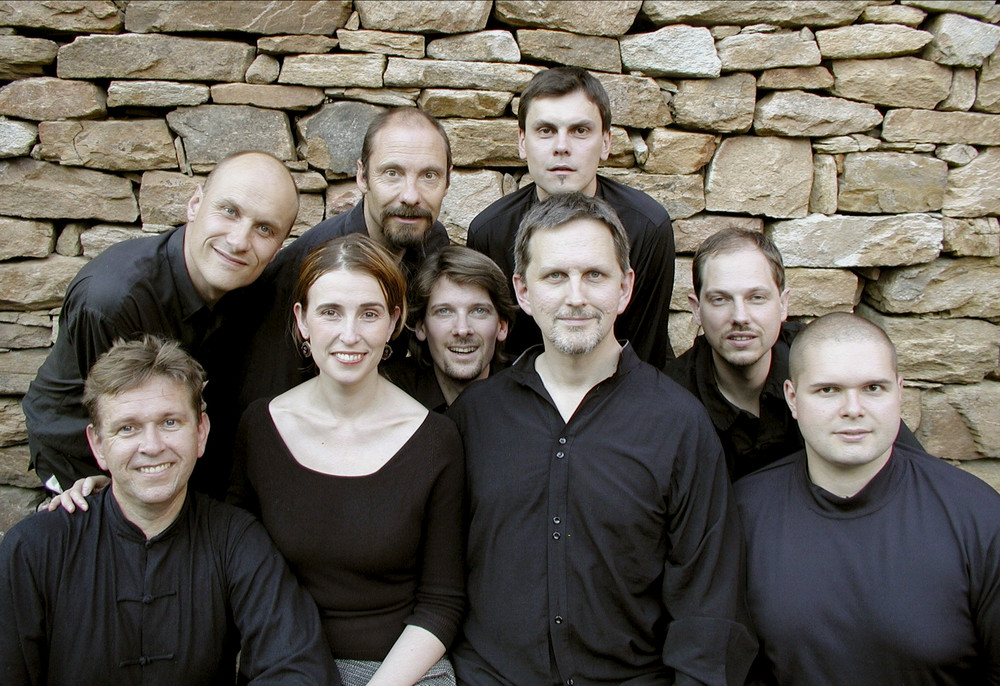
Ensemble für frühe Musik Augsburg
1990–2020
·
2 albums
Listen
Genres
Folk
Folk is a song-centered acoustic tradition rooted in community storytelling, everyday life, and social history. It emphasizes clear melodies, simple harmonies, and lyrics that foreground narrative, protest, and personal testimony. As a modern recorded genre, folk coalesced in the early-to-mid 20th century in the United States out of older ballad, work song, and rural dance traditions. It typically features acoustic instruments (guitar, banjo, fiddle, mandolin, harmonica), strophic song forms, and participatory singing (choruses, call-and-response).
Discover
Listen
Country
Country is a roots-based popular music from the rural American South that blends Anglo-Celtic ballad traditions with African American blues, gospel, and string-band dance music. It is characterized by narrative songwriting, plainspoken vocals with regional twang, and a palette of acoustic and electric instruments such as acoustic guitar, fiddle, banjo, pedal steel, and telecaster guitar. Rhythmically it favors two-step feels, train beats, shuffles, and waltzes, while harmony is largely diatonic (I–IV–V) with occasional country chromaticism and secondary dominants. Across a century, country has evolved through substyles like honky-tonk, the Nashville and Bakersfield sounds, outlaw country, neotraditionalist revivals, pop-country, and country-rap hybrids, but it consistently prioritizes storytelling about everyday life, love, work, faith, place, and identity.
Discover
Listen
Classical
Classical music is the notated art-music tradition of Europe and its global descendants, characterized by durable forms, carefully codified harmony and counterpoint, and a literate score-based practice. The term “classical” can refer broadly to the entire Western art-music lineage from the Medieval era to today, not just the Classical period (c. 1750s–1820s). It privileges long-form structures (such as symphonies, sonatas, concertos, masses, and operas), functional or modal harmony, thematic development, and timbral nuance across ensembles ranging from solo instruments to full orchestras and choirs. Across centuries, the style evolved from chant and modal polyphony to tonal harmony, and later to post-tonal idioms, while maintaining a shared emphasis on written notation, performance practice, and craft.
Discover
Listen
Medieval Lyric Poetry
Medieval lyric poetry refers to the monophonic, poet-composer song traditions that flourished in medieval Europe, especially from the 12th to the 14th centuries. It centers on refined, metrically crafted texts set to memorable modal melodies and performed by court poets, minstrels, or itinerant singer-poets. The genre is best known through the Occitan troubadours and northern French trouvères, but related traditions also thrived among the German Minnesänger and the Galician‑Portuguese cantigueiros. Typical themes include courtly love (fin'amor), longing and absence, moral or political commentary (sirventes), crusade songs, and nature imagery, articulated through strict stanzaic forms, elaborate rhyme schemes, and refrains. Performance was usually solo voice accompanied by medieval instruments (vielle, harp, lute, psaltery, flutes), with a predominantly syllabic text setting, modal pitch organization (e.g., Dorian, Mixolydian), and strophic repetition that highlighted poetic craft.
Discover
Listen
Gregorian Chant
Gregorian chant is the central Western tradition of plainchant: a monophonic, unaccompanied sacred song in Latin (and occasionally Greek) used in the Roman Catholic liturgy. It employs free rhythm guided by the prosody of the text rather than by strict meter, and is sung in unison by clerics or scholas. Its melodies are organized by the system of eight church modes, with characteristic finalis (final), tenor/reciting tones, and melodic formulas. Repertoires include the Proper and Ordinary of the Mass (e.g., Introit, Gradual, Alleluia, Offertory, Communion, Kyrie, Gloria, Credo, Sanctus, Agnus Dei) and the Divine Office (e.g., Antiphons, Responsories, Hymns, Psalms). Although legend credits Pope Gregory I, modern scholarship sees Gregorian chant as a Carolingian synthesis of Old Roman and Gallican chants, standardized across Frankish realms and later the broader Latin West.
Discover
Listen
Plainchant
Plainchant (cantus planus) is the monophonic, unaccompanied chant of the Western Christian liturgy. Sung in Latin (with occasional Greek), it uses modal scales rather than major–minor tonality and unfolds in flexible, speech-like rhythms shaped by the sacred text. Melodically, plainchant ranges from simple syllabic formulas for reciting psalms to ornate melismatic lines for processional and festal moments. It is performed in unison by a schola or congregation, often organized antiphonally or responsorially across the liturgical actions of the Mass and the Divine Office. Its austere sonority, modal color, and text-centered phrasing give it a contemplative, timeless quality.
Discover
Listen
Medieval
Medieval music refers to the diverse sacred and secular musical practices of Europe between the fall of the Western Roman Empire and the dawn of the Renaissance. It spans more than eight centuries, from early monophonic chant to the first notated polyphony. Core features include the use of church modes rather than major/minor, extensive reliance on vocal music (Latin sacred chant as well as vernacular song), and the progressive development from unmeasured chant to rhythmic modal notation and, later, mensural notation. Texture evolves from monophony (plainchant, troubadour songs) to organum, conductus, and the motet, culminating in complex isorhythmic works by the late 13th–14th centuries. Secular traditions—troubadours and trouvères in France, Minnesänger in German lands, and the Iberian Cantigas—coexisted with and influenced sacred practice. Instruments such as the vielle, harp, psaltery, recorder, shawm, hurdy-gurdy, and portative organ often doubled or accompanied voices, though much music remained purely vocal.
Discover
Listen
Show all 7 genres
Albums
2020
1
/5
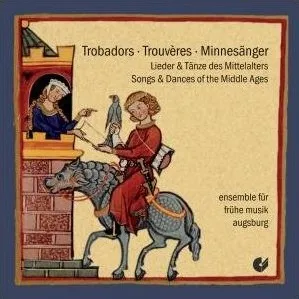
Trobadors. Trouvères. Minnesänger - Songs & Dances of the Middle Ages
Bernart de Ventadorn / Walther von der Vogelweide
Medieval Lyric Poetry
Classical
Medieval
1990
1
/5
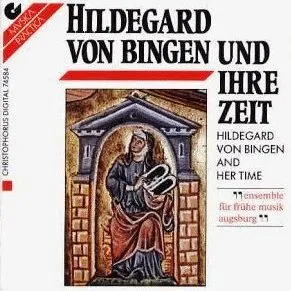
Hildegard von Bingen und ihre Zeit
Hildegard von Bingen / Pierre Abélard
Gregorian Chant
Plainchant
Similar artists
3
/5
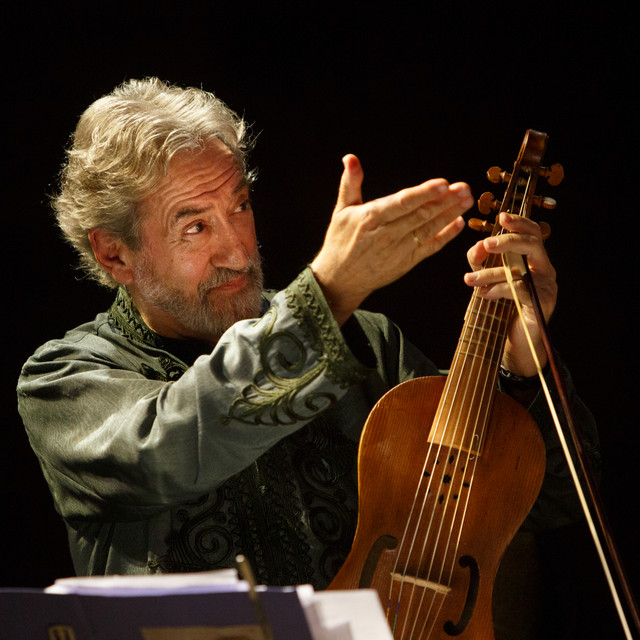
Jordi Savall
Renaissance
Baroque
Classical
2
/5
Sequentia
Gregorian Chant
Plainchant
Medieval
4
/5
Traditional
Gregorian Chant
Spanish Classical Music
Medieval Classical Music
3
/5
Anonymous
Ars Antiqua
Gregorian Chant
Medieval
3
/5
Hildegard von Bingen
Gregorian Chant
Plainchant
Classical
3
/5
Peter Phillips
Choral
Renaissance
Requiem
3
/5
Oxford Camerata
Gregorian Chant
Medieval
Classical
3
/5
The Tallis Scholars
Choral
Renaissance
Requiem
3
/5
Paul Hillier
Choral
Minimalism
Classical
3
/5
Jeremy Summerly
Gregorian Chant
Medieval
Classical
Download our mobile app
Get the Melodigging app and start digging for new genres on the go
Download on the App Store
Get it on Google Play
© 2026 Melodigging
Give feedback
Legal
Melodding was created as a tribute to
Every Noise at Once
, which inspired us to help curious minds keep digging into music's ever-evolving genres.