Genres
Artists
Albums
Make Music
Sign in
Sign in
Artists
Choral
Artists
Choral
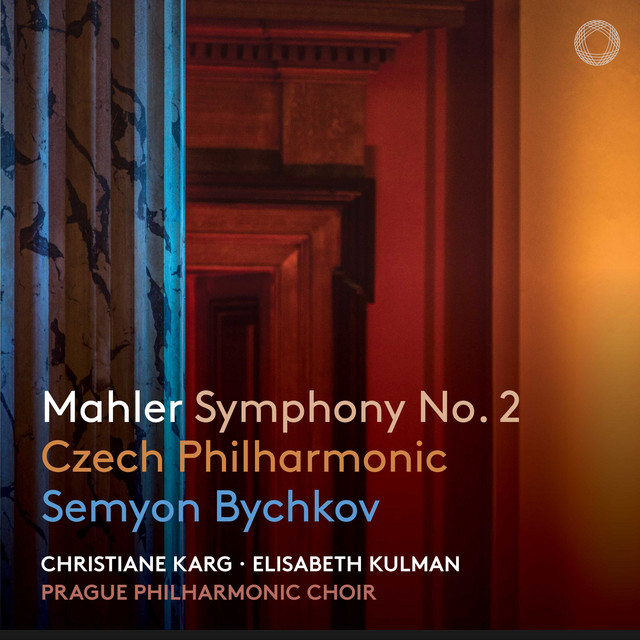
Elisabeth Kulman
2015
·
1 album
Listen
1
/5
Genres
Wagnerian Singing
Wagnerian singing is the dramatic operatic vocal style associated with the music dramas of Richard Wagner. It is characterized by large, penetrating voices capable of projecting over very dense orchestration for prolonged periods, with remarkable stamina, focus, and legato. The style prioritizes declamatory text delivery in German, seamless "endless melody" (unendliche Melodie), and an expressive, weighty timbre with a pronounced singer’s formant (squillo) that carries through large halls. Tessituras are often high and unrelenting, with long phrases, wide dynamic ranges, and limited use of ornamental display compared to bel canto. Typical Wagnerian voice categories include the Heldentenor and hochdramatische Sopran (high dramatic soprano), along with dramatic mezzo-sopranos and bass-baritones. Roles such as Brünnhilde, Isolde, Siegfried, and Wotan exemplify the technical and expressive demands of the style.
Discover
Listen
Classical Contralto
Classical contralto refers to the lowest standard female voice type in Western classical music, with a rich, dark timbre and a comfortable tessitura centered in the lower middle register. Typical written range spans roughly E3–F5 (or even down to C3 for true contraltos), with the most resonant, characteristic sound in the low and low‑middle range. The contralto voice is heard in opera, oratorio, cantata, lieder/art song, and symphonic choral repertoire. It often embodies characters of gravitas—mothers, sorceresses, noble confidantes—or delivers contemplative and devotional solos in sacred works. Stylistically, contraltos excel at sustained legato, chiaroscuro shading, and text‑centered delivery; in Baroque music they also negotiate tasteful ornamentation with a dignified, grounded color that differs from the brilliance of soprano or the warmth of mezzo-soprano.
Discover
Listen
Classical
Classical music is the notated art-music tradition of Europe and its global descendants, characterized by durable forms, carefully codified harmony and counterpoint, and a literate score-based practice. The term “classical” can refer broadly to the entire Western art-music lineage from the Medieval era to today, not just the Classical period (c. 1750s–1820s). It privileges long-form structures (such as symphonies, sonatas, concertos, masses, and operas), functional or modal harmony, thematic development, and timbral nuance across ensembles ranging from solo instruments to full orchestras and choirs. Across centuries, the style evolved from chant and modal polyphony to tonal harmony, and later to post-tonal idioms, while maintaining a shared emphasis on written notation, performance practice, and craft.
Discover
Listen
Choral
Choral refers to music written for and performed by a choir—an ensemble of voices organized into sections such as soprano, alto, tenor, and bass (SATB), or same-voice groupings (SSA, TTBB). It encompasses both sacred and secular repertoire and may be sung a cappella or with accompaniment by organ, piano, or full orchestra. Stylistically, choral music ranges from chant-like monophony to intricate polyphony and rich homophonic textures. Texts are drawn from liturgy, scripture, poetry, and vernacular sources, and are set in many languages. Performance contexts include church services, concert halls, and community events, making choral one of the most socially embedded and widely practiced forms of ensemble music. Across history, choral music has served as a laboratory for vocal counterpoint, word painting, and text-driven form, while functioning as a cultural bridge among religious rites, national traditions, and contemporary concert practice.
Discover
Listen
Albums
2015
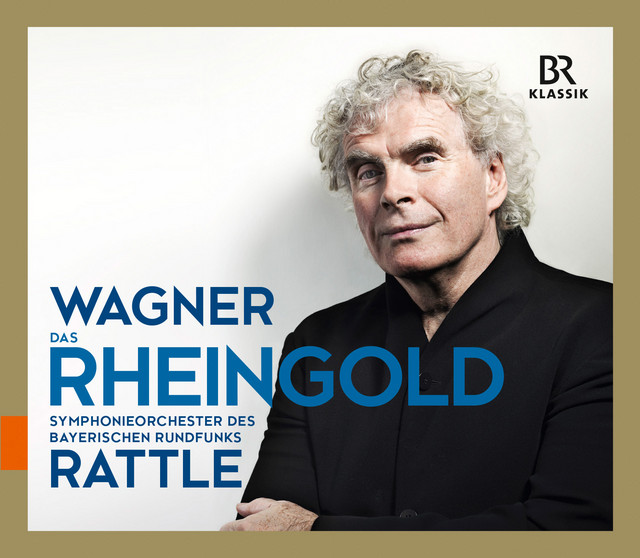
Wagner: Das Rheingold, WWV 86A (Live)
Richard Wagner, Bavarian Radio Symphony Orchestra, Sir Simon Rattle, Tomasz Kon…
Wagnerian Singing
Classical Contralto
Similar artists
4
/5
Berliner Philharmoniker
Classical
Symphony
Romantic Classical
4
/5
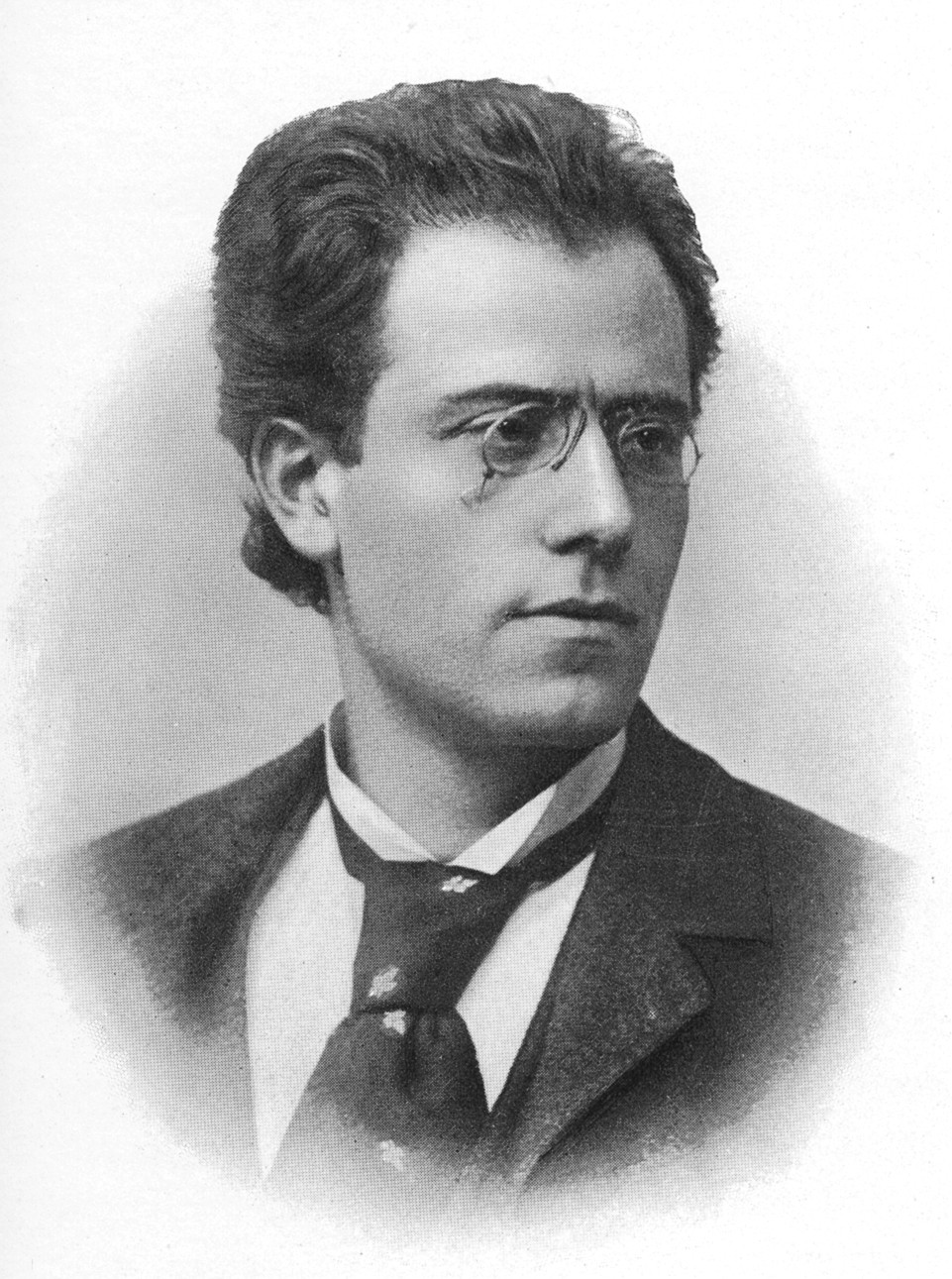
Gustav Mahler
Choral Symphony
Orchestral Song
Classical
4
/5
Johann Sebastian Bach
Baroque
Classical
Baroque Suite
4
/5
Wolfgang Amadeus Mozart
Classical
Requiem
Classical Period
4
/5
Herbert von Karajan
Classical
Symphonic Poem
Symphony
4
/5
Wiener Philharmoniker
Classical
Romantic Classical
Romanticism
4
/5
Philharmonia Orchestra
Classical
Opera
Historic Orchestral Performance
4
/5
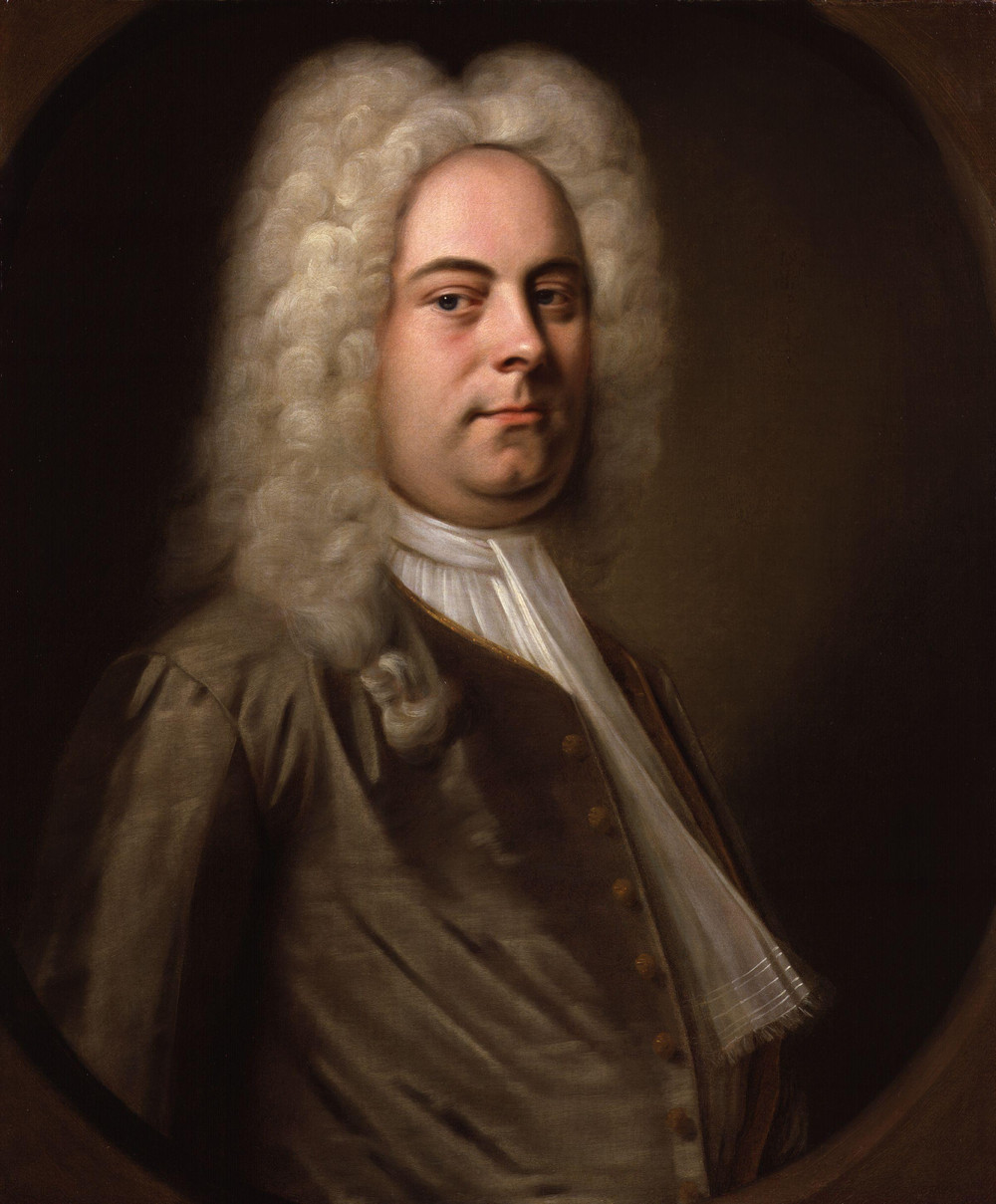
George Frideric Handel
Classical
Opera Seria
Classical Countertenor
4
/5
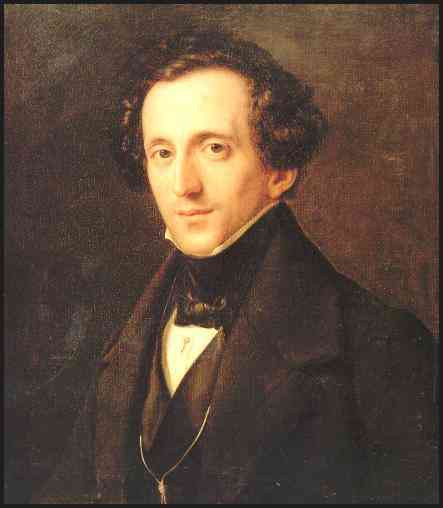
Felix Mendelssohn
Chamber Music
Choral
Classical
3
/5
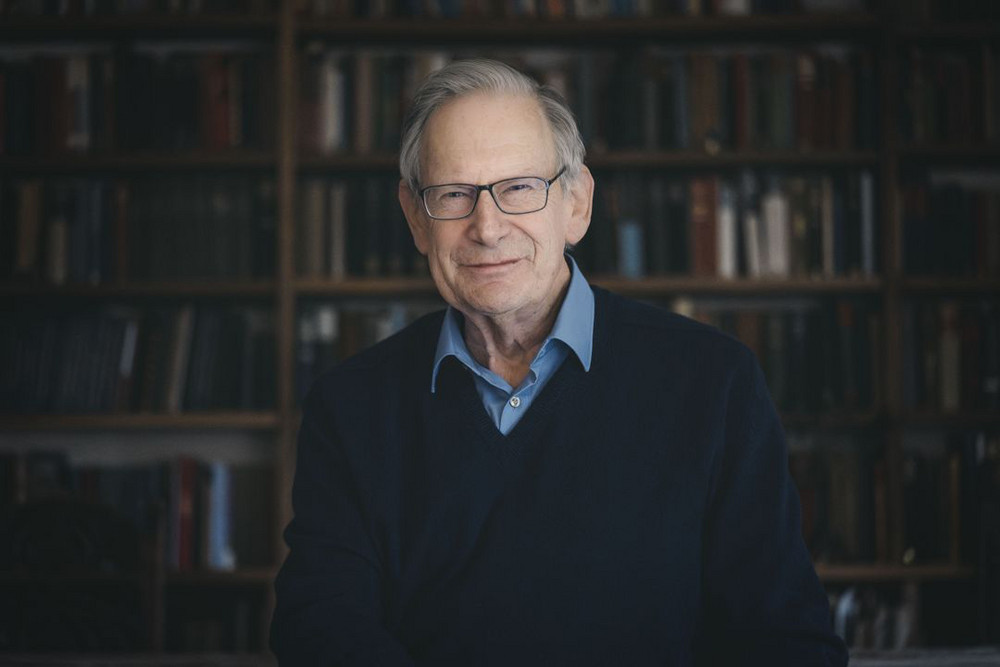
John Eliot Gardiner
Baroque
Classical
Choral
Download our mobile app
Get the Melodigging app and start digging for new genres on the go
Download on the App Store
Get it on Google Play
© 2026 Melodigging
Give feedback
Legal
Melodding was created as a tribute to
Every Noise at Once
, which inspired us to help curious minds keep digging into music's ever-evolving genres.