Genres
Artists
Albums
Make Music
Sign in
Sign in
Artists
Free Improvisation
Artists
Free Improvisation
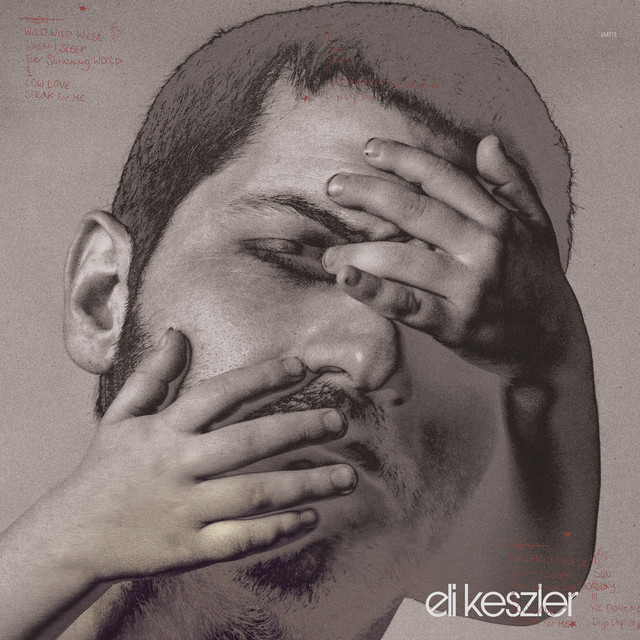
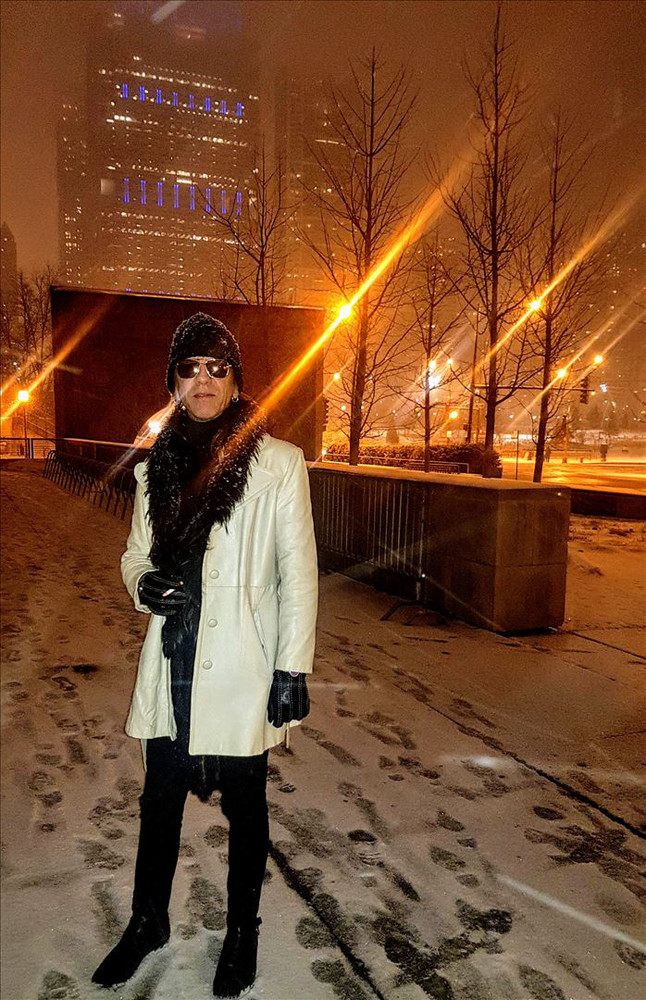
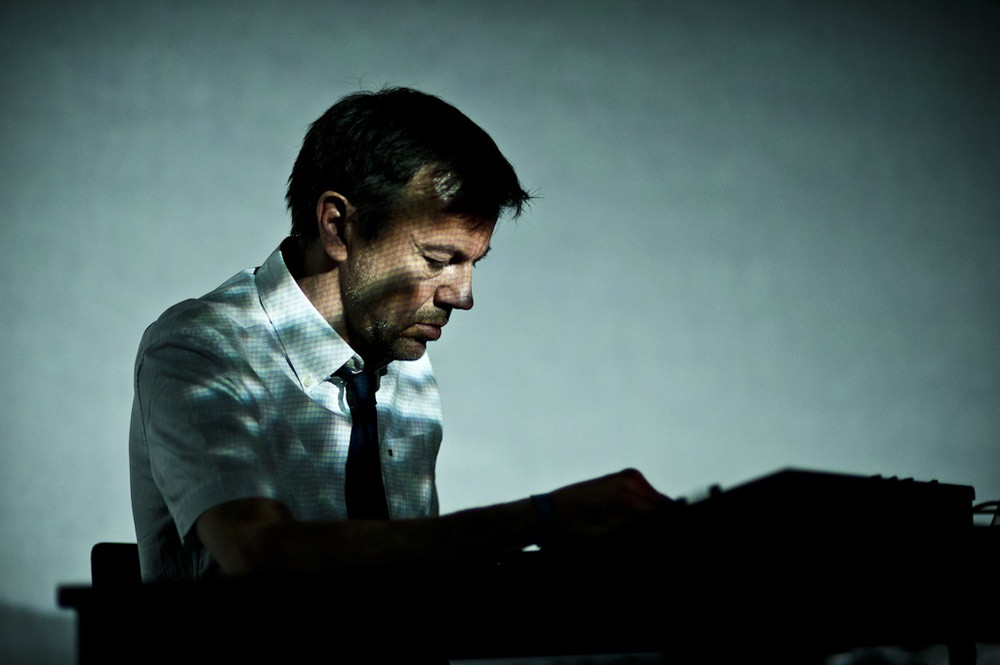
Eli Keszler
2011–2025
·
7 albums
Listen
2
/5
Genres
Mandible
Mandible is an internet-born, experimental microgenre whose name evokes the jawbone: brittle, gnashing, and percussive. Producers lean into harsh, dental-adjacent foley (tooth clicks, jaw pops, bone-like clacks) and metallic scrapes, arranging them over lurching trap-derived beats and sub-heavy sound design. Aesthetically, it sits at the intersection of industrial noise, deconstructed club, and dark trap: distorted transients, granular glitches, sudden drop-outs, and unsettling ASMR-adjacent close‑mic textures. Harmony tends to be sparse or atonal, with drones and dissonant clusters used more for atmosphere than for functional progression. The result is club-adjacent music that feels physical and tactile—like rhythm sculpted from mouth and bone.
Discover
Listen
Horror Synth
Horror synth is a dark, cinematic electronic style that draws heavily from 1970s–1980s horror film scores and analog synthesizer aesthetics. It emphasizes ominous arpeggios, minor-key ostinati, and brooding pads that evoke suspense, dread, and retro VHS-era atmosphere. While it overlaps with synthwave, horror synth is noticeably darker and more aggressive, often incorporating industrial textures, dissonant intervals, and sound-design cues taken from classic slasher and giallo soundtracks. The music typically features vintage drum machine grooves, tape-like saturation, and motif-driven themes that feel like cues to an unseen film.
Discover
Listen
Halftime Dnb
Halftime DnB is a bass-focused offshoot of drum and bass that retains DnB’s tempo (typically 170–174 BPM) but places the drums in a half-time grid, creating the feel of 85–87 BPM. The result is a spacious, head‑nod swing that blends the sound design intensity of DnB with the groove logic of hip hop and trap. Producers emphasize heavyweight sub lines, neuro-influenced bass design, and skeletal, syncopated drum patterns (kicks and 808s up front, snares landing hard on beat three). Texture and negative space are integral, with percussion details, foley, and minimal melodic fragments carrying the narrative. The style sits naturally between club systems and headphone listening, often occupying the same ecosystems as UK bass, the autonomic/leftfield DnB continuum, and the LA beat scene.
Discover
Listen
Psybass
Psybass (often written psy-bass) is a psychedelic bass-music style that blends the sound-design mentality of psytrance with the swagger and groove of modern bass genres. It typically runs at midtempo speeds, emphasizes hypnotic low-end movement, and layers kaleidoscopic textures over organic percussion and field recordings. Expect intricately modulated basslines, trippy FX, and elastic halftime rhythms. The mood ranges from shamanic and ceremonial to futuristic and glitchy, with arrangements that breathe—swelling from spacious, downtempo passages into dense, polyrhythmic climaxes. Tonally, psybass leans on modal and drone-like harmonies (Dorian, Phrygian, pentatonic colors) and often incorporates timbres from world instruments and nature recordings, while maintaining an unmistakably electronic, high-fidelity sheen.
Discover
Listen
Festival Trap
Festival trap is a high‑energy, mainstage‑oriented branch of EDM trap that translates hip‑hop‑rooted 808 rhythms into oversized, stadium‑scale drops. It pairs halftime drum patterns at 70/140 BPM with big‑room buildups, supersaw and brass stabs, sirens/air‑horns, and chantable vocal chops engineered for crowd participation. Compared with classic hip‑hop trap it is brighter, louder, and more bombastic; compared with big room house or dubstep it retains a halftime groove with rolling hi‑hats and sub‑heavy 808s. Typical drops use dramatic snare rolls and risers into a silence‑then‑impact hit, followed by call‑and‑response riffs designed to move festival crowds.
Discover
Listen
Fluxwork
Fluxwork is a contemporary microgenre of electronic music optimized for sustained concentration and “flow state” listening. It blends the warmth and space of ambient with the pulse and structure of minimal techno and microhouse, emphasizing unobtrusive rhythms and gradual, textural movement. Tracks usually feature understated four-on-the-floor or gently broken patterns, soft sidechained pads, subtle arpeggios, and carefully filtered transitions. Vocals, if present at all, are sparse and textural. The result is music that feels propulsive yet calm—capable of fading into the background while quietly supplying kinetic focus.
Discover
Listen
New Isolationism
New isolationism is a contemporary strain of isolationist ambient and post-industrial minimalism that emerged in the 2010s, particularly around Scandinavian experimental labels and studios. It foregrounds intimate, close-mic’d sound, negative space, and a quiet-but-present noise floor; its pieces feel both internal and architectural, like rooms built from reverb tails, tape hiss, and soft electronics. Sonically, the style blends glacial drones, fragile chamber timbres (strings, organ, piano), lo‑fi electronics, and field recordings into stark, slow-evolving tableaux. Melodic information is sparse—often only a few tones or gestures—while rhythm is either absent or reduced to distant pulses, heartbeats, or mechanical cycles. Vocals, when they appear, are murmured, diaristic, or abstracted by pitch and time manipulation. Aesthetically, new isolationism is post‑internet and diaristic: it captures solitude, memory, and dislocation with a palette that feels personal yet estranged, drawing as much from contemporary gallery sound practice as from classic dark ambient.
Discover
Listen
Trap Edm
Trap EDM (often called EDM trap) is a fusion of Southern U.S. hip hop trap rhythms with the build–up/drop architecture and sound design of electronic dance music. It typically runs at 140 BPM with a halftime feel (or 70–75 BPM), featuring 808 sub‑bass, crisp snare/clap on the third beat, rapid 1/16 to 1/32 hi‑hat rolls, brass or synth stabs, and big festival‑style drops. Unlike rap-oriented trap, Trap EDM is primarily instrumental and designed for large dance floors and festivals, emphasizing dramatic risers, tension–release dynamics, and heavy low‑end impact.
Discover
Listen
Nu Jazz
Nu jazz is a late-1990s movement that blends contemporary electronic production with the improvisational language and harmony of jazz. It keeps jazz’s extended chords, modal colors, and live soloing, but places them over programmed beats, sampled textures, and synth-driven arrangements. Typical tracks feature warm Rhodes or piano voicings, roomy horns, and deep bass sitting alongside house, broken beat, or downtempo grooves. The result is music that feels both club-ready and listening-focused, bridging intimate jazz sensibilities with modern electronic sound design.
Discover
Listen
Dark Ambient
Dark ambient is a post‑industrial subgenre that coalesced in the mid‑1980s, drawing primarily on ambient music but shifting its focus toward ominous, subterranean space and timbre. It is characterized by long, low‑frequency drones; dissonant or microtonal overtones; and an enveloping, gloomy or catacomb‑like atmosphere. While largely electronic (synthesizers, samplers, tape and digital processing), artists frequently incorporate field recordings, contact‑mic textures, bowed metal, gongs, and fragments of traditional instruments captured with semi‑acoustic techniques and then heavily processed. Melody and pulse are minimized; instead the music emphasizes immersive sound design, psychoacoustic detail, and slowly evolving textures that evoke dread, awe, and isolation.
Discover
Listen
Sound Art
Sound art is an interdisciplinary practice that treats sound itself as the primary artistic material, often prioritizing listening, space, and context over conventional musical form. It commonly appears as installations, sculptures, site‑specific works, and conceptual pieces presented in galleries, museums, and public spaces rather than on a traditional stage. Rather than focusing on melody, harmony, or beat, sound art emphasizes timbre, texture, perception, and spatialization. Works may use field recordings, environmental sound, feedback, room acoustics, silence, psychoacoustic phenomena, or generative and interactive systems. The listener’s movement, the architecture, and the social environment frequently become integral to the piece, encouraging attentive, situation‑based listening.
Discover
Listen
Free Improvisation
Free improvisation is a practice of spontaneous music-making that avoids fixed idioms, stylistic templates, and pre-agreed structures. Musicians prioritize listening, interaction, and the exploration of sound itself—timbre, texture, dynamics, and silence—over conventional melody, harmony, or pulse. Guitarist Derek Bailey popularized the notion of "non-idiomatic improvisation," describing a music that deliberately resists falling into recognizable genre habits. While often overlapping with free jazz and contemporary classical experimentalism, free improvisation is not confined to either. It welcomes any instrument or sound source—acoustic, electronic, or everyday objects—and frequently uses extended techniques, feedback, and unconventional performance gestures. Performances can range from whisper-quiet, pointillistic interplay to ferocious, high-energy noise, with the ensemble shaping form in real time through attention and constraint.
Discover
Listen
Avant-Garde Jazz
Avant-garde jazz is a boundary-pushing current of jazz that privileges experimentation, collective improvisation, and timbral exploration over conventional song forms and chord progressions. It often uses atonality or loose tonality, extended instrumental techniques, shifting or absent meters, and open forms. Ensembles may emphasize texture and density as much as melody and harmony, drawing as readily from modern classical music and non-Western traditions as from blues and bebop. While sometimes intense or noisy, avant-garde jazz also embraces spaciousness and silence, allowing players to interact in real time without predetermined roles. The result is music that questions the limits of jazz itself, foregrounding sound, spontaneity, and social expression.
Discover
Listen
Electroacoustic
Electroacoustic music is a broad art-music tradition that integrates recorded acoustic sound and electronically generated or processed sound into coherent musical works. It privileges timbre, gesture, texture, and spatialization over conventional melody-and-harmony song forms, often employing tape manipulation, synthesis, live electronics, and computer-based signal processing. Works are frequently composed for fixed media (stereo or multichannel loudspeakers) and may also involve live performers who are transformed in real time. Concert presentation typically emphasizes spatial diffusion and immersive listening, and the repertoire spans concert works, radio pieces, installations, and soundscape compositions.
Discover
Listen
Show all 14 genres
Albums
2025
1
/5
Eli Keszler Remixes
Eli Keszler
Free Improvisation
2022
1
/5
The Vaulting Sky
Eli Keszler
Free Improvisation
2021
1
/5
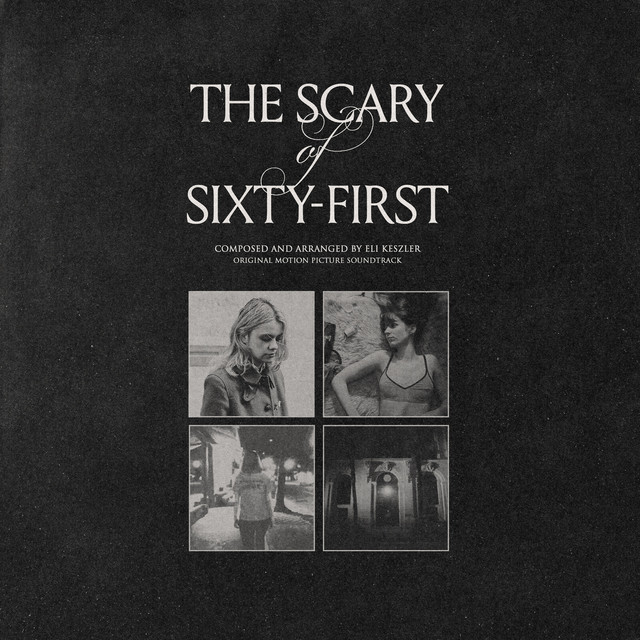
The Scary of Sixty-First (Original Motion Picture Soundtrack)
Eli Keszler
Free Improvisation
Dark Ambient
Horror Synth
2021
1
/5
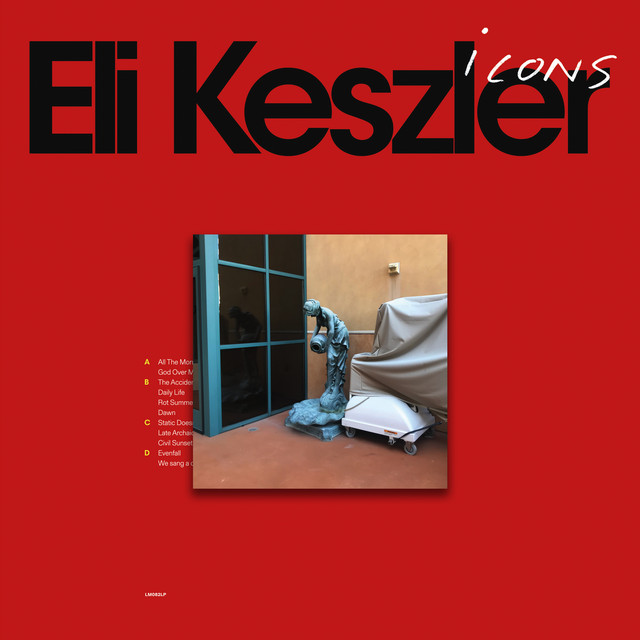
Icons
Eli Keszler
Free Improvisation
2018
1
/5
Stadium
Eli Keszler
Free Improvisation
2018
1
/5
Stadium
Eli Keszler
Free Improvisation
2011
1
/5
Cold Pin
Eli Keszler
Sound Art
Similar artists
2
/5
Art Ensemble Of Chicago
Free Improvisation
Jazz
Avant-Garde Jazz
1
/5
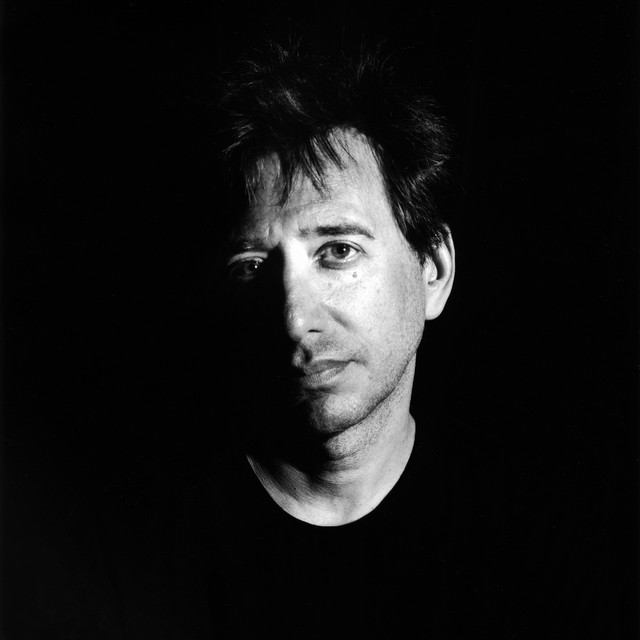
John Zorn
Avant-Garde Jazz
Free Improvisation
Jazz
1
/5
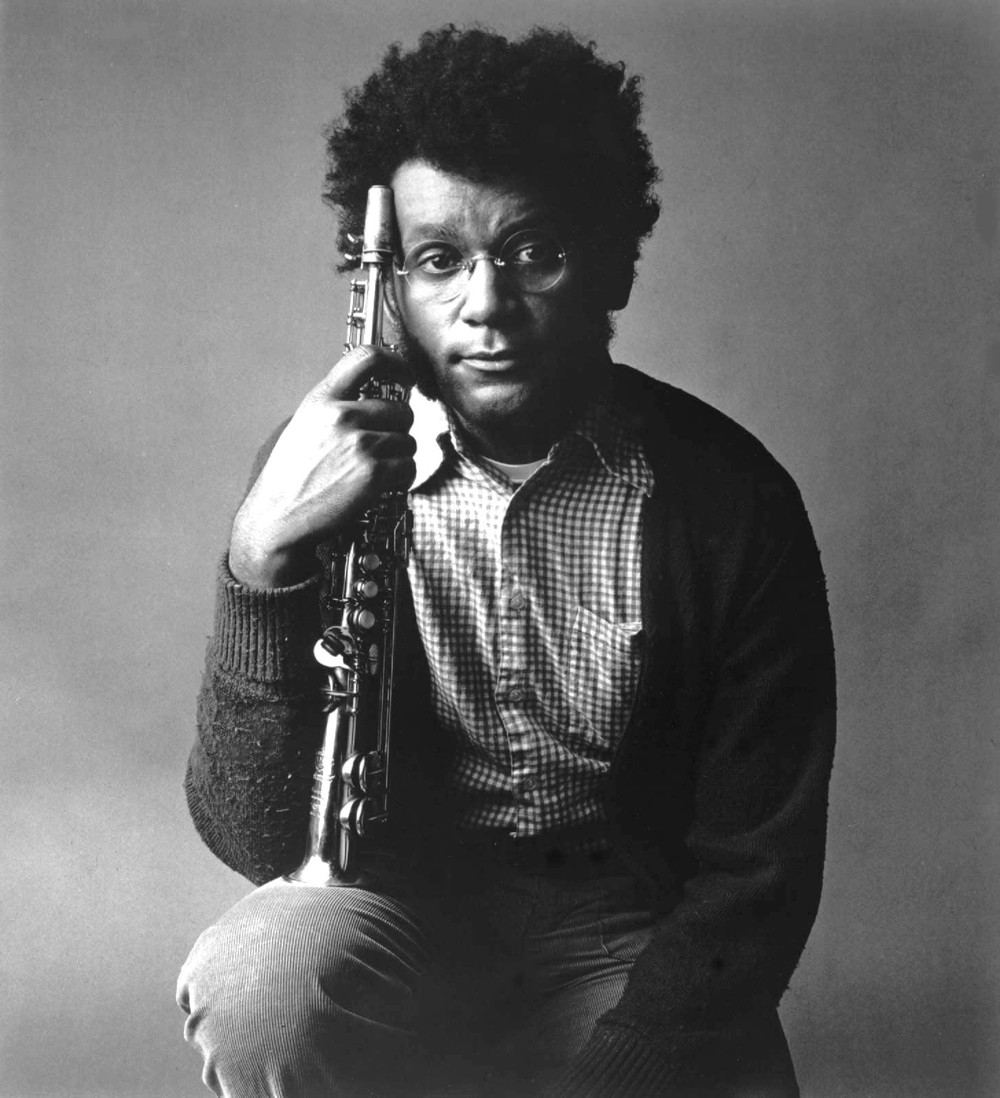
Anthony Braxton
Jazz
Modern Creative
Free Improvisation
1
/5
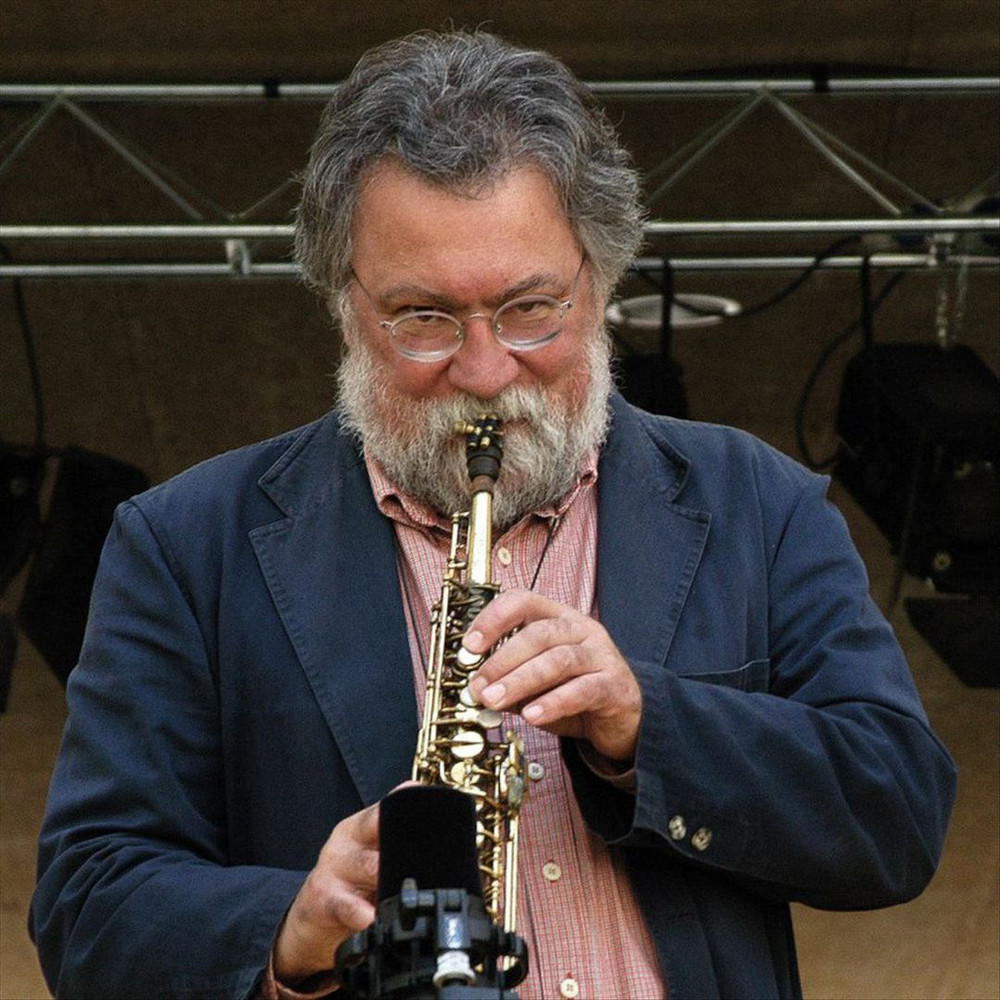
Evan Parker
Free Improvisation
Avant-Garde
Free Jazz
3
/5
William Basinski
Tape Music
Ambient
Sound Art
3
/5
Biosphere
Ambient
Sound Art
Electronic
3
/5
Loscil
Sound Art
Ambient
Drone
2
/5
Celer
Sound Art
Drone
Tape Music
2
/5
Taylor Deupree
Lowercase
Tape Music
Ambient
1
/5
Peter Brötzmann
Free Jazz
Free Improvisation
European Free Jazz
Download our mobile app
Get the Melodigging app and start digging for new genres on the go
Download on the App Store
Get it on Google Play
© 2026 Melodigging
Give feedback
Legal
Melodding was created as a tribute to
Every Noise at Once
, which inspired us to help curious minds keep digging into music's ever-evolving genres.