Genres
Artists
Albums
Make Music
Sign in
Sign in
Artists
Brass Band
Artists
Brass Band
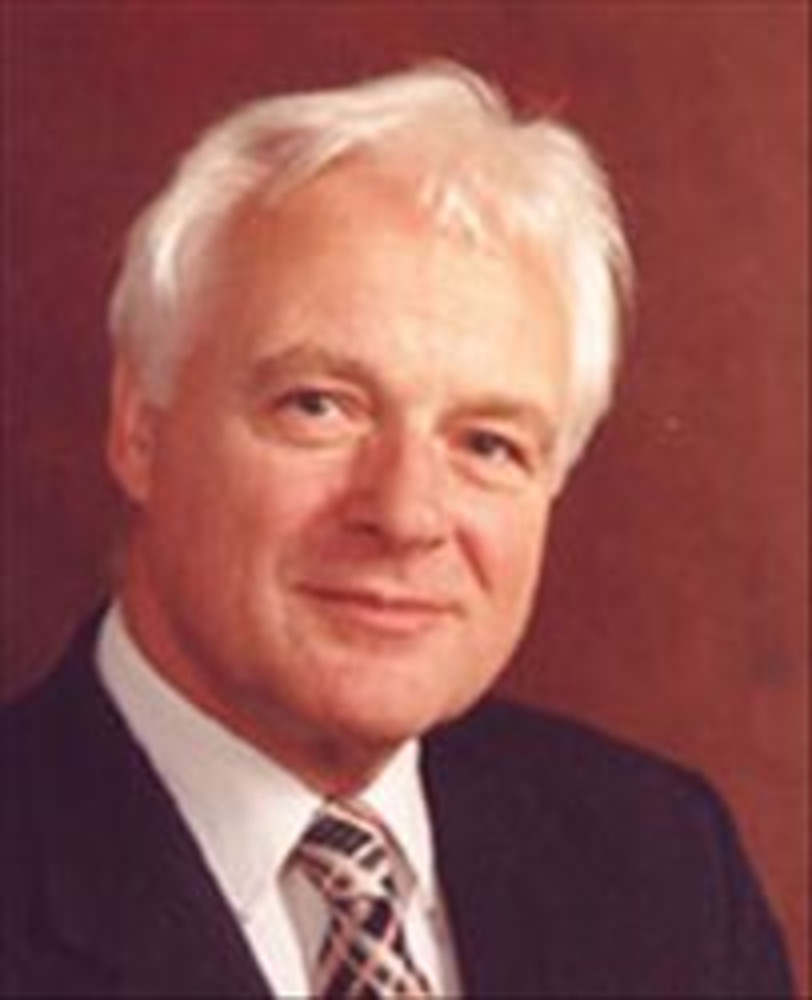
Elgar Howarth
1990
·
1 album
Listen
2
/5
Genres
Contemporary Classical
Contemporary classical is the broad field of Western art music created after World War II. It embraces an array of aesthetics—from serialism and indeterminacy to minimalism, spectralism, electroacoustic practices, and post‑tonal lyricism—while retaining a concern for notated composition and timbral innovation. Unlike the unified styles of earlier eras, contemporary classical is pluralistic. Composers freely mix acoustic and electronic sound, expand instrumental techniques, adopt non‑Western tuning and rhythm, and explore new forms, from process-based structures to open and graphic scores. The result is a music that can be rigorously complex or radically simple, technologically experimental or intimately acoustic, yet consistently focused on extending how musical time, timbre, and form can be shaped.
Discover
Listen
Brass Band
Brass band refers to ensemble-driven music performed primarily by brass instruments and percussion, with a sound characterized by powerful, blended timbres, antiphonal choirs, and a strong emphasis on melody and counter-melody. In its most codified form (the British-style brass band), the ensemble uses cornets, flugelhorn, tenor horns, baritones, euphoniums, trombones, tubas, and percussion, all written in transposed parts to create a homogenous, organ-like sonority. Repertoire spans marches, hymn tune settings, operatic and orchestral transcriptions, original contest works, and light music. Globally, the term also encompasses regional traditions such as New Orleans parade/second-line bands (merging ragtime, early jazz, and funk), and Balkan Romani brass bands (fast dance meters and virtuosic ornamentation), showing the format’s adaptability across cultures and celebrations.
Discover
Listen
Galante Era
The galante era (or galant style) describes a fashion in early‑ to mid‑18th‑century music that prized elegance, clarity, and immediately appealing melody. It arose as a reaction against the learned counterpoint and dense textures of late Baroque music, favoring tuneful, balanced phrases over intricate polyphony. Typical features include homophonic textures with a clear melody supported by simple chordal accompaniment (often Alberti‑bass figures), short antecedent–consequent phrases, regular cadences, diatonic harmony, and light, graceful ornamentation. The galant taste spread quickly through opera, instrumental chamber music, and the nascent symphony, forming a crucial bridge between the late Baroque and the Classical style of Haydn and Mozart.
Discover
Listen
Albums
1990
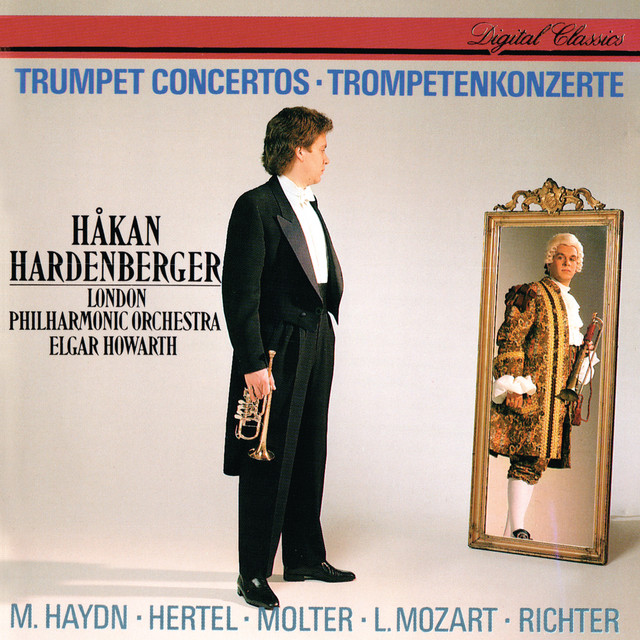
Baroque & Classical Trumpet Concertos
Håkan Hardenberger, London Philharmonic Orchestra, Elgar Howarth
Galante Era
Similar artists
1
/5
Edward Gregson
Brass Band
Contemporary Classical
Spoken Word
4
/5
Ludovico Einaudi
Classical
Contemporary Classical
Compositional Ambient
4
/5
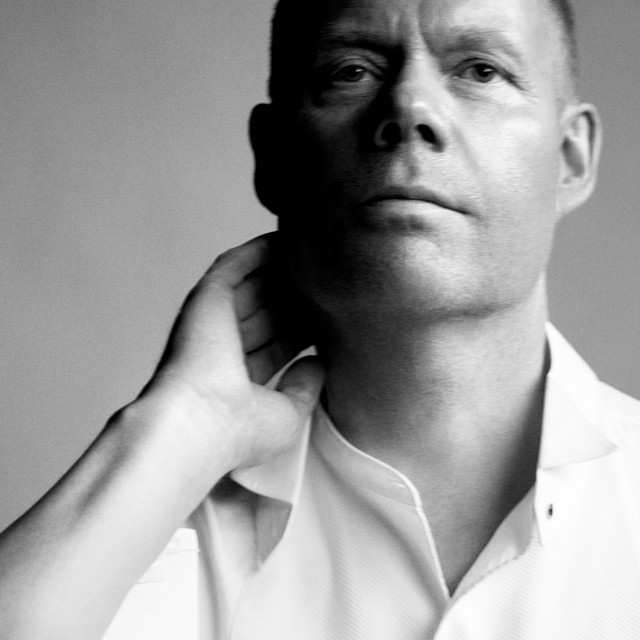
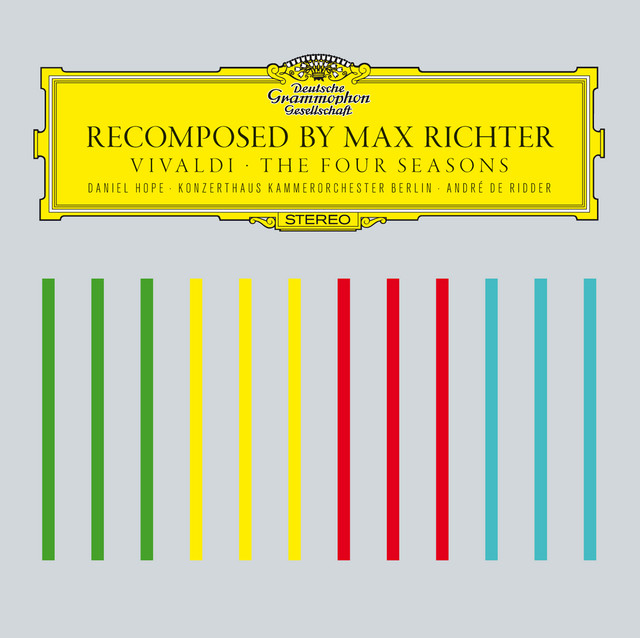
Max Richter
Post-Minimalism
Classical
Contemporary Classical
4
/5
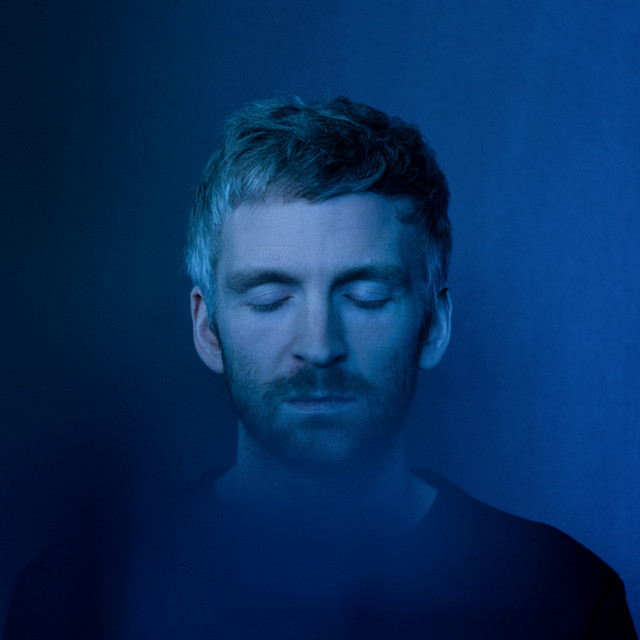
Ólafur Arnalds
Contemporary Classical
Minimalism
Compositional Ambient
4
/5
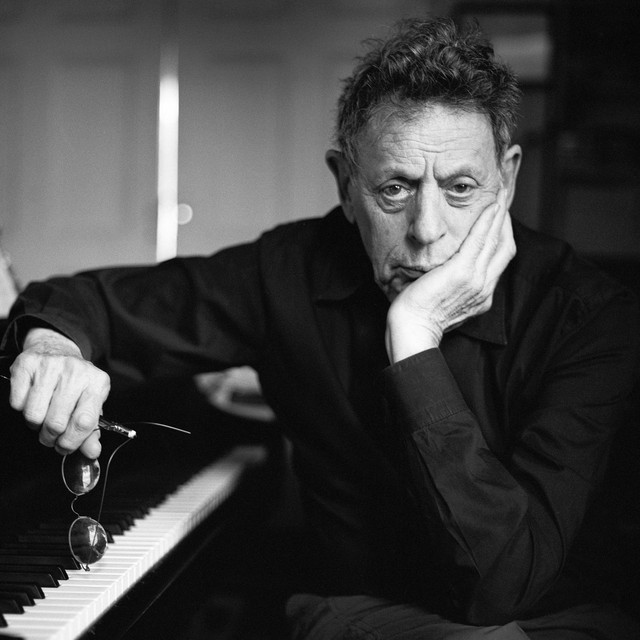
Philip Glass
Classical
Minimalism
Modern Classical
4
/5
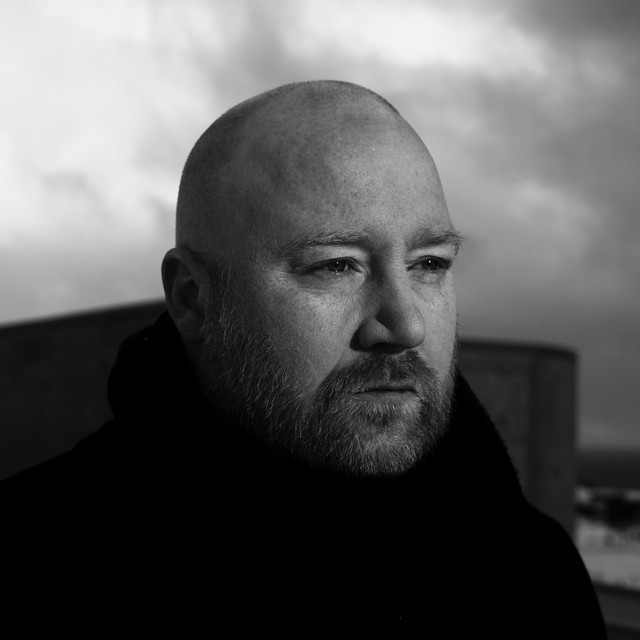
Jóhann Jóhannsson
Contemporary Classical
Minimalism
Score
4
/5
Nils Frahm
Minimalism
Contemporary Classical
Modern Classical
4
/5
Andre de Ridder
Classical
Contemporary Classical
Neoclassicism
4
/5
Konzerthaus Kammerorchester Berlin
Classical
Contemporary Classical
Neoclassicism
4
/5
Hania Rani
Contemporary Classical
Minimalism
Neo-Classical
Download our mobile app
Get the Melodigging app and start digging for new genres on the go
Download on the App Store
Get it on Google Play
© 2026 Melodigging
Give feedback
Legal
Melodding was created as a tribute to
Every Noise at Once
, which inspired us to help curious minds keep digging into music's ever-evolving genres.