Genres
Artists
Albums
Make Music
Sign in
Sign in
Artists
New England Metal
Artists
New England Metal
Dropdead
2012–2013
·
3 albums
Listen
2
/5
Genres
Modern Hardcore
Modern hardcore is a contemporary wave of hardcore punk that blends classic speed and ferocity with 21st‑century heaviness, hook‑writing, and studio punch. It keeps the genre’s DIY, pit‑driven energy while adopting tighter musicianship, down‑tuned, palm‑muted riffs, and massive, half‑time breakdowns. Compared with 1980s and 1990s hardcore, modern hardcore is broader in dynamic range: songs snap from two‑step mosh parts and D‑beats to swaggering NYHC swing, metallic chugs, and chant‑along choruses. Production is deliberately impactful—gated, sample‑reinforced drums, tight low‑end, and high‑gain guitars—yet many bands still prioritize live immediacy over polish. Lyrically it remains grounded in community, resilience, and personal/collective struggle, but it often incorporates contemporary themes (mental health, identity, social precarity). Scenes are sustained by DIY venues, independent labels, and festival culture, with a heavy presence on video channels and social media that has globalized the sound.
Discover
Listen
New England Metal
New England metal is a regional umbrella for the heavy music that emerged from the six U.S. states of the Northeast (Massachusetts, Connecticut, Rhode Island, Maine, New Hampshire, and Vermont). It blends hardcore’s physicality with metal’s riff craft and extremity, and is best known for a distinctive vein of melodic-yet-heavy metalcore alongside deathcore, post‑metal, and sludge/doom. Hallmarks include Gothenburg‑style harmonized riffs welded to breakdowns, precision double‑kick drumming, a mix of harsh screams and anthemic clean choruses, and an austere, wintry mood often reflected in lyrical themes of perseverance and introspection. A dense network of VFW halls, college towns, DIY spaces, and the Worcester‑based New England Metal & Hardcore Festival forged tight inter‑scene cross‑pollination, while local studios and labels helped codify a sound that is both technically sharp and emotionally direct.
Discover
Listen
Hardcore
Hardcore (often called hardcore techno in its early form) is a fast, aggressive branch of electronic dance music characterized by heavily distorted, punchy 4/4 kick drums, tempos ranging from roughly 160 to well over 200 BPM, and a dark, high‑energy aesthetic. It emphasizes percussive drive over complex harmony, using clipped and saturated kick-bass sound design, sharp hi-hats, claps on the backbeat, and harsh synth stabs or screeches. Vocals, when present, are typically shouted hooks, sampled movie lines, or crowd chants processed with distortion and effects. Originating in the Netherlands in the early 1990s, the style quickly splintered into related scenes and subgenres such as gabber, happy hardcore, Frenchcore, terrorcore, speedcore, and later hardstyle. Its culture is closely associated with large-scale raves, specialized labels, and distinctive visual branding.
Discover
Listen
Crust Punk
Crust punk is a dark, heavy, and politically charged offshoot of punk that fuses the speed and rawness of hardcore with the weight and bleak atmospheres of metal. It is characterized by abrasive, overdriven guitar tones, pounding D‑beat and double‑time rhythms, and harsh, shouted vocals. Lyrically, crust punk confronts themes such as anti-militarism, anti-fascism, environmental collapse, social decay, and everyday survival under capitalism, often presented through apocalyptic or dystopian imagery. Its sound and message are inseparable from the DIY ethic, squatter culture, and grassroots activism that nurtured the scene.
Discover
Listen
Grindcore
Grindcore is an extremely fast, abrasive fusion of hardcore punk and extreme metal characterized by blast-beat drumming, highly distorted down-tuned guitars, and a mix of guttural growls and high-pitched screams. Songs are typically very short—often under two minutes and sometimes just seconds—favoring intensity over traditional verse–chorus structures. Lyrically, grindcore spans politically charged and socially conscious themes (war, capitalism, animal rights) as well as gore and body horror (particularly in goregrind). Production ranges from raw, live-in-the-room ferocity to tight, modern clarity. The style is defined by relentless speed, dissonant or chromatic riffing, and sudden start–stop shifts that create a feeling of controlled chaos.
Discover
Listen
Powerviolence
Powerviolence is an ultrafast, confrontational offshoot of hardcore punk that emphasizes whiplash dynamics between blastbeat-speed eruptions and lurching, sludgy slowdowns. Its songs are typically very short—often under a minute—and rely on raw, abrasive guitar and bass tones, barked or screamed vocals, and sudden stop/start structures. Rooted more in punk than in metal, powerviolence differs from grindcore through its stripped-down riffing, anti-virtuosic ethos, and frequent use of hardcore and d-beat rhythms alongside shocking tempo drops into sludge-influenced breakdowns. Lyrics tend to be anti-authoritarian, socially critical, or nihilistic, and the style is strongly tied to DIY culture, lo-fi aesthetics, and an intentionally uncompromising sound.
Discover
Listen
Sludge Metal
Sludge metal is a hybrid of doom metal’s slow, downtuned weight and hardcore punk’s raw aggression. It emphasizes thick, overdriven guitar tones, throttling bass, and drums that lurch between trudging slow-motion grooves and ragged mid‑tempo blasts. Vocals are typically screamed, barked, or anguished, often buried slightly in the mix to feel abrasive and cathartic. The style took shape in the late 1980s United States—particularly the Pacific Northwest and the American South—where bands fused Sabbath‑like doom riffs with the DIY harshness of hardcore and the scabrous textures of noise rock. Lyrical themes commonly explore addiction, despair, social decay, and Southern Gothic imagery, delivered with an intentionally gritty, unvarnished production aesthetic.
Discover
Listen
Thrashcore
Thrashcore is an ultra-fast, aggressive strain of hardcore punk characterized by extremely short songs, breakneck tempos, and tightly compressed arrangements. It amplifies hardcore’s intensity by trimming away ornamentation and accelerating everything: riffs, drums, and vocal phrasing. While sometimes conflated with crossover thrash, thrashcore remains firmly rooted in punk rather than metal. It favors raw, abrasive guitar tones, rapid down-picked power-chord riffs, and relentless drum patterns that often approach or include early blast beats. Vocals are usually shouted or barked, with lyrics that are political, confrontational, or socially critical. The style prioritizes immediacy and catharsis, thriving on DIY ethics, minimal production sheen, and high-energy performances that translate into frantic pits and stage-dives.
Discover
Listen
Hardcore Punk
Hardcore punk is a faster, louder, and more abrasive offshoot of late-1970s punk rock. Songs are typically short (often under two minutes), propelled by rapid tempos, aggressive down‑stroked guitar riffs, and shouted or barked vocals. The style prioritizes raw energy over technical ornamentation: power‑chord harmony, minimal guitar solos, and tightly locked rhythm sections dominate. Lyrically, hardcore punk is intensely direct—often political, anti‑authoritarian, and socially critical—reflecting a DIY ethic that values independent labels, self‑organized shows, and community‑run spaces. The genre coalesced in U.S. scenes such as Los Angeles, Washington, D.C., New York, and Boston, and soon spread internationally. Its velocity, attitude, and grassroots infrastructure profoundly shaped underground music and paved the way for numerous metal, punk, and alternative subgenres.
Discover
Listen
Anarcho-Punk
Anarcho-punk is a politically charged strand of punk that explicitly promotes anarchist and anti-authoritarian ideas. Emerging in the late 1970s United Kingdom, it fused the speed and abrasion of punk with an uncompromising DIY ethic, collective organization, and a culture of zines, benefit gigs, and independent labels. Musically, anarcho-punk leans on raw guitars, driving 4/4 rhythms, shouted or chant-like vocals, and concise song forms, but it often incorporates spoken-word, noise, sound collage, and experimental interludes to underscore its messages. Lyrically, it addresses anti-war and anti-nuclear activism, animal liberation, environmentalism, anti-capitalism, feminism, and social justice. Its stark black-and-white stencil aesthetic—iconic in sleeves, patches, and posters—became as recognizable as its sound.
Discover
Listen
Show all 10 genres
Albums
2013
1
/5
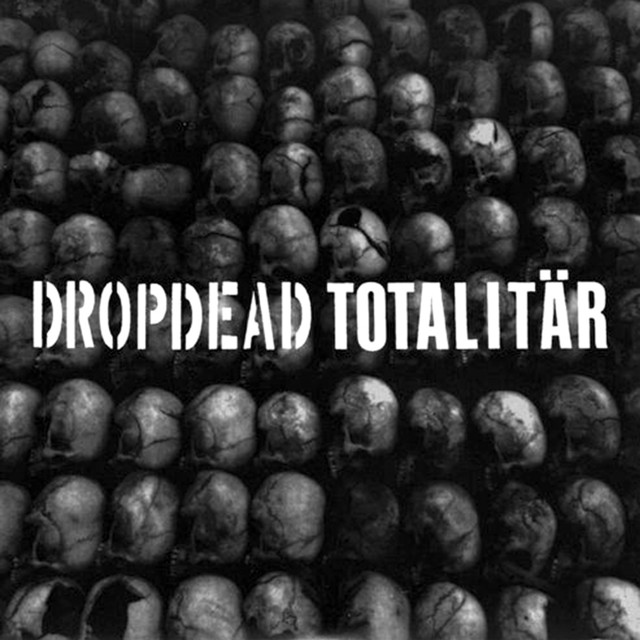
Dropdead / Totalitar Split
Dropdead
New England Metal
2012
1
/5
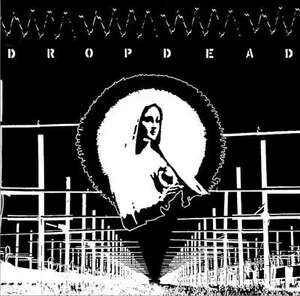
2nd LP
Dropdead
Powerviolence
Thrashcore
Crust Punk
2012
2
/5
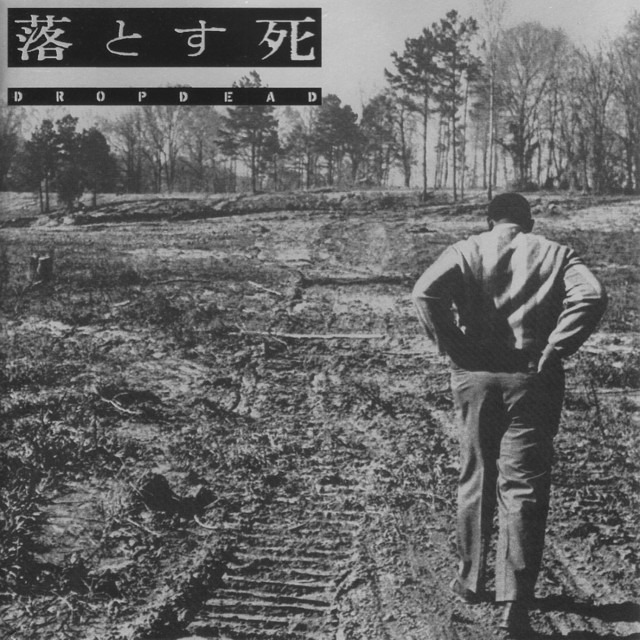
Dropdead 落とす死
Dropdead
Crust Punk
Powerviolence
Thrashcore
Similar artists
2
/5
G.I.S.M.
Japanese Hardcore
Hardcore Punk
Punk
2
/5
Anti Cimex
D-Beat
Crust Punk
Anarcho-Punk
2
/5
disrupt
Crust Punk
Grindcore
Anarcho-Punk
2
/5
Amebix
Stenchcore
Crust Punk
Anarcho-Punk
2
/5
Aus Rotten
Anarcho-Punk
Grindcore
Hardcore Punk
2
/5
Electro Hippies
Anarcho-Punk
Grindcore
Hardcore Punk
2
/5
Nausea
Grindcore
Hardcore Punk
Punk
2
/5
Driller Killer
Stenchcore
Grindcore
Hardcore Punk
1
/5
Various Artists
Afro-Funk
Alternative Rock
Ambient
3
/5
Dystopia
Crust Punk
Powerviolence
Hardcore Punk
Download our mobile app
Get the Melodigging app and start digging for new genres on the go
Download on the App Store
Get it on Google Play
© 2026 Melodigging
Give feedback
Legal
Melodding was created as a tribute to
Every Noise at Once
, which inspired us to help curious minds keep digging into music's ever-evolving genres.