Genres
Artists
Albums
Make Music
Sign in
Sign in
Artists
Hip Hop
Artists
Hip Hop
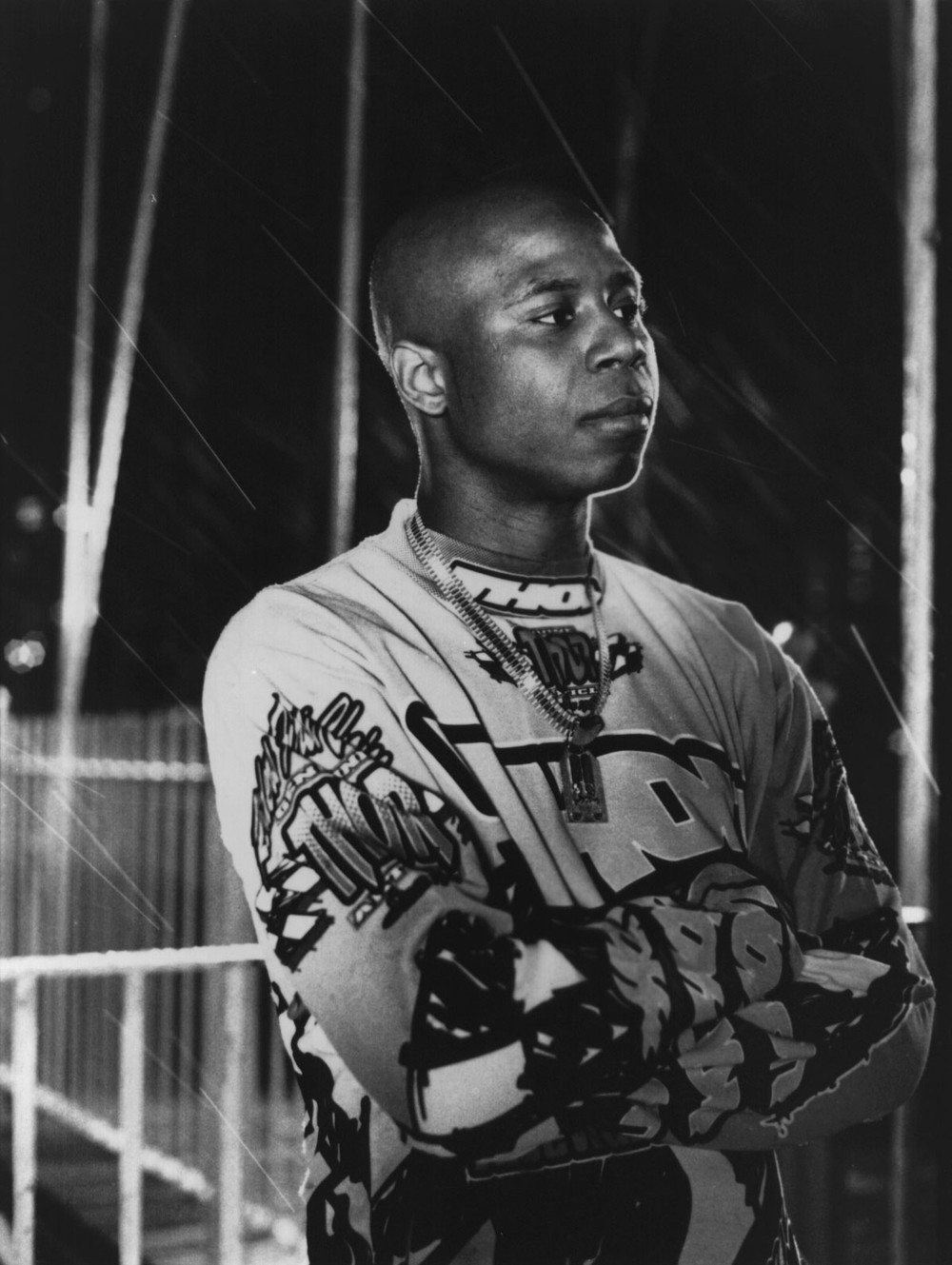
Doug E. Fresh
1986
·
1 album
Listen
3
/5
Genres
Trap Soul
Trap soul is a fusion of contemporary R&B singing and songwriting with the sonic palette and rhythmic feel of trap. It features moody, minor‑key harmonies; airy pads and Rhodes/piano textures; deep 808 sub‑bass with glides; and skittering hi‑hat rolls and halftime drum patterns. Vocals often blend crooning and rapping, with intimate, confessional lyrics about love, heartbreak, desire, ambition, and late‑night introspection. The production is typically spacious and minimal, prioritizing atmosphere and groove over density. Subtle Auto‑Tune, layered ad‑libs, and lush reverbs/delays are common, giving tracks a nocturnal, cinematic feel.
Discover
Listen
Soundclown
Soundclown is an internet-born remix and mashup style that thrives on comedic juxtaposition, bait‑and‑switch reveals, and hyper-referential sample collage. It blends pop hits, game and cartoon music, ad jingles, meme sounds, and viral speech into quick-cut audio gags. The genre developed across YouTube and SoundCloud, favoring shock humor, nostalgia, and absurdity over traditional song form. Hallmarks include sudden key/tempo whiplash, exaggerated pitch-shifts, ear‑rending “earrape” peaks, and punchline drops that transform a familiar source into something hilariously incongruent. Because it is fundamentally platform-native, soundclown is as much a memetic editing culture as a musical style. Its tracks often function like sonic shitposts: fast, punchy, and built for instant recognition and shareability.
Discover
Listen
Beatboxing
Beatboxing is a form of vocal percussion in which performers use the mouth, lips, tongue, nasal cavity, and throat to imitate drum machines, drum kits, turntable scratches, basslines, and other musical textures. Born inside hip hop culture, it evolved from emulating the sound palette of early drum machines (especially the TR-808) into a highly sophisticated art with its own techniques, notation systems, and competitive scene. Modern beatboxers layer rhythms, bass, melodies, and sound effects—often with loop stations—to create full arrangements using only the human voice. While most closely associated with hip hop, beatboxing now spans club-oriented patterns, grime and garage flows, jazz contexts, and contemporary a cappella, influencing live performance practices far beyond its original scene.
Discover
Listen
Mid-School Hip Hop
Mid‑school hip hop marks the transition from the party‑oriented, band/DJ‑driven old school to the leaner, harder "new school" sound of the mid‑to‑late 1980s. It is characterized by heavy, stripped‑down drum‑machine beats (often from the Roland TR‑808, Oberheim DMX, or LinnDrum), punchy handclaps, sparse bass lines, aggressive, clearly enunciated MCing, and DJ cuts/scratches. Production emphasizes minimalism and impact: dry, forward vocals sit on top of tough, metronomic grooves with few melodic layers, sometimes punctuated by rock guitar stabs or short sampled riffs. Lyrically, mid‑school favors battle rhymes, braggadocio, party‑rocking hooks, and street reportage that set the stage for the Golden Age’s complexity.
Discover
Listen
Hip Hop
Hip hop is a cultural and musical movement that emerged from Black, Latino, and Caribbean communities, centering around rapping (MCing), DJing/turntablism, sampling-based production, and rhythmic speech over beats. It prioritizes groove, wordplay, and storytelling, often reflecting the social realities of urban life. Musically, hip hop is built on drum-centric rhythms (from breakbeats to 808 patterns), looped samples, and bass-forward mixes. Lyrically, it ranges from party anthems and braggadocio to political commentary and intricate poetic forms, with flow, cadence, and rhyme density as core expressive tools. Beyond music, hip hop encompasses a broader culture, historically intertwined with graffiti, b-boying/b-girling (breakdance), fashion, and street entrepreneurship, making it both an art form and a global social language.
Discover
Listen
East Coast Hip Hop
East Coast hip hop is a regional style of hip hop that emerged in New York City and the surrounding Northeastern United States. It is characterized by complex lyricism, dense rhyme schemes, gritty urban storytelling, and sample-heavy production that draws from funk, soul, and jazz records. Rhythmically, the sound is often associated with "boom-bap" drum patterns—hard-hitting kicks and crisp snares at moderate tempos—alongside chopped breakbeats, basslines, and DJ techniques such as scratching. The approach places the MC’s voice, cadence, and wordplay at the center, while the producer crafts a textured, crate-dug backdrop. Culturally, East Coast hip hop foregrounds authenticity, social commentary, and competitive MCing, while its crews and collectives (from Juice Crew to Native Tongues and Wu-Tang Clan) helped define hip hop’s golden age and set standards for lyrical excellence and sample-based beatmaking.
Discover
Listen
Go-Go
Go-go is a percussion-heavy, mid-tempo offshoot of funk that originated in Washington, D.C. It emphasizes an unbroken, danceable groove built from drum kit "pocket" rhythms interlocking with congas, timbales, cowbell, and rototoms. Unlike most popular forms that focus on discrete songs, go-go is designed for continuous live performance: bands vamp on riffs, chain songs into medleys, and keep the beat going while the lead talker (MC) drives call-and-response with the crowd. Bass locks into syncopated ostinatos, guitars provide percussive scratches and clipped chords, keyboards fill textures, and horn stabs punctuate the groove. The feel draws from funk, R&B, and Latin/Caribbean percussion, with a strong community-centered, party-forward ethos. Later variants such as the D.C. "bounce-beat" style slowed the tempo and foregrounded tom-rolls and 808 drops while retaining the signature audience participation.
Discover
Listen
Old School Hip Hop
Old school hip hop is the earliest commercially recorded form of hip hop and the original template for the culture’s recorded sound. The term generally refers to music made from the early Bronx party era of 1973 through roughly 1983, before the harder, more sample‑dense “new school” sound took hold. Musically, it centers on extended breakbeats drawn from funk and disco records, live turntable techniques (cutting, backspinning, and early scratching), simple but infectious drum programming (often with the TR‑808), and crowd‑engaging MC routines. Rapping tends to feature clear enunciation, party chants, call‑and‑response, braggadocio, and narrative vignettes, delivered over steady 4/4 grooves in the 95–112 BPM range. Culturally, old school hip hop grew out of DJ‑led block parties, b‑boy/b‑girl dance breaks, and the Jamaican sound‑system tradition, and it codified the core pillars of the hip hop ethos: DJing, MCing, breaking, and graffiti.
Discover
Listen
Show all 8 genres
Albums
1986
1
/5
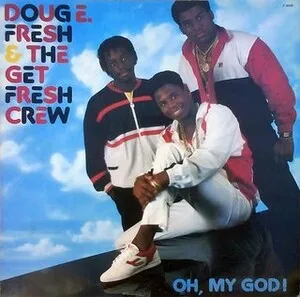
Oh My God!
Doug E. Fresh & The Get Fresh Crew
Mid-School Hip Hop
Hip Hop
Similar artists
1
/5
Various Artists
Afro-Funk
Alternative Rock
Ambient
5
/5
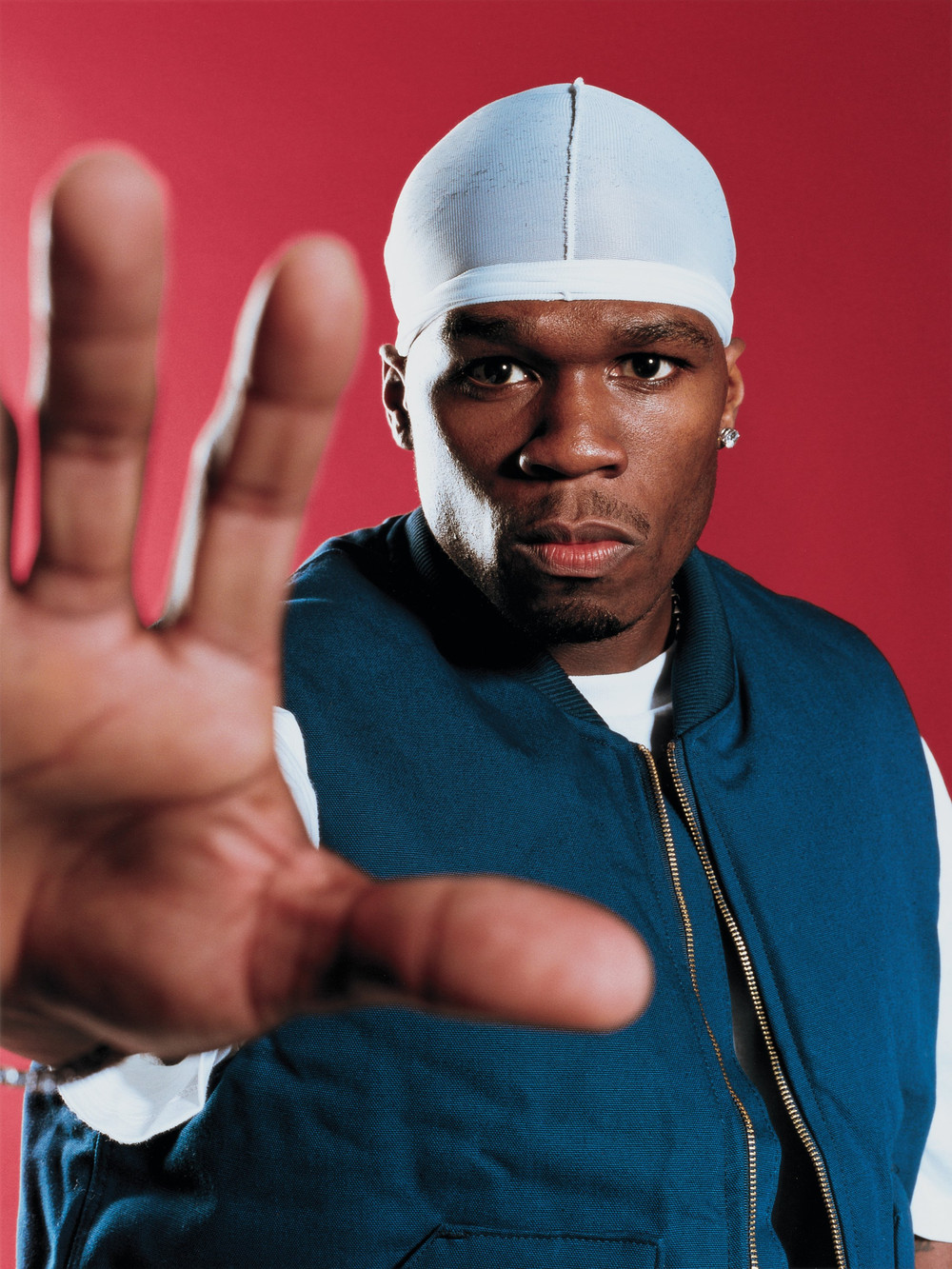
50 Cent
East Coast Hip Hop
Old School Hip Hop
Gangsta Rap
5
/5
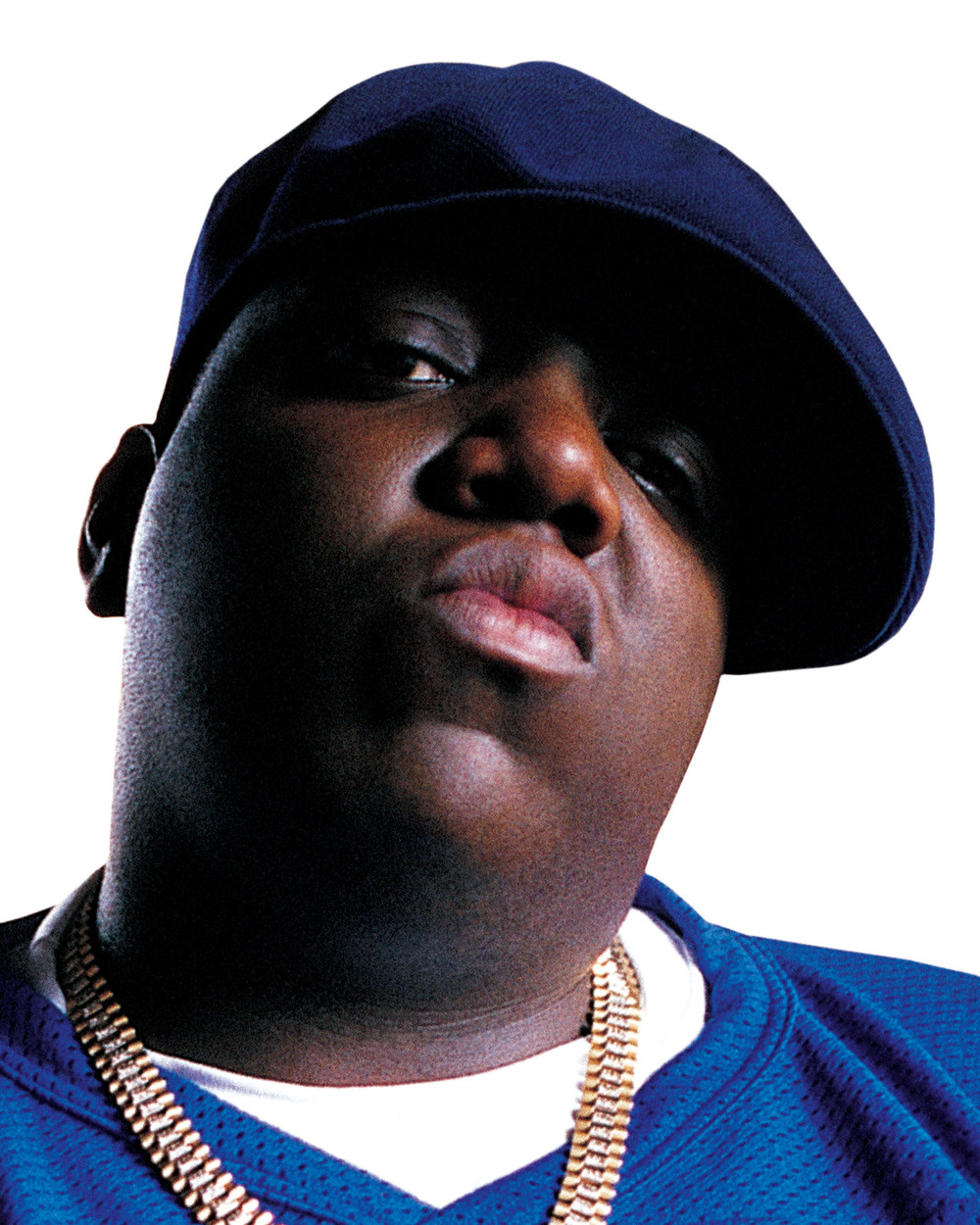
The Notorious B.I.G.
Hardcore Hip Hop
Hip Hop
East Coast Hip Hop
4
/5
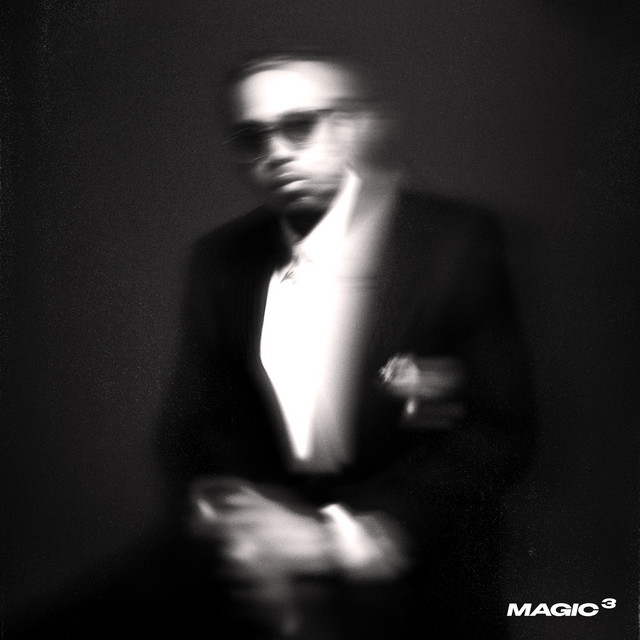
Nas
Hardcore Hip Hop
Hip Hop
East Coast Hip Hop
4
/5
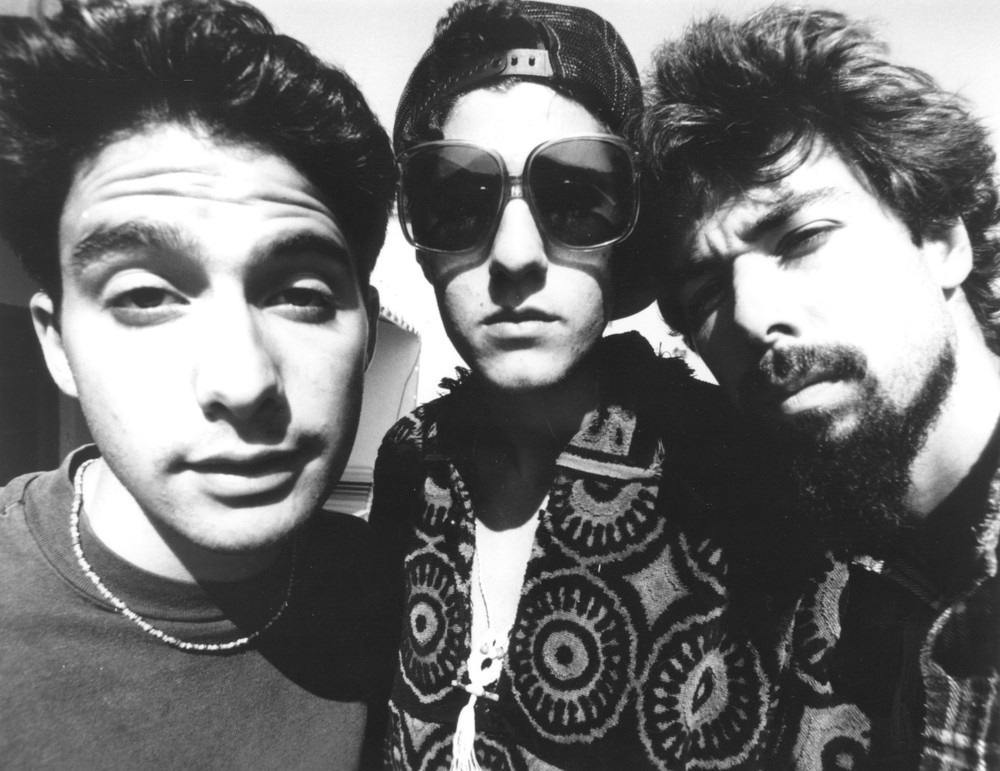
Beastie Boys
Golden Age Hip Hop
East Coast Hip Hop
Hip Hop
4
/5
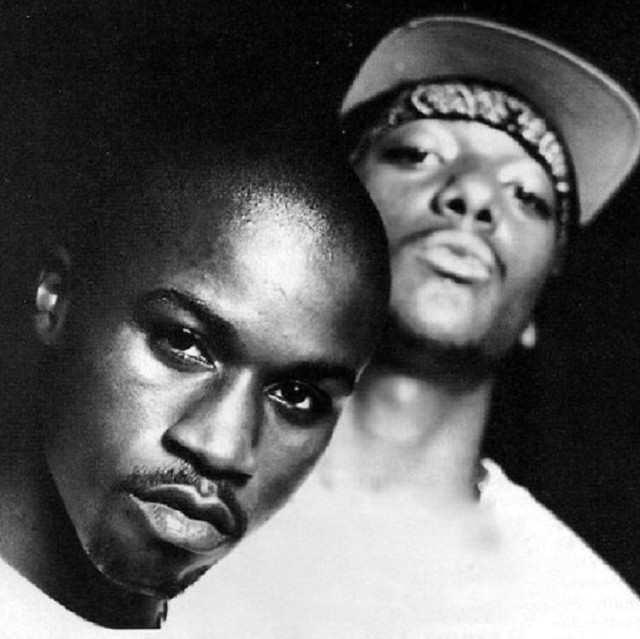
Mobb Deep
East Coast Hip Hop
Hardcore Hip Hop
Old School Hip Hop
4
/5
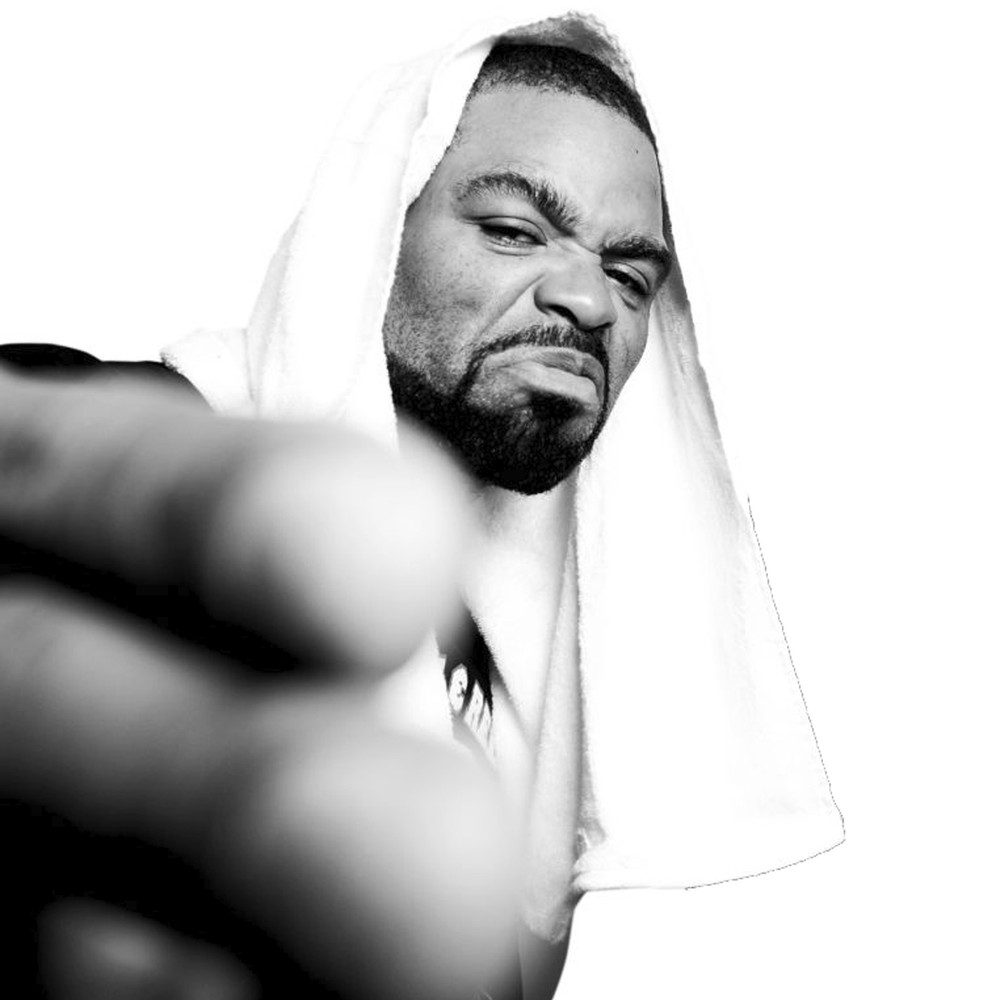
Method Man
East Coast Hip Hop
Hip Hop
Chill Abstract Hip Hop
4
/5
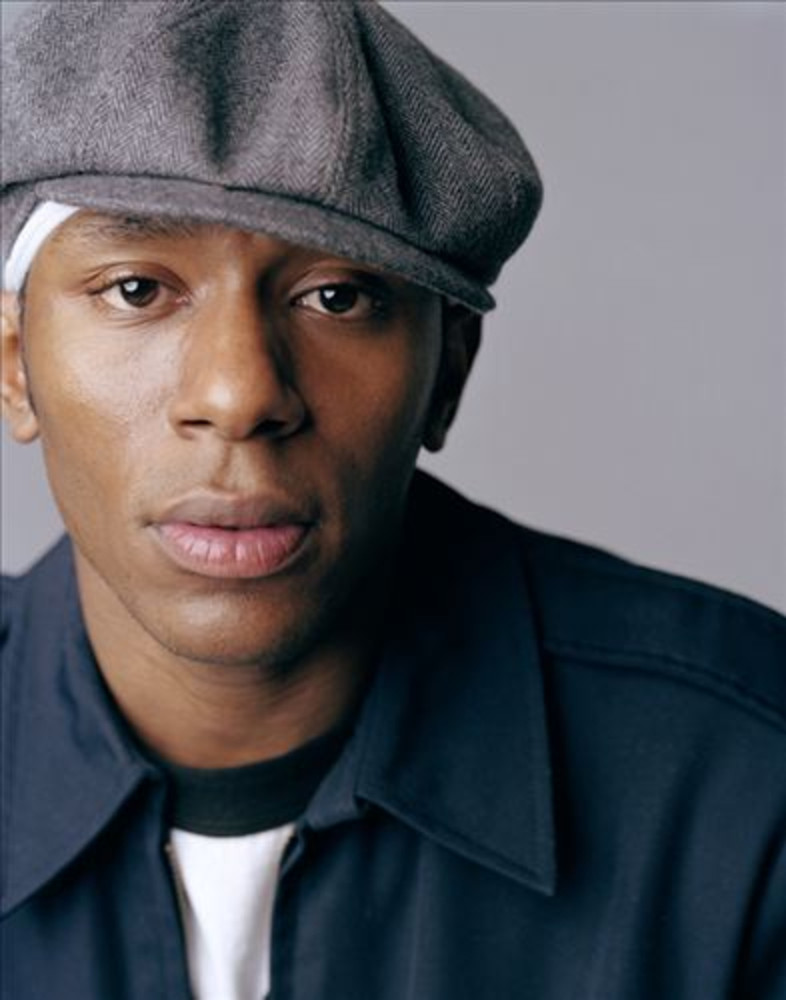
Mos Def
Conscious Hip Hop
East Coast Hip Hop
Hip Hop
4
/5
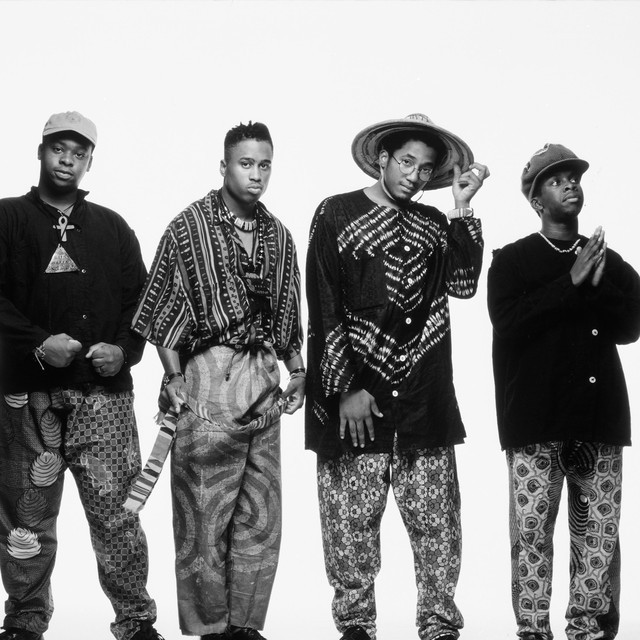
A Tribe Called Quest
Hip Hop
Jazz Rap
East Coast Hip Hop
4
/5
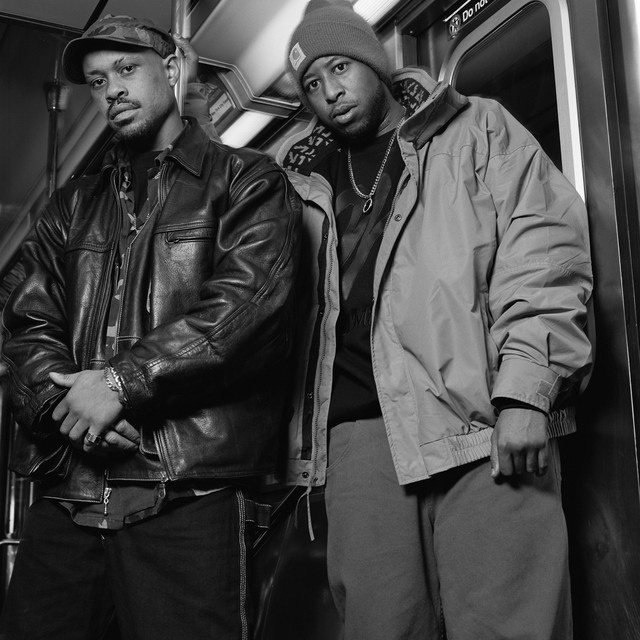
Gang Starr
Boom Bap
East Coast Hip Hop
Hip Hop
Download our mobile app
Get the Melodigging app and start digging for new genres on the go
Download on the App Store
Get it on Google Play
© 2026 Melodigging
Give feedback
Legal
Melodding was created as a tribute to
Every Noise at Once
, which inspired us to help curious minds keep digging into music's ever-evolving genres.