Genres
Artists
Albums
Make Music
Sign in
Sign in
Artists
Bolero
Artists
Bolero
Domingo Lugo
2009
·
1 album
Listen
1
/5
Genres
Musica Tradicional Cubana
Música tradicional cubana is the umbrella term for the island’s foundational popular and folk styles—son, trova/bolero, danzón, rumba, guajira, punto, and related forms—that crystallized from the late 19th century into the early 20th century. It fuses Spanish poetic song traditions and salon dances with West and Central African rhythmic systems and performance practices. Hallmark features include the clave (in 3–2 or 2–3 orientation), call-and-response coros, the syncopated habanera and cinquillo cells, and cyclical montuno vamps that open space for improvisation. Typical timbres come from the tres, Spanish guitar, laúd, bongó, maracas, claves, güiro, double bass or marímbula, and later trumpet or full charanga (flute and violins). Harmony often centers on diatonic I–IV–V motion with colorful secondary dominants and guajeo-based ostinati. Beyond dance and social function, the tradition carries Cuba’s oral poetry (like décima), neighborhood identity, and Afro-Cuban spirituality, forming the bedrock that later enabled mambo, cha-cha-chá, salsa, and Latin jazz.
Discover
Listen
Bolero Cubano
Bolero cubano is the Cuban song form that crystallized the Latin American idea of the bolero as a slow, romantic ballad for voice and guitar ensembles. Born in Santiago de Cuba among trovadores, it features a supple, danceable slow‑to‑medium tempo in 2/4 or 4/4, a characteristic bolero/habanera lilt (often drawing on the cinquillo), and tender, poetic lyrics about love, longing, and memory. Harmonically it favors rich, song‑like progressions (I–vi–ii–V, secondary dominants, modal mixture) that support lyrical melodic lines and expressive rubato phrasing. Typical performances range from intimate solo or duo guitar settings to male vocal trios and small salon groups with light percussion (claves, maracas), creating a refined, emotionally direct atmosphere suited for listening and close dancing.
Discover
Listen
Bolero
Bolero is both a Spanish dance-music form from the late 18th century and, later, a Cuban song style from the late 19th century. The Spanish bolero emerged as a moderately slow solo or partner dance in 3/4 time, shaped by Andalusian song-dance traditions. It typically features guitar accompaniment and castanets, and its sung texts often follow the seguidilla stanza pattern. In Cuba, bolero evolved into a romantic ballad—most often in 2/4 (later also felt in 4/4)—performed by singers, trios, and salon ensembles. Cuban bolero emphasizes intimate, lyrical melodies, guitar-led accompaniment (often with requinto), and gentle Afro-Caribbean rhythmic undercurrents (habanera feel, soft bongo, claves), becoming one of Latin America’s quintessential love-song forms.
Discover
Listen
Albums
2009
16 Exitos De El Rey Del Bolero
Domingo Lugo
Bolero Cubano
Musica Tradicional Cubana
Similar artists
5
/5
Luis Miguel
Bolero
Latin Pop
Mariachi
5
/5
Mon Laferte
Latin Alternative
Latin Pop
Latin Indie
5
/5
José José
Bolero
Canción Melódica
Latin Pop
5
/5
Juan Gabriel
Bolero
Mariachi
Canción Melódica
5
/5
Vicente Fernández
Bolero
Mariachi
Ranchera
4
/5
Alejandro Fernández
Ranchera
Latin
Mariachi
4
/5
Natalia Lafourcade
Bolero
Latin Folk
Latin
4
/5
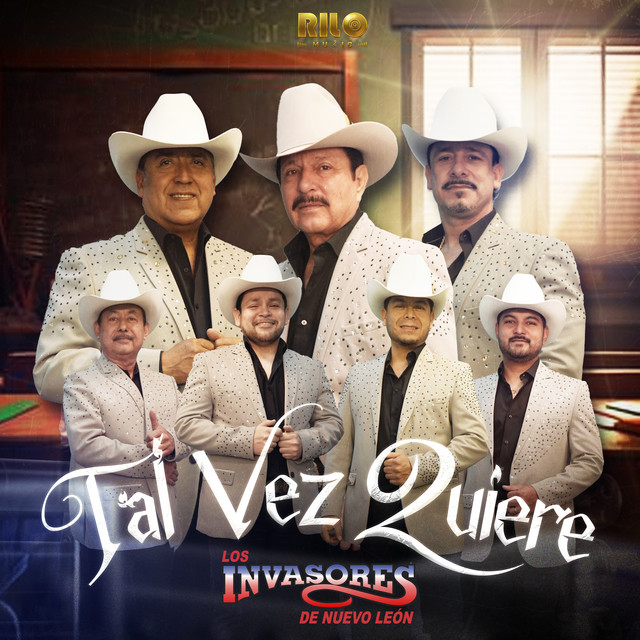
Los Invasores De Nuevo León
Corrido
Banda
Bolero
4
/5
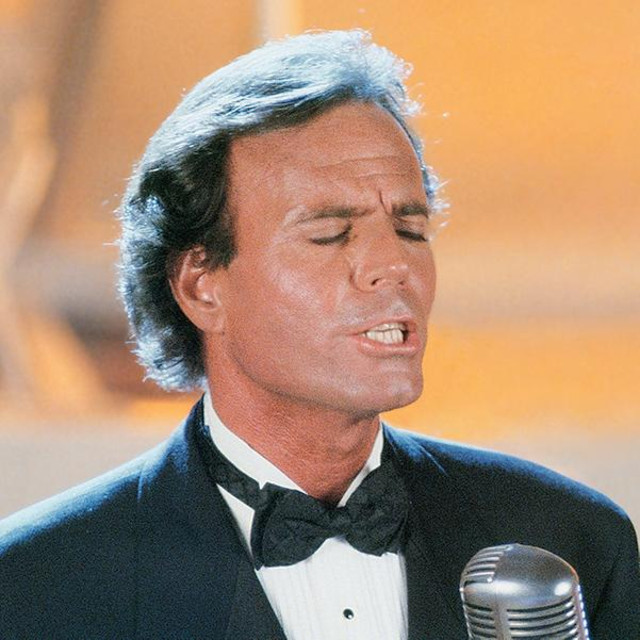
Julio Iglesias
Bolero
Chill Pop
Latin Afrobeat
4
/5
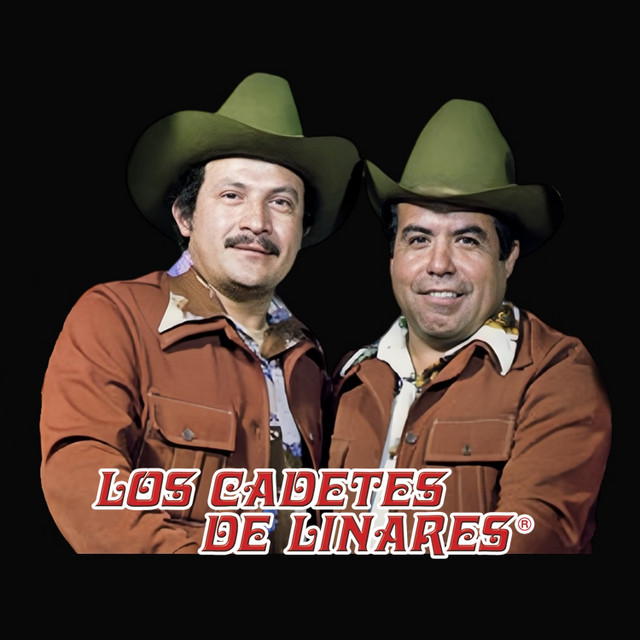
Los Cadetes De Linares
Corrido
Norteño
Latin
Download our mobile app
Get the Melodigging app and start digging for new genres on the go
Download on the App Store
Get it on Google Play
© 2026 Melodigging
Give feedback
Legal
Melodding was created as a tribute to
Every Noise at Once
, which inspired us to help curious minds keep digging into music's ever-evolving genres.