Genres
Artists
Albums
Make Music
Sign in
Sign in
Artists
Appalachian Folk
Artists
Appalachian Folk
Doc & Merle Watson
1971
·
1 album
Listen
2
/5
Genres
Trap Metal
Trap metal is a fusion of contemporary trap production and the aggression of metal and hardcore. It typically pairs distorted 808 bass, half‑time trap drums, and rapid hi‑hat rolls with screamed or harshly delivered vocals, down‑tuned guitar riffs (live or sampled), and industrial textures. Aesthetically, it emphasizes raw intensity, mosh‑pit energy, and abrasive sound design while retaining hip‑hop’s hook‑driven song structures and lyrical cadences. Themes often revolve around alienation, rage, nihilism, and personal struggle, delivered with a visceral, cathartic tone.
Discover
Listen
Southern Americana
Southern Americana is a regional strain of Americana rooted in the musical vernacular of the U.S. South. It blends songwriting-first aesthetics with the organic textures of country, folk, and blues, and the swagger of Southern rock. Typical recordings feature warm, lived‑in tones: Telecasters and acoustic guitars alongside pedal steel, Hammond organ, fiddle, mandolin, and harmony vocals. Lyrically it is grounded in place—small towns, highways, kudzu, pine line horizons—and in the South’s complicated histories of faith, work, love, and loss. The groove ranges from back‑porch shuffles and waltzes to swampy, slow‑burn rhythms, keeping the focus on stories and melody rather than studio gloss.
Discover
Listen
Americana
Americana is a contemporary umbrella term for U.S. roots music that blends folk, country, blues, bluegrass, gospel, and roots rock into a songwriter-centered, largely acoustic-leaning sound. Hallmarks include story-driven lyrics; warm, organic production; and traditional instrumentation such as acoustic guitar, mandolin, banjo, fiddle, harmonica, pedal steel, upright or electric bass, and restrained drums. Rhythms often draw on the train beat, shuffles, two-step, waltz time, and relaxed backbeats. Harmonically it favors diatonic progressions (I–IV–V, I–vi–IV–V), modal tinges (Mixolydian), and close vocal harmonies. Rather than a rigid style, Americana functions as a bridge among related roots traditions, emphasizing authenticity, regional imagery, and narrative songwriting over genre flashiness.
Discover
Listen
Newgrass
Newgrass (often synonymous with progressive bluegrass) is a modern, exploratory branch of bluegrass that blends the acoustic virtuosity and ensemble interplay of traditional bluegrass with the harmony, rhythm, and songcraft of rock, folk, and jazz. Typical newgrass ensembles keep the bluegrass core—mandolin, banjo, fiddle, acoustic guitar, and bass—while freely adding Dobro, percussion/drum set, piano, and occasional electric instruments. The style favors extended solos, odd meters, sophisticated harmonies, and reinterpretations of non-bluegrass repertoire alongside original songwriting. The spirit of newgrass is adventurous and improvisational: players stretch traditional forms, use complex chord colors and modal harmony, and treat arrangements as living frameworks for creative interplay.
Discover
Listen
Country Folk
Country folk is a hybrid of American country music and the acoustic, narrative-driven traditions of folk. It emphasizes intimate songwriting, uncluttered arrangements, and roots instrumentation while retaining the plainspoken storytelling and melodic directness of country. Compared with country rock, country folk is typically quieter, more acoustic, and less rhythm-section heavy. It foregrounds lyrics, fingerpicked guitar, and warm, organic timbres such as fiddle, pedal steel, banjo, and upright or lightly played electric bass. The result is a style that feels reflective, pastoral, and personal, with songs that travel easily between front-porch simplicity and studio polish.
Discover
Listen
Bluegrass
Bluegrass is a style of American roots music that coalesced in the Appalachian region in the 1940s around Bill Monroe and his Blue Grass Boys. It is defined by all‑acoustic instrumentation (typically fiddle, mandolin, 5‑string banjo, guitar, and upright bass, with dobro often added), virtuosic ensemble interplay, and a distinctive “high lonesome” lead vocal timbre supported by tight three‑part harmonies. Musically, bluegrass fuses African American blues and jazz phrasing with Anglo‑Celtic ballads and dance tunes. Hallmarks include driving tempos, syncopated 3‑finger banjo rolls (popularized by Earl Scruggs), off‑beat mandolin “chop” backbeats, boom‑chuck guitar rhythm, two‑beat bass, and alternating instrumental “breaks.” Repertoires mix breakdowns and fiddle tunes with narrative ballads, gospel numbers, and contemporary songwriter material.
Discover
Listen
Folk
Folk is a song-centered acoustic tradition rooted in community storytelling, everyday life, and social history. It emphasizes clear melodies, simple harmonies, and lyrics that foreground narrative, protest, and personal testimony. As a modern recorded genre, folk coalesced in the early-to-mid 20th century in the United States out of older ballad, work song, and rural dance traditions. It typically features acoustic instruments (guitar, banjo, fiddle, mandolin, harmonica), strophic song forms, and participatory singing (choruses, call-and-response).
Discover
Listen
Country Blues
Country blues—also called rural blues or folk blues—is the earliest widely documented form of the blues, rooted in the everyday music-making of African Americans in the rural American South. It typically features a solo singer accompanying themselves on acoustic guitar, with flexible time, expressive vocal delivery, and abundant use of blue notes. While 12‑bar structures are common, country blues often stretches or compresses measures to fit the lyric, making phrasing elastic and conversational. Regional flavors emerged—Delta (driving, droning thumb bass and slide), Piedmont (ragtime‑inflected fingerpicking), and Texas (looser phrasing and single‑string leads)—but all share storytelling lyrics about work, travel, love, hardship, and spiritual longing.
Discover
Listen
American Folk Music
American folk music is a broad family of traditional and vernacular musics that developed in the United States from the 19th century onward, drawing on British Isles balladry, African American spirituals and work songs, Native American traditions, and frontier songs. It is typically acoustic, emphasizing voice and narrative over virtuoso display. Common instruments include acoustic guitar, banjo, fiddle, harmonica, mandolin, dulcimer, and upright bass. Forms are often strophic with repeated refrains, and melodies frequently use pentatonic or modal scales (Mixolydian, Dorian). Lyrical themes range from love, labor, faith, migration, and rural life to topical protest and social justice. Regional styles—such as Appalachian ballads and string-band music, cowboy songs of the West, maritime shanties of New England, Cajun and Creole influences in Louisiana, and Midwestern and Southwestern dance tunes—sit under the umbrella of American folk, which later fed revivals and singer‑songwriter traditions.
Discover
Listen
Appalachian Folk
Appalachian folk is a traditional music of the Appalachian Mountains in the eastern United States, shaped by Scots-Irish and English balladry, African American musical practices (especially the banjo and work songs), and sacred singing traditions. It centers on narrative ballads, dance tunes (reels, breakdowns, waltzes), and hymns, typically performed with fiddle, clawhammer banjo, voice, guitar, Appalachian dulcimer, and sometimes autoharp or mandolin. Melodies often use modal scales (Dorian, Mixolydian, Aeolian) and pentatonic figures, with strong rhythmic drive for square dances and flatfooting, as well as unaccompanied or sparsely accompanied ballads. The style is both communal and intimate—suitable for porches, kitchen gatherings, church singings, and dance halls—and it has been a major foundation for later American roots genres like old-time, bluegrass, country, and Americana.
Discover
Listen
Show all 10 genres
Albums
1971
2
/5
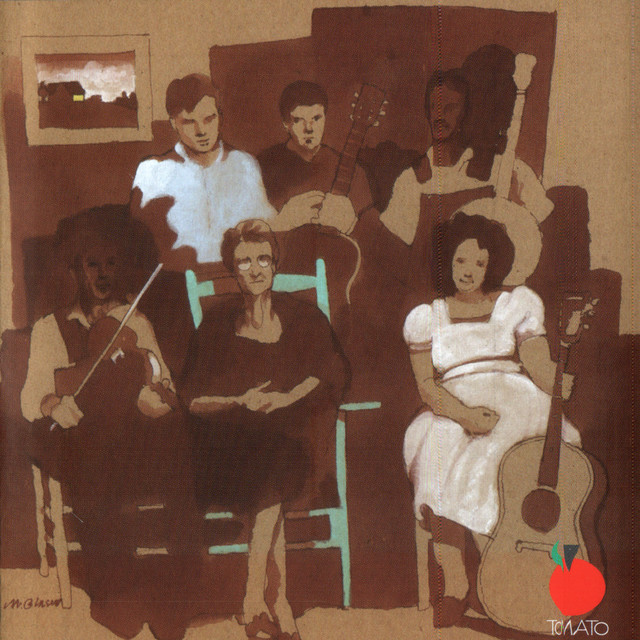
Ballads From Deep Gap
Doc & Merle Watson
Appalachian Folk
American Folk Music
Country Folk
Similar artists
3
/5
Doc Watson
Appalachian Folk
Bluegrass
Folk
3
/5
The Devil Makes Three
Bluegrass
Folk
Folk Punk
4
/5
Tyler Childers
Bluegrass
Country
Outlaw Country
1
/5
Various Artists
Afro-Funk
Alternative Rock
Ambient
2
/5
Dock Boggs
Appalachian Folk
Old-Time
Bluegrass
2
/5
Roscoe Holcomb
Appalachian Folk
Bluegrass
Folk
3
/5
Old Crow Medicine Show
Bluegrass
Folk
Old-Time
4
/5
Colter Wall
Americana
Bluegrass
Gothic Country
4
/5
The Steeldrivers
Bluegrass
Newgrass
Americana
3
/5
Ben Miller Band
Americana
Bluegrass
Blues Rock
Download our mobile app
Get the Melodigging app and start digging for new genres on the go
Download on the App Store
Get it on Google Play
© 2026 Melodigging
Give feedback
Legal
Melodding was created as a tribute to
Every Noise at Once
, which inspired us to help curious minds keep digging into music's ever-evolving genres.