Genres
Artists
Albums
Make Music
Sign in
Sign in
Artists
Hamburger Schule
Artists
Hamburger Schule
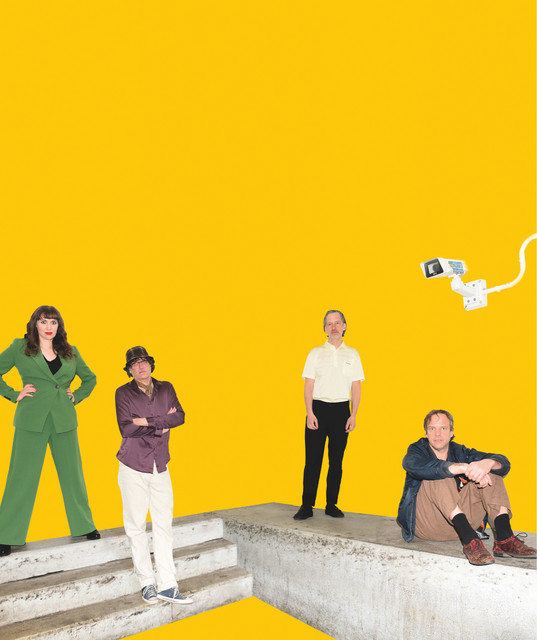
Die Goldenen Zitronen
1986–2001
·
4 albums
Listen
2
/5
Genres
Windmill Scene
The Windmill scene refers to the cluster of experimental indie, post‑punk, and art‑rock bands that coalesced around The Windmill pub venue in Brixton, South London. Emerging in the late 2010s, the scene is characterized by knotty rhythms, angular guitars, spoken‑sung or declamatory vocals, and frequent use of saxophone, violin, and synths. Bands associated with the scene blend post‑punk urgency with avant‑prog ambition, no wave abrasion, and jazz-informed spontaneity, often favoring raw, live‑in‑the‑room production aesthetics. Lyrically, the scene leans toward sardonic social observation, surreal storytelling, and metropolitan anxiety, while performances emphasize high energy, improvisational turns, and dynamic contrasts.
Discover
Listen
German Indie
German indie is a broad umbrella for independent rock and pop made in Germany, characterized by guitar-driven arrangements, literate German-language lyrics, and a strong DIY/label culture. It blends the energy of punk and post-punk with the melodic sensibility of indie pop and the textural curiosity of shoegaze and electronic music. Many acts place emphasis on everyday realism, social observation, and self-reflection, often delivered with irony or understated wit. The scene is closely tied to influential indie labels and collectives, and it values authenticity over glossy mainstream production.
Discover
Listen
Hamburger Schule
Hamburger Schule (Hamburg School) is a German music movement that emerged in the late 1980s and flourished through the early-to-mid 1990s. It takes the sharp, artful spirit of Neue Deutsche Welle and fuses it with indie rock, punk, grunge textures, and strains of experimental pop. What most defines the style—beyond its guitar-forward alternative sound—is its intellectually ambitious, often politically engaged, and literary German‑language lyricism. Bands used irony, social critique, and existential reflection to establish new ground for how the German language could function in pop and rock, pairing brainy content with hooky, guitar-based arrangements. While centered on Hamburg’s labels, venues, and DIY infrastructure, the term also came to describe a broader German‑language indie ecosystem that prized thought-provoking texts as much as it did raw energy and catchy choruses.
Discover
Listen
Neue Deutsche Welle
Neue Deutsche Welle (NDW) is a German-language movement of the early 1980s that fused punk and post-punk attitude with new wave and synth-pop sonics. It typically features minimalist arrangements, deadpan or Sprechgesang vocal delivery, and witty, satirical, or absurdist lyrics delivered in German. Musically, NDW leans on simple drum-machine patterns, dry basslines, bright analog synth hooks, and clipped, chorus-treated guitars. The tone oscillates between playful and sardonic, with catchy pop sensibilities rubbing against an art-school, experimental edge. While rooted in underground clubs, the genre briefly crossed into European and global pop charts with enduring hits in the mid-1980s.
Discover
Listen
Noise Rock
Noise rock is a subgenre of rock that deliberately embraces distortion, feedback, dissonance, and abrasive textures as primary musical materials rather than mere effects. It prioritizes timbre, volume, and sonic density over conventional melody and harmony, often using nonstandard tunings, prepared or detuned guitars, and extended techniques to generate harsh overtones and sheets of sound. Rhythm sections tend to be driving and repetitive, anchoring the chaos with motorik pulses, lurching grooves, or pummeling, minimal patterns. Vocals range from spoken and murmured to shouted and cathartic, with lyrics that skew cryptic, confrontational, or surreal. Aesthetically, noise rock traces a line from punk’s anti-virtuosity and DIY ethos through no wave’s iconoclasm and the avant-garde’s interest in sound-as-sound, yielding music that can be physically intense, psychologically unsettling, and artistically exploratory.
Discover
Listen
Punk
Punk is a fast, abrasive, and minimalist form of rock music built around short songs, stripped-down instrumentation, and confrontational, anti-establishment lyrics. It emphasizes DIY ethics, raw energy, and immediacy over virtuosity, often featuring distorted guitars, shouted or sneered vocals, and simple, catchy melodies. Typical songs run 1–3 minutes, sit around 140–200 BPM, use power chords and basic progressions (often I–IV–V), and favor live, unpolished production. Beyond sound, punk is a cultural movement encompassing zines, independent labels, political activism, and a fashion vocabulary of ripped clothes, leather, and safety pins.
Discover
Listen
Post-Punk
Post-punk is a broadly experimental strain of rock that emerged in the late 1970s as artists sought to push beyond the speed, simplicity, and orthodoxy of first-wave punk. It typically features angular, bass-forward grooves; jagged or minimal guitar lines; stark, spacious production; and an openness to dub, funk, electronic, and avant-garde ideas. Lyrics often examine alienation, urban decay, politics, and the inner life with artful or abstract delivery. A studio-as-instrument approach, emphasis on rhythm section interplay, and an appetite for non-rock textures (tape effects, drum machines, found sound, synths) distinguish the style. The result can be danceable yet tense, cerebral yet visceral, and emotionally restrained yet intensely expressive.
Discover
Listen
Punk Rock
Punk rock is a fast, raw, and stripped‑down form of rock music that foregrounds energy, attitude, and the DIY ethic over technical polish. Songs are short (often 90–180 seconds), in 4/4, and driven by down‑stroked power‑chord guitars, eighth‑note bass, and relentless backbeat drumming. Vocals are shouted or sneered rather than crooned, and lyrics are direct, often political, anti‑establishment, or wryly humorous. Production is intentionally unvarnished, prioritizing immediacy and live feel over studio perfection. Beyond sound, punk rock is a culture and practice: independent labels, fanzines, all‑ages venues, self‑organized tours, and a participatory scene that values inclusivity, affordability, and self‑reliance.
Discover
Listen
Garage Rock
Garage rock is a raw, energetic style of rock music that emerged in the mid-1960s from local scenes across North America. Typically performed by amateur or semi-professional teenage bands in basements and suburban garages, the sound is unpolished and immediate, favoring feel over finesse. Its hallmarks include distorted guitars, pounding drums, simple chord progressions (often I–IV–V), prominent Farfisa/Vox organ riffs, and shouted, attitude-heavy vocals. Songs are short, hooky, and driven by rhythmic urgency, with lyrics about teenage love, boredom, rebellion, and swagger. The style became a direct ancestor of proto-punk and punk rock, prized for its do-it-yourself spirit and visceral impact.
Discover
Listen
Rock
Rock is a broad family of popular music centered on amplified instruments, a strong backbeat, and song forms that foreground riffs, choruses, and anthemic hooks. Emerging from mid‑20th‑century American styles like rhythm & blues, country, and gospel-inflected rock and roll, rock quickly expanded in scope—absorbing folk, blues, and psychedelic ideas—while shaping global youth culture. Core sonic markers include electric guitar (often overdriven), electric bass, drum kit emphasizing beats 2 and 4, and emotive lead vocals. Rock songs commonly use verse–chorus structures, blues-derived harmony, and memorable melodic motifs, ranging from intimate ballads to high‑energy, stadium‑sized performances.
Discover
Listen
Experimental
Experimental music is an umbrella term for practices that prioritize exploration, process, and discovery over adherence to established genre norms. It embraces new sound sources, nonstandard tuning systems, indeterminacy and chance operations, graphic and open-form scores, extended techniques, and technology-led sound design (tape, electronics, computers, and live processing). Rather than a single style, it is a methodology and ethos: testing hypotheses about sound, structure, and performance, often blurring boundaries between composition, improvisation, sound art, and performance art. Listeners can expect unfamiliar timbres, unusual forms, and an emphasis on how music is made as much as the resulting sound.
Discover
Listen
Show all 11 genres
Albums
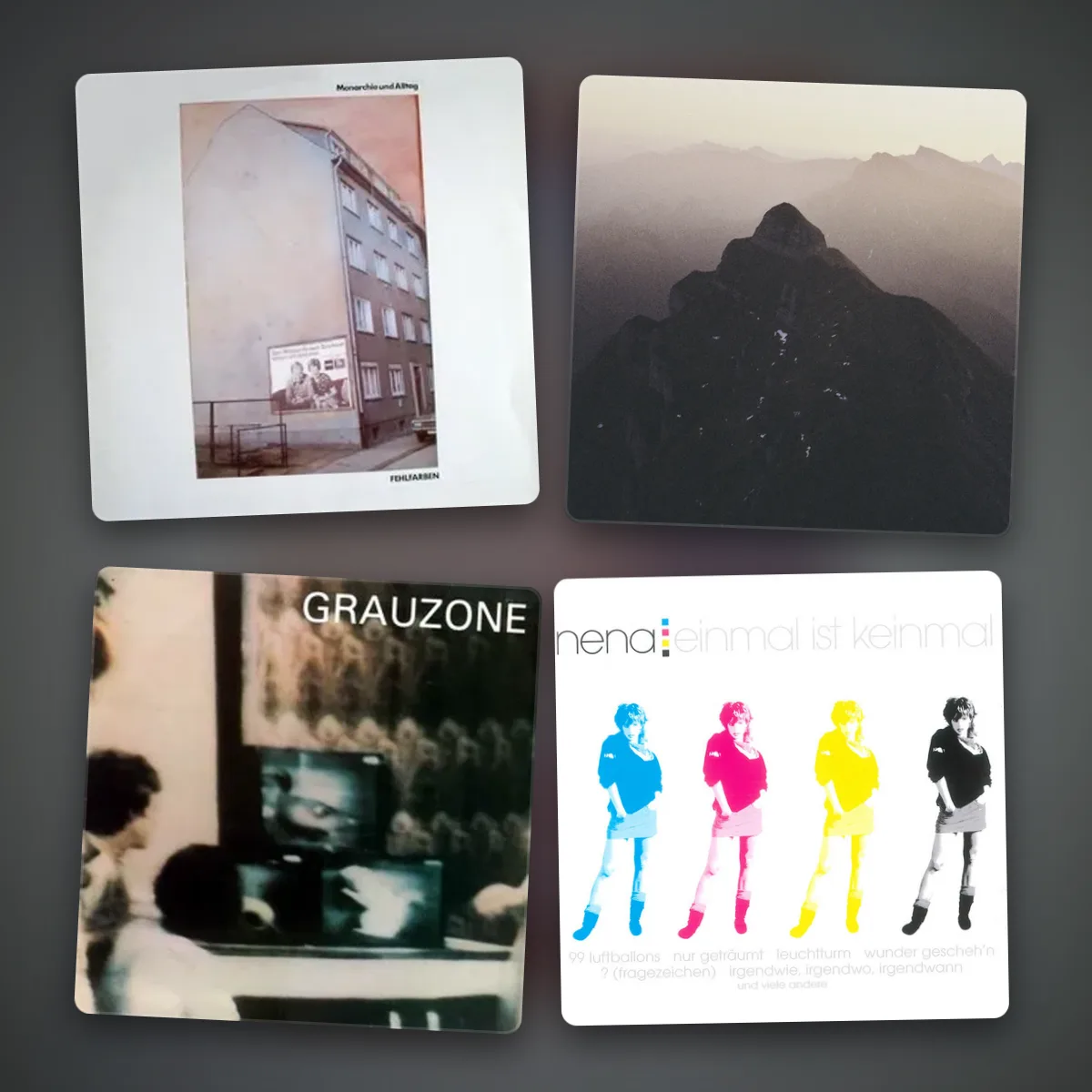
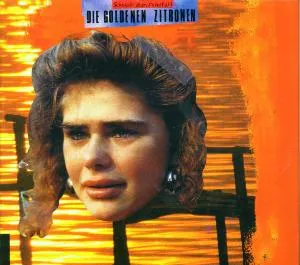
2001
1
/5
Schafott zum Fahrstuhl
Die Goldenen Zitronen
Hamburger Schule
1996
1
/5
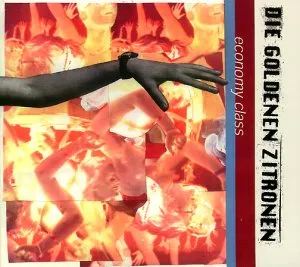
Economy Class
Die Goldenen Zitronen
Hamburger Schule
Experimental
Punk
1994
1
/5
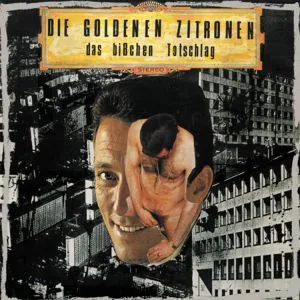
Das bißchen Totschlag
Die Goldenen Zitronen
Hamburger Schule
Garage Rock
Punk
1986
2
/5
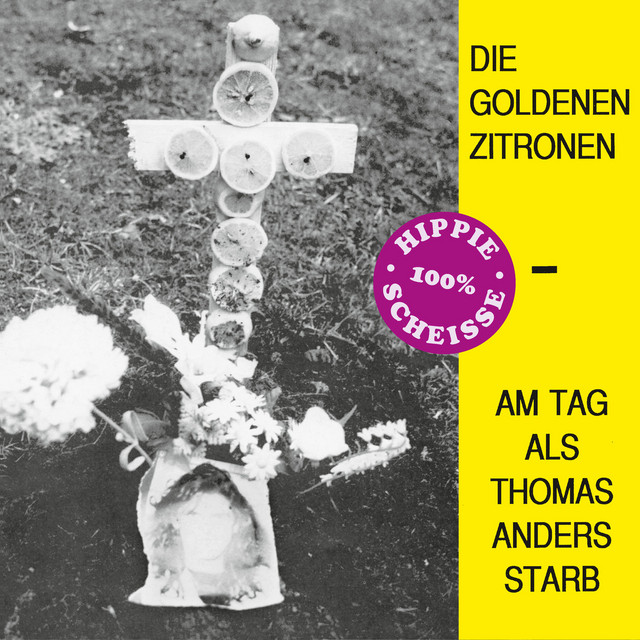
Am Tag als Thomas Anders starb
Die Goldenen Zitronen
Hamburger Schule
Similar artists
2
/5
Die Sterne
Hamburger Schule
Indie Rock
Rock
2
/5
Ton Steine Scherben
Deutschrock
German Indie
Krautrock
3
/5
Tocotronic
Hamburger Schule
Rock
Indie Rock
2
/5
kettcar
Hamburger Schule
Indie Rock
Rock
2
/5
Tomte
Hamburger Schule
German Indie
German Indie Pop
2
/5
Die Höchste Eisenbahn
Hamburger Schule
German Indie
German Indie Pop
1
/5
Various Artists
Afro-Funk
Alternative Rock
Ambient
1
/5
Superpunk
Hamburger Schule
German Indie
Indie Rock
1
/5
Die Regierung
German Indie
Hamburger Schule
Neue Deutsche Welle
4
/5
Wir sind Helden
Covertronica
German Indie
German Indie Pop
Download our mobile app
Get the Melodigging app and start digging for new genres on the go
Download on the App Store
Get it on Google Play
© 2026 Melodigging
Give feedback
Legal
Melodding was created as a tribute to
Every Noise at Once
, which inspired us to help curious minds keep digging into music's ever-evolving genres.