Genres
Artists
Albums
Make Music
Sign in
Sign in
Artists
Hamburger Schule
Artists
Hamburger Schule
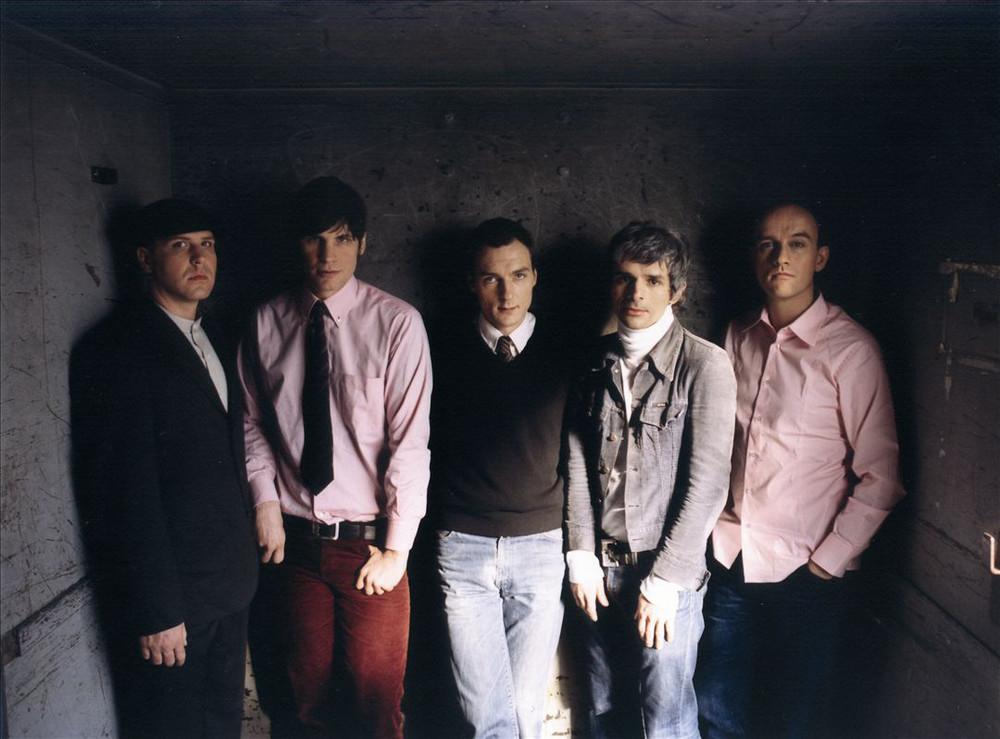
Tomte
2000–2008
·
4 albums
Listen
2
/5
Genres
German Indie
German indie is a broad umbrella for independent rock and pop made in Germany, characterized by guitar-driven arrangements, literate German-language lyrics, and a strong DIY/label culture. It blends the energy of punk and post-punk with the melodic sensibility of indie pop and the textural curiosity of shoegaze and electronic music. Many acts place emphasis on everyday realism, social observation, and self-reflection, often delivered with irony or understated wit. The scene is closely tied to influential indie labels and collectives, and it values authenticity over glossy mainstream production.
Discover
Listen
German Indie Pop
German indie pop blends the melodic sensibilities and DIY ethos of indie pop with German-language lyricism and the legacy of German alternative movements. It typically features jangly or clean electric guitars, warm bass lines, understated drums, and tasteful use of synthesizers. Lyric themes often focus on everyday realism, wry social observation, love, and identity, delivered in a conversational, literate tone. Production ranges from lo‑fi intimacy to polished but restrained clarity, prioritizing songcraft and lyrical content over showy virtuosity.
Discover
Listen
Hamburger Schule
Hamburger Schule (Hamburg School) is a German music movement that emerged in the late 1980s and flourished through the early-to-mid 1990s. It takes the sharp, artful spirit of Neue Deutsche Welle and fuses it with indie rock, punk, grunge textures, and strains of experimental pop. What most defines the style—beyond its guitar-forward alternative sound—is its intellectually ambitious, often politically engaged, and literary German‑language lyricism. Bands used irony, social critique, and existential reflection to establish new ground for how the German language could function in pop and rock, pairing brainy content with hooky, guitar-based arrangements. While centered on Hamburg’s labels, venues, and DIY infrastructure, the term also came to describe a broader German‑language indie ecosystem that prized thought-provoking texts as much as it did raw energy and catchy choruses.
Discover
Listen
Indie Rock
Indie rock is a subgenre of rock and a branch of alternative rock that coalesced in the early–mid 1980s around independent labels and DIY practices in the United Kingdom, the United States, and New Zealand. Defined less by a single sound than by an ethos, indie rock favors non‑mainstream approaches, self‑recording and small‑label distribution, and an interest in pop‑informed melody and eclectic experimentation. Hallmarks include jangly or fuzzed guitars, intimate or deadpan vocals, off‑kilter song structures, and production that often preserves a raw, “authentic” feel rather than glossy studio polish.
Discover
Listen
Indie Pop
Indie pop is a melodic, DIY-rooted branch of alternative music that blends the immediacy of pop songwriting with the independence and aesthetics of underground scenes. It typically features jangly, clean-toned guitars, tuneful bass lines, compact song structures, and intimate, literate lyrics that balance sweetness with subtle melancholy. The sound often leans toward bright chord progressions, earworm choruses, and understated production, favoring charm and personality over gloss. Culturally, indie pop is tied to small labels, fanzines, and community radio, with influential scenes and imprints such as Postcard, Sarah, and Creation laying the groundwork for its global diffusion.
Discover
Listen
German Pop
German pop (Deutschpop) is mainstream popular music produced in Germany and/or performed in the German language, blending international pop conventions with local melodic sensibilities and lyrical themes. It emphasizes memorable hooks, clean and modern production, and relatable storytelling about love, everyday life, and personal identity. While its roots intersect with Schlager and beat music, contemporary German pop also borrows from new wave/synth-pop, rock, and, more recently, hip-hop and electronic dance music. The style ranges from acoustic singer‑songwriter ballads to glossy, radio‑ready anthems and danceable tracks, unified by strong choruses, clear diction, and accessible, emotive lyrics.
Discover
Listen
Rock
Rock is a broad family of popular music centered on amplified instruments, a strong backbeat, and song forms that foreground riffs, choruses, and anthemic hooks. Emerging from mid‑20th‑century American styles like rhythm & blues, country, and gospel-inflected rock and roll, rock quickly expanded in scope—absorbing folk, blues, and psychedelic ideas—while shaping global youth culture. Core sonic markers include electric guitar (often overdriven), electric bass, drum kit emphasizing beats 2 and 4, and emotive lead vocals. Rock songs commonly use verse–chorus structures, blues-derived harmony, and memorable melodic motifs, ranging from intimate ballads to high‑energy, stadium‑sized performances.
Discover
Listen
Show all 7 genres
Albums
2008
1
/5
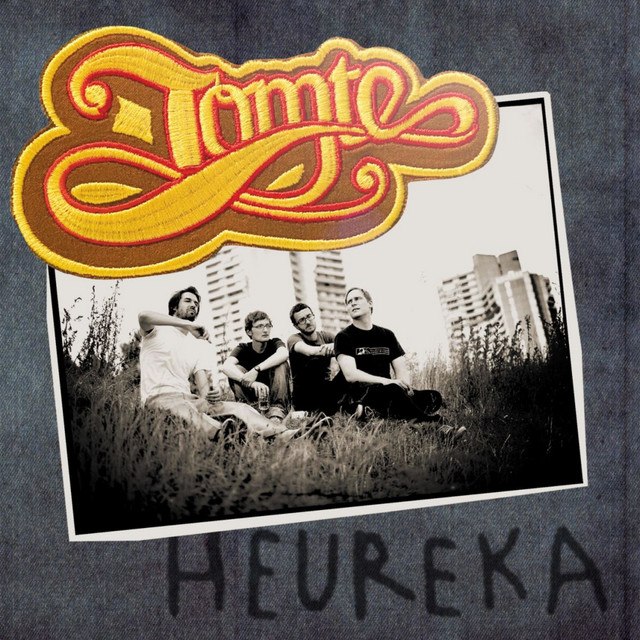
Heureka
Tomte
Hamburger Schule
2006
2
/5
Buchstaben über der Stadt
Tomte
Hamburger Schule
Indie Pop
Indie Rock
2003
2
/5
Hinter all diesen Fenstern
Tomte
Hamburger Schule
Indie Rock
Rock
2000
2
/5
Eine sonnige Nacht
Tomte
Hamburger Schule
Similar artists
3
/5
Tocotronic
Hamburger Schule
Rock
Indie Rock
2
/5
Die Sterne
Hamburger Schule
Indie Rock
Rock
2
/5
kettcar
Hamburger Schule
Indie Rock
Rock
2
/5
Die Höchste Eisenbahn
Hamburger Schule
German Indie
German Indie Pop
1
/5
Superpunk
Hamburger Schule
German Indie
Indie Rock
4
/5
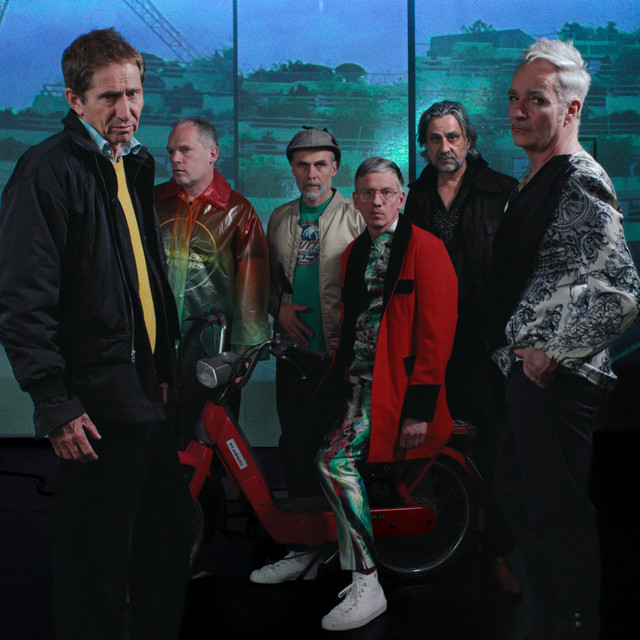
Wir sind Helden
Covertronica
German Indie
German Indie Pop
2
/5
Die Goldenen Zitronen
Hamburger Schule
Punk
German Indie
2
/5
Blumfeld
Hamburger Schule
German Indie
German Indie Pop
1
/5
Kante
Hamburger Schule
German Indie
German Indie Pop
1
/5
Various Artists
Afro-Funk
Alternative Rock
Ambient
Download our mobile app
Get the Melodigging app and start digging for new genres on the go
Download on the App Store
Get it on Google Play
© 2026 Melodigging
Give feedback
Legal
Melodding was created as a tribute to
Every Noise at Once
, which inspired us to help curious minds keep digging into music's ever-evolving genres.