Genres
Artists
Albums
Make Music
Sign in
Sign in
Artists
Deutschrock
Artists
Deutschrock
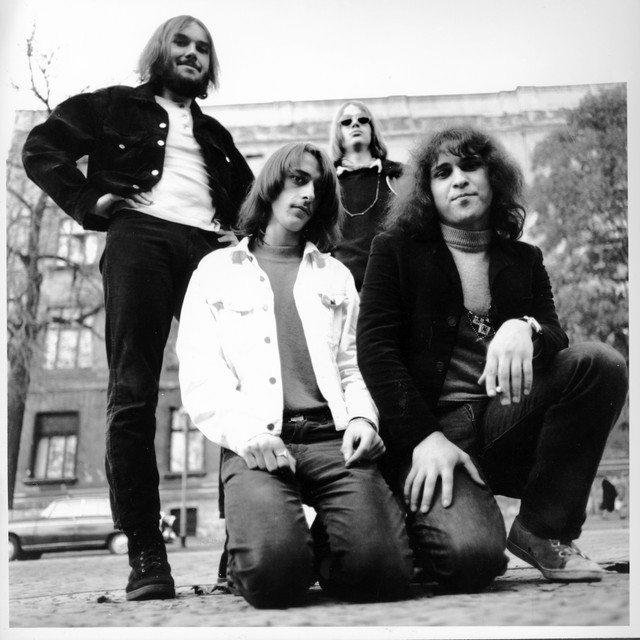
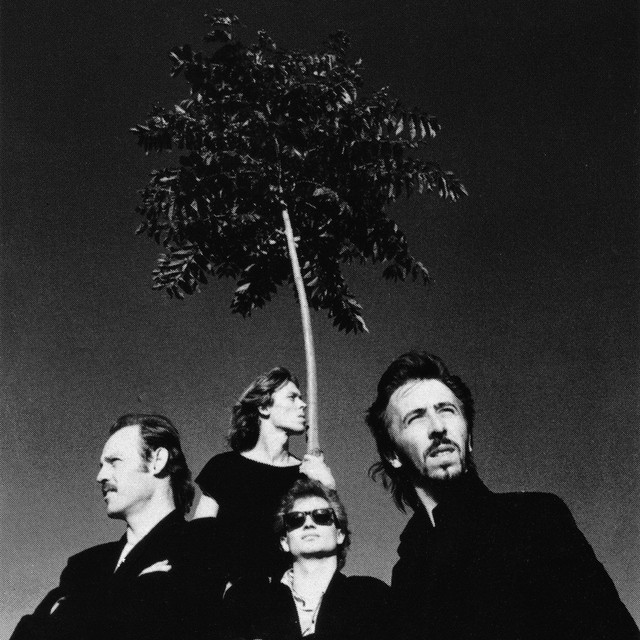
Ton Steine Scherben
1971–1981
·
4 albums
Listen
2
/5
Genres
German Indie
German indie is a broad umbrella for independent rock and pop made in Germany, characterized by guitar-driven arrangements, literate German-language lyrics, and a strong DIY/label culture. It blends the energy of punk and post-punk with the melodic sensibility of indie pop and the textural curiosity of shoegaze and electronic music. Many acts place emphasis on everyday realism, social observation, and self-reflection, often delivered with irony or understated wit. The scene is closely tied to influential indie labels and collectives, and it values authenticity over glossy mainstream production.
Discover
Listen
Neue Deutsche Welle
Neue Deutsche Welle (NDW) is a German-language movement of the early 1980s that fused punk and post-punk attitude with new wave and synth-pop sonics. It typically features minimalist arrangements, deadpan or Sprechgesang vocal delivery, and witty, satirical, or absurdist lyrics delivered in German. Musically, NDW leans on simple drum-machine patterns, dry basslines, bright analog synth hooks, and clipped, chorus-treated guitars. The tone oscillates between playful and sardonic, with catchy pop sensibilities rubbing against an art-school, experimental edge. While rooted in underground clubs, the genre briefly crossed into European and global pop charts with enduring hits in the mid-1980s.
Discover
Listen
Alternative Rock
Alternative rock is a broad umbrella for guitar-based rock that emerged from the independent and college-radio scenes as a counterpoint to mainstream, commercial rock. It blends the energy and ethos of punk with the textural and songwriting experiments of post-punk, new wave, jangle pop, and noise rock, often foregrounding introspective or socially aware lyrics. Across its many strains—from the melodic minimalism of college rock to the loud-quiet-loud dynamics of grunge and the artful experimentation of Radiohead-era modernism—alternative rock prioritizes authenticity, sonic individuality, and a do-it-yourself approach. Its sound ranges from chiming, chorus-laden clean guitars to abrasive distortion and feedback, supported by straightforward rock rhythms or off-kilter grooves, and production that can be either raw and live-sounding or polished yet unconventional.
Discover
Listen
Deutschrock
Deutschrock is German‑language rock music that foregrounds clear, intelligible lyrics and accessible, guitar‑driven songwriting. While it draws on international rock traditions, its defining trait is the use of German as a lyrical vehicle for everyday stories, social commentary, and personal reflection. Musically, it tends to favor straightforward song forms (verse–chorus), memorable hooks, and mid‑tempo grooves. The palette ranges from blues‑rock and classic rock to pop‑rock and punk‑inflected energy, with keyboards often adding harmonic depth. In popular usage since the 2000s, “Deutschrock” can also refer to a harder, stadium‑oriented branch with an anthemic, working‑class aesthetic. Deutschrock is distinct from Krautrock (which is generally more experimental and often English‑language or instrumental) and from Neue Deutsche Welle (NDW), which brought a quirkier, new‑wave sensibility. It sits as the mainstream and singer‑songwriter‑friendly face of German rock across decades.
Discover
Listen
Punk
Punk is a fast, abrasive, and minimalist form of rock music built around short songs, stripped-down instrumentation, and confrontational, anti-establishment lyrics. It emphasizes DIY ethics, raw energy, and immediacy over virtuosity, often featuring distorted guitars, shouted or sneered vocals, and simple, catchy melodies. Typical songs run 1–3 minutes, sit around 140–200 BPM, use power chords and basic progressions (often I–IV–V), and favor live, unpolished production. Beyond sound, punk is a cultural movement encompassing zines, independent labels, political activism, and a fashion vocabulary of ripped clothes, leather, and safety pins.
Discover
Listen
Proto-Punk
Proto-punk is a catch-all term for the raw, stripped-down rock that immediately preceded and inspired punk rock. It favors abrasive guitar tones, primitive drumming, short song forms, shouted or deadpan vocals, and lyrics steeped in alienation, anti-establishment anger, and street-level realism. Emerging from 1960s garage rock, avant-leaning art rock, and hard-edged rhythm & blues, proto-punk connected the chaos of early rock and roll with the urgency of the 1970s punk explosion. Its sound ranges from the Detroit ferocity of The Stooges and MC5 to the arty minimalism and noise experiments of The Velvet Underground.
Discover
Listen
Krautrock
Krautrock is an experimental form of rock that emerged in late-1960s West Germany, characterized by hypnotic repetition, long-form structures, and a forward-looking embrace of electronics and studio experimentation. It typically features a steady, driving 4/4 “motorik” beat, circular bass ostinatos, sparse harmonic movement, and textural layering that draws from minimalism, free improvisation, and avant-garde composition. Rather than virtuosic solos, the emphasis is on collective groove, trance-inducing momentum, and timbral exploration. The sound ranges from raw, percussive jams to spacious, cosmic electronics, often eschewing conventional Anglo-American blues forms in favor of a distinctly European modernist aesthetic.
Discover
Listen
Garage Rock
Garage rock is a raw, energetic style of rock music that emerged in the mid-1960s from local scenes across North America. Typically performed by amateur or semi-professional teenage bands in basements and suburban garages, the sound is unpolished and immediate, favoring feel over finesse. Its hallmarks include distorted guitars, pounding drums, simple chord progressions (often I–IV–V), prominent Farfisa/Vox organ riffs, and shouted, attitude-heavy vocals. Songs are short, hooky, and driven by rhythmic urgency, with lyrics about teenage love, boredom, rebellion, and swagger. The style became a direct ancestor of proto-punk and punk rock, prized for its do-it-yourself spirit and visceral impact.
Discover
Listen
Rock
Rock is a broad family of popular music centered on amplified instruments, a strong backbeat, and song forms that foreground riffs, choruses, and anthemic hooks. Emerging from mid‑20th‑century American styles like rhythm & blues, country, and gospel-inflected rock and roll, rock quickly expanded in scope—absorbing folk, blues, and psychedelic ideas—while shaping global youth culture. Core sonic markers include electric guitar (often overdriven), electric bass, drum kit emphasizing beats 2 and 4, and emotive lead vocals. Rock songs commonly use verse–chorus structures, blues-derived harmony, and memorable melodic motifs, ranging from intimate ballads to high‑energy, stadium‑sized performances.
Discover
Listen
Show all 9 genres
Albums
1981
2
/5
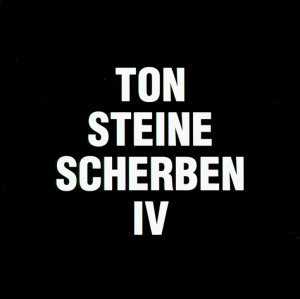
IV
Ton Steine Scherben
Deutschrock
1975
3
/5
Wenn die Nacht am tiefsten...
Ton Steine Scherben
Deutschrock
Alternative Rock
Punk
1971
2
/5
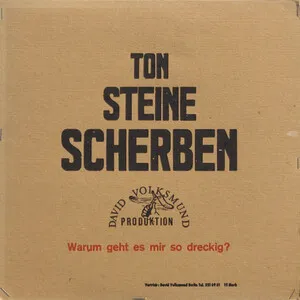
Warum geht es mir so dreckig?
Ton Steine Scherben
Deutschrock
Proto-Punk
Garage Rock
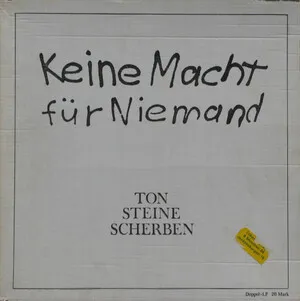
Keine Macht für Niemand
Ton Steine Scherben
Deutschrock
Similar artists
3
/5
Achim Reichel
Krautrock
Neue Deutsche Welle
Rock
2
/5
Das Panik-Orchester
German Pop
Krautrock
Neue Deutsche Welle
1
/5
Das Panik-Orchester
Krautrock
Neue Deutsche Welle
Classic Rock
4
/5
Herbert Grönemeyer
Liedermacher
Neue Deutsche Welle
Deutschrock
3
/5
CAN
Krautrock
No Wave
Experimental Rock
1
/5
Various Artists
Afro-Funk
Alternative Rock
Ambient
3
/5
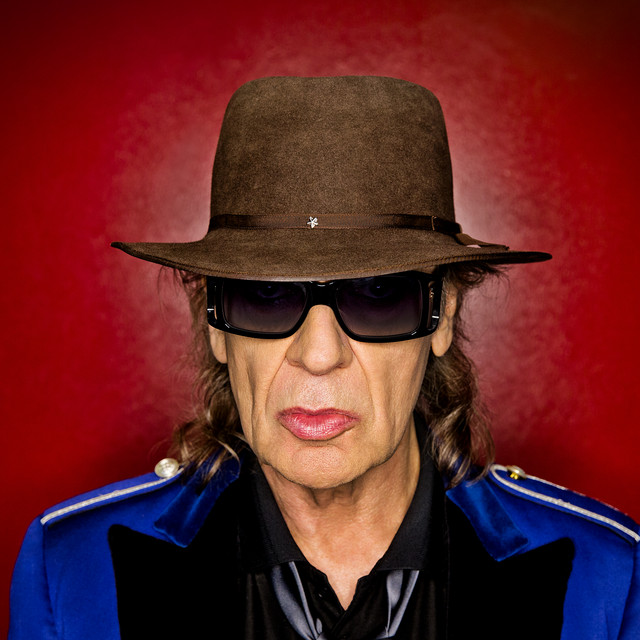
Udo Lindenberg
Deutschrock
Classic Rock
German Pop
3
/5
Spliff
Neue Deutsche Welle
Deutschrock
Italo Dance
3
/5
Hawkwind
Canterbury Scene
Space Rock
Hard Rock
2
/5
NEU!
Krautrock
Ambient
Düsseldorf School
Download our mobile app
Get the Melodigging app and start digging for new genres on the go
Download on the App Store
Get it on Google Play
© 2026 Melodigging
Give feedback
Legal
Melodding was created as a tribute to
Every Noise at Once
, which inspired us to help curious minds keep digging into music's ever-evolving genres.