Genres
Artists
Albums
Make Music
Sign in
Sign in
Artists
Gallican Chant
Artists
Gallican Chant
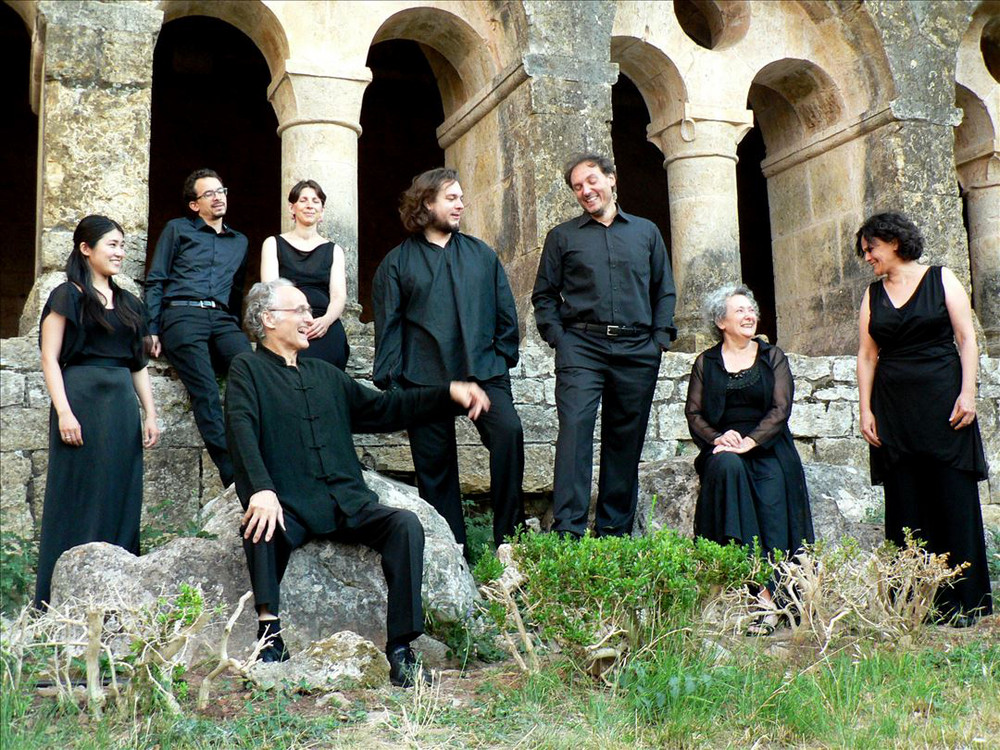
Deller Consort
2000
·
3 albums
Listen
Genres
Chamber Orchestra
A chamber orchestra is a small, flexible orchestra typically ranging from about 15 to 45 musicians. It preserves the clarity and intimacy of chamber music while retaining orchestral color and range. Compared with a full symphony orchestra, it uses reduced forces—often single or paired winds and brass, a compact string body, and limited percussion—producing a transparent, agile sound. Chamber orchestras perform repertoire from the Baroque and Classical eras through to contemporary works, and they frequently revive older pieces with historically informed approaches. The format lends itself to conductor-led or conductorless performance, encouraging close ensemble listening, elegant phrasing, and finely detailed articulation.
Discover
Listen
Classical
Classical music is the notated art-music tradition of Europe and its global descendants, characterized by durable forms, carefully codified harmony and counterpoint, and a literate score-based practice. The term “classical” can refer broadly to the entire Western art-music lineage from the Medieval era to today, not just the Classical period (c. 1750s–1820s). It privileges long-form structures (such as symphonies, sonatas, concertos, masses, and operas), functional or modal harmony, thematic development, and timbral nuance across ensembles ranging from solo instruments to full orchestras and choirs. Across centuries, the style evolved from chant and modal polyphony to tonal harmony, and later to post-tonal idioms, while maintaining a shared emphasis on written notation, performance practice, and craft.
Discover
Listen
Gregorian Chant
Gregorian chant is the central Western tradition of plainchant: a monophonic, unaccompanied sacred song in Latin (and occasionally Greek) used in the Roman Catholic liturgy. It employs free rhythm guided by the prosody of the text rather than by strict meter, and is sung in unison by clerics or scholas. Its melodies are organized by the system of eight church modes, with characteristic finalis (final), tenor/reciting tones, and melodic formulas. Repertoires include the Proper and Ordinary of the Mass (e.g., Introit, Gradual, Alleluia, Offertory, Communion, Kyrie, Gloria, Credo, Sanctus, Agnus Dei) and the Divine Office (e.g., Antiphons, Responsories, Hymns, Psalms). Although legend credits Pope Gregory I, modern scholarship sees Gregorian chant as a Carolingian synthesis of Old Roman and Gallican chants, standardized across Frankish realms and later the broader Latin West.
Discover
Listen
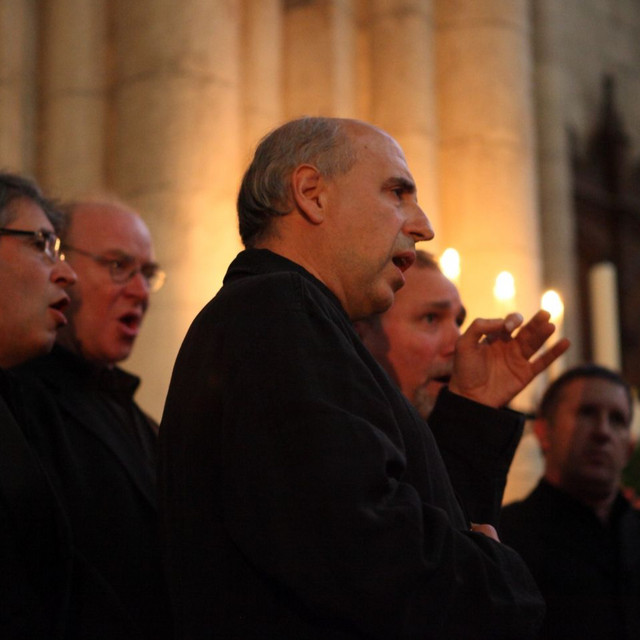
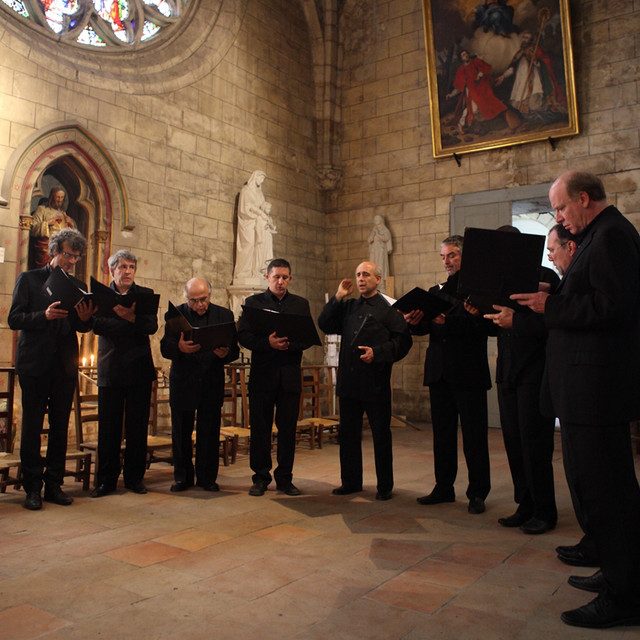
Gallican Chant
Gallican chant is the body of liturgical plainchant associated with the Gallican rite practiced in early medieval Gaul (roughly modern France and adjacent regions) before the Carolingian reforms. It is monophonic, unaccompanied sacred vocal music in Latin, intended for the Mass and Office. While only fragmentary musical sources survive, contemporary accounts and later comparative musicology suggest a highly ornate, melismatic style with certain Eastern (Byzantine) inflections and distinctive local liturgical usages. Gallican chant is historically important because its encounter and fusion with imported Roman chant in the late 8th–9th centuries helped give rise to the repertory we now call Gregorian chant.
Discover
Listen
Mozarabic Chant
Mozarabic chant (also called Old Hispanic or Visigothic chant) is a monophonic, unaccompanied liturgical repertory that served the Old Hispanic (Mozarabic) rite of Christian worship in medieval Iberia. It features free, speech‑like rhythm, modal melodic formulas, and a mix of syllabic, neumatic, and highly melismatic passages tailored to Latin liturgical prose and poetry. Its melodies were preserved in non‑staff neumes (Visigothic notation), which transmit contour and nuance but originally lacked precise pitch, making modern performance partly reconstructive. The sound is austere yet ornate, with solo cantors and a small schola alternating antiphons, psalm verses, and long responsories within a distinctive Iberian liturgical calendar and order.
Discover
Listen
Albums
2000
1
/5
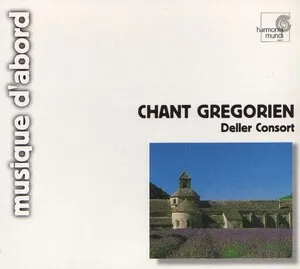
Chant Grégorien
Deller Consort
Gregorian Chant
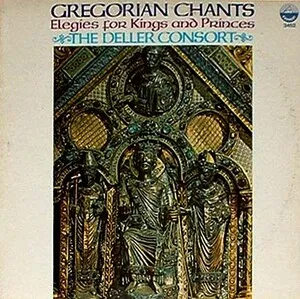
Gregorian Chants: Elegies for Kings and Princes
Deller Consort
Mozarabic Chant
Chant grégorien
Deller Consort
Gallican Chant
Similar artists
3
/5
Anonymous
Ars Antiqua
Gregorian Chant
Medieval
2
/5
Ensemble Gilles Binchois
Medieval
Ars Antiqua
Ars Nova
3
/5
Marcel Pérès
Gregorian Chant
Plainchant
Ars Antiqua
2
/5
Ensemble Organum
Gregorian Chant
Plainchant
Ars Antiqua
2
/5
Dom Ismael Fernández de la Cuesta
Gregorian Chant
Medieval
Mozarabic Chant
1
/5
Coro de Monjes de la Abadía de Santo Domingo de Silos
Gregorian Chant
Medieval
Mozarabic Chant
4
/5
Traditional
Gregorian Chant
Spanish Classical Music
Medieval Classical Music
3
/5
Dan Gibson's Solitudes
Gregorian Dance
Gregorian Chant
New Age
3
/5
Jordi Savall
Renaissance
Baroque
Classical
3
/5
Hildegard von Bingen
Gregorian Chant
Plainchant
Classical
Download our mobile app
Get the Melodigging app and start digging for new genres on the go
Download on the App Store
Get it on Google Play
© 2026 Melodigging
Give feedback
Legal
Melodding was created as a tribute to
Every Noise at Once
, which inspired us to help curious minds keep digging into music's ever-evolving genres.