Genres
Artists
Albums
Make Music
Sign in
Sign in
Artists
Medieval
Artists
Medieval
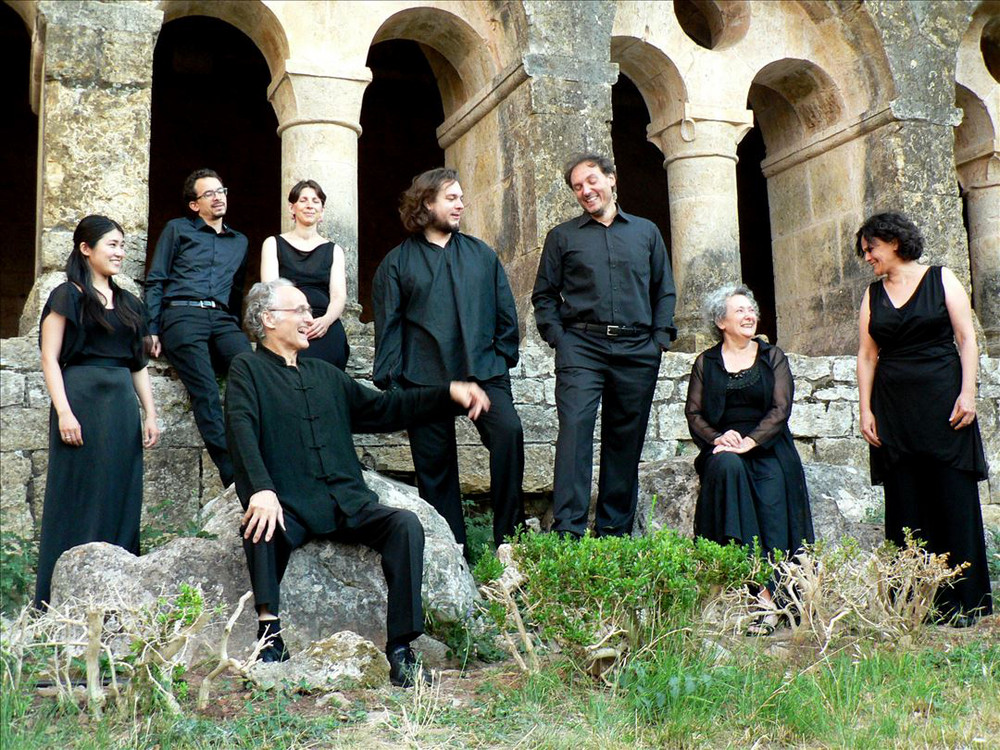
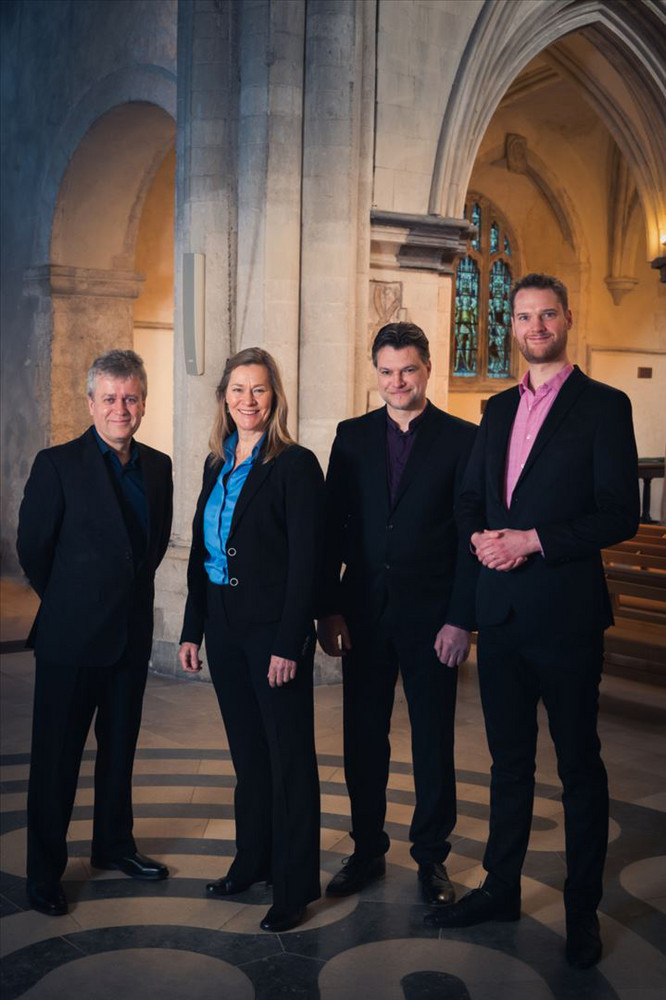
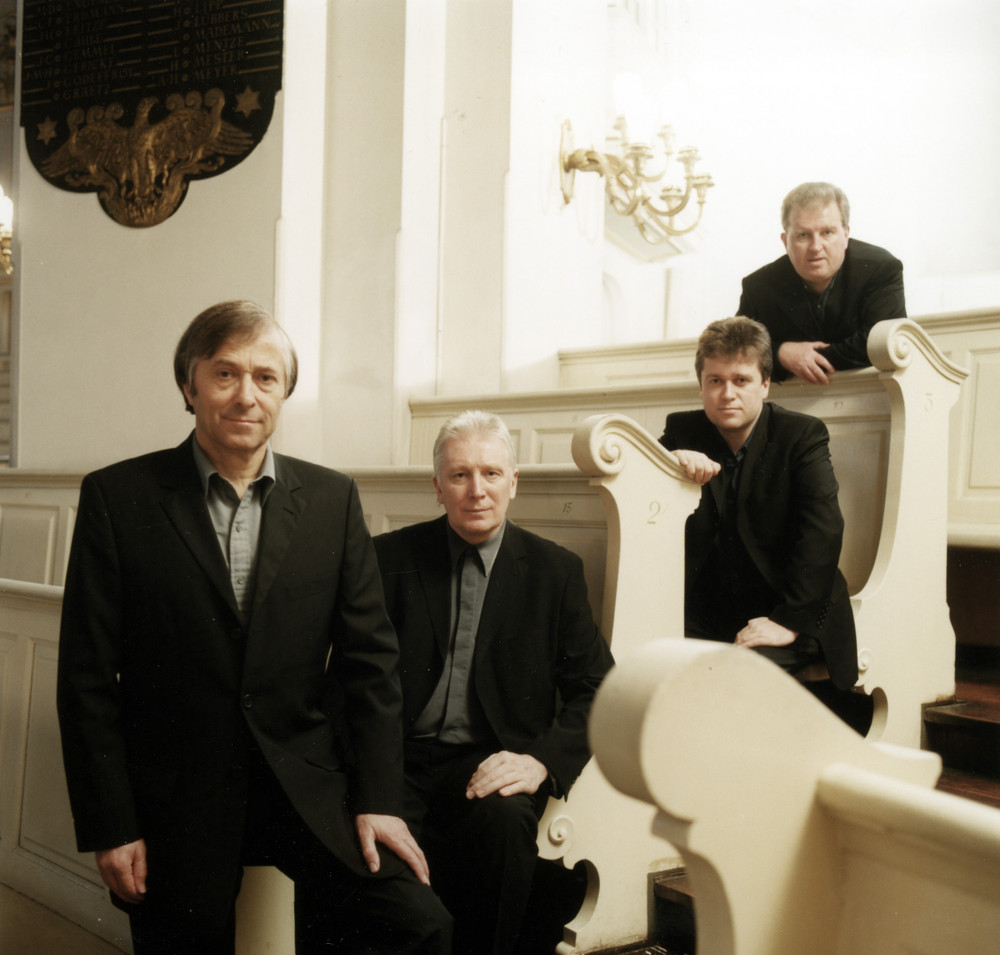
Ensemble Gilles Binchois
1998–2018
·
8 albums
Listen
2
/5
Genres
Franco-Flemish School
The Franco-Flemish School refers to a succession of Northern European composer-singers from the Low Countries and northern France who, during the 15th and 16th centuries, perfected a richly woven style of vocal polyphony. Centered on sacred forms such as the Mass and motet, and on courtly chansons, their music is characterized by careful control of dissonance, modal counterpoint, cantus-firmus and paraphrase techniques, and—by the later generations—pervasive imitation. Their chapel-trained composers staffed the great courts and cathedrals of Europe and spread a unified, technically rigorous polyphonic practice from Burgundy and the French royal chapels to Italy, Spain, the Empire, and beyond.
Discover
Listen
Renaissance
Renaissance music (c. 1400–1600) marks the shift from medieval sonorities to a clearer, triad-based polyphony in which multiple independent voices are treated with near-equal importance. It favors modal counterpoint, pervasive imitation, smooth voice-leading, and carefully prepared cadences. Text intelligibility and expressive text-setting become central concerns, especially in sacred motets and masses and in secular forms like the Italian madrigal and the French chanson. While much of the repertory is a cappella, instrumental consorts (viol, recorder, sackbut, cornett, organ) play a growing role. A steady tactus underpins rhythms, and tuning systems such as meantone temperament shape its characteristic color. Music printing (from 1501) accelerates stylistic diffusion across Europe.
Discover
Listen
Ars Nova
Ars nova is a 14th‑century European musical style that originated in France and spread to Italy, marking a decisive break from the earlier Ars antiqua. It is distinguished by innovations in rhythmic and mensural notation that allowed composers to write complex, syncopated, and independently moving parts. Typical genres and forms include the isorhythmic motet, mass movements, and secular chansons in the formes fixes (ballade, virelai, and rondeau). Textures are primarily vocal and polyphonic (often three to four voices), with techniques such as isorhythm (talea and color), hocket, and frequent use of mensural proportions. Its French wing coalesced around the theories and works of Philippe de Vitry and Guillaume de Machaut, while the Italian Trecento (often considered an Italian Ars nova) cultivated parallel secular song forms and characteristic cadences (e.g., the Landini cadence).
Discover
Listen
Ars Antiqua
Ars antiqua is a medieval European musical style that flourished roughly from the late 12th century to the early 14th century, with its center of gravity in Paris and the Notre Dame Cathedral school. It is defined by the consolidation of measured rhythm through the six rhythmic modes, the cultivation of polyphony in organum and discant styles, and the emergence of the early motet and conductus. Composers favored two to four vocal parts, with a chant-derived tenor forming the foundation and upper voices providing melismatic and texted counterpoint. Harmony emphasized perfect consonances (unisons, fourths, fifths, and octaves), with cadences carefully prepared. Ars antiqua laid crucial groundwork for European notation (including Franconian mensural concepts), enabling more precise rhythmic coordination and setting the stage for the innovations of the later Ars nova.
Discover
Listen
Classical
Classical music is the notated art-music tradition of Europe and its global descendants, characterized by durable forms, carefully codified harmony and counterpoint, and a literate score-based practice. The term “classical” can refer broadly to the entire Western art-music lineage from the Medieval era to today, not just the Classical period (c. 1750s–1820s). It privileges long-form structures (such as symphonies, sonatas, concertos, masses, and operas), functional or modal harmony, thematic development, and timbral nuance across ensembles ranging from solo instruments to full orchestras and choirs. Across centuries, the style evolved from chant and modal polyphony to tonal harmony, and later to post-tonal idioms, while maintaining a shared emphasis on written notation, performance practice, and craft.
Discover
Listen
Gregorian Chant
Gregorian chant is the central Western tradition of plainchant: a monophonic, unaccompanied sacred song in Latin (and occasionally Greek) used in the Roman Catholic liturgy. It employs free rhythm guided by the prosody of the text rather than by strict meter, and is sung in unison by clerics or scholas. Its melodies are organized by the system of eight church modes, with characteristic finalis (final), tenor/reciting tones, and melodic formulas. Repertoires include the Proper and Ordinary of the Mass (e.g., Introit, Gradual, Alleluia, Offertory, Communion, Kyrie, Gloria, Credo, Sanctus, Agnus Dei) and the Divine Office (e.g., Antiphons, Responsories, Hymns, Psalms). Although legend credits Pope Gregory I, modern scholarship sees Gregorian chant as a Carolingian synthesis of Old Roman and Gallican chants, standardized across Frankish realms and later the broader Latin West.
Discover
Listen
Gallican Chant
Gallican chant is the body of liturgical plainchant associated with the Gallican rite practiced in early medieval Gaul (roughly modern France and adjacent regions) before the Carolingian reforms. It is monophonic, unaccompanied sacred vocal music in Latin, intended for the Mass and Office. While only fragmentary musical sources survive, contemporary accounts and later comparative musicology suggest a highly ornate, melismatic style with certain Eastern (Byzantine) inflections and distinctive local liturgical usages. Gallican chant is historically important because its encounter and fusion with imported Roman chant in the late 8th–9th centuries helped give rise to the repertory we now call Gregorian chant.
Discover
Listen
Medieval
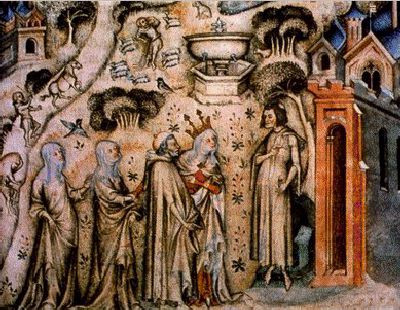
Medieval music refers to the diverse sacred and secular musical practices of Europe between the fall of the Western Roman Empire and the dawn of the Renaissance. It spans more than eight centuries, from early monophonic chant to the first notated polyphony. Core features include the use of church modes rather than major/minor, extensive reliance on vocal music (Latin sacred chant as well as vernacular song), and the progressive development from unmeasured chant to rhythmic modal notation and, later, mensural notation. Texture evolves from monophony (plainchant, troubadour songs) to organum, conductus, and the motet, culminating in complex isorhythmic works by the late 13th–14th centuries. Secular traditions—troubadours and trouvères in France, Minnesänger in German lands, and the Iberian Cantigas—coexisted with and influenced sacred practice. Instruments such as the vielle, harp, psaltery, recorder, shawm, hurdy-gurdy, and portative organ often doubled or accompanied voices, though much music remained purely vocal.
Discover
Listen
Show all 8 genres
Albums
2018
1
/5
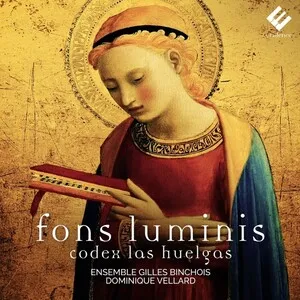
Fons luminis: Codex Las Huelgas
[anonymous] / Ensemble Gilles Binchois / Dominique Vellard
Ars Antiqua
2010
1
/5
Music and Poetry in Saint Gall
Ensemble Gilles Binchois & Dominique Vellard
Gallican Chant
2006
1
/5
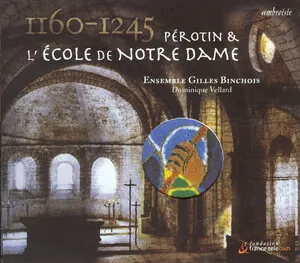
Pérotin & l'école de Notre Dame, 1160-1245
Pérotin / Ensemble Gilles Binchois / Dominique Vellard
Ars Antiqua
2002
2
/5
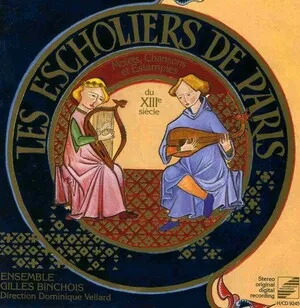
Les escholiers de Paris : motets, chansons et estampies du XIIIe siècle
[anonymous] / Ensemble Gilles Binchois / Dominique Vellard
Ars Antiqua
2001
2
/5
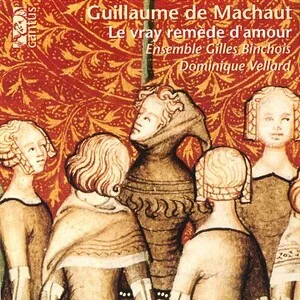
Le vray remède d'amour
Guillaume de Machaut / Ensemble Gilles Binchois / Dominique Vellard
Ars Nova
Classical
Medieval
2001
2
/5
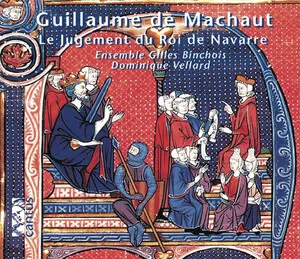
Le jugement du Roi de Navarre
Guillaume de Machaut / Ensemble Gilles Binchois / Dominique Vellard
Ars Nova
Classical
Medieval
1999
2
/5
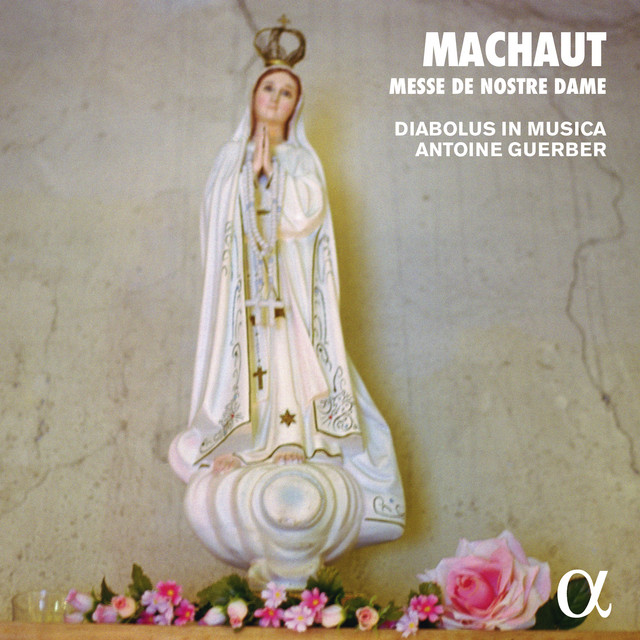
Messe de Nostre Dame
Guillaume de Machaut / Ensemble Gilles Binchois / Dominique Vellard
Ars Nova
Classical
1998
2
/5
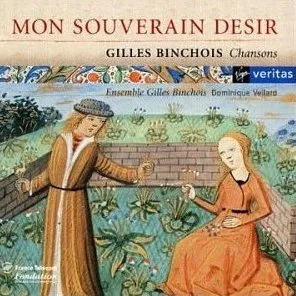
Mon souverain desir : chansons
Gilles Binchois / Ensemble Gilles Binchois / Dominique Vellard
Franco-Flemish School
Similar artists
2
/5
Dominique Vellard
Medieval
Ars Nova
Classical
1
/5
Antoine Guerber
Medieval
Classical
Ars Antiqua
2
/5
La Reverdie
Medieval
Classical
Gregorian Chant
2
/5
Sequentia
Gregorian Chant
Plainchant
Medieval
2
/5
Gothic Voices
Gregorian Chant
Medieval
Medieval Classical Music
2
/5
The Hilliard Ensemble
Madrigal
Gregorian Chant
Medieval Classical Music
3
/5
Anonymous
Ars Antiqua
Gregorian Chant
Medieval
2
/5
Guillaume de Machaut
Ars Nova
Classical
Medieval
3
/5
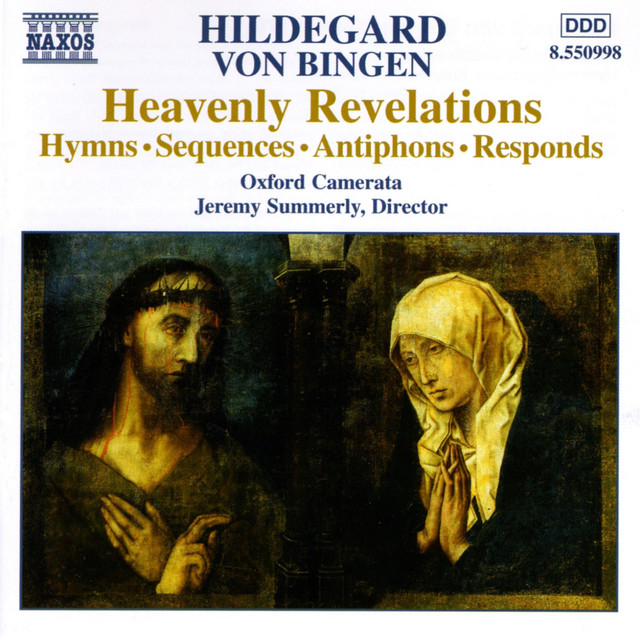
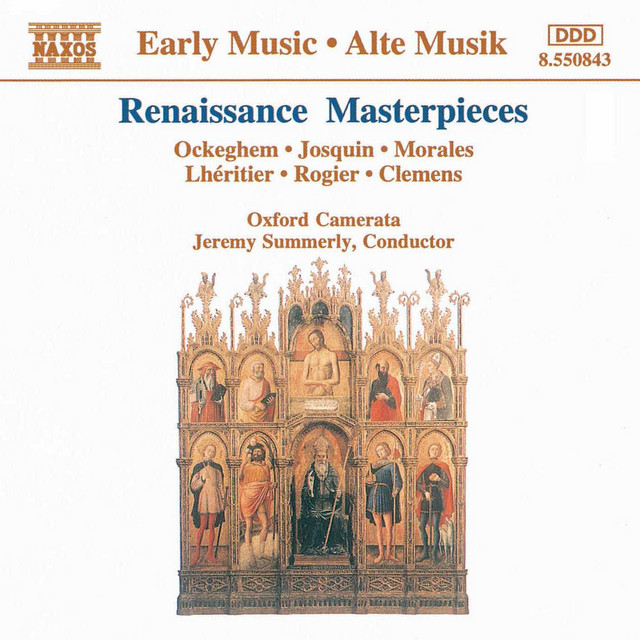
Oxford Camerata
Gregorian Chant
Medieval
Classical
3
/5
Jeremy Summerly
Gregorian Chant
Medieval
Classical
Download our mobile app
Get the Melodigging app and start digging for new genres on the go
Download on the App Store
Get it on Google Play
© 2026 Melodigging
Give feedback
Legal
Melodding was created as a tribute to
Every Noise at Once
, which inspired us to help curious minds keep digging into music's ever-evolving genres.