Genres
Artists
Albums
Make Music
Sign in
Sign in
Artists
Funk Das Antigas
Artists
Funk Das Antigas
DeFalla
2000
·
1 album
Listen
Genres
Funk Das Antigas
Funk das antigas is the nostalgic, “old‑school” wave of Brazilian funk (funk carioca) that crystallized in Rio de Janeiro’s bailes during the 1990s and early 2000s. Shaped by Miami bass and electro‑funk, it pairs booming 808s and syncopated drum patterns with melodic, catchy hooks sung or chanted in Portuguese. Lyrical themes often swing between romance and desire (in the "funk melody" vein), everyday favela life, community pride, and party energy, all delivered with call‑and‑response refrains built for the dance floor. Its sound is raw yet tuneful: sub‑heavy kicks, tom rolls, claps, cowbells, and the iconic tamborzão groove underpin simple, memorable chord movements. The result is music that’s both unabashedly dancing and warmly nostalgic for a formative era of Brazilian urban pop culture.
Discover
Listen
Alternative Rock
Alternative rock is a broad umbrella for guitar-based rock that emerged from the independent and college-radio scenes as a counterpoint to mainstream, commercial rock. It blends the energy and ethos of punk with the textural and songwriting experiments of post-punk, new wave, jangle pop, and noise rock, often foregrounding introspective or socially aware lyrics. Across its many strains—from the melodic minimalism of college rock to the loud-quiet-loud dynamics of grunge and the artful experimentation of Radiohead-era modernism—alternative rock prioritizes authenticity, sonic individuality, and a do-it-yourself approach. Its sound ranges from chiming, chorus-laden clean guitars to abrasive distortion and feedback, supported by straightforward rock rhythms or off-kilter grooves, and production that can be either raw and live-sounding or polished yet unconventional.
Discover
Listen
Crossover Thrash
Crossover thrash is a high-speed fusion of hardcore punk’s brevity, aggression, and shouted vocals with thrash metal’s palm-muted riffing, galloping rhythms, and precision. Songs are typically short and explosive, built on frantic tempos, chunky power-chord riffs, skank and thrash beats, and gang-shout choruses. The style emphasizes mosh-worthy breakdowns, razor-edged guitar tones, and a raw, street-level attitude that keeps the music direct and confrontational. While lyrically rooted in hardcore’s anti-authoritarian and everyday-life themes, crossover thrash often adds a sarcastic or tongue-in-cheek edge, pairing social commentary with skate culture and party energy.
Discover
Listen
Aor
AOR (often read as Album-Oriented Rock and, in stylistic terms, Adult-Oriented Rock) is a polished, melody-forward strain of rock geared for FM radio and arena stages. It pairs sleek production with anthemic choruses, soaring vocals, and a balance of guitar crunch and prominent keyboards, aiming for broad appeal without sacrificing musicianship. In practice, AOR sits between hard rock and soft rock: tight rhythm sections, glossy multi-tracked harmonies, clean-to-overdriven guitar leads, and radio-friendly structures. Its repertoire spans driving uptempo anthems and emotive power ballads, with frequent key changes for climactic final choruses, meticulously layered arrangements, and lyrical themes of romance, resilience, and escape.
Discover
Listen
New Wave
New wave is a broad, pop-oriented umbrella for styles that emerged in the mid-to-late 1970s as a sleeker, more melodic outgrowth of punk culture. Initially, the term varied by region: in the United States it was first used by critics and labels (famously Sire Records’ “Don’t Call It Punk” campaign in 1977) to rebrand punk-associated artists with more radio-friendly aesthetics; in the United Kingdom it encompassed a wider constellation of fresh, stylish post-punk-era sounds. Over time, “new wave” became a catch‑all for hooky guitar pop, synth-driven songs, danceable rhythms, and modernist production sensibilities. Sonically, it blends tight, upbeat rhythms (often disco- and reggae-informed), clean chorus/flanger guitars, prominent synthesizers, and concise, hook-led songwriting. Its visual identity—sharp suits, futurist imagery, and fashion-forward presentation—was integral, aligning with the rise of music television and emphasizing art-school wit, irony, and modern urban themes.
Discover
Listen
Post-Punk
Post-punk is a broadly experimental strain of rock that emerged in the late 1970s as artists sought to push beyond the speed, simplicity, and orthodoxy of first-wave punk. It typically features angular, bass-forward grooves; jagged or minimal guitar lines; stark, spacious production; and an openness to dub, funk, electronic, and avant-garde ideas. Lyrics often examine alienation, urban decay, politics, and the inner life with artful or abstract delivery. A studio-as-instrument approach, emphasis on rhythm section interplay, and an appetite for non-rock textures (tape effects, drum machines, found sound, synths) distinguish the style. The result can be danceable yet tense, cerebral yet visceral, and emotionally restrained yet intensely expressive.
Discover
Listen
Albums
2000
2
/5
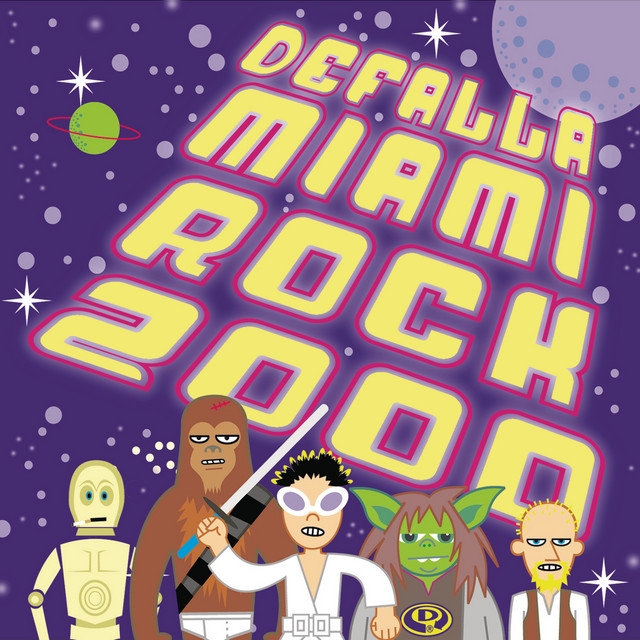
Miami Rock 2000
Defalla
Funk Das Antigas
Similar artists
1
/5
Various Artists
Soundtrack
Afro-Funk
Alternative Rock
5
/5
Paramore
Emo Pop
Rock
Candy Pop
5
/5
Gorillaz
Alternative Hip Hop
Electronic
Electropop
5
/5
The Killers
Dance-Rock
Alternative Rock
Pop Rock
5
/5
The Strokes
Alternative Rock
Garage Rock
Indie Rock
5
/5
The Smiths
Jangle Pop
Madchester
New Wave
5
/5
David Bowie
Art Rock
Glam Rock
Rock
5
/5
The Cure
Gothic Rock
Post-Punk
Alternative Rock
5
/5
The Police
Rock
New Wave
Alternative Rock
5
/5
The 1975
Modern Alternative Rock
New Wave
Art Pop
Download our mobile app
Get the Melodigging app and start digging for new genres on the go
Download on the App Store
Get it on Google Play
© 2026 Melodigging
Give feedback
Legal
Melodding was created as a tribute to
Every Noise at Once
, which inspired us to help curious minds keep digging into music's ever-evolving genres.