Genres
Artists
Albums
Make Music
Sign in
Sign in
Artists
Ambient Pop
Artists
Ambient Pop
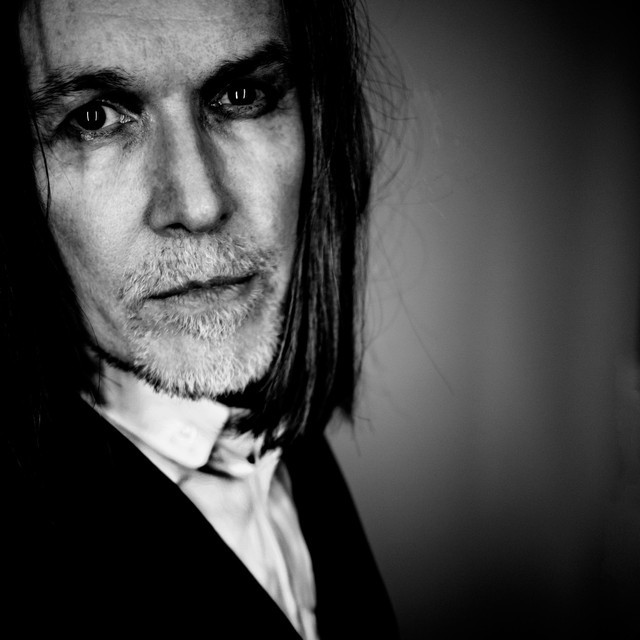
David Sylvian
1985–2014
·
5 albums
Listen
3
/5
Genres
Melancholia
Melancholia is an internet-era microgenre centered on soft-focus, sorrow-tinged pop and indie songs that foreground intimacy, space, and emotional candor. Tracks are typically slow to mid‑tempo, sung in a close, almost confessional register, and framed by sparse, reverb‑soaked textures. Sonically it lives between dream pop, bedroom pop, and slowcore: shimmering guitars or wistful synth pads drift over understated beats; piano, acoustic guitar, and low‑key electronic drums carry muted, pulsing grooves. Harmonies often favor minor keys, suspended chords, and gentle extensions (7ths/9ths) that heighten a bittersweet glow. Lyrically, melancholia lingers on solitude, late‑night self‑reflection, breakups, and fragile hope. The genre coalesced through streaming playlists and social media, where its hush, negative space, and diaristic tone translate into a cohesive, instantly recognizable mood.
Discover
Listen
Solo Wave
Solo wave is an internet-era microgenre that blends the intimate, DIY sensibility of bedroom pop with vaporwave- and chillwave-tinged atmospheres and soft indie pop songwriting. Typically produced by solo artists working from home studios, it favors gentle synth pads, chorus-washed guitars, understated trap- or pop-leaning drums, and confessional vocals framed by nostalgic reverb and tape-like warmth. The result is dreamy, sentimental, and highly shareable songs that circulate on streaming platforms and social media. Lyric themes often center on young adult relationships, self-reflection, mental health, and digital-age loneliness—delivered in a direct, diaristic tone that reinforces the genre’s solitary, “one-person project” ethos.
Discover
Listen
New Isolationism
New isolationism is a contemporary strain of isolationist ambient and post-industrial minimalism that emerged in the 2010s, particularly around Scandinavian experimental labels and studios. It foregrounds intimate, close-mic’d sound, negative space, and a quiet-but-present noise floor; its pieces feel both internal and architectural, like rooms built from reverb tails, tape hiss, and soft electronics. Sonically, the style blends glacial drones, fragile chamber timbres (strings, organ, piano), lo‑fi electronics, and field recordings into stark, slow-evolving tableaux. Melodic information is sparse—often only a few tones or gestures—while rhythm is either absent or reduced to distant pulses, heartbeats, or mechanical cycles. Vocals, when they appear, are murmured, diaristic, or abstracted by pitch and time manipulation. Aesthetically, new isolationism is post‑internet and diaristic: it captures solitude, memory, and dislocation with a palette that feels personal yet estranged, drawing as much from contemporary gallery sound practice as from classic dark ambient.
Discover
Listen
Eai
EAI (Electroacoustic Improvisation) is a largely quiet, reductionist form of free improvisation in which musicians sculpt sound in real time using electronics, extended techniques, and the ambient characteristics of the room itself. Instead of melody, harmony, or steady pulse, the music focuses on texture, timbre, micro‑dynamics, and silence. Sine tones, feedback, contact microphones, tabletop guitars, and laptops often replace traditional instrumental roles. The result is an austere, highly attentive music that treats each sound—however small—as a structural event. EAI is frequently associated with the late‑1990s Tokyo onkyo scene and parallel European reductionist circles. Performances are typically intimate, with players listening as much as playing, privileging restraint, duration, and the sonic grain of materials.
Discover
Listen
Reductionism
Reductionism is a strand of experimental, improvised music that emerged in the late 1990s, coalescing in scenes around Berlin, London, Tokyo, and Vienna. It focuses on extremely quiet dynamics, the creative use of silence, and the cultivation of subtle, unconventional timbres. Hallmarks include microtonality, extended and non-standard techniques, high amplification at very low volumes, and attention to minute sonic events such as friction, breath, electrical hum, and resonant artifacts. Rather than narrative arcs or traditional rhythm/harmony, the music prioritizes space, texture, and the act of listening itself.
Discover
Listen
Ambient Pop
Ambient pop is a style of pop music that foregrounds atmosphere, timbre, and texture over conventional hooks, while still retaining song-based structures and accessible melodies. It drapes simple chordal movement and soft vocals in capacious reverbs, delays, and drones, often letting sound design and spatial depth carry as much expressive weight as lyrics. Compared with mainstream pop, ambient pop tends to be slower, quieter, and more minimal. It borrows the weightless pads and sustained tones of ambient music, the hazy guitar treatments of dream pop and shoegaze, and the gentle pulse of downtempo and chillout. The result is intimate, nocturnal, and cinematic music that feels both approachable and immersive.
Discover
Listen
Tribal Ambient
Tribal ambient is a branch of ambient music that merges spacious, drone-based atmospheres with hand-played, "tribal" percussion, non-Western instrumentation, and environmental field recordings. It emphasizes trance-inducing polyrhythms, ritualistic timbres (frame drums, shakers, clay and skin drums, rattles), and sustained harmonic beds, often evoking a sense of timeless, pre-industrial ritual or nature-centered spirituality. Rather than song-like structures, pieces unfold slowly and organically, favoring texture, space, and gradual transformation over melody or chord changes. The result is immersive, cinematic soundscapes that feel both primordial and otherworldly.
Discover
Listen
Ambient
Ambient is a form of electronic and electroacoustic music that prioritizes tone, atmosphere, and texture over conventional song structures and rhythmic drive. It typically features slow-moving harmonies, sustained drones, gentle timbral shifts, and extensive use of space and silence. Rather than drawing attention to itself through hooks or beats, ambient is designed to be as ignorable as it is interesting, rewarding both background listening and focused immersion. Artists often employ synthesizers, samplers, tape loops, field recordings, and subtle acoustic instruments, with reverb and delay creating a sense of place. Substyles range from luminous, consonant soundscapes to darker, more dissonant atmospheres.
Discover
Listen
Crossover Prog
Crossover prog blends the ambition and musicianship of progressive rock with the directness and hooks of mainstream pop/rock. Songs typically favor concise forms and radio-ready production while retaining prog’s harmonic color, dynamic contrasts, and occasional odd meters. Arrangements often feature prominent keyboards (piano, synths), layered vocal harmonies, bright guitar tones, and strategic use of orchestration. Rather than sprawling epics, tracks usually sit in the 3–6 minute range, with strong choruses and memorable motifs anchoring the complexity. Lyrically, the style balances introspective or conceptual themes with accessible storytelling. Sonically, it ranges from 1970s warm analog textures to the sleek, polished sheen of 1980s FM/MTV aesthetics.
Discover
Listen
New Wave
New wave is a broad, pop-oriented umbrella for styles that emerged in the mid-to-late 1970s as a sleeker, more melodic outgrowth of punk culture. Initially, the term varied by region: in the United States it was first used by critics and labels (famously Sire Records’ “Don’t Call It Punk” campaign in 1977) to rebrand punk-associated artists with more radio-friendly aesthetics; in the United Kingdom it encompassed a wider constellation of fresh, stylish post-punk-era sounds. Over time, “new wave” became a catch‑all for hooky guitar pop, synth-driven songs, danceable rhythms, and modernist production sensibilities. Sonically, it blends tight, upbeat rhythms (often disco- and reggae-informed), clean chorus/flanger guitars, prominent synthesizers, and concise, hook-led songwriting. Its visual identity—sharp suits, futurist imagery, and fashion-forward presentation—was integral, aligning with the rise of music television and emphasizing art-school wit, irony, and modern urban themes.
Discover
Listen
Art Rock
Art rock is a branch of rock music that treats the studio and the album as spaces for artistic experimentation, emphasizing conceptual ideas, ambitious arrangements, and cross-pollination with modernist and avant-garde traditions. It typically favors extended song forms, thematic or conceptual unity, and non-standard instrumentation (strings, woodwinds, synthesizers) alongside rock’s core band setup. Lyrically, it leans toward literary, surreal, or philosophical subjects and often adopts theatrical presentation. Where mainstream rock centers on immediacy and hooks, art rock embraces risk: unusual time signatures, timbral exploration, complex harmony, tape and electronic manipulation, and interludes that draw from classical, jazz, minimalism, and experimental music.
Discover
Listen
Art Pop
Art pop is a strand of pop music that treats the pop song as a canvas for high-concept ideas, experimental techniques, and cross-media aesthetics. It marries accessible melodies and hooks with the visual culture of art schools, the conceptual rigor of the avant-garde, and the studio-as-instrument ethos. Sonically, art pop favors eclectic instrumentation (synths, orchestral timbres, guitars, found sounds), unusual song forms, and sophisticated harmony. It often employs collage, musique concrète–like textures, and theatrical vocal delivery while still keeping a pop-facing surface. Beyond sound, art pop is deeply visual and conceptual: albums are framed as coherent artworks, stagecraft and video are integral, and lyrics tend toward intertextuality, character work, irony, and social commentary. The result is pop that is both immediate and idea-driven.
Discover
Listen
Experimental Rock
Experimental rock is a broad, exploratory branch of rock music that prioritizes innovation over convention. It stretches rock’s core instrumentation and song forms through unusual timbres, extended techniques, nonstandard tunings, chance procedures, and studio-as-instrument production. Drawing on avant-garde composition, free jazz, minimalism, and electronic/tape music, experimental rock often rejects verse–chorus structures in favor of drones, suites, collage, and improvisation. It embraces dissonance and noise as expressive tools, employs odd or fluid meters, and incorporates non-rock instruments, found sounds, and unconventional recording methods. The result is a lineage of music that treats rock not as a fixed style but as a laboratory for new sound worlds.
Discover
Listen
Experimental
Experimental music is an umbrella term for practices that prioritize exploration, process, and discovery over adherence to established genre norms. It embraces new sound sources, nonstandard tuning systems, indeterminacy and chance operations, graphic and open-form scores, extended techniques, and technology-led sound design (tape, electronics, computers, and live processing). Rather than a single style, it is a methodology and ethos: testing hypotheses about sound, structure, and performance, often blurring boundaries between composition, improvisation, sound art, and performance art. Listeners can expect unfamiliar timbres, unusual forms, and an emphasis on how music is made as much as the resulting sound.
Discover
Listen
Jazz
Jazz is an improvisation-centered music tradition that emerged from African American communities in the early 20th century. It blends blues feeling, ragtime syncopation, European harmonic practice, and brass band instrumentation into a flexible, conversational art. Defining features include swing rhythm (a triplet-based pulse), call-and-response phrasing, blue notes, and extended harmonies built on 7ths, 9ths, 11ths, and 13ths. Jazz is as much a way of making music—spontaneous interaction, variation, and personal sound—as it is a set of forms and tunes. Across its history, jazz has continually hybridized, from New Orleans ensembles and big-band swing to bebop, cool and hard bop, modal and free jazz, fusion, and contemporary cross-genre experiments. Its influence permeates global popular and art music.
Discover
Listen
Show all 15 genres
Albums
2014
1
/5
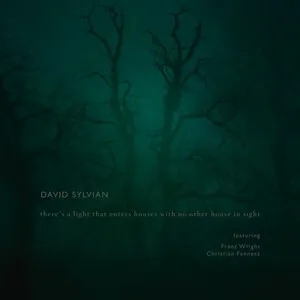
There's a Light That Enters Houses With No Other House in Sight
David Sylvian
Eai
2009
1
/5
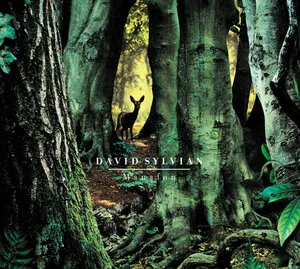
Manafon
David Sylvian
Eai
Reductionism
1987
3
/5
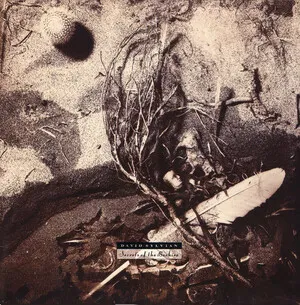
Secrets of the Beehive
David Sylvian
Ambient Pop
Art Rock
1986
1
/5
Gone to Earth
David Sylvian
Ambient Pop
1985
2
/5
Alchemy: An Index of Possibilities
David Sylvian
Tribal Ambient
Similar artists
5
/5
Radiohead
Alternative Rock
Art Rock
Melancholia
3
/5
Stereolab
Experimental Rock
No Wave
Post-Rock
5
/5
David Bowie
Art Rock
Rock
Glam Rock
4
/5
Brian Eno
Ambient
Krautrock
Experimental
4
/5
Talk Talk
New Wave
Synth-Pop
Sophisti-Pop
4
/5
Thom Yorke
Glitch Pop
Electronic
Rock
1
/5
Various Artists
Afro-Funk
Alternative Rock
Ambient
3
/5
yeule
Ambient Pop
Hyper-Rock
Art Pop
4
/5
Kate Bush
Art Rock
Art Pop
Baroque Pop
4
/5
The Velvet Underground
Art Rock
Proto-Punk
Rock
Download our mobile app
Get the Melodigging app and start digging for new genres on the go
Download on the App Store
Get it on Google Play
© 2026 Melodigging
Give feedback
Legal
Melodding was created as a tribute to
Every Noise at Once
, which inspired us to help curious minds keep digging into music's ever-evolving genres.