Genres
Artists
Albums
Make Music
Sign in
Sign in
Artists
Malay Rap
Artists
Malay Rap
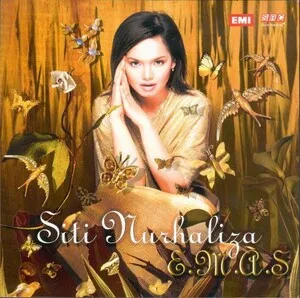
Dato' Sri Siti Nurhaliza
1998–2003
·
2 albums
Listen
4
/5
Genres
Malay Rap
Malay rap is hip hop performed primarily in the Malay language (often with code-switching into English and local slang), rooted in Malaysia’s urban cultures. It blends global hip hop aesthetics—MCing, DJing, sampling, and beat-making—with Malaysian idioms, accents, and references, creating a distinctive voice for Malay-speaking youth. Musically, Malay rap ranges from classic boom-bap and G-funk inspirations to contemporary trap, drill-tinged beats, and R&B-inflected hooks. Lyrically it spans braggadocio and party anthems, social commentary about class and identity, and reflective storytelling, frequently using pantun-style wordplay and Malay proverbs (peribahasa). While it shares production DNA with American hip hop, Malay rap commonly incorporates local sensibilities—rojak (mixed) slang, religious and moral themes, and the cadences of Malay pop—resulting in songs that feel both globally current and unmistakably Malaysian.
Discover
Listen
Dangdut
Dangdut is a popular Indonesian dance music that blends Malay orkes Melayu roots with Indian film-music melodicism, Arabic ornamentation, and Western pop/rock arrangement. Its onomatopoeic name comes from the low “dang” and high “dut” strokes of the hand drum pattern, evoking tabla/dholak- or kendang-like timbres. Typical ensembles combine traditional instruments (kendang, suling/flute) with electric guitars, keyboards, bass, and modern drum kits. Vocals are melismatic and expressive, often featuring call-and-response with the audience, and lyrics span romance, everyday life, moral reflection, and social commentary. On stage, dangdut is festive and participatory, with signature dance moves (goyang) and a strong emphasis on groove.
Discover
Listen
Indonesian Pop
Indonesian pop (often called Pop Indo) blends Western pop songwriting with local tastes, producing radio-friendly songs built around memorable hooks, emotive vocals, and polished arrangements. Stylistically, it favors verse–pre‑chorus–chorus structures, mid‑tempo grooves, and lyrical themes of love, longing, and everyday life, typically sung in Bahasa Indonesia. While rooted in global pop, it often draws color from Indonesian traditions (e.g., keroncong timbres, dangdut phrasing) and, in different eras, from disco, soft rock, R&B, and more recently J‑pop/K‑pop production touches. The result is a melodic, accessible sound that feels both cosmopolitan and distinctly Indonesian.
Discover
Listen
Malay Pop
Malay pop is mainstream popular music sung primarily in the Malay language and centered in Malaysia (with spillovers to Singapore and Brunei). It blends Western pop songcraft with local melodic sensibilities, favoring expressive vocals, lyrical melodrama, and singable hooks. Stylistically it ranges from tender ballads to danceable, radio-friendly tracks. Arrangements often feature contemporary pop instrumentation (keyboards, guitars, bass, drums), with periodic borrowings from R&B, soul, jazz-funk, and city-pop aesthetics. Lyric themes commonly revolve around love, longing, family, social values, and everyday life, delivered in clear, emotive Malay diction.
Discover
Listen
Malay
Malay is a broad umbrella term for music created by and for the Malay-speaking world, centered in Malaysia and extending to Singapore, Brunei, and parts of Indonesia. It spans courtly and folk idioms (asli, inang, joget, zapin, dondang sayang, dikir barat, and Ghazal Johor) as well as modern popular styles performed in the Malay language. Its sonic palette blends Arab-Islamic devotional aesthetics, North Indian (Hindustani) melodic sensibilities, Indonesian/Javanese gamelan colors, and traces of Portuguese colonial dance forms, later absorbing jazz, Latin, and Western pop. Common instruments include gambus (Arab lute), biola (violin), seruling (flute), harmonium or accordion, gendang and rebana/kompang frame drums, alongside modern guitar, keyboards, and drum set. Vocals emphasize melisma and poetic delivery, often setting pantun (quatrain) texts and romantic or moral themes.
Discover
Listen
Malay Music
Malay music refers to the traditional and popular musical practices of the ethnic Malay communities of the Malay Peninsula and surrounding regions, with Malaysia as its primary cultural center. It blends indigenous Malay aesthetics with strong influences from Arab-Islamic, Indian (especially Hindustani/ghazal), Chinese, and Portuguese traditions. Core song-forms include asli (lyrical and ornamented), inang (courtly), joget (lively dance in 6/8), zapin (Hadhrami Arab-derived dance music), ghazal Johor (Malay interpretation of the Indo-Persian ghazal), and dondang sayang (improvised pantun poetry over graceful melodies). Typical instruments include gambus (Malay oud), biola (violin), harmonium, accordion, serunai (reed shawm), rebab (spike fiddle), kompang and rebana (frame drums), marwas (small hand drums), gendang (barrel drums), and occasionally tabla. Melodies favor pentatonic and heptatonic frameworks enriched with maqam-like inflections, while lyrics draw on pantun (quatrain) poetry, courtly love, moral teachings, and reflections on nature and adat (custom).
Discover
Listen
Albums
2003
3
/5
E.M.A.S
Siti Nurhaliza
Malay Music
1998
3
/5
Betapa Ku Cinta Padamu
Dato' Sri Siti Nurhaliza
Malay Rap
Similar artists
4
/5
Naykilla
Malay Rap
Dangdut
Funkot
4
/5
Wali
Sholawat
Dangdut Koplo
Dangdut
3
/5
Indah Yastami
Batak
Dangdut
Fvnky Rimex
3
/5
Thomas Arya
Pop Minang
Rock Kapak
Dangdut
3
/5
Ipank
Pop Minang
Batak
Dangdut
3
/5
Gamma1
Malay Pop
Dangdut
Indonesian Pop
3
/5
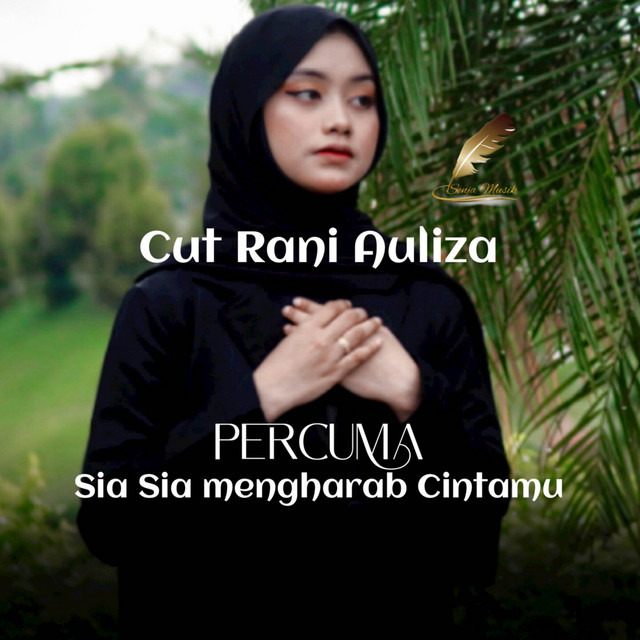
Cut Rani Auliza
Dangdut
Funkot
Fvnky Rimex
3
/5
Maulana Ardiansyah
Dangdut
Indonesian Pop
Koplo
3
/5
Raffa Affar
Dangdut
Fvnky Rimex
Indonesian Pop
3
/5
Jamal Mirdad
Dangdut
Indonesian City Pop
Indonesian Jazz
Download our mobile app
Get the Melodigging app and start digging for new genres on the go
Download on the App Store
Get it on Google Play
© 2026 Melodigging
Give feedback
Legal
Melodding was created as a tribute to
Every Noise at Once
, which inspired us to help curious minds keep digging into music's ever-evolving genres.