Your digging level
Description
Funkot (often called Hardfunk, House Kota, Indonesian House, or Indonesian Hardcore) is a high‑tempo Indonesian form of electronic dance music that emerged in the 1990s.
Built around 4/4 club frameworks and tempos typically between 160–220 BPM, it fuses Eurodance and Trance supersaw leads and anthemic hooks with the syncopated, rolling percussion patterns of dangdut—especially dangdut koplo. The result is a relentlessly driving, party‑focused style marked by big snare and tom fills, whistle and horn stabs, chopped vocal shouts, and quick, dramatic builds and drops.
While it shares energy with happy hardcore and Eurobeat, Funkot’s identity is unmistakably Indonesian: it borrows rhythmic cells, percussion timbres (e.g., kendang‑like patterns), and sometimes scale color from local traditions, translating them into turbocharged club arrangements designed for peak‑time dancefloors.
History
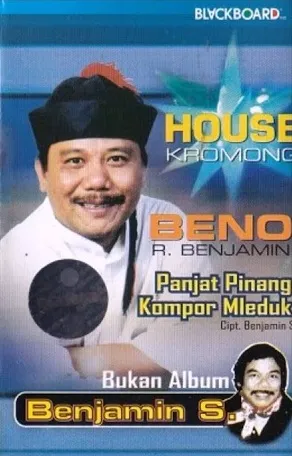
Funkot coalesced in Indonesian club culture in the 1990s, when DJs and producers began pushing house music to extreme tempos and layering it with Eurodance/Trance synth aesthetics. Locally it became known as House Kota ("city house") or Hardfunk—street names that indexed both its urban club roots and its harder, faster drive.
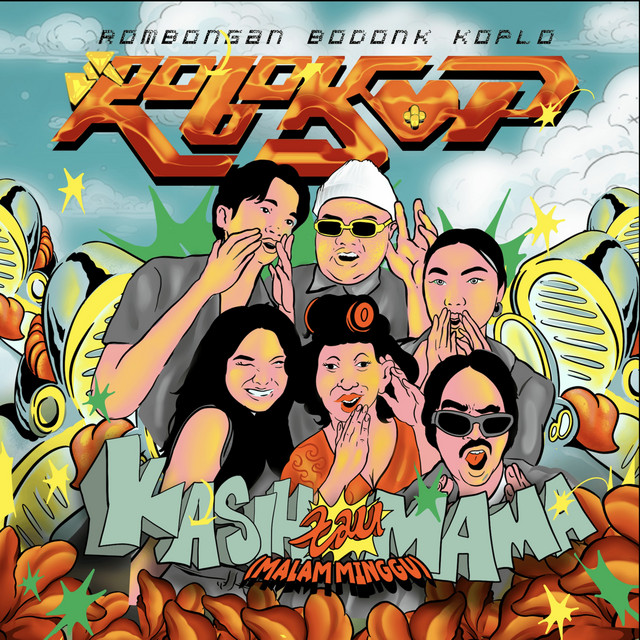
A defining innovation was the grafting of dangdut—particularly the koplo variant’s rolling, off‑beat and fill‑heavy drum language—onto a 4/4 club grid. Producers translated kendang and rebana gestures into drum‑machine toms, snares, claps, and shakers, yielding Funkot’s signature perpetual motion and festive call‑and‑response feel.
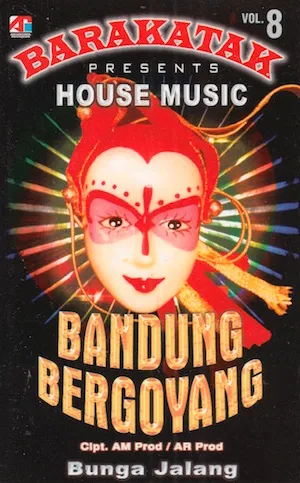
Through mixtapes, bootlegs, and early netlabel culture, Funkot sets circulated widely across Indonesian cities (Jakarta, Bandung, Surabaya, Medan) and spilled into online communities. Its extreme tempos and flashy drops resonated with fans of Eurobeat, happy hardcore, and hard dance abroad, sparking pockets of interest (including Japan’s club/otaku–adjacent scenes) and YouTube/SoundCloud ecosystems of “Funkot edits.”
Today, Funkot thrives in DJ culture, social media, and party circuits as a proudly local, high‑octane EDM. Producers often brand tracks with shout‑outs, DJ tags, and crowd‑hype breaks, keeping the style rooted in its live, party‑first ethos while continuing to hybridize with modern EDM sound design.