Your digging level

For this genre
0/8
🏆
Sign in, then listen to this genre to level up

Description

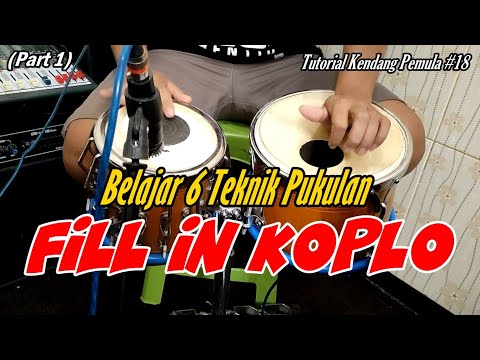
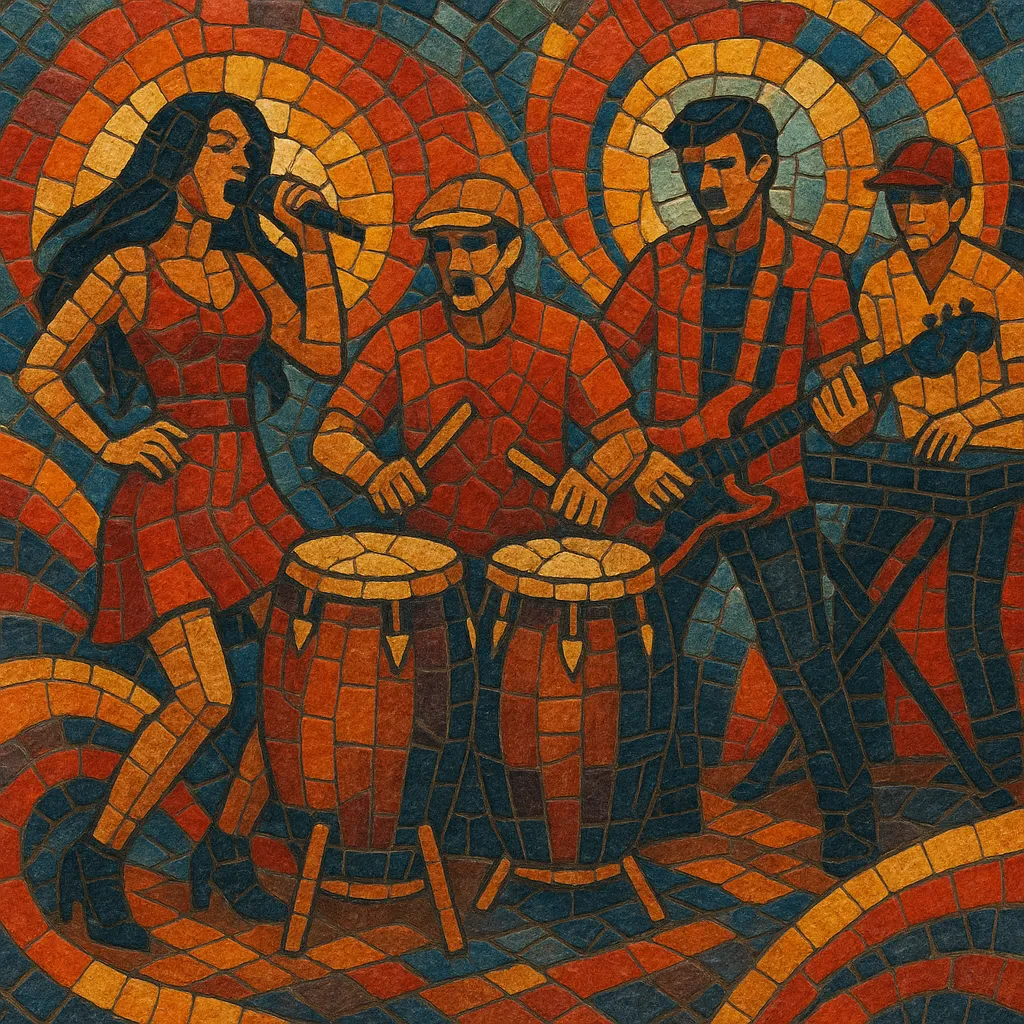
Dangdut koplo is a faster, percussion‑driven branch of Indonesian dangdut that took shape on Java in the late 1990s. It accelerates the classic dangdut groove, brings the kendang (double-headed hand drum) to the front, and adds crowd‑stirring breaks and call‑and‑response hooks.

Against the bedrock of Malay/Indian‑tinged dangdut harmony, koplo borrows punch and sheen from international pop, rock, and reggae. Orchestras and street party bands turn sentimental love songs into high‑energy dance numbers, with singers using melismatic cengkok (ornaments) while drummers unleash intricate, syncopated patterns designed for non‑stop dancing.


Sources: Spotify, Wikipedia, Discogs, Rate Your Music, MusicBrainz, and other online sources

History

Origins (1990s)

Dangdut koplo emerged in East and Central Java as local groups sped up the standard dangdut rhythm and spotlighted virtuoso kendang patterns. The term “koplo” circulated in street vernacular and media to describe this hotter, sweatier club/party take on Javanese dangdut.

Regional scenes and VCD era (early–mid 2000s)

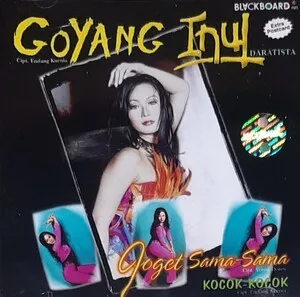
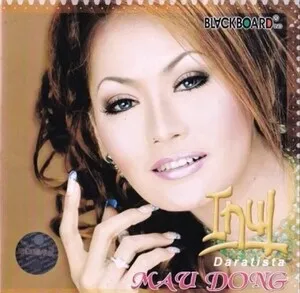
Mobile orchestras (OM) such as OM SERA, New Pallapa, and OM Monata popularized the style at pasar malam (night markets), weddings, and village festivals. Low‑cost VCDs and TV variety shows spread the sound nationwide. Stage choreography—most famously Inul Daratista’s goyang (dance)—helped cement koplo’s image as an extroverted, participatory spectacle.

Mainstream crossover (2010s)

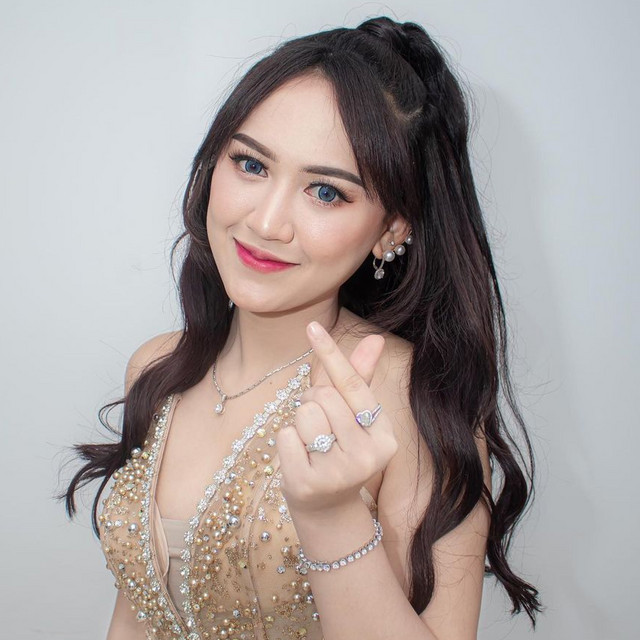
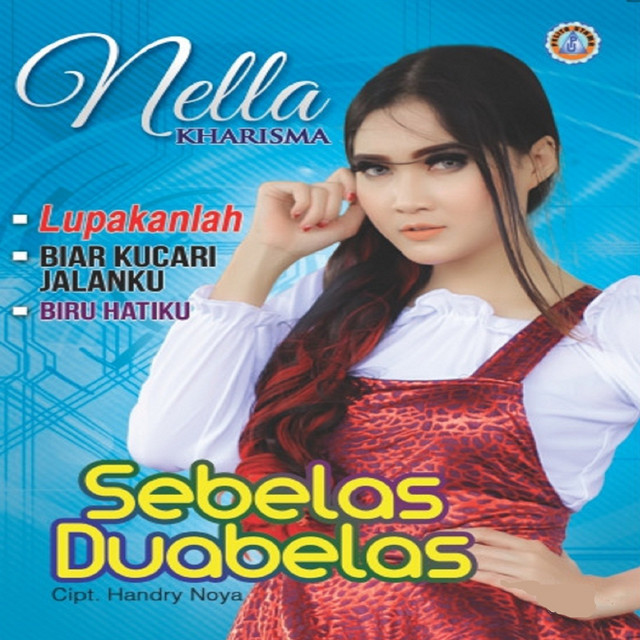
YouTube and live DVD circuits propelled a new wave of singers (e.g., Via Vallen, Nella Kharisma). Producers fused koplo grooves with glossy pop and light rock guitar, while keeping the kendang breaks and sing‑along choruses that drive audience interaction.

Today (2020s–)

Koplo aesthetics permeate viral Indonesian pop and remix culture ("DJ koplo" edits, EDM‑koplo hybrids), and the style continues to thrive in live settings where extended drum solos, key changes, and crowd chants turn songs into communal dance experiences.

How to make a track in this genre

Tempo & Groove
•   Aim for 130–160 BPM—noticeably faster than classic dangdut. •   Build the groove around driving kendang patterns: rolling strokes, off‑beat slaps, and short breaks that cue crowd shouts.
Instrumentation
•   Core: kendang (lead), drum set (backbeat and crashes), electric bass (syncopated root–5 riffs), electric/clean guitar (chops and fills), keyboards (strings, brass, organ), and suling (bamboo flute) for melodic color. •   Add hand percussion (tambourine, ketipung) for sparkle during choruses and breaks.
Harmony & Melody
•   Keep harmony simple: I–IV–V or I–V–vi–IV in major keys is common. •   Use pentatonic or natural minor flavors with dangdut cengkok (melismatic turns) and quick slides.
Vocals & Lyrics
•   Themes: love, longing, everyday stories, playful flirtation—delivered in Indonesian and/or Javanese. •   Employ call‑and‑response ad‑libs with the crowd (e.g., short shouted hooks before drops).
Form & Arrangement
•   Verse–pre–chorus–chorus, with at least one kendang break/solo and a modulated final chorus for lift. •   Insert stop‑time hits and drum cues to restart the dance energy.
Performance & Production Tips
•   Mix the kendang forward; let kick and bass lock tightly for a dancing low‑end. •   Layer claps/shakers on choruses; automate rises into drum fills to trigger audience participation. •   Stage choreo (goyang) and mic banter are part of the style—write arrangements that leave space for both.

Top tracks

Locked
Share your favorite track to unlock other users’ top tracks
Influenced by
Challenges
Digger Battle
Let's see who can find the best track in this genre
© 2026 Melodigging
Melodding was created as a tribute to Every Noise at Once, which inspired us to help curious minds keep digging into music's ever-evolving genres.
Buy me a coffee for Melodigging