Genres
Artists
Albums
Make Music
Sign in
Sign in
Artists
Sholawat
Artists
Sholawat
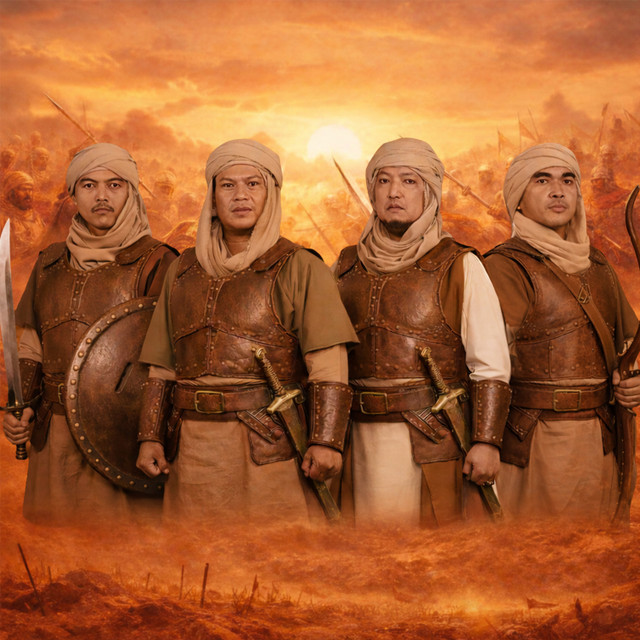
Wali
2009–2018
·
3 albums
Listen
4
/5
Genres
Lagu Timur
Lagu timur (Indonesian for "eastern songs") is a contemporary pop current that emerged from Eastern Indonesia—especially Maluku, Papua/West Papua, and Nusa Tenggara. It blends mellow pop songwriting with light reggae/dancehall grooves, acoustic guitar or ukulele strums, and simple trap/808-era production. Lyrics often switch between Indonesian and regional Malay varieties (Ambon Malay, Kupang Malay), carrying local slang and cadences that make the songs feel intimate and community-rooted. Typical tracks center on love, loyalty, friendship, and family, delivered with sing-along hooks and uncomplicated major-key harmonies. The sound is distinctly DIY—home studios, YouTube-first releases, and social virality (later TikTok)—which helped propel the style nationwide and into the Indonesian diaspora.
Discover
Listen
Koplo
Koplo (often called "dangdut koplo") is a high-energy, club-ready evolution of Indonesian dangdut that emerged from East Java in the early 2000s. It is defined by a faster tempo, driving "kendang koplo" drum patterns (influenced by Sundanese jaipongan), and lively organ/keyboard harmonies that support sing-along melodies. Performances are highly participatory and dance-focused (goyang), with call-and-response between singer, band, and crowd. Lyrically, koplo keeps the heart of dangdut—romance, everyday life, longing—while its arrangements push toward pop hooks and rhythmic breakdowns suited to large outdoor stages and viral remixes. In the 2010s–2020s it crossed into mainstream Indonesian pop via "pop koplo" and became a staple of DJ remixes (“DJ koplo”).
Discover
Listen
Dangdut Koplo
Dangdut koplo is a faster, percussion‑driven branch of Indonesian dangdut that took shape on Java in the late 1990s. It accelerates the classic dangdut groove, brings the kendang (double-headed hand drum) to the front, and adds crowd‑stirring breaks and call‑and‑response hooks. Against the bedrock of Malay/Indian‑tinged dangdut harmony, koplo borrows punch and sheen from international pop, rock, and reggae. Orchestras and street party bands turn sentimental love songs into high‑energy dance numbers, with singers using melismatic cengkok (ornaments) while drummers unleash intricate, syncopated patterns designed for non‑stop dancing.
Discover
Listen
Dangdut
Dangdut is a popular Indonesian dance music that blends Malay orkes Melayu roots with Indian film-music melodicism, Arabic ornamentation, and Western pop/rock arrangement. Its onomatopoeic name comes from the low “dang” and high “dut” strokes of the hand drum pattern, evoking tabla/dholak- or kendang-like timbres. Typical ensembles combine traditional instruments (kendang, suling/flute) with electric guitars, keyboards, bass, and modern drum kits. Vocals are melismatic and expressive, often featuring call-and-response with the audience, and lyrics span romance, everyday life, moral reflection, and social commentary. On stage, dangdut is festive and participatory, with signature dance moves (goyang) and a strong emphasis on groove.
Discover
Listen
Indonesian Pop
Indonesian pop (often called Pop Indo) blends Western pop songwriting with local tastes, producing radio-friendly songs built around memorable hooks, emotive vocals, and polished arrangements. Stylistically, it favors verse–pre‑chorus–chorus structures, mid‑tempo grooves, and lyrical themes of love, longing, and everyday life, typically sung in Bahasa Indonesia. While rooted in global pop, it often draws color from Indonesian traditions (e.g., keroncong timbres, dangdut phrasing) and, in different eras, from disco, soft rock, R&B, and more recently J‑pop/K‑pop production touches. The result is a melodic, accessible sound that feels both cosmopolitan and distinctly Indonesian.
Discover
Listen
Malay Pop
Malay pop is mainstream popular music sung primarily in the Malay language and centered in Malaysia (with spillovers to Singapore and Brunei). It blends Western pop songcraft with local melodic sensibilities, favoring expressive vocals, lyrical melodrama, and singable hooks. Stylistically it ranges from tender ballads to danceable, radio-friendly tracks. Arrangements often feature contemporary pop instrumentation (keyboards, guitars, bass, drums), with periodic borrowings from R&B, soul, jazz-funk, and city-pop aesthetics. Lyric themes commonly revolve around love, longing, family, social values, and everyday life, delivered in clear, emotive Malay diction.
Discover
Listen
Malay
Malay is a broad umbrella term for music created by and for the Malay-speaking world, centered in Malaysia and extending to Singapore, Brunei, and parts of Indonesia. It spans courtly and folk idioms (asli, inang, joget, zapin, dondang sayang, dikir barat, and Ghazal Johor) as well as modern popular styles performed in the Malay language. Its sonic palette blends Arab-Islamic devotional aesthetics, North Indian (Hindustani) melodic sensibilities, Indonesian/Javanese gamelan colors, and traces of Portuguese colonial dance forms, later absorbing jazz, Latin, and Western pop. Common instruments include gambus (Arab lute), biola (violin), seruling (flute), harmonium or accordion, gendang and rebana/kompang frame drums, alongside modern guitar, keyboards, and drum set. Vocals emphasize melisma and poetic delivery, often setting pantun (quatrain) texts and romantic or moral themes.
Discover
Listen
Sholawat
Sholawat is an Indonesian Islamic devotional song tradition centered on lyrical praises and blessings upon the Prophet Muhammad (salawat). It bridges Arabic liturgical poetry with local musical aesthetics, most commonly voiced in Arabic and Indonesian. Traditionally performed in pesantren (Islamic boarding schools), mosques, and community gatherings such as maulid and haul commemorations, sholawat relies on call-and-response vocals and frame-drum ensembles (rebana/terbangan, hadrah, marawis). In contemporary practice, it also appears in pop-influenced formats with keyboards, oud (gambus), violin, bass, and light percussion, making it accessible to younger audiences while retaining its devotional core. Melodically, sholawat often draws on maqam (modal) flavors such as Hijaz, Bayati, and Nahawand, with ornamental, melismatic singing. Its rhythmic palette spans simple 2/4 and 4/4 grooves to Middle Eastern-derived patterns (e.g., malfuf and wahda), adapted to Indonesian ensemble practices.
Discover
Listen
Show all 8 genres
Albums
2018
3
/5
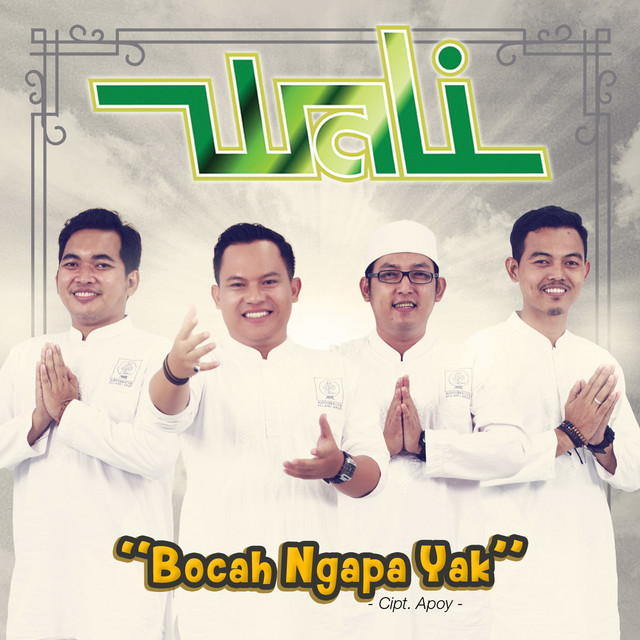
Bocah Ngapa Yak
Wali
Dangdut Koplo
2016
3
/5
Takkan Pisah
Wali
Dangdut Koplo
Sholawat
2009
4
/5
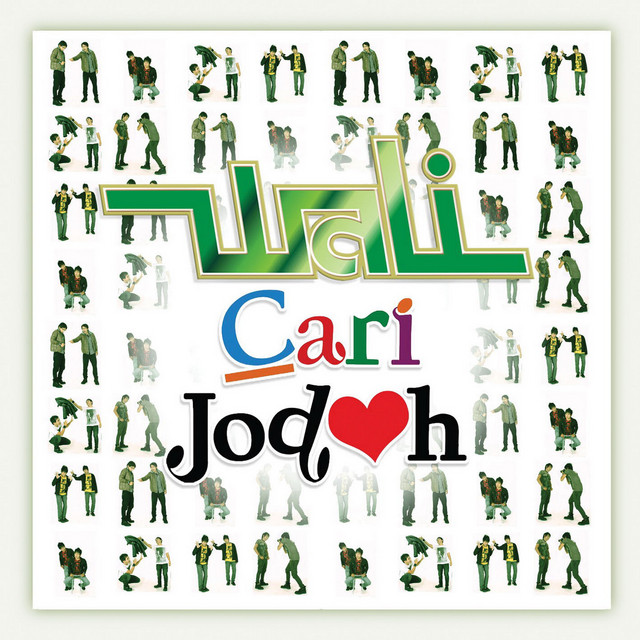
Cari Jodoh
Wali
Dangdut Koplo
Similar artists
3
/5
Tasya Rosmala
Dangdut
Dangdut Koplo
Koplo
3
/5
Vita Alvia
Dangdut
Dangdut Koplo
Koplo
3
/5
Cita Citata
Dangdut
Funkot
Malay
3
/5
Siti Badriah
Dangdut
Funkot
Koplo
3
/5
Nini Carlina
Dangdut
Indonesian Pop
Koplo
4
/5
Happy Asmara
Javanese Dangdut
Dangdut Koplo
Dangdut
3
/5
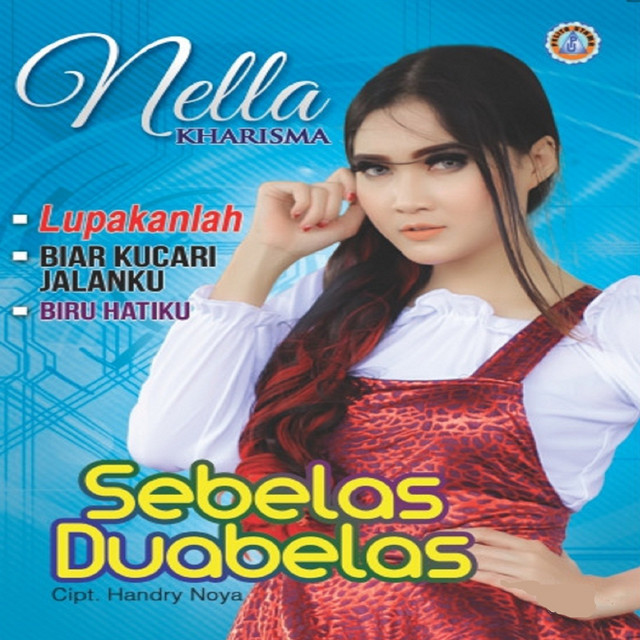
Nella Kharisma
Dangdut Koplo
Dangdut
Javanese Dangdut
3
/5
Shinta Arsinta
Dangdut Koplo
Dangdut
Koplo
3
/5
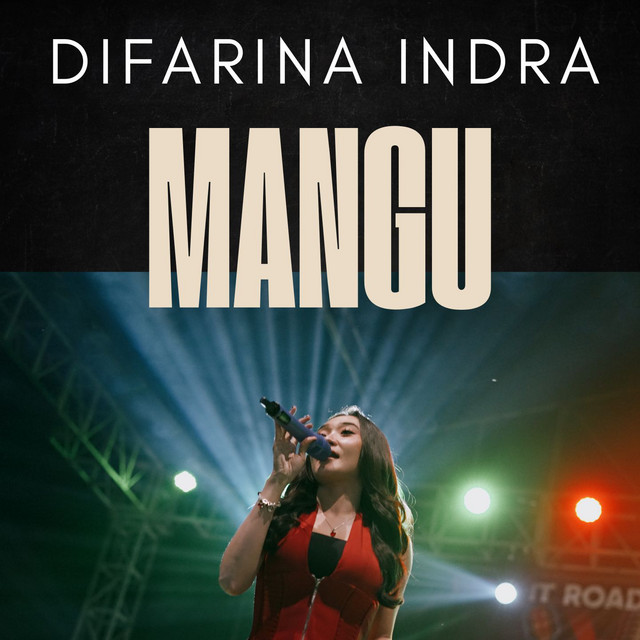
Difarina Indra
Dangdut Koplo
Dangdut
Koplo
2
/5
Inul Daratista
Dangdut
Dangdut Koplo
Funkot
Download our mobile app
Get the Melodigging app and start digging for new genres on the go
Download on the App Store
Get it on Google Play
© 2026 Melodigging
Give feedback
Legal
Melodding was created as a tribute to
Every Noise at Once
, which inspired us to help curious minds keep digging into music's ever-evolving genres.